
Best Travel Destinations for Food and Culinary Trips
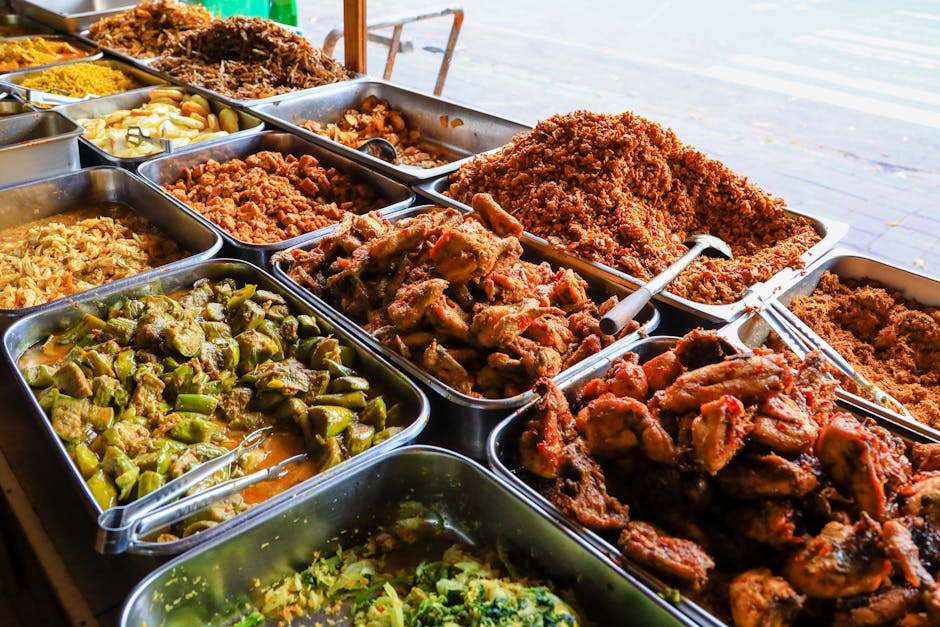
Traveling for food is more than just tasting new dishes—it’s about experiencing culture, history, and community through flavor. The best travel destinations for food and culinary trips offer authentic local ingredients, time-honored recipes, and vibrant food scenes that tell a story. Whether you’re sampling street tacos in Oaxaca or savoring handmade pasta in Bologna, these places turn meals into memories. This guide highlights top global destinations where food isn’t just sustenance—it’s the main event.
Why Food Travel Matters
Food is a universal language. It connects people across borders and generations. When you travel for cuisine, you engage with a destination on a deeper level. You learn how geography shapes ingredients, how traditions influence cooking methods, and how daily life revolves around the kitchen.
Unlike generic sightseeing, culinary travel encourages slower, more intentional exploration. Markets, family-run eateries, and cooking classes reveal the soul of a place. These experiences often lead to meaningful interactions with locals, offering insights no guidebook can match.
What Makes a Destination Culinary-Worthy?
Not every city with good restaurants qualifies as a top food destination. Authenticity, diversity, and accessibility matter most. Look for regions with strong agricultural roots, distinct regional dishes, and a culture that celebrates eating as a communal act.
For example, cities like Lyon, France, are known not just for fine dining but for their bouchons—cozy, traditional bistros serving rustic Lyonnaise fare. Similarly, Bangkok thrives on its street food culture, where humble stalls serve complex, balanced flavors at affordable prices.
Top Food Destinations Around the World
1. Tokyo, Japan
Tokyo holds the title of the world’s most Michelin-starred city, but its real culinary strength lies in everyday dining. From conveyor-belt sushi to late-night ramen shops, the city offers precision, freshness, and variety at every price point.
Visit Tsukiji Outer Market for tuna auctions and fresh seafood bowls. Try izakayas for small plates paired with sake. Don’t miss regional specialties like monjayaki in Tsukishima or soba in Kagurazaka.
2. Oaxaca, Mexico
Oaxaca is Mexico’s culinary capital, famed for its seven moles, tlayudas, and mezcal. The state’s indigenous Zapotec roots shine through its use of native ingredients like huitlacoche, chapulines (grasshoppers), and handmade tortillas.
Wander through Mercado 20 de Noviembre to sample street food. Take a cooking class to learn how to grind spices on a molcajete. Pair your meal with a smoky mezcal tasting in the city’s many pulquerías.
3. Bologna, Italy
Known as “La Grassa” (the Fat One), Bologna is Italy’s food-loving heart. It’s the birthplace of tagliatelle al ragù, tortellini, and mortadella. Unlike tourist-heavy Rome or Florence, Bologna feels authentically local.
Explore the Quadrilatero district, a maze of medieval market streets. Stop at Tamburini for fresh pasta and cured meats. Join a food tour to understand the difference between real ragù and the Bolognese sauce served abroad.
4. Bangkok, Thailand
Bangkok’s street food scene is legendary. Vendors serve pad Thai, som tam, and boat noodles from tiny carts, often unchanged for decades. The city’s flavors balance sweet, sour, salty, and spicy in perfect harmony.
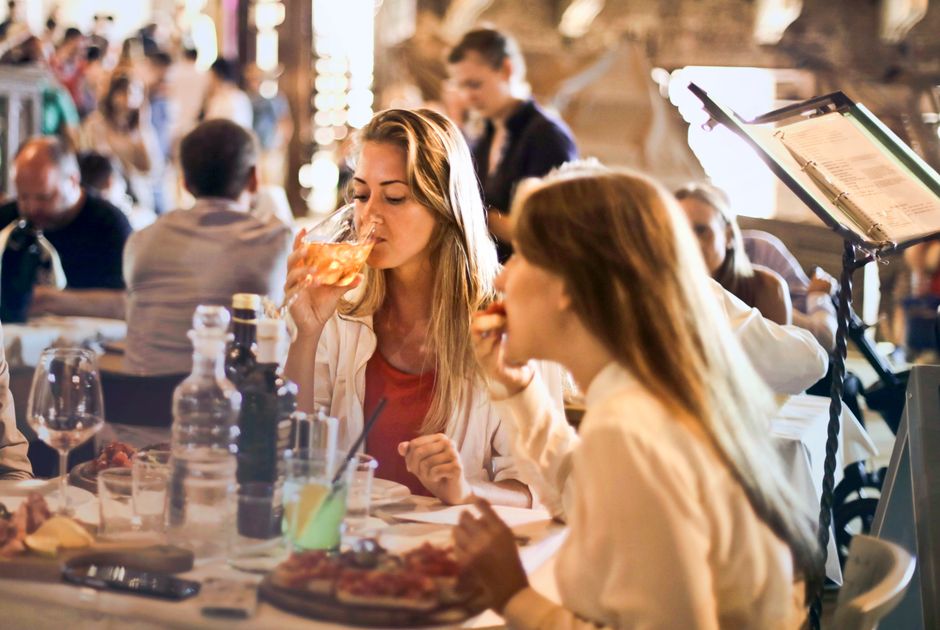
Visit Yaowarat (Chinatown) at night for grilled seafood and bird’s nest soup. Take a boat tour along the canals to sample floating market treats. Always carry cash—many vendors don’t accept cards.
5. Istanbul, Turkey
Istanbul bridges Europe and Asia, and its cuisine reflects that fusion. Think flaky baklava, tender lamb kebabs, and rich Turkish coffee. The city’s bazaars are treasure troves of spices, olives, and sweets.
Start your day with menemen (scrambled eggs with tomatoes) at a local café. Explore the Spice Bazaar for saffron, sumac, and Turkish delight. Join a food tour in Kadıköy for lesser-known neighborhood gems.
6. Lima, Peru
Lima is the epicenter of modern Peruvian cuisine, blending indigenous, Spanish, African, and Asian influences. It’s home to world-renowned restaurants like Central and Maido, but its street food is equally compelling.
Try ceviche at a seaside stall in Miraflores. Sample anticuchos (grilled beef heart) at a local market. Don’t leave without tasting ají de gallina or lomo saltado.
7. Marrakech, Morocco
Marrakech’s food scene is a sensory overload. The medina’s Jemaa el-Fnaa square transforms at night into an open-air kitchen with food stalls serving tagines, harira soup, and msemen (flatbread).
Learn to cook tagine in a riad workshop. Sip mint tea in a rooftop café overlooking the Koutoubia Mosque. Be cautious with raw salads—stick to cooked dishes if you’re sensitive to water quality.
8. Seoul, South Korea
Seoul offers bold, fermented flavors and communal dining. Kimchi, bibimbap, and Korean BBQ dominate the scene, but lesser-known dishes like bindaetteok (mung bean pancakes) are worth seeking out.
Visit Gwangjang Market for hotteok (sweet pancakes) and mayak gimbap (addictive seaweed rice rolls). Try a temple stay to experience Buddhist vegetarian cuisine, known as sanchae jeongol.
9. Lyon, France
Lyon is France’s gastronomic capital, where tradition meets refinement. Its bouchons serve classics like quenelles, andouillette, and salade lyonnaise. The city values slow food and seasonal ingredients.
Take a guided food tour through Les Halles de Lyon Paul Bocuse. Visit a fromagerie to sample local cheeses like Saint-Marcellin. Pair your meal with a glass of Beaujolais wine.
10. Penang, Malaysia
Penang is often called the food capital of Malaysia. Its hawker centers serve char kway teow, asam laksa, and cendol—dishes that reflect the island’s Chinese, Malay, and Indian heritage.
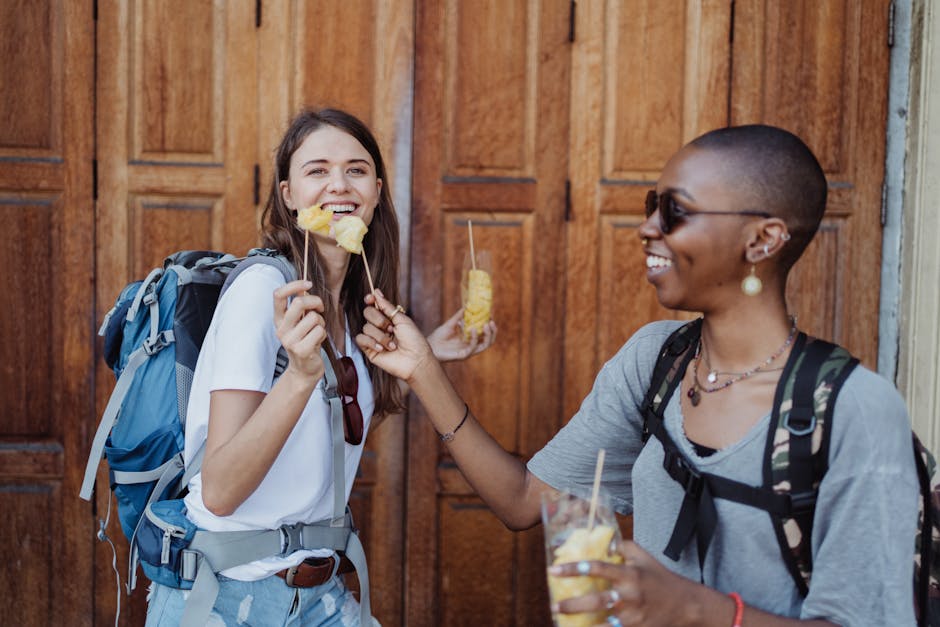
George Town’s UNESCO-listed streets are lined with food stalls. Visit Lorong Selamat for authentic Penang favorites. Go early—popular vendors sell out by noon.
How to Plan a Culinary Trip
Planning a food-focused journey requires research and flexibility. Start by identifying your flavor preferences. Do you crave spice, umami, or comfort food? Choose destinations that align with your tastes.
Use food blogs, local tourism boards, and apps like Eatwith or Withlocals to find authentic experiences. Book cooking classes or market tours in advance—they fill up quickly.
Best Time to Visit
Timing affects food availability. Visit during harvest seasons for peak freshness. In Italy, autumn brings truffles and wine festivals. In Japan, spring offers cherry blossom-themed sweets and fresh seafood.
Avoid major holidays when restaurants may close or raise prices. In China, many eateries shut during Lunar New Year. In France, August sees widespread closures as locals vacation.
What to Pack
Pack light, but bring essentials. A reusable water bottle with a filter helps in areas with questionable tap water. Comfortable shoes are a must—markets and food streets involve lots of walking.
Carry a small notebook to jot down restaurant names and dish recommendations. Download offline translation apps for menus. Bring a portable charger—food photography drains batteries fast.
Safety and Etiquette Tips
Food safety varies by region. In developing countries, choose busy stalls with high turnover—this ensures freshness. Avoid raw vegetables, unpeeled fruits, and tap water.
Respect local customs. In Thailand, don’t stick chopsticks upright in rice—it’s associated with funerals. In Japan, slurping noodles is a sign of enjoyment. When in doubt, observe locals.
Dining Etiquette Around the World
Every culture has unspoken rules. In Morocco, eat with your right hand. In France, keep your hands on the table (not in your lap). In India, avoid touching food with your left hand.
Learn a few food-related phrases in the local language. Saying “thank you” after a meal builds goodwill. Tipping practices vary—research local norms to avoid over- or under-tipping.
Beyond Restaurants: Unique Culinary Experiences
Great food travel goes beyond dining out. Consider agritourism in Tuscany, where you can harvest olives and press oil. In Vietnam, join a family for a home-cooked meal in Hanoi’s Old Quarter.
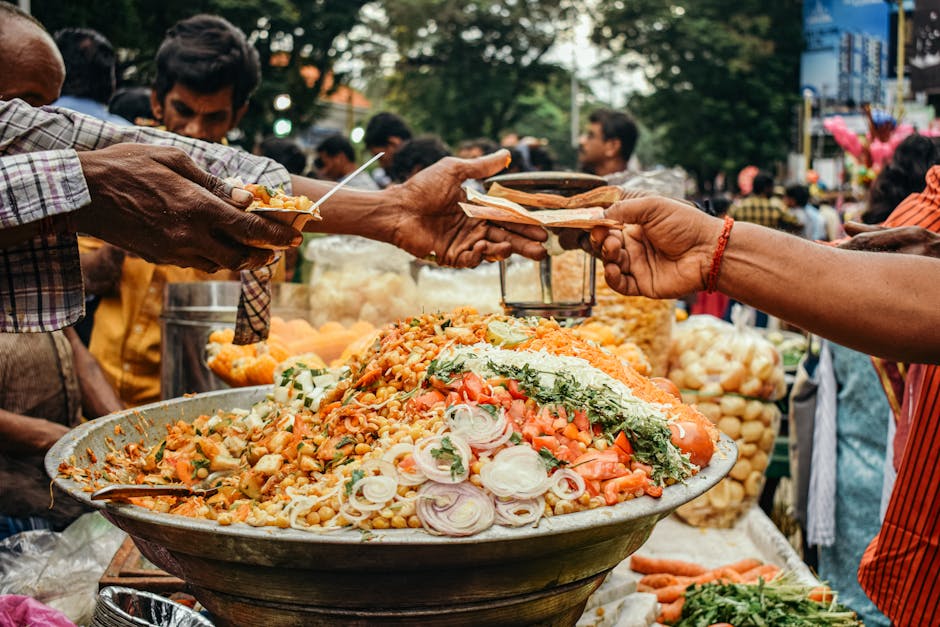
Wine and cheese tours in regions like Napa Valley or the Loire Valley offer tastings with producers. In Mexico, visit a mezcal distillery to learn about agave cultivation and distillation.
Food Festivals to Add to Your Itinerary
Timing your trip with a food festival enhances the experience. The Pizzafest in Naples celebrates Italy’s iconic dish every September. The Oaxaca Gourmet Festival in November showcases regional chefs.
In Spain, La Tomatina in Buñol offers a messy but fun tomato fight. Japan’s Sapporo Snow Festival features ice sculptures and regional delicacies like soup curry.
Sustainable and Ethical Food Travel
Support local economies by eating at family-owned businesses. Avoid chains that don’t reflect regional cuisine. Choose tours that pay fair wages and respect cultural traditions.
Minimize food waste by ordering smaller portions or sharing dishes. Carry a reusable container for leftovers. Be mindful of over-touristed areas—spread your spending to lesser-known neighborhoods.
How to Be a Responsible Food Tourist
Ask before photographing people or food stalls. Some vendors consider it intrusive. Tip fairly for guided experiences. Leave no trace—dispose of packaging properly.
Educate yourself about the region’s food history. Understanding the context behind a dish deepens appreciation and reduces cultural appropriation.
Final Thoughts
The best travel destinations for food and culinary trips offer more than great meals—they provide cultural immersion, human connection, and lasting memories. Whether you’re exploring night markets in Taipei or truffle hunting in Piedmont, let your taste buds lead the way.
Start with one destination that excites you. Research, plan, and stay open to surprises. The most memorable meals often happen off the beaten path.
FAQ
What should I eat first when arriving in a new food destination?
Start with a local staple that’s widely available and freshly prepared. In Mexico, try a street taco. In Japan, go for a bowl of ramen. These dishes give you an authentic taste of the region without overwhelming your palate.
How do I avoid foodborne illness while traveling?
Stick to cooked foods, avoid raw dairy and undercooked meat, and drink bottled or filtered water. Choose busy food stalls—high turnover means fresher ingredients. If you have a sensitive stomach, consider probiotics before and during your trip.
Are food tours worth the cost?
Yes, especially in cities with complex food scenes. Tours provide context, access to hidden spots, and safe recommendations. Look for small-group or local-led tours to ensure authenticity and fair compensation for guides.