Complete Food Travel Guide with Local Dishes and Tips
Traveling isn’t just about seeing new places—it’s about tasting them. A complete food travel guide helps you discover authentic flavors, avoid tourist traps, and eat like a local wherever you go. Whether you’re exploring street markets in Bangkok or family-run trattorias in Naples, knowing what to order, where to go, and how to order it makes all the difference. This guide covers essential tips, regional specialties, and practical advice to help you navigate global cuisines with confidence.
Why Food Should Be at the Heart of Your Travel Plans
Food is culture on a plate. It tells stories of history, geography, and tradition. When you eat locally, you connect more deeply with your destination. Tourists who skip the cuisine miss half the experience—literally.
Beyond enjoyment, food travel supports local economies. Eating at family-owned restaurants or buying from market vendors puts money directly into community hands. It’s sustainable tourism in action.
How Food Enhances Cultural Understanding
Sharing a meal is one of the most universal forms of hospitality. In Japan, slurping noodles signals appreciation. In Ethiopia, eating from a shared platter builds trust. These small gestures reveal values and social norms.
Trying regional dishes also challenges assumptions. You might discover that “spicy” in Mexico differs from “spicy” in Thailand—not just in heat, but in flavor layers and ingredients.
How to Research Local Dishes Before You Go
Start with trusted travel food blogs and local food magazines. Sites like Migrationology, The Woks of Life, and regional tourism boards often list must-try dishes and hidden gems.
Use Google Maps to search “best local food” or “traditional dishes” in your destination. Look for places with high ratings and recent reviews from locals—not just tourists.
Talk to Locals—Even Before You Arrive
Join Facebook groups or Reddit communities for expats or food lovers in your destination. Ask for recommendations. Most people are happy to share their favorite spots.
Apps like Eatwith or Traveling Spoon connect travelers with home-cooked meals hosted by residents. It’s a great way to taste authentic home cooking and meet people.
Learn Key Food Terms in the Local Language
Even basic phrases go a long way. Learn how to say “delicious,” “vegetarian,” or “no spice, please” in the local language. In Spain, “sin picante” means no spice. In Vietnam, “ăn chay” means vegetarian.
Carry a small phrase card or use a translation app with offline capabilities. Many restaurants won’t have English menus, especially outside tourist zones.
Top Local Dishes to Try Around the World
Every region has signature dishes shaped by climate, trade, and tradition. Here are standout examples from six continents—each worth seeking out.
Asia: Pad Thai in Thailand
Pad Thai is Thailand’s most famous street food—stir-fried rice noodles with shrimp, tofu, egg, and tamarind sauce. Look for vendors using a wok over charcoal for authentic smokiness.
Avoid overly sweet versions. Authentic Pad Thai balances sweet, sour, salty, and umami. Add fresh lime and crushed peanuts at the table.
Europe: Paella in Spain
True paella comes from Valencia and uses short-grain rice, saffron, and seasonal ingredients like rabbit or snails. Tourist versions often include chorizo—locals consider that a mistake.
Order it at lunch, when it’s traditionally served. Dinner paella is often reheated and less flavorful.
Africa: Tagine in Morocco
Named after the conical clay pot it’s cooked in, tagine combines meat or vegetables with dried fruits, nuts, and spices like cumin and cinnamon. Lamb with prunes is a classic.
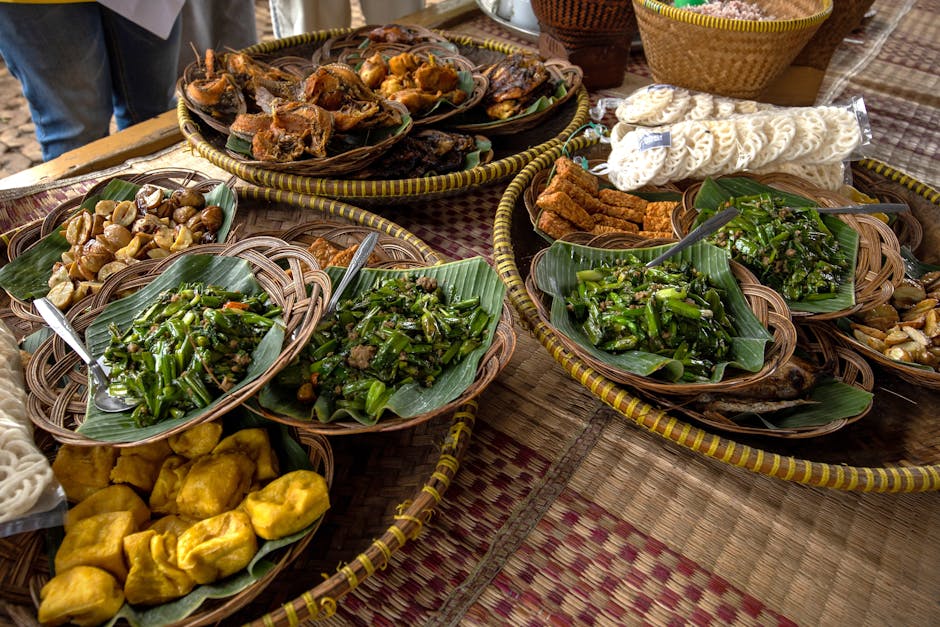
Eat with bread to soak up the sauce. It’s meant to be shared—order one per two people.
South America: Ceviche in Peru
Peruvian ceviche uses fresh raw fish “cooked” in lime juice, mixed with red onion, chili, and cilantro. It’s served with sweet potato and corn.
Only eat ceviche at reputable places with high turnover. Freshness is critical—avoid if the fish smells overly sour.
North America: Poutine in Canada
This Quebec specialty features fries topped with cheese curds and brown gravy. The cheese should be squeaky and slightly melted but not fully dissolved.
Skip the fancy versions. The best poutine is simple—crispy fries, real curds, hot gravy.
Oceania: Pavlova in Australia and New Zealand
This meringue-based dessert is light and crisp outside, soft inside, topped with whipped cream and fruit. The origin is debated, but both countries claim it proudly.
Try it in summer when berries are in season. Avoid pre-packaged versions—fresh pavlova melts in the mouth.
How to Find Authentic Restaurants and Avoid Tourist Traps
Tourist traps often cluster near major attractions. They charge premium prices for mediocre food and rely on signage in multiple languages.
Walk a few blocks away from the main square or monument. Look for places filled with locals, especially during lunch hours.
Signs of an Authentic Eatery
Menus in the local language only. No photos of food. Limited seating. Cash-only payments. These are good signs.
If the menu has 50+ items, it’s likely catering to tourists. Authentic spots usually specialize in a few dishes done well.
Use the “Local Lunch Test”
Observe where locals eat between 12:30 and 2:00 PM. Office workers and families don’t waste time on overpriced meals. Follow them.
In cities like Rome or Istanbul, neighborhood trattorias and kebab shops are often hidden down side streets—worth the search.
Street Food: Safe and Delicious
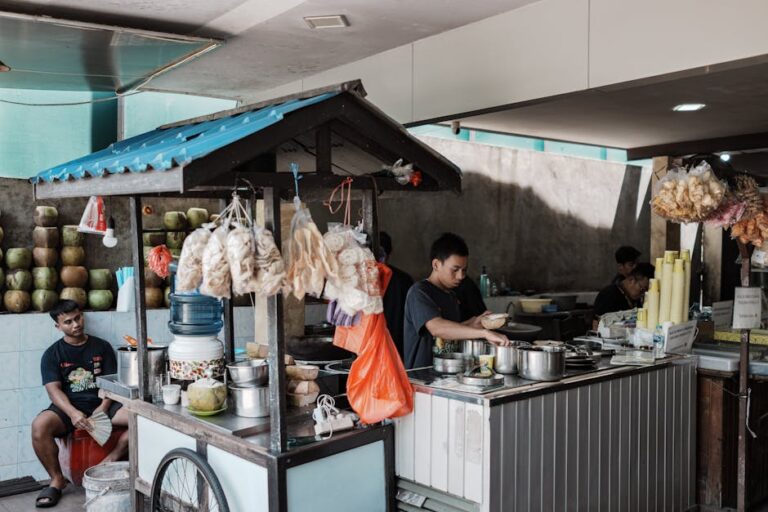
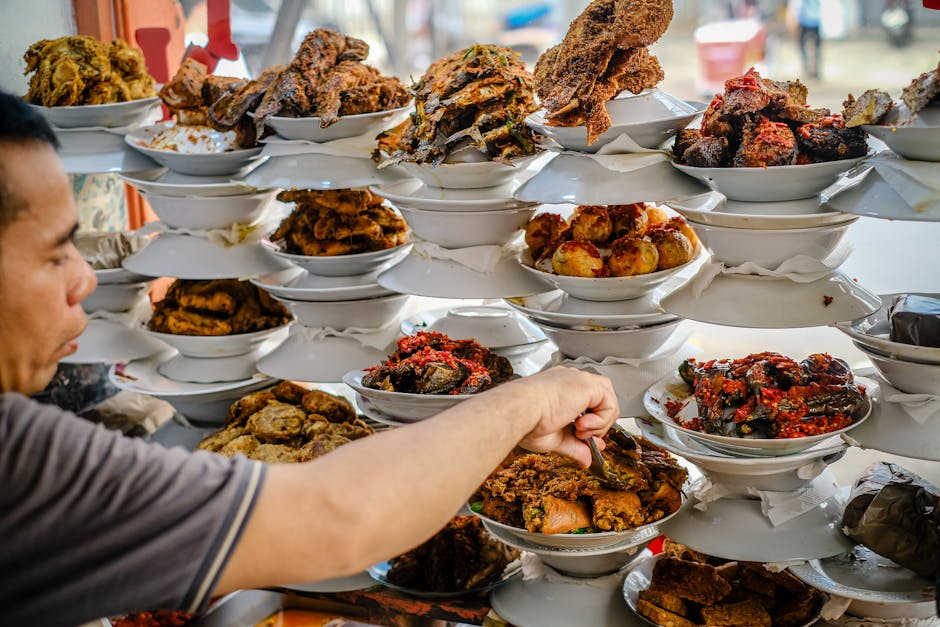
Street food is often the most authentic and affordable way to eat. But safety matters. Choose vendors with high turnover—food sits out less time.
Look for stalls where food is cooked to order. Avoid pre-made items sitting in the sun. Drink bottled water and skip ice unless you’re sure it’s made from purified water.
Street Food Staples by Region
In Mexico, try tacos al pastor—marinated pork cooked on a vertical spit. In India, samosas and chaat are safe if freshly fried. In Turkey, simit (sesame bread rings) are sold everywhere and rarely cause issues.
Always wash hands or use sanitizer before eating. Carry wet wipes for sticky fingers.
Dietary Restrictions and Food Allergies Abroad
Traveling with dietary needs requires extra planning. Vegetarian, vegan, gluten-free, or allergy-friendly options vary widely by country.
In countries like Italy or France, vegetarianism is understood but not always accommodated. In India, vegetarian food is widely available—just specify “no onion, no garlic” if needed for religious reasons.
How to Communicate Your Needs
Download allergy translation cards in the local language. Sites like Select Wisely offer printable cards for common allergens.
Learn key phrases: “I am allergic to…” or “Does this contain…?” In Japan, “dashi” often contains fish—ask even if a dish seems vegetarian.
Safe Cuisines for Restricted Diets
Ethiopian and Eritrean food is naturally vegan-friendly—dishes like misir wot (red lentils) are plant-based. Mexican cuisine offers bean and vegetable tacos.
Avoid buffets and sauces with unknown ingredients. When in doubt, stick to simply prepared foods—grilled meats, steamed vegetables, plain rice.
Food Markets: A Traveler’s Best Friend
Markets offer fresh produce, snacks, and ready-to-eat meals. They’re also cultural hubs where you can watch locals shop and interact.
Visit early in the morning for the best selection. In Bangkok, Chatuchak Weekend Market opens at 9 AM. In Barcelona, La Boqueria is busiest by 10 AM.
What to Buy and Try
Sample local fruits—mangosteen in Thailand, cherimoya in Peru, or persimmons in South Korea. Bring a reusable bag to reduce waste.
Buy spices, sauces, or snacks as souvenirs. Just check customs rules—some countries restrict food imports.
Etiquette Tips for Market Visits
Don’t touch food unless invited. Ask before photographing vendors. Bargaining is common in some regions, like Morocco, but not in others, like Japan.
Bring small bills. Many vendors don’t accept cards or large denominations.
Drinking Culture: Coffee, Tea, and Local Beverages
Beverages are part of the food experience. In Ethiopia, coffee ceremonies can last hours. In Argentina, mate is shared in social circles.
Try regional drinks: horchata in Mexico, ayran in Turkey, or kombucha in Germany. Avoid tap water in countries with unsafe water systems.
Coffee and Tea Around the World
In Italy, espresso is drunk quickly at the bar—not sipped slowly at a table. In Vietnam, cà phê sữa đá (iced coffee with condensed milk) is a must.
In Morocco, mint tea is poured from a height to create foam. It’s a sign of hospitality—accept it with gratitude.
Packing Tips for Food Lovers
Bring a reusable utensil set, foldable container, and water bottle with filter. These reduce waste and help you eat safely.
Pack non-perishable snacks like nuts or energy bars for long travel days. Avoid bringing local foods home—customs may confiscate them.
What Not to Pack
Don’t bring meat, dairy, or fresh produce across borders. Even sealed packages can be restricted. Check your destination’s agricultural regulations.
Avoid strong-smelling foods in shared spaces like hostels or trains. Respect others’ comfort.
How to Take Notes and Remember Your Food Experiences
Keep a food journal. Note the dish, location, price, and what made it special. Include photos of menus or receipts.
Use apps like Evernote or Google Keep to organize notes by city or country. Tag entries with keywords like “best ramen” or “vegan-friendly.”
Share Responsibly
Post photos on social media, but avoid revealing exact locations of tiny family-run spots. Over-tourism can harm small businesses.
Write honest reviews on Google or TripAdvisor. Mention what was great—and what could improve.
Final Tips for a Successful Food Journey
Stay curious but cautious. Try new things, but listen to your body. If something feels off, don’t eat it.
Balance adventure with comfort. Eat one wild dish per day, but keep safe backups like bread or plain rice.
Stay Hydrated and Rested
Digestive issues often stem from fatigue and dehydration. Drink plenty of safe fluids and get enough sleep.
Carry probiotics or digestive enzymes if you’re prone to stomach upset. Start with small portions of new foods.
Respect Local Customs
In some cultures, eating with your left hand is rude. In others, finishing your plate signals you’re still hungry. Observe and adapt.
When in doubt, follow the locals. They know best.
FAQ
How do I know if a restaurant is safe to eat at?
Look for high turnover, clean cooking surfaces, and food served hot. Avoid places with pre-made food sitting out. Check recent reviews from locals.
What should I do if I have a food allergy while traveling?
Carry translation cards, learn key phrases in the local language, and ask detailed questions about ingredients. Stick to simple dishes when unsure.
Is street food safe for tourists?
Yes, if you choose busy vendors who cook to order. Avoid raw salads, unpeeled fruit, and tap water. Stick to freshly cooked, hot foods.