Island Travel Guide with Best Beaches for Swimming
Looking for the perfect island getaway with safe, clear waters ideal for swimming? This island travel guide highlights top destinations where calm seas, soft sand, and reliable conditions make swimming a highlight of any visit. From secluded coves to family-friendly shores, these beaches offer more than just scenic views—they deliver refreshing, enjoyable experiences in the water.
Whether you’re planning a tropical escape or a Mediterranean retreat, choosing the right beach matters. Not all island shores are created equal when it comes to swimming. Some have strong currents, rocky entries, or murky water. This guide focuses only on islands with consistently safe, swimmable beaches backed by traveler reviews and local insights.
Why Swimming Matters When Choosing an Island Destination
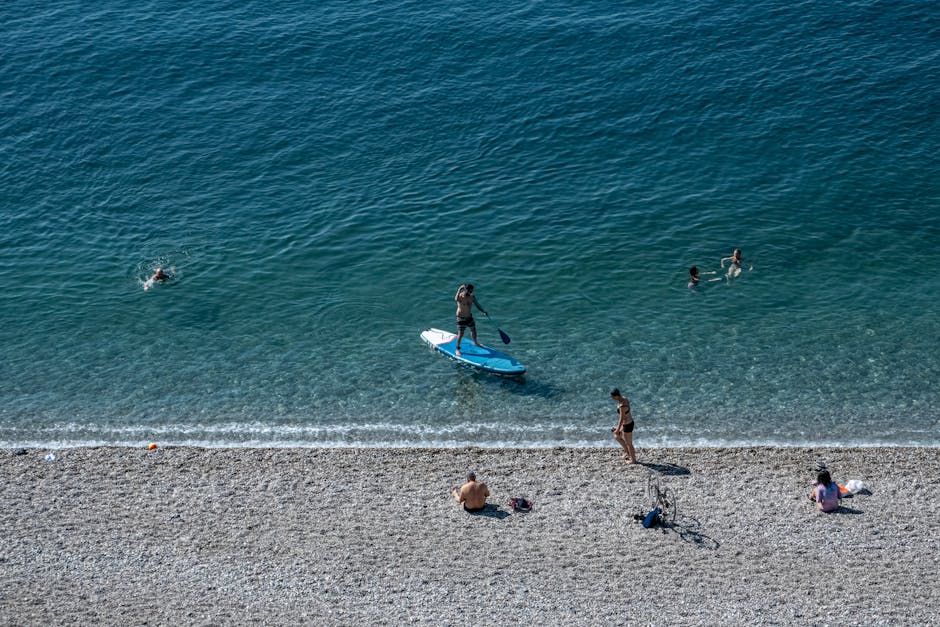
For many travelers, swimming is a core part of the island experience. It’s not just about dipping your toes—it’s about floating in turquoise water, snorkeling near coral reefs, or playing in gentle waves with kids. A beach that looks stunning in photos might not be practical for actual swimming.
Safety, water clarity, and ease of access are key. Beaches with lifeguard patrols, gradual slopes, and minimal boat traffic are ideal. Avoid areas known for jellyfish, strong rip currents, or sudden drop-offs unless you’re an experienced swimmer.
What Makes a Beach Great for Swimming
Great swimming beaches share a few common traits: calm water, clean sand, and reliable conditions. Look for shores protected by reefs or headlands, which reduce wave intensity. Water temperature should be comfortable—ideally between 75°F and 85°F (24°C–29°C)—for extended swimming.
Accessibility matters too. Beaches with parking, restrooms, and nearby amenities make day trips easier. Shade from palm trees or cabanas helps on hot days. And while crowds can be a downside, some level of activity often indicates a well-maintained, safe environment.
Top Island Destinations for Swimming
Not all islands are equally suited for swimming. Some prioritize surfing or diving, while others offer tranquil lagoons perfect for leisurely swims. Below are standout islands known for their swimmable beaches, each offering a unique blend of beauty and practicality.
Bali, Indonesia – Seminyak and Nusa Dua
Bali combines culture, scenery, and some of the best swimming beaches in Southeast Asia. Seminyak Beach offers soft white sand and gentle waves, ideal for casual swimmers. It’s lined with beach clubs and restaurants, making it convenient for full-day visits.
Nusa Dua, on the southeastern coast, is even better for swimming. The beach is protected by a reef, creating a calm lagoon. Water clarity is excellent, and the area is well-maintained with lifeguards on duty. Families and first-time swimmers will feel at ease here.
Koh Samui, Thailand – Chaweng and Lamai
Koh Samui is a favorite among island travelers for its balance of nightlife and natural beauty. Chaweng Beach stretches over six kilometers, with powdery sand and clear water. The northern section is quieter and better for swimming, away from jet skis and crowds.
Lamai Beach, just south of Chaweng, offers a more relaxed vibe. The water is shallow near shore, making it safe for children. Coral reefs begin a short swim out, so snorkelers can explore without venturing far. Both beaches have plenty of shade and nearby food options.
Santorini, Greece – Red Beach and Perissa
Santorini is famous for its cliffs and sunsets, but its black sand beaches are also great for swimming. Red Beach, named for its volcanic cliffs, has calm waters and a unique landscape. The sand is dark and warm, and the water is clear, though the shore can be rocky in parts.
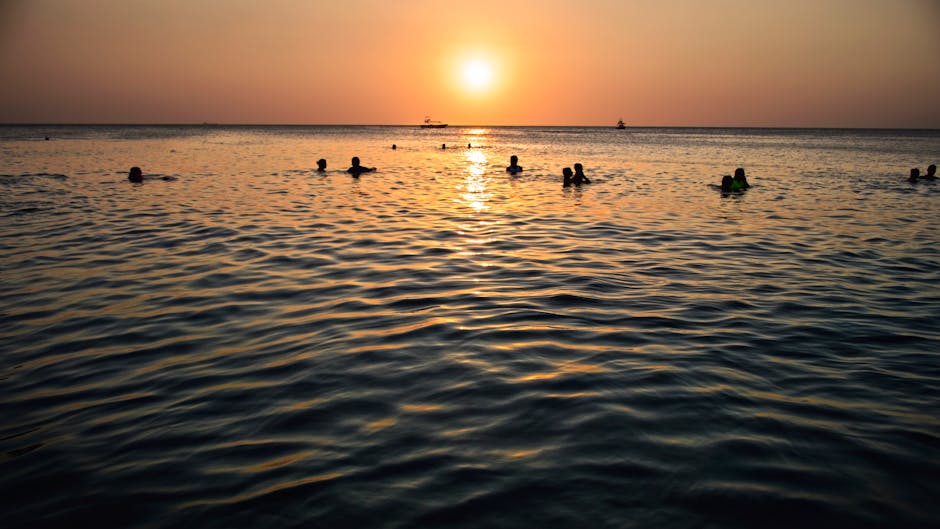
Perissa Beach is more accessible and better suited for swimming. The black sand slopes gently into the sea, and the water stays calm even in summer. There are sunbeds, umbrellas, and beachfront tavernas. It’s a top pick for travelers who want both scenery and comfort.
Maui, Hawaii – Wailea and Kaanapali
Maui offers some of the most reliable swimming conditions in the Pacific. Wailea Beach on the southwest coast is a wide, crescent-shaped shore with soft sand and gentle waves. The water is warm year-round, and the beach is rarely crowded.
Kaanapali Beach, just north, is more developed but equally swimmable. Three miles of coastline include snorkeling spots, beachfront resorts, and clear water. The area is protected by a reef, reducing wave action. Early mornings offer the calmest conditions.
Maldives – Local Islands and Resorts
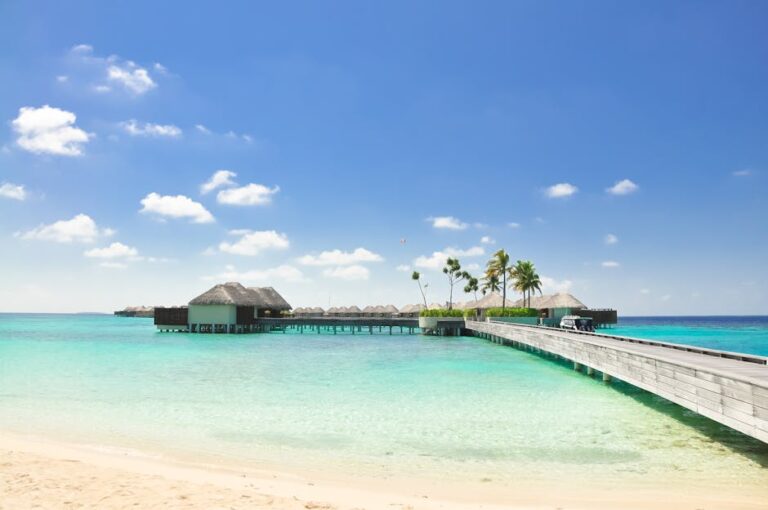
The Maldives is synonymous with overwater bungalows and crystal-clear lagoons. While many travelers stay on private resort islands, local islands like Maafushi offer equally swimmable beaches at a lower cost.
Resort beaches are meticulously maintained, with shallow water perfect for swimming. Local islands provide a more authentic experience, with fewer crowds and natural surroundings. Always check water conditions, as some areas may have stronger currents during monsoon season.
How to Choose the Right Beach for Your Trip
With so many options, narrowing down the best beach for swimming can be challenging. Start by considering your travel style and group needs. Are you traveling with kids? Prefer quiet spots? Need amenities nearby?
Research recent traveler reviews on platforms like TripAdvisor or Google Maps. Look for mentions of water clarity, safety, and ease of access. Photos can help, but conditions change—always check for updates close to your travel date.
Check Local Conditions Before You Go
Even the best beaches can have temporary issues. Strong winds, seasonal algae, or maintenance work can affect swimming conditions. Check local weather forecasts and beach reports a few days before your visit.
In tropical regions, jellyfish blooms are common in certain months. Ask locals or hotel staff about current conditions. Some beaches post warning signs or have nets in place during peak seasons.
Consider the Time of Day
Water conditions vary throughout the day. Mornings are often calmest, with less wind and fewer people. Afternoons can bring stronger waves, especially on windward coasts. Evenings may be peaceful, but visibility drops, which can be a concern for weaker swimmers.
Swimming during daylight hours is safest. Avoid entering the water at night unless you’re at a well-lit, supervised beach. Always swim near others and stay within your limits.
Safety Tips for Swimming on Island Beaches
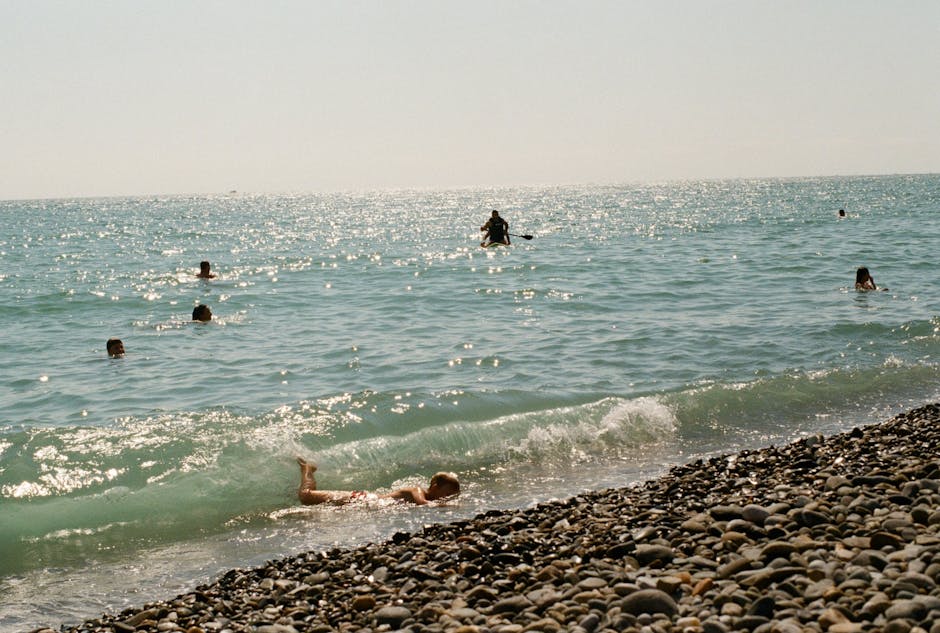
Beautiful beaches can hide hazards. Rip currents, sharp rocks, and sudden drop-offs are common on island shores. Knowing how to respond can prevent accidents.
Always swim near lifeguard stations when possible. If caught in a rip current, don’t panic. Swim parallel to the shore until you’re out of the current, then head back to land. Never turn your back on the ocean.
Protect Your Skin and Stay Hydrated
Island sun is intense. Apply waterproof sunscreen 30 minutes before entering the water and reapply every two hours. Wear a hat and seek shade during peak UV hours (10 a.m. to 4 p.m.).
Swimming dehydrates you faster than you think. Drink water regularly, even if you don’t feel thirsty. Avoid alcohol before or during swimming—it impairs judgment and increases risk.
Watch for Marine Life
Most marine life avoids humans, but accidental contact can happen. Avoid touching coral, which can cut skin and damage ecosystems. Don’t chase fish or step on sea urchins.
If stung by a jellyfish, rinse the area with seawater—not freshwater—and seek help. Vinegar can help in some cases, but avoid rubbing the wound. Most stings are mild, but allergic reactions require medical attention.
Best Times to Visit for Ideal Swimming Conditions
Timing your trip can make a big difference in water quality and comfort. In tropical regions, the dry season usually offers the calmest seas and clearest water. In Mediterranean climates, summer provides warm water but also crowds.
For Bali and Thailand, November to March is ideal—less rain and steady trade winds. In Greece, July and August are peak months, with warm water and long days. Hawaii enjoys consistent conditions year-round, with slightly calmer seas in spring and fall.
Avoid Peak Tourist Seasons If Possible
Popular islands get crowded in high season, which can affect beach quality. More people mean more litter, busier facilities, and higher prices. Shoulder seasons—just before or after peak times—often offer better value and quieter beaches.
For example, visiting Santorini in late May or early October means fewer crowds and still-warm water. In the Maldives, April and November are transitional months with good weather and lower rates.
Packing Essentials for Island Beach Days
Being prepared enhances your swimming experience. Pack a lightweight beach towel, reef-safe sunscreen, and a waterproof bag for valuables. Flip-flops protect your feet from hot sand and sharp objects.
A snorkel set lets you explore underwater without relying on rentals. Bring a reusable water bottle to stay hydrated. If you plan to swim daily, consider a quick-dry swimsuit and rash guard for sun protection.
What to Leave Behind
Avoid bringing glass containers, single-use plastics, or expensive jewelry. Many islands have strict environmental policies, and littering can result in fines. Leave valuables in your hotel safe unless necessary.
Don’t assume amenities will be available. Some remote beaches have no shops or restrooms. Pack snacks, water, and a first-aid kit for peace of mind.
Eco-Friendly Swimming and Beach Etiquette
Island ecosystems are fragile. Coral reefs, seagrass, and marine life depend on clean water and minimal disturbance. Swimmers can help by avoiding contact with coral and not feeding fish.
Use reef-safe sunscreen to prevent chemical runoff. Look for products labeled “oxybenzone-free” or “non-nano zinc oxide.” These are less harmful to marine environments.
Respect Local Customs
Some islands have cultural norms around beach behavior. In parts of Indonesia and the Maldives, modest swimwear is expected in public areas. Research local customs before packing.
Keep noise levels down, especially on quiet beaches. Don’t leave trash behind—carry out what you bring in. Support local businesses by buying snacks and drinks from nearby vendors.
Final Thoughts on Island Beaches for Swimming
Choosing an island with great swimming beaches enhances your entire trip. It’s not just about the view—it’s about feeling confident and comfortable in the water. The best island travel guide prioritizes safety, accessibility, and real-world conditions over Instagram appeal.
From Bali’s calm lagoons to Santorini’s volcanic shores, the islands listed here offer reliable, enjoyable swimming experiences. Plan ahead, stay informed, and respect the environment. With the right preparation, your island getaway will be as refreshing as the water itself.
FAQ
What is the safest island beach for swimming with children?
Nusa Dua in Bali and Wailea Beach in Maui are top choices. Both have gentle slopes, calm water, lifeguard presence, and nearby amenities, making them ideal for families.
Are there swimmable beaches on islands with strong waves?
Yes, but look for protected coves or leeward sides. For example, Kaanapali Beach in Maui is on the west side, shielded from strong Pacific swells, while still offering great swimming.
How can I check if a beach is safe for swimming before visiting?
Check recent traveler reviews, local weather reports, and official tourism websites. Ask your hotel or rental host for updates. Look for signs of lifeguards, clean sand, and clear water in recent photos.