Top Culinary Travel Experiences for Food Enthusiasts
For food lovers, travel is more than sightseeing—it’s a chance to taste authentic flavors, learn cooking traditions, and connect with local cultures through cuisine. The best culinary travel experiences go beyond restaurant meals, offering hands-on workshops, market tours, and interactions with chefs and artisans. Whether you’re exploring street food in Bangkok, mastering pasta in Tuscany, or sipping wine in Bordeaux, these journeys deepen your appreciation for food and place. This guide highlights standout destinations and activities that deliver genuine, memorable gastronomic adventures.
Why Culinary Travel Matters
Culinary travel transforms a vacation into an immersive sensory journey. Instead of just observing, you participate—chopping vegetables with a Sicilian nonna, fermenting kimchi in Seoul, or harvesting olives in Greece. These experiences build cultural understanding and create lasting memories tied to taste, smell, and human connection.
Unlike generic tours, food-focused trips often support local economies and preserve traditional practices. You’re not just a tourist; you’re a guest at someone’s table, learning recipes passed down through generations. This authenticity is what sets culinary travel apart from standard dining out.
Top Destinations for Food-Loving Travelers
Tokyo, Japan: A Masterclass in Precision and Tradition
Tokyo holds more Michelin stars than any other city, but its true culinary magic lies in everyday eats. Visit Tsukiji Outer Market for fresh sashimi at dawn, or join a sushi-making class with a local chef. Don’t miss izakayas—casual pubs where small plates like yakitori and agedashi tofu shine.
For a deeper dive, book a kaiseki dinner, a multi-course meal that reflects seasonal ingredients and artistic presentation. Many ryokans (traditional inns) offer kaiseki as part of their stay, blending lodging and cuisine seamlessly.
Oaxaca, Mexico: The Soul of Mexican Cuisine
Oaxaca is often called the culinary capital of Mexico, and for good reason. Its markets overflow with mole negro, tlayudas (crispy tortillas), and mezcal made from local agave. Take a cooking class in a family home to learn how to grind spices on a molcajete and prepare seven distinct moles.
Visit a mezcal distillery in the nearby valleys to understand the fermentation and distillation process. Be sure to try chapulines—toasted grasshoppers seasoned with chili and lime—a crunchy, protein-rich snack beloved by locals.
Tuscany, Italy: Farm-to-Table Simplicity
Tuscany offers more than rolling hills and vineyards. Stay on an agriturismo (farm stay) where you’ll harvest tomatoes, press olives, and make pasta from scratch. Many farms include cooking lessons using ingredients grown on-site.
In Florence, join a guided food tour that covers Mercato Centrale, sampling pecorino cheese, cured meats, and fresh ribollita soup. Avoid tourist traps by booking tours led by local food historians or chefs.
Bangkok, Thailand: Street Food at Its Finest
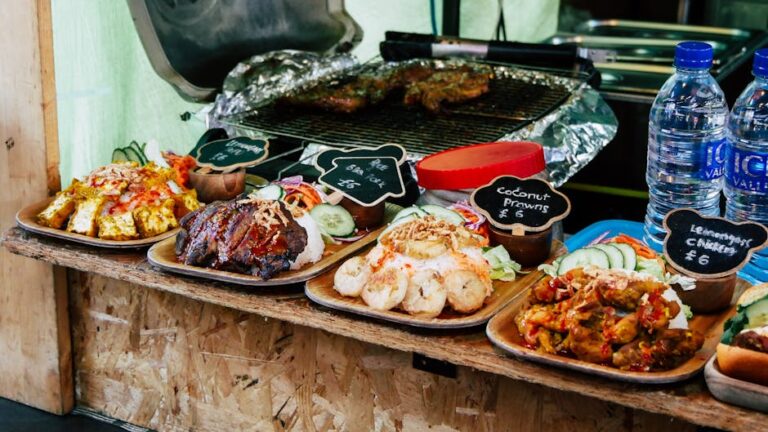
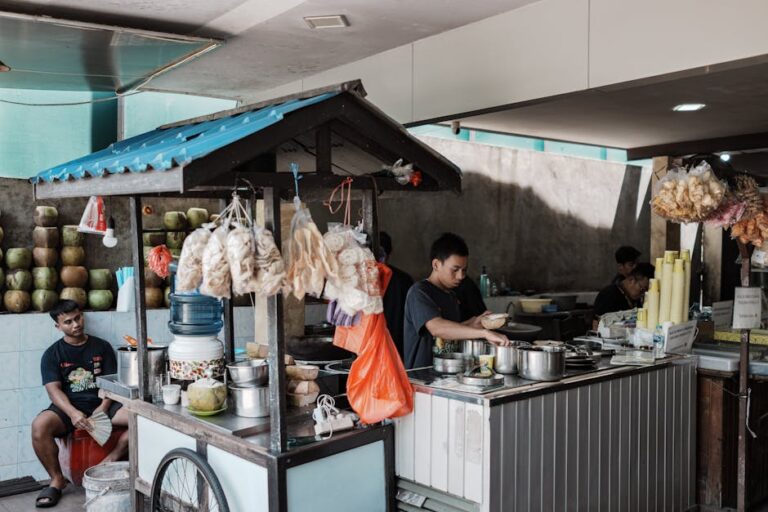
Bangkok’s street food scene is legendary for its bold flavors and affordability. Join a night tour to sample pad Thai from a cart in Chinatown, mango sticky rice from a sidewalk vendor, and tom yum soup bursting with lemongrass and chili.
Enroll in a Thai cooking school—many offer half-day classes that start with a market visit. You’ll learn to balance sweet, sour, salty, and spicy, the hallmark of Thai cuisine. Always drink bottled water and avoid raw vegetables if you’re sensitive to local bacteria.
Lyon, France: The Gastronomic Heart of France
Known as the culinary capital of France, Lyon is home to bouchons—cozy eateries serving rustic dishes like quenelles (fish dumplings) and andouillette (sausage made from chitterlings). Dine at a family-run bouchon for an authentic experience.
Visit Les Halles de Lyon Paul Bocuse, a gourmet food hall named after the famed chef. Sample saucisson, fromage de tête, and pralines roses (pink almond candies). Pair your meal with a Beaujolais wine from the nearby region.
Marrakech, Morocco: Spices, Tagines, and Tea
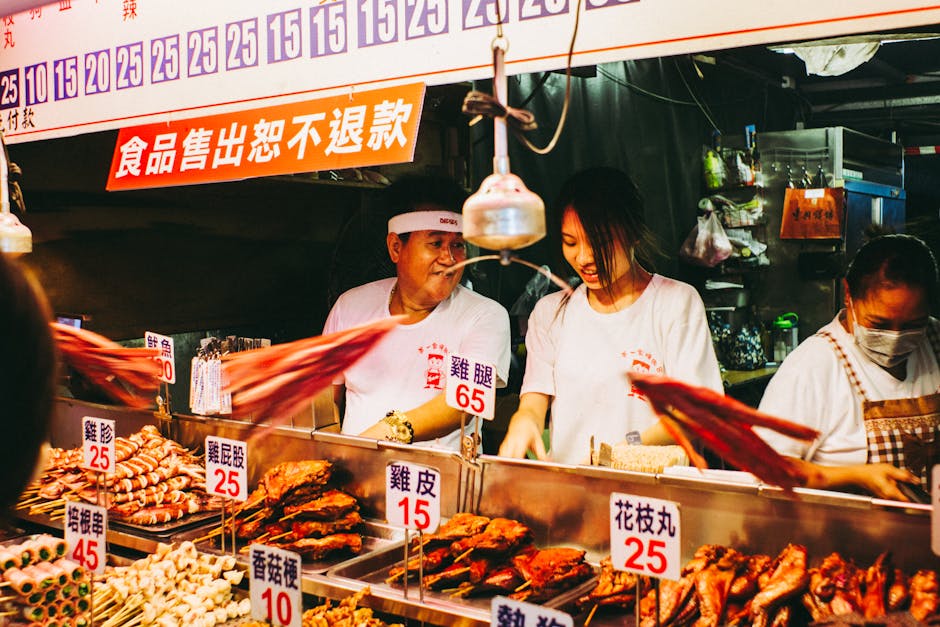
Marrakech’s Jemaa el-Fnaa square transforms at night into a food lover’s paradise. Sample grilled lamb skewers, harira soup, and fresh orange juice from communal stalls. Join a spice tour to learn how ras el hanout—a complex blend of up to 30 spices—is crafted.
Take a tagine-making class in a riad (traditional house). You’ll slow-cook meat with dried fruits and spices, then serve it with mint tea, a symbol of Moroccan hospitality. Be cautious with street food: choose busy stalls with high turnover.
Types of Culinary Travel Experiences
Cooking Classes and Workshops
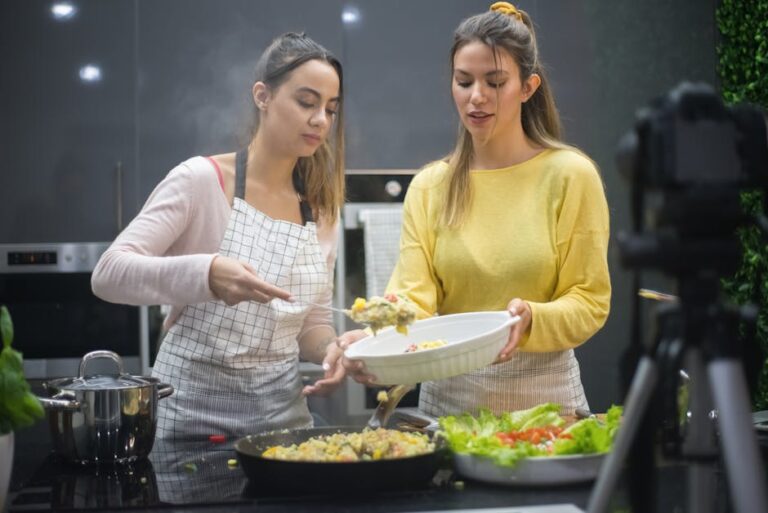
Hands-on cooking sessions are among the most popular culinary travel activities. These range from two-hour pasta-making in Rome to week-long immersion programs in Vietnam. Look for classes taught by local chefs or home cooks for authenticity.
Many include market tours, ingredient sourcing, and recipe handouts. Some even offer certificates upon completion—great for food bloggers or aspiring chefs. Always check reviews and confirm group size; smaller classes offer better interaction.
Food and Wine Tours
Guided food tours provide curated tastings across neighborhoods. In Barcelona, you might visit tapas bars in El Born; in Lisbon, sample pastéis de nata and port wine. Wine-focused tours often include vineyard visits and cellar tastings.
Choose tours that emphasize local producers and sustainable practices. Avoid large group tours that rush through stops. Opt for walking tours when possible—they allow time to chat with vendors and observe daily life.
Farm Stays and Agritourism
Staying on a working farm offers a behind-the-scenes look at food production. In Portugal’s Alentejo region, you might help harvest almonds and make almond milk. In Japan’s Niigata prefecture, stay on a rice farm and learn about sake brewing.
These stays often include meals prepared with hyper-local ingredients. They’re ideal for travelers seeking slow travel and cultural exchange. Confirm amenities in advance—some farms have limited Wi-Fi or shared bathrooms.
Festivals and Food Events
Timing your trip around a food festival can elevate your experience. The Pizzafest in Naples, the Oyster Festival in Galway, or the Cherry Blossom Festival in Kyoto all feature special menus and cooking demos.
Research dates and book accommodations early—these events draw crowds. Some festivals offer VIP passes with exclusive tastings or meet-and-greets with chefs. Check if tickets include food samples or require separate purchases.
How to Plan Your Culinary Adventure
Choose the Right Destination
Match your destination to your interests. Love seafood? Consider coastal Portugal or coastal Vietnam. Prefer vegetarian fare? Try India’s Kerala region or Israel’s Tel Aviv. Research seasonal availability—some ingredients, like truffles or wild mushrooms, are only available in certain months.
Use travel blogs, food magazines, and local tourism boards to identify must-try dishes and reputable experiences. Avoid overhyped spots that cater only to tourists.
Book Authentic Experiences
Prioritize locally owned businesses. A cooking class run by a grandmother in her kitchen often offers more authenticity than a commercial studio. Read recent reviews on platforms like TripAdvisor or Google, and look for mentions of personal interaction and cultural insight.
Contact hosts directly when possible. Many small operators don’t use large booking platforms. A quick email can confirm availability, dietary accommodations, and group size.
Pack and Prepare Wisely
Bring a reusable water bottle with a filter if tap water isn’t safe. Pack lightweight, breathable clothing for market walks and cooking sessions. Include a small notebook to jot down recipes and vendor names.
Inform yourself about local food customs. In Japan, it’s polite to say “itadakimasu” before eating. In Morocco, eat with your right hand. These small gestures show respect and enhance your experience.
Stay Safe and Healthy
Foodborne illness can ruin a trip. Stick to freshly cooked foods and avoid raw seafood or undercooked meat in high-risk areas. Use hand sanitizer before eating, especially after handling money or touching surfaces in markets.
Carry probiotics and over-the-counter remedies like loperamide. Consider travel insurance that covers medical evacuation. If you have food allergies, learn key phrases in the local language to communicate your needs.
Maximizing Your Experience
Engage with Locals
The best food tips often come from residents, not guidebooks. Ask your hotel concierge, taxi driver, or market vendor for their favorite hidden gem. Many locals are proud of their cuisine and happy to share recommendations.
Join community dining events or supper clubs where travelers and locals eat together. These gatherings foster connection and often feature home-cooked meals not found in restaurants.
Document and Reflect
Keep a food journal to record dishes, flavors, and stories. Note the name of the cook, the origin of ingredients, and how the meal made you feel. This reflection deepens your appreciation and helps you recreate dishes at home.
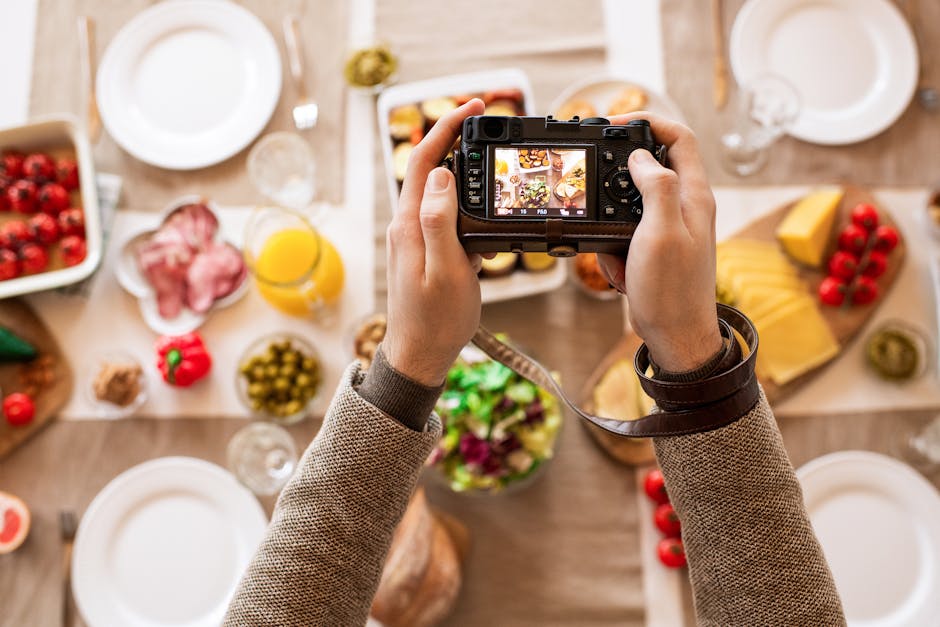
Photograph dishes and markets, but always ask permission before taking pictures of people. Share your experiences on social media with context—highlight local traditions, not just aesthetics.
Bring the Flavors Home
Buy regional ingredients to recreate meals at home. Look for shelf-stable items like spices, sauces, or dried pasta. In Mexico, bring back mole paste; in Italy, dried porcini mushrooms.
Support ethical souvenirs. Purchase directly from artisans or cooperatives. Avoid mass-produced items labeled “authentic” but made overseas. A handwoven spice bag from a Moroccan market holds more value than a factory-made replica.
Final Thoughts
The top culinary travel experiences for food enthusiasts blend education, adventure, and cultural exchange. They’re not about luxury dining alone, but about understanding where food comes from and who prepares it. Whether you’re kneading dough in a Roman kitchen or sipping tea in a Moroccan courtyard, these moments create stories that last long after the trip ends.
Plan with intention, stay curious, and embrace the unexpected. The best meals often happen off the itinerary—at a family dinner, a roadside stall, or a spontaneous market chat. Let flavor guide your journey.
FAQ
What should I pack for a culinary travel trip?
Bring comfortable walking shoes, a reusable water bottle with a filter, lightweight clothing, a small notebook, and any dietary supplements. Include a phrasebook or translation app to communicate food allergies or preferences.
How do I avoid foodborne illness while traveling?Stick to freshly cooked foods, avoid raw vegetables and unpeeled fruits in high-risk areas, drink bottled or filtered water, and use hand sanitizer before eating. Choose busy food stalls with high turnover.
Are cooking classes worth it for beginners?
Yes—many classes are designed for all skill levels and focus on technique, not perfection. They offer structured learning, cultural context, and the chance to take home new recipes. Look for small-group or private sessions for personalized attention.