
Best Food Travel Destinations Around the World to Visit
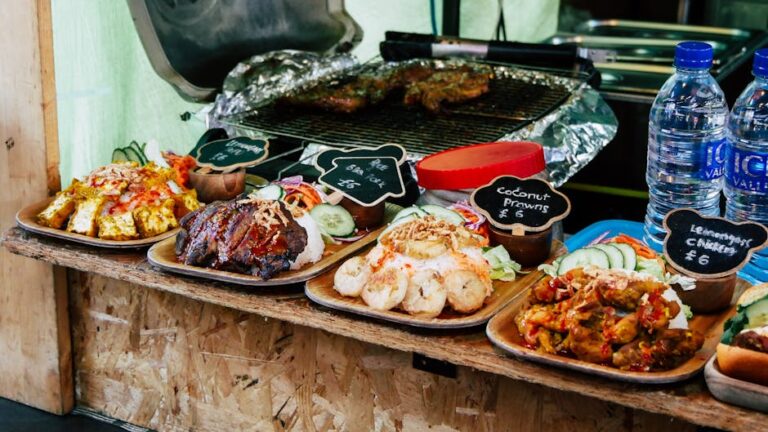
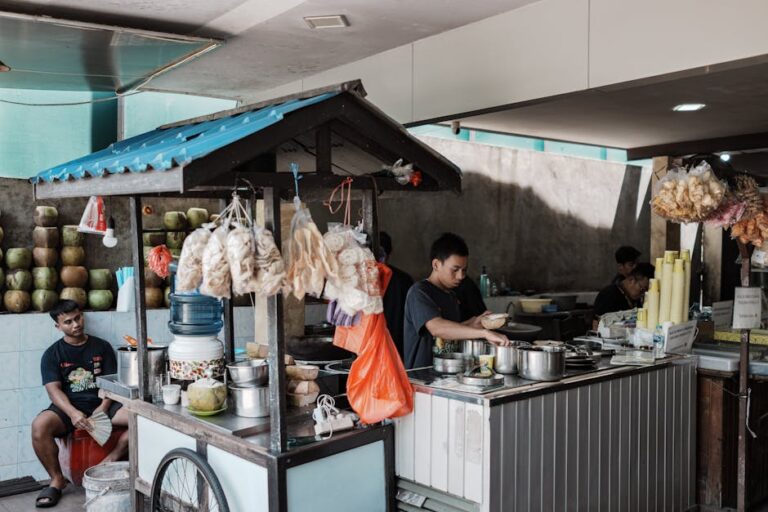
Food travel combines the joy of exploration with the pleasure of tasting authentic, local cuisine. Whether you’re drawn to street food in Bangkok, pasta in Rome, or seafood in Lisbon, the world offers countless destinations where food is central to culture and experience. This guide highlights the best food travel destinations around the world to visit, focusing on regions celebrated for their unique flavors, culinary traditions, and unforgettable dining experiences. From bustling markets to Michelin-starred restaurants, these places promise more than just a meal—they deliver a taste of place and people.
Why Food Travel Matters
Food is a universal language. It tells stories of history, geography, and community. When you travel, eating local dishes offers deeper insight into a destination than any guidebook can provide. Food travel allows you to connect with locals, support small businesses, and experience traditions passed down through generations.
Unlike generic tourist meals, authentic food experiences often happen in neighborhood eateries, family-run taverns, or open-air markets. These moments create lasting memories and foster cultural understanding. For travelers seeking meaningful adventures, food becomes both compass and companion.
Top Food Travel Destinations in Europe
Italy: The Heart of Mediterranean Cuisine
Italy remains one of the most iconic food travel destinations around the world to visit. Each region boasts distinct specialties—Neapolitan pizza, Roman carbonara, Tuscan ribollita, and Sicilian cannoli. The country’s emphasis on fresh, seasonal ingredients and time-honored techniques makes every meal an event.
In Bologna, known as the culinary capital of Italy, travelers can learn to make fresh pasta in local cooking classes. Meanwhile, the street food scene in Palermo offers arancini and panelle, perfect for on-the-go tasting. Don’t miss the wine regions of Piedmont and Tuscany, where vineyard tours pair perfectly with regional dishes.
Spain: Tapas, Seafood, and Regional Diversity
Spain’s food culture is as varied as its landscapes. From the pintxos bars of San Sebastián to the seafood paella of Valencia, the country offers a rich tapestry of flavors. The Basque Country is especially renowned for its innovative yet traditional approach to cuisine.
Barcelona’s Boqueria Market is a must-visit for food lovers, offering everything from Iberico ham to fresh fruit juices. In Andalusia, travelers can enjoy gazpacho and fried fish along the coast. Spain also excels in cured meats and cheeses, with jamón ibérico and manchego standing out as national treasures.
France: From Bistros to Haute Cuisine
France is synonymous with culinary excellence. Paris may draw crowds with its Michelin-starred restaurants, but the real magic often lies in provincial towns. Lyon, known as the gastronomic capital of France, offers bouchons—traditional eateries serving hearty dishes like quenelles and andouillette.
In Provence, markets overflow with olives, herbs, and sun-ripened tomatoes. The region’s cuisine emphasizes simplicity and quality. Meanwhile, the southwest is famous for duck confit and foie gras. French pastries, from croissants to éclairs, are best enjoyed fresh from a local boulangerie.
Asia’s Culinary Powerhouses
Thailand: A Symphony of Flavors
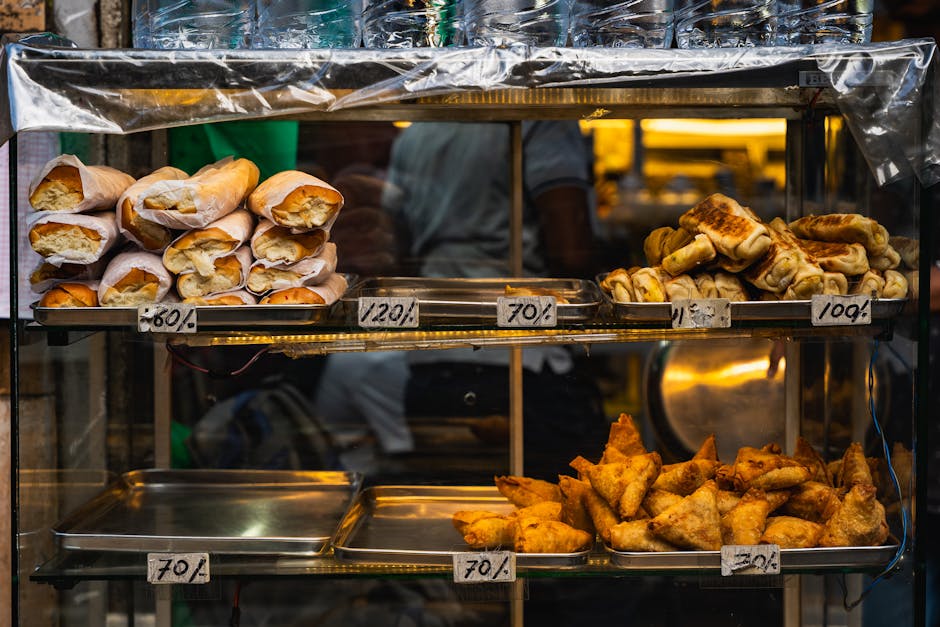
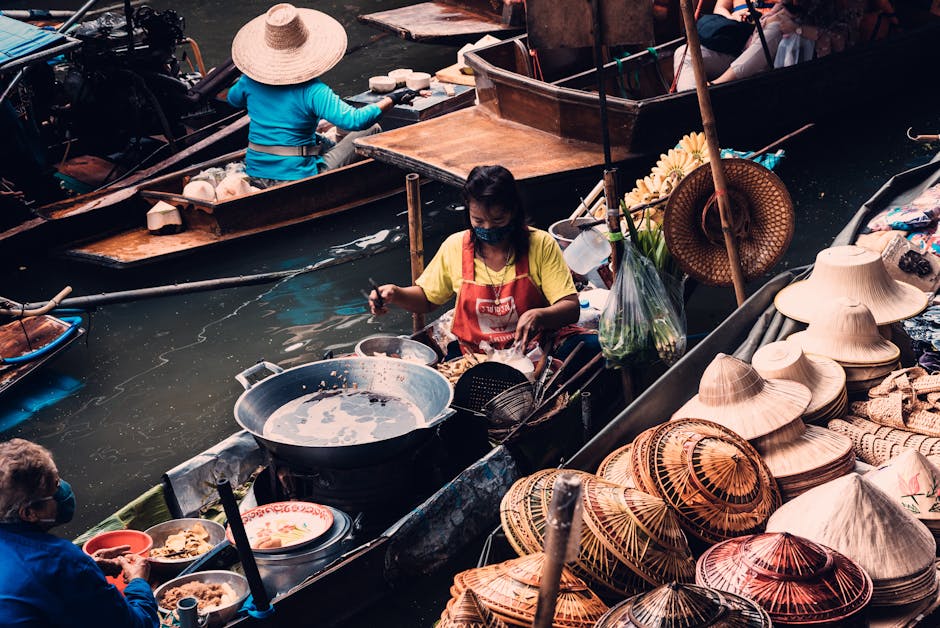
Thailand consistently ranks among the best food travel destinations due to its bold, balanced flavors. Street food is not just affordable—it’s exceptional. Dishes like pad Thai, tom yum goong, and green curry showcase the interplay of sweet, sour, salty, and spicy.
Bangkok’s night markets, such as Chatuchak and Yaowarat, are sensory overloads in the best way. Try mango sticky rice for dessert or sample grilled satay skewers. For a deeper dive, take a cooking class in Chiang Mai, where you’ll learn to balance spices and use fresh herbs like lemongrass and kaffir lime.
Warning: Some street food may be too spicy for sensitive palates. Start with milder options and gradually work your way up.
Japan: Precision and Tradition on a Plate
Japan offers a food culture rooted in precision, seasonality, and respect for ingredients. From sushi in Tokyo to ramen in Fukuoka, every region has its specialty. Kyoto is known for kaiseki, a multi-course meal that’s as much an art form as a dining experience.
Osaka’s Dotonbori district is a street food paradise, famous for takoyaki (octopus balls) and okonomiyaki (savory pancakes). Don’t miss the chance to visit a traditional izakaya, where small plates and sake create a convivial atmosphere. For the adventurous, fugu (pufferfish) is a delicacy best left to licensed chefs.
India: A Spice-Lover’s Dream
India’s cuisine varies dramatically by region, making it one of the most diverse food travel destinations. The north favors rich curries and tandoori dishes, while the south excels in dosas, idlis, and coconut-based stews. Street food in cities like Delhi and Mumbai is legendary.
In Delhi, try chole bhature or parathas at Paranthe Wali Gali. Kolkata offers sweets like rasgulla and mishti doi. For a unique experience, visit a thali restaurant, where a single plate presents a balanced meal with multiple small dishes. Be cautious with water and ice to avoid stomach issues.
Latin America’s Flavorful Hotspots
Mexico: Beyond Tacos and Guacamole
Mexican cuisine is far more than what’s found in most U.S. restaurants. Oaxaca is the heart of mole, with seven distinct varieties to sample. Mexico City’s street food scene includes tlacoyos, elotes, and churros filled with cajeta.
Puebla is known for chiles en nogada, a dish symbolizing the Mexican flag with its green, white, and red ingredients. Coastal regions like Veracruz and Baja California offer fresh seafood, including ceviche and fish tacos. Mezcal tours in Oaxaca provide insight into traditional distillation methods.
Peru: A Fusion of Cultures
Peru has emerged as a global food destination, blending indigenous, Spanish, African, and Asian influences. Lima is the epicenter, home to world-class restaurants like Central and Maido. But the real gems are often found in local markets and neighborhood eateries.
Ceviche is a national dish, best enjoyed with a cold beer at a seaside stall. Other must-tries include lomo saltado, anticuchos, and causa. In the Andes, try quinoa soup or alpaca meat. Don’t forget to sample pisco, Peru’s signature spirit, in a pisco sour.
North America’s Emerging Food Scenes
United States: Regional Specialties and Food Trucks
While the U.S. is often overlooked as a food travel destination, its regional cuisines are worth exploring. New Orleans offers gumbo, jambalaya, and beignets. Texas is famous for brisket and breakfast tacos. The Pacific Northwest excels in seafood, coffee, and farm-to-table dining.
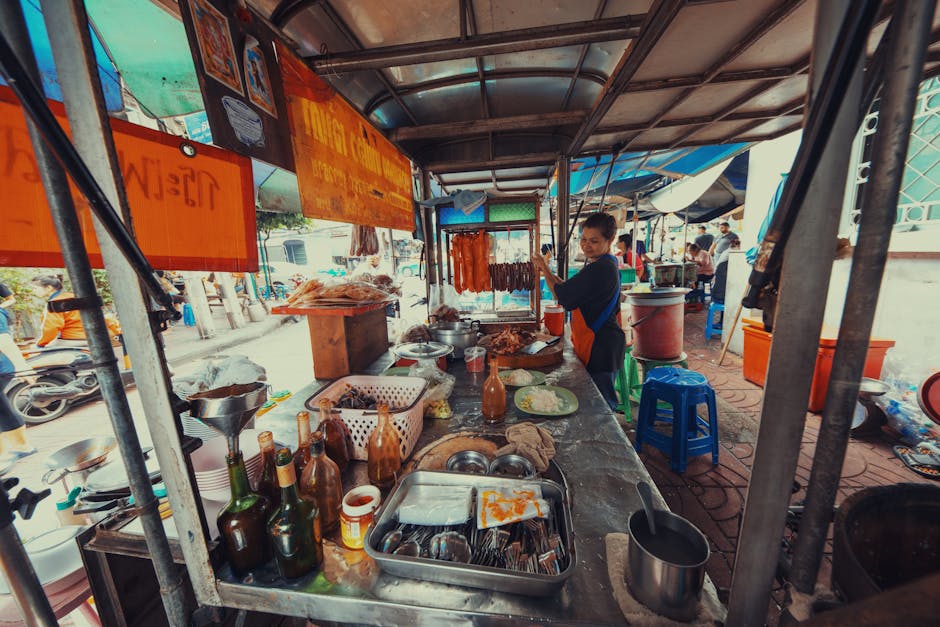
Food trucks have transformed urban food scenes, especially in cities like Portland, Austin, and Los Angeles. They offer creative, affordable meals from diverse cultures. Farmers markets, such as Seattle’s Pike Place, provide access to local produce and artisanal goods.
Canada: From Poutine to Indigenous Cuisine
Canada’s food culture is evolving, with growing recognition of Indigenous ingredients and techniques. Quebec is known for poutine, tourtière, and maple syrup. British Columbia offers fresh salmon and Pacific Rim cuisine.
In cities like Toronto and Vancouver, multiculturalism shines through food. You can find authentic dim sum, injera, or jerk chicken in a single neighborhood. Look for restaurants highlighting First Nations ingredients like bannock, wild game, and foraged plants.
Africa and the Middle East: Underrated Gems
Morocco: Spices, Tagines, and Mint Tea
Morocco offers a sensory-rich food experience. Tagines slow-cook meat and vegetables with spices like cumin, saffron, and cinnamon. Street food in Marrakech includes msemen, harira soup, and grilled meats at Jemaa el-Fnaa square.
Mint tea is a ritual, served sweet and poured from a height to create foam. Markets like Fes el-Bali are ideal for sampling dried fruits, nuts, and argan oil. For a unique stay, consider a riad with a private cooking class.
Ethiopia: Injera and Communal Dining
Ethiopian food is distinct for its use of injera, a spongy sourdough flatbread used to scoop up stews like doro wat and misir wat. Meals are often shared from a single platter, emphasizing community and connection.
Addis Ababa has a growing restaurant scene, blending traditional dishes with modern presentation. Coffee ceremonies are a cultural cornerstone, offering insight into Ethiopia’s role as the birthplace of coffee. Try tej, a honey wine, for a local tipple.
Turkey: A Crossroads of Flavors
Turkey’s cuisine reflects its position between Europe and Asia. Istanbul is a food lover’s dream, with street food like simit, balik ekmek (fish sandwiches), and döner kebab. The city’s Grand Bazaar offers spices, Turkish delight, and baklava.
Coastal regions like Izmir and Antalya feature fresh seafood and meze platters. In the east, dishes like kavurma and manti (Turkish dumplings) reflect Central Asian influences. Turkish coffee, served thick and strong, is a must-try.
Oceania: Fresh and Innovative
Australia: Fusion and Native Ingredients
Australian cuisine blends British traditions with Asian influences and native ingredients. Cities like Melbourne and Sydney are known for their café culture, brunch spots, and diverse immigrant food scenes.
Look for dishes featuring wattleseed, lemon myrtle, or kangaroo meat. Seafood is abundant, especially in coastal areas like Byron Bay and Fremantle. Don’t miss a classic meat pie or a flat white coffee.
New Zealand: Farm-to-Table Excellence
New Zealand emphasizes quality and sustainability. Lamb, venison, and seafood are staples. The country is also famous for its dairy products and wine, particularly Sauvignon Blanc from Marlborough.
Farmers markets in cities like Wellington and Christchurch offer artisanal cheeses, honey, and fresh produce. Maori hangi, a traditional method of cooking food in an earth oven, provides a unique cultural and culinary experience.
Tips for Food Travelers
Research local dishes before you go. Knowing what to try helps you make the most of your trip. Use apps like TripAdvisor or local food blogs to find highly rated eateries.
Eat where locals eat. Tourist-heavy spots often serve diluted versions of traditional food. Venture into residential neighborhoods for authentic experiences.
Be open-minded. Some dishes may look or sound unusual, but they’re often delicious. Try something new at least once a day.
Stay hydrated and practice food safety. Avoid raw vegetables washed in tap water in regions with questionable sanitation. Stick to bottled water when necessary.
Final Thoughts
The best food travel destinations around the world to visit offer more than just great meals—they provide cultural immersion, human connection, and lifelong memories. Whether you’re savoring a bowl of pho in Hanoi or a croissant in Paris, food has the power to transform a trip into a journey.
Start planning your next culinary adventure with curiosity and an open palate. The world is full of flavors waiting to be discovered.
FAQ
What should I pack for a food-focused trip?
Bring comfortable shoes for walking, a reusable water bottle, and a small notebook to record favorite dishes or recipes. A compact spice guide or translation app can also be helpful.
How do I avoid foodborne illness while traveling?
Eat at busy establishments with high turnover, avoid raw or undercooked meat, and drink bottled or boiled water. Probiotics and hand sanitizer can offer extra protection.
Are food tours worth it?
Yes, especially in cities with complex food scenes. Guided tours provide context, access to hidden spots, and safe sampling of street food. Look for small-group tours led by local experts.