
Best Family Travel Escapes for Festival Season Holidays
Planning a family getaway during the festival season doesn’t have to mean crowded airports and overpriced hotels. With thoughtful planning, you can find destinations that combine cultural celebrations, kid-friendly activities, and memorable experiences—without the stress. The best family travel escapes for festival season holidays balance excitement with comfort, offering something for every age group while keeping logistics manageable. Whether you’re drawn to lantern-lit streets in Asia, vibrant parades in Europe, or local harvest festivals in North America, there are plenty of options that cater to families seeking both fun and relaxation.
This guide highlights top destinations, timing tips, and practical advice to help you choose the ideal festive trip. We’ll cover locations with strong safety records, accessible accommodations, and inclusive events that welcome children. You’ll also find strategies for booking early, packing smart, and avoiding common travel pitfalls during peak holiday periods. By focusing on destinations where festivals enhance—not overwhelm—the travel experience, you can create lasting memories without sacrificing comfort or convenience.
Why Festival Season Travel Works for Families
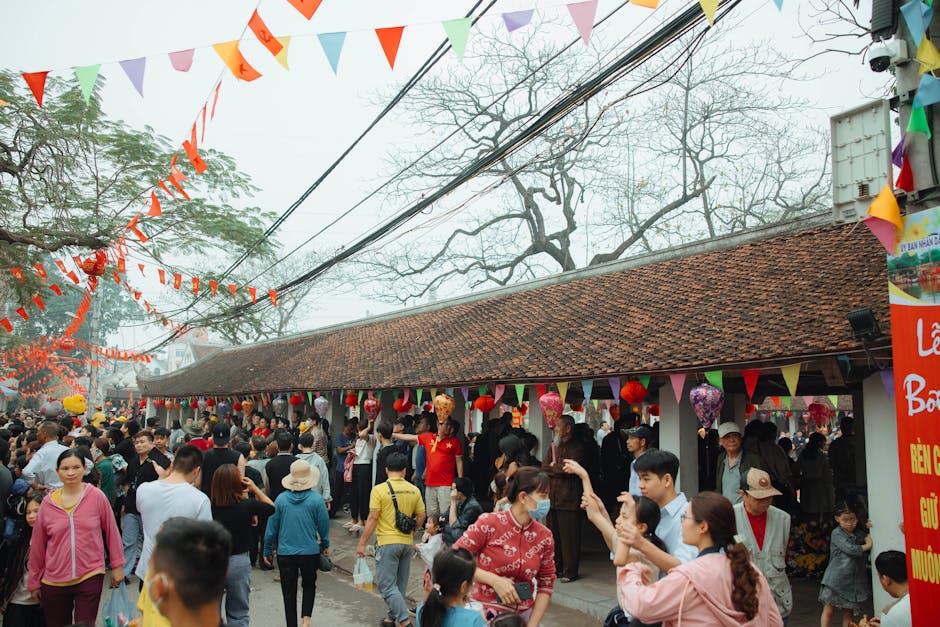
Festival seasons often bring communities together in joyful, inclusive ways. For families, this means access to unique cultural experiences that are rarely available at other times of year. From Diwali in India to Oktoberfest in Germany, these events offer storytelling, music, food, and traditions that engage both kids and adults.
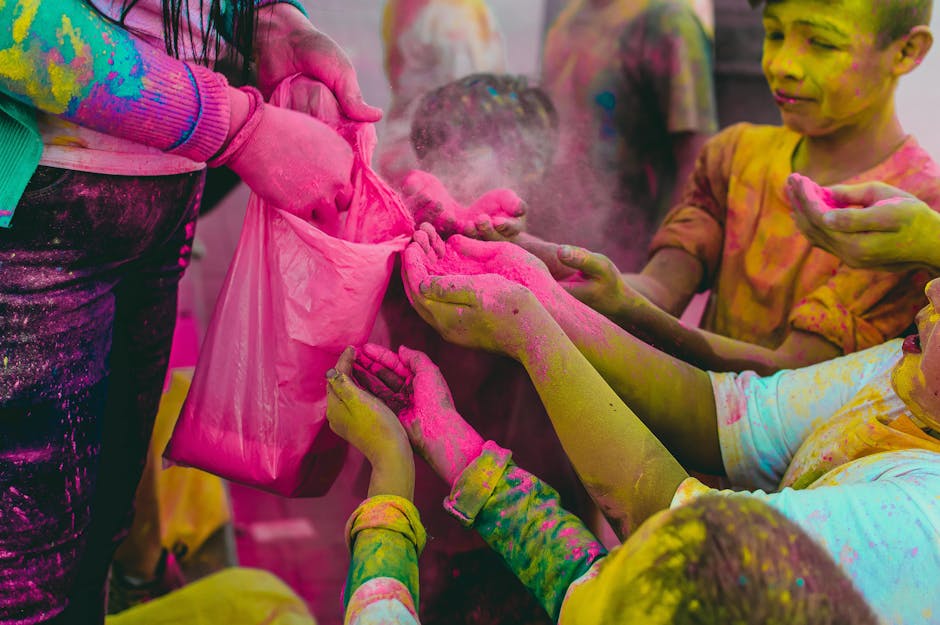
Unlike typical tourist attractions, festivals provide immersive environments where children can participate rather than just observe. Many include interactive workshops, costume contests, or craft stations designed with young visitors in mind. These hands-on elements foster curiosity and connection, making the trip more meaningful than a standard vacation.
Additionally, traveling during off-peak festival dates—just before or after the main event—can reduce crowds and costs while still offering access to celebrations. This approach allows families to enjoy the spirit of the season without the logistical headaches of peak-day travel.
Top Destinations for Family-Friendly Festival Travel
1. Kyoto, Japan – During Gion Matsuri (July)
Kyoto’s Gion Matsuri is one of Japan’s most famous festivals, dating back over 1,000 years. Held throughout July, it features elaborate floats, traditional music, and neighborhood processions. The highlight is the Yamaboko Junko parade on July 17 and 24, where towering floats roll through central streets.
Families appreciate Kyoto’s efficient public transit, clean sidewalks, and abundance of ryokans (traditional inns) that welcome children. Many temples and gardens remain open during the festival, offering quiet retreats between events. Local vendors sell kid-friendly snacks like taiyaki (fish-shaped cakes) and matcha ice cream.
Tip: Book accommodations six months in advance. July is humid, so pack lightweight clothing and stay hydrated. Avoid the main parade day if your children are sensitive to noise or crowds—opt for smaller neighborhood events instead.
2. Munich, Germany – Oktoberfest (Late September to Early October)
Oktoberfest is often misunderstood as a rowdy beer festival, but it’s also a family-oriented celebration with rides, games, and traditional Bavarian music. The first two weekends are especially welcoming to children, with designated family zones and shorter lines.
Many tents offer non-alcoholic drinks and hearty meals like pretzels, sausages, and apple strudel. Kids can enjoy carnival rides, puppet shows, and folk dancing. Munich itself is safe, walkable, and full of green spaces like the English Garden for downtime.
Warning: Avoid the larger beer halls if you have young children—they can get loud and crowded. Instead, visit smaller tents like Weinzelt or Hippodrom, which are more relaxed and stroller-friendly.
3. Chiang Mai, Thailand – Yi Peng Lantern Festival (November)
Chiang Mai transforms during Yi Peng, when thousands of lanterns are released into the night sky. The event symbolizes letting go of negativity and is deeply spiritual yet accessible to visitors of all ages. Families can join lantern-making workshops or watch cultural performances at temple grounds.
The city is compact and easy to navigate, with affordable guesthouses and street food that appeals to kids. Nearby nature spots like Doi Suthep offer hiking and panoramic views. November is also the start of Thailand’s cool season, making outdoor activities comfortable.
Note: Lantern releases are regulated for safety. Attend official events rather than releasing lanterns independently. Bring a light jacket—nights can be chilly in the mountains.
4. New Orleans, USA – Mardi Gras (February or March, depending on Easter)
Mardi Gras in New Orleans is famous for its parades, masks, and music—but it’s not all Bourbon Street chaos. Family-friendly celebrations happen in neighborhoods like Uptown and Metairie, where kids can catch beads, ride floats, and enjoy king cake.
Many hotels offer Mardi Gras packages with early access to parade routes and kid-safe viewing areas. The city’s streetcar system makes it easy to move between events. Pre-festival weeks often have smaller, local parades that are less overwhelming for young children.
Caution: Avoid the French Quarter during peak Fat Tuesday crowds if traveling with toddlers. Stick to daytime events and use stroller covers to protect against thrown trinkets.
5. Jaipur, India – Diwali Celebrations (October or November)
Diwali, the Festival of Lights, turns Jaipur into a glowing wonderland. Homes, markets, and palaces are decorated with oil lamps, rangoli patterns, and electric lights. Families can visit the City Palace, shop for handmade crafts, or enjoy fireworks from safe public spaces.
Many hotels host Diwali-themed dinners with traditional sweets and storytelling. The weather is pleasant in autumn, and the city’s pink-hued architecture adds to the festive atmosphere. Local guides often offer family tours that explain the cultural significance of rituals.
Reminder: Air quality can decline during Diwali due to fireworks. Check pollution levels and consider masks for children with respiratory sensitivities. Book transport in advance—taxis fill up quickly on festival nights.
How to Plan Your Festival Season Family Trip
Step 1: Choose the Right Timing
Not all festival days are created equal. Research the event schedule to identify quieter days or pre-festival activities. For example, the week before Diwali often includes community clean-ups and craft fairs that are less crowded than the main night of lights.
Traveling a few days early or staying a few days late can also reduce costs and stress. Airlines and hotels often charge premium rates on exact festival dates, but prices drop significantly just outside peak windows.
Use tools like Google Calendar or festival websites to map out key dates. Sign up for local tourism newsletters to get real-time updates on schedule changes or weather-related adjustments.
Step 2: Book Accommodations with Family Needs in Mind
Look for lodging that offers kitchenettes, laundry facilities, and proximity to public transit. Vacation rentals or family-run guesthouses often provide more space and flexibility than standard hotel rooms.
Check reviews specifically mentioning families with children. Phrases like “stroller-friendly,” “quiet after 9 p.m.,” or “high chair available” can signal a welcoming environment. In cities like Kyoto or Munich, consider staying slightly outside the festival zone for better sleep and lower prices.
Always confirm cancellation policies. Festival dates can shift due to weather or local decisions, and you don’t want to lose money on non-refundable bookings.
Step 3: Pack Smart for Crowds and Weather
Festival travel means navigating packed streets, standing for long periods, and unpredictable weather. Pack lightweight, quick-dry clothing in layers. Comfortable walking shoes are non-negotiable—blisters can ruin an otherwise perfect day.
Bring portable chargers, reusable water bottles, and small backpacks for each child. Include noise-canceling headphones for sensitive kids and a first-aid kit with bandages, antiseptic wipes, and motion sickness medication.
Don’t forget cultural essentials: modest clothing for temple visits, cash for street vendors (many don’t accept cards), and a printed copy of your itinerary in case phones lose signal.
Step 4: Prioritize Safety and Comfort
Establish meeting points in case your group gets separated. Teach children to identify uniformed staff or police officers. In crowded festivals like Mardi Gras or Diwali, use bright-colored clothing or matching hats to make your family easier to spot.
Stay hydrated and take breaks in shaded or indoor areas. Many festivals offer family rest zones—look for signs or ask local volunteers. Avoid over-scheduling; one major event per day is plenty for young children.
Download offline maps and translation apps if traveling internationally. Save emergency numbers and your country’s embassy contact info in your phone.
Common Mistakes to Avoid
One of the biggest errors families make is underestimating crowd sizes. Even “family-friendly” festivals can become overwhelming during peak hours. Always have a backup plan—nearby parks, museums, or quiet cafes—where you can retreat if needed.
Another pitfall is ignoring local customs. What seems like harmless behavior to you might be disrespectful in another culture. For example, touching festival floats in Japan or photographing people without permission in India can cause offense. Do a quick cultural briefing before you go.
Lastly, don’t assume all festival food is kid-approved. While many dishes are delicious, some may be too spicy, unfamiliar, or served in unhygienic conditions. Stick to busy stalls with high turnover and look for options like grilled meats, fresh fruit, or steamed dumplings.
Making the Most of Your Festival Experience
Engage your children before the trip by sharing stories, music, or recipes related to the festival. This builds excitement and helps them understand what they’ll see. In Chiang Mai, for instance, you could make paper lanterns at home before releasing them during Yi Peng.
Involve kids in simple decisions: choosing which parade to attend, picking a traditional outfit, or selecting a local snack to try. Giving them small responsibilities increases investment and reduces meltdowns.
Capture memories beyond photos. Keep a travel journal, collect ticket stubs, or record short voice notes about daily highlights. These mementos become cherished keepsakes long after the trip ends.
Most importantly, stay flexible. Delays, weather changes, and unexpected closures happen—especially during festivals. A calm response sets the tone for the whole family. Focus on connection, not perfection.
Final Thoughts
The best family travel escapes for festival season holidays aren’t about extravagance—they’re about shared moments, cultural discovery, and joy. With the right destination, timing, and preparation, you can turn a seasonal celebration into an unforgettable family adventure.
Whether you’re releasing lanterns under a starry sky in Thailand or dancing to brass bands in Munich, these experiences foster bonding and broaden perspectives. Start planning early, stay informed, and embrace the spirit of the season with openness and curiosity.
FAQ
Q: Are festival destinations safe for young children?
A: Yes, many festival cities prioritize safety and offer family-friendly zones. Research your destination, avoid overcrowded areas, and stay with your group at all times.
Q: How far in advance should I book a festival trip?
A: Aim to book flights and accommodations at least 4–6 months ahead, especially for major festivals like Diwali or Oktoberfest. Popular dates fill up quickly.
Q: Can I enjoy a festival if my kids don’t speak the local language?
A: Absolutely. Visual storytelling, music, food, and gestures transcend language barriers. Many festivals include English-speaking guides or multilingual signage for tourists.