Top Family Travel Escapes for Scenic Nature Weekends
Planning a weekend getaway that combines quality family time with breathtaking natural scenery doesn’t require a long flight or a hefty budget. Some of the most memorable family adventures happen just a few hours from home—amid forests, lakes, mountains, and coastlines. Whether you’re looking for hiking trails, wildlife spotting, or simply a quiet cabin surrounded by trees, these top family travel escapes offer the perfect blend of relaxation and outdoor exploration. With thoughtful planning, even a short trip can feel like a true reset from daily routines.
Why Scenic Nature Weekends Work for Families
Nature-based weekend trips provide more than just pretty views—they support mental well-being, encourage physical activity, and create shared experiences that strengthen family bonds. Studies consistently show that time in natural environments reduces stress and improves mood in both children and adults. Unlike theme parks or crowded resorts, scenic escapes often offer space to breathe, explore at your own pace, and disconnect from screens.
These trips are also highly flexible. You can choose between rustic camping, cozy cabins, or full-service lodges depending on your family’s comfort level. Many destinations offer activities for all ages, from easy nature walks to kayaking and wildlife observation. The key is matching the destination to your family’s interests and energy levels.
Choosing the Right Destination
Start by considering travel time. For a true weekend escape, aim for locations within a 2–4 hour drive. This minimizes transit fatigue and maximizes time spent enjoying the destination. Look for areas with a mix of accessible trails, safe water access, and family-friendly amenities like restrooms, picnic areas, and visitor centers.
Check seasonal conditions before booking. Spring brings wildflowers and flowing waterfalls, while fall offers vibrant foliage and cooler temperatures. Summer is ideal for swimming and boating, but also the busiest season. Winter escapes can include snowshoeing or simply cozying up by a fireplace with mountain views.
Packing Smart for the Outdoors
Even short trips require preparation. Pack layers for changing weather, sturdy footwear, and sun protection. Bring reusable water bottles, snacks, and a basic first-aid kit. If you’re hiking, include a map or download offline trails—cell service can be spotty in remote areas.
For families with young children, consider a lightweight stroller or carrier for rough terrain. Don’t forget binoculars, a field guide, or a nature scavenger hunt list to keep kids engaged. A compact camera or smartphone with a good zoom can help capture moments without weighing down your pack.
Top Family-Friendly Nature Destinations in the U.S.
The United States offers an abundance of scenic weekend destinations perfect for families. From national parks to state forests and coastal reserves, these locations provide diverse landscapes and well-maintained facilities. Below are five standout options that balance accessibility, beauty, and family appeal.
Great Smoky Mountains National Park, Tennessee/North Carolina
As the most visited national park in the U.S., the Great Smoky Mountains deliver on both scenery and convenience. The park straddles the Tennessee-North Carolina border and features over 800 miles of trails, cascading waterfalls, and abundant wildlife. Cades Cove is a favorite for families, offering a scenic loop road ideal for biking, wildlife viewing, and historic cabin tours.
Accommodations range from campgrounds to cabins in nearby Gatlinburg and Pigeon Forge. The park is open year-round, with spring wildflowers and fall colors drawing the largest crowds. Visit midweek in shoulder seasons for fewer visitors and lower rates.
Lake Tahoe, California/Nevada
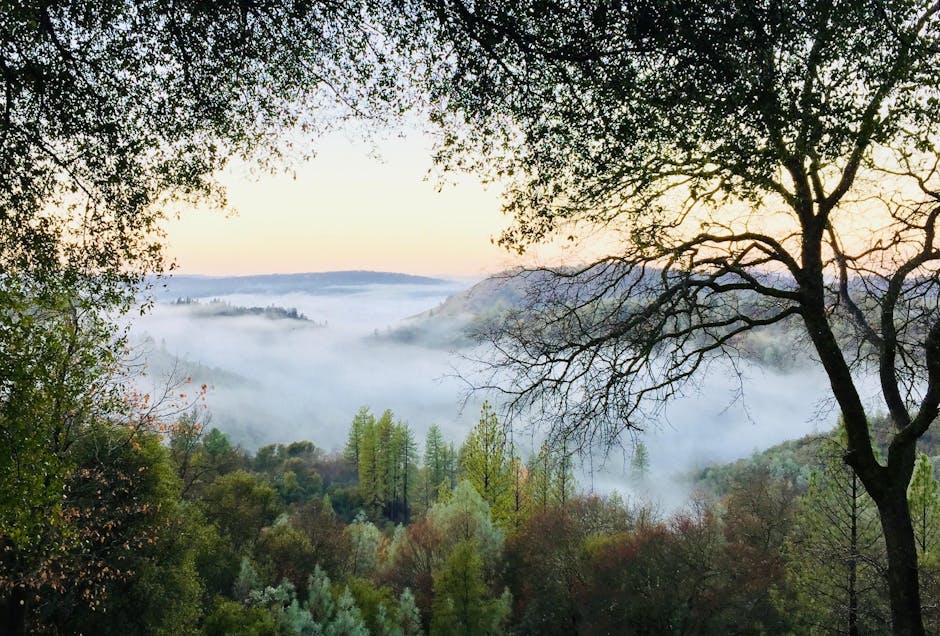
Straddling the California-Nevada border, Lake Tahoe is renowned for its crystal-clear waters and surrounding Sierra Nevada peaks. Families can enjoy swimming, paddleboarding, or kayaking in summer, while winter brings skiing and snowshoeing. The lake’s shoreline offers numerous picnic areas and easy walking paths.
South Lake Tahoe has the most amenities, including family lodges and beach access. For a quieter experience, head to the north shore. Emerald Bay State Park is a must-see, with a short hike down to Vikingsholm Castle and stunning photo opportunities.
Shenandoah National Park, Virginia
Just 75 miles from Washington, D.C., Shenandoah National Park offers a peaceful retreat with panoramic views along the Blue Ridge Mountains. The 105-mile Skyline Drive runs the length of the park, with over 70 overlooks perfect for sunrise or sunset. Hiking trails range from easy walks to moderate climbs, with frequent deer and bird sightings.
Big Meadows and Loft Mountain are popular campgrounds with restrooms and fire rings. The park also offers ranger-led programs for kids, including nature walks and stargazing events. Fall is especially beautiful, with foliage peaking in mid-to-late October.
Door County, Wisconsin
Known as the “Cape Cod of the Midwest,” Door County sits on a peninsula between Lake Michigan and Green Bay. Its charming small towns, cherry orchards, and limestone cliffs make it a favorite for families seeking a mix of nature and culture. Peninsula State Park offers hiking, biking, and beach access, plus a historic lighthouse.
Ferry rides to Washington Island add adventure, while local farms welcome visitors for u-pick fruit and ice cream. Summer is peak season, but September offers pleasant weather and fewer crowds. Many cabins and B&Bs provide kitchens, making meal planning easy.
Big Sur, California
For families who love coastal scenery, Big Sur delivers dramatic cliffs, redwood groves, and ocean vistas. While remote, it’s accessible via Highway 1, with several family-friendly stops along the way. Julia Pfeiffer Burns State Park features an 80-foot waterfall that drops directly into the Pacific—accessible via a short, stroller-friendly trail.
Andrew Molera State Park offers beach access and river walks, ideal for younger children. Lodging includes campgrounds and eco-lodges, though reservations fill quickly. Pack layers, as fog and wind are common even in summer.
Planning Your Scenic Nature Weekend
A successful family nature trip starts with realistic expectations. Don’t try to cram in too many activities—focus on a few key experiences that allow time to relax and explore. Create a loose itinerary with built-in flexibility for weather or spontaneous discoveries.
Booking Accommodations Early
Popular nature destinations fill up quickly, especially during peak seasons. Reserve lodging or campsites at least 2–3 months in advance. National park lodges and state park cabins often open bookings six months ahead. Consider alternatives like vacation rentals or nearby towns if on-site options are full.
Read recent reviews to assess cleanliness, noise levels, and proximity to trails or water. For families with infants or toddlers, verify availability of cribs, high chairs, or laundry facilities.
Preparing Kids for the Outdoors
Talk to children about what to expect—weather, wildlife, and trail etiquette. Practice walking with backpacks at home and teach basic safety rules, like staying on marked paths and not touching unfamiliar plants. Bring comfort items like a favorite toy or blanket for downtime.
Involve kids in trip planning. Let them choose a trail, pick a snack, or help pack the cooler. This builds excitement and a sense of ownership. Consider a small reward, like a nature-themed book or sticker chart, for completing hikes or spotting animals.
Staying Safe in Natural Settings
Safety should always come first. Check weather forecasts and trail conditions before heading out. Let someone know your plans, especially if venturing into remote areas. Carry a whistle, flashlight, and extra food and water.
Be aware of local hazards such as ticks, poison ivy, or fast-moving water. Teach children to stay close and listen for instructions. In bear country, store food properly and make noise while hiking. Always carry a physical map, even if using GPS.
Making the Most of Your Time in Nature
The goal of a scenic nature weekend isn’t to check off every trail or landmark—it’s to slow down and connect. Encourage unstructured time for exploration, whether that’s skipping stones, identifying birds, or simply sitting quietly by a stream.
Engaging All Ages
Choose activities that cater to different interests and abilities. A short nature walk can be just as rewarding as a long hike if it includes interactive elements like a scavenger hunt or wildlife journal. Bring sketchpads, magnifying glasses, or a simple camera for kids to document their discoveries.
Rotate activity leadership among family members. Let a child pick the next trail or decide where to stop for lunch. This fosters decision-making and keeps everyone invested in the experience.
Disconnecting to Reconnect
One of the biggest benefits of a nature weekend is the chance to unplug. Designate tech-free times, such as during meals or evening campfires. Use the opportunity to play board games, tell stories, or stargaze. Many kids find the absence of screens refreshing and are more engaged in conversation and play.
If you must use devices, limit them to navigation or photography. Avoid scrolling through social media—this defeats the purpose of being present in nature.
Sustainable Family Travel Practices
Respecting the environment ensures these destinations remain beautiful for future families. Follow Leave No Trace principles: pack out all trash, stay on trails, and avoid disturbing wildlife. Use reusable containers and avoid single-use plastics.
Support local economies by eating at family-owned restaurants, buying souvenirs from regional artisans, and choosing eco-certified accommodations. Teach children about conservation through simple actions, like picking up litter or learning about native plants.
Teaching Environmental Stewardship
Use your trip as a teaching moment. Explain how ecosystems work, why clean water matters, or how animals adapt to their habitats. Visit a visitor center or attend a ranger talk to deepen understanding. Many parks offer junior ranger programs that award badges upon completion.
Encourage kids to ask questions and observe details—like how moss grows on one side of a tree or how birds build nests. These small observations foster curiosity and respect for the natural world.
Final Thoughts on Family Nature Getaways
The best family travel escapes for scenic nature weekends aren’t about luxury or distance—they’re about presence, connection, and discovery. Whether you’re watching a sunrise over a mountain ridge or building a fort in the woods, these moments become lasting memories. With thoughtful planning and a spirit of adventure, even a short trip can feel transformative.
Start small. Pick a destination within driving distance, pack the essentials, and embrace the unexpected. Nature has a way of surprising us—whether it’s a deer crossing your path or a hidden waterfall just off the trail. Let these experiences shape your family’s story.
FAQ
How far in advance should I book a family nature weekend?
It’s best to book accommodations 2–3 months ahead, especially for popular parks and peak seasons. National and state park lodges often open reservations six months in advance.
What should I pack for a family hike?
Bring water, snacks, sunscreen, insect repellent, a first-aid kit, layers for weather changes, and a map. For young kids, consider a carrier or stroller suitable for trails.
Are these destinations safe for young children?
Yes, all recommended locations offer family-friendly trails and facilities. Always supervise children near water, cliffs, or wildlife, and choose activities matched to their age and ability.