Best Travel Tips for Traveling with Family Stress Free
Traveling with family should be a joy, not a source of stress. With thoughtful planning and smart strategies, you can create smooth, enjoyable trips that everyone remembers fondly. The best travel tips for traveling with family stress free focus on preparation, flexibility, and setting realistic expectations. Whether you’re heading to a beach resort, a national park, or a bustling city, these proven methods help reduce chaos and maximize fun.
This guide covers everything from packing essentials to managing kids’ moods mid-flight. You’ll find practical steps, real-life examples, and clear warnings to avoid common pitfalls. By the end, you’ll have a reliable roadmap for family adventures that feel more like vacations and less like logistical nightmares.
Plan Ahead, But Stay Flexible
Solid planning is the foundation of a stress-free family trip. Start by choosing destinations that match your family’s energy level and interests. A quiet mountain cabin might suit one family, while another thrives in a lively urban setting. Research activities, dining options, and local transportation in advance.
Book accommodations early, especially if you need adjoining rooms or cribs. Look for family-friendly hotels with kitchens or kitchenettes—this saves money and reduces mealtime stress. Use trusted travel sites to compare amenities and read recent guest reviews.
Create a Family Itinerary—Not a Rigid Schedule
Outline a loose daily plan with 2–3 main activities, but leave room for spontaneity. Over-scheduling leads to burnout, especially with young children. For example, plan a morning museum visit, then allow time for a park stop or ice cream break.
Share the itinerary with all adults in the group. This prevents miscommunication and ensures someone always knows the next step. Use a shared digital calendar or a simple printed sheet.
Involve Kids in the Planning Process
Let children help pick one or two activities. A teen might choose a hiking trail; a younger child could pick a zoo or aquarium. This builds excitement and gives them a sense of control.
Use maps or travel apps to show kids where you’re going. Visual tools help them understand the journey and reduce anxiety about the unknown.
Pack Smart: Less Is More
Overpacking is a top cause of travel stress. Stick to versatile clothing in neutral colors that can be mixed and matched. Roll clothes instead of folding to save space and reduce wrinkles.
Use packing cubes to organize by person or category. This makes unpacking faster and helps locate items without rummaging through bags.
Essential Items to Pack for Every Family Trip
- Travel documents: Passports, IDs, boarding passes, and printed confirmations.
- Medications: Prescriptions, pain relievers, allergy meds, and a basic first-aid kit.
- Snacks: Non-perishable, kid-friendly options like granola bars, fruit pouches, and crackers.
- Entertainment: Tablets with downloaded shows, coloring books, small toys, and headphones.
- Comfort items: Favorite blankets, stuffed animals, or sleep masks for younger kids.
Pack a separate carry-on with essentials in case checked bags are delayed. Include a change of clothes, toiletries, and any critical medications.
Use Checklists to Avoid Last-Minute Panic
Create a master packing list tailored to your destination and trip length. Update it after each trip to improve future packing. Share the list with all family members so everyone knows what to bring.
Start packing 3–5 days in advance. This reduces stress and gives time to address missing items or unexpected needs.
Master Transportation: Flights, Car Rides, and More
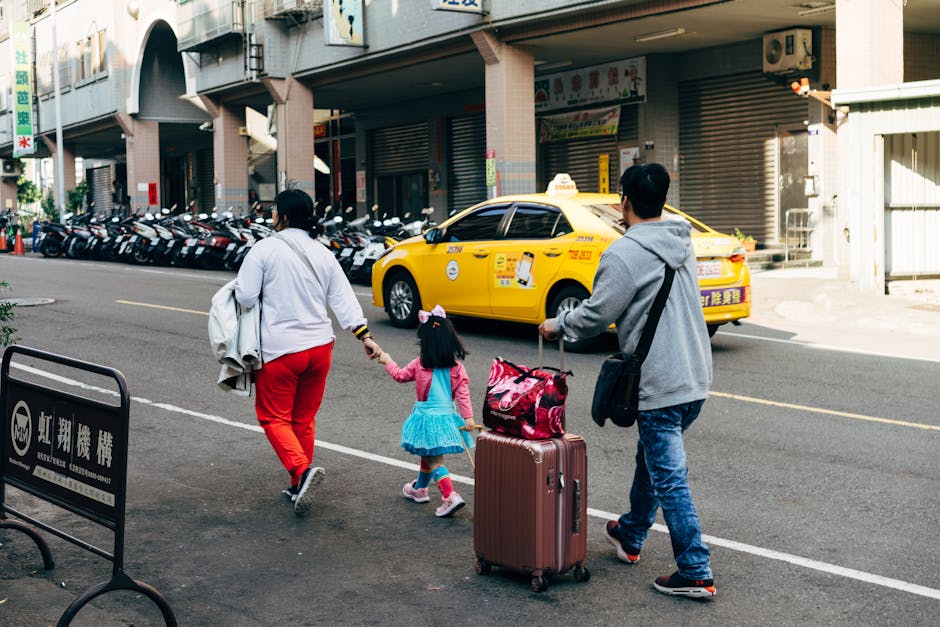
How you travel sets the tone for the entire trip. Each mode of transport requires different strategies to keep kids calm and parents sane.
Flying with Kids: Timing and Preparation
Book flights during nap times or early mornings when kids are naturally drowsy. Avoid red-eyes unless your children sleep well on planes. Choose direct flights when possible to minimize layover stress.
Arrive at the airport with plenty of time—aim for 2 hours domestic, 3 hours international. Use family lanes at security if available. Bring snacks and activities to keep kids occupied while waiting.
Car Travel: Breaks and Entertainment
For road trips, plan stops every 2–3 hours. Use rest areas with playgrounds or open spaces where kids can run. Pack a cooler with drinks and healthy snacks to avoid constant fast-food stops.
Rotate entertainment options: audiobooks, music playlists, car games like “I Spy,” or tablet time. Avoid screen overload—balance digital fun with conversation and observation.
Public Transit Tips for Families
In cities, use stroller-friendly transit options. Research routes in advance and download offline maps. Keep small bills or transit cards easily accessible. Teach older kids basic navigation skills to build confidence.
Always have a backup plan in case of delays or cancellations. Know the location of nearby restrooms, cafes, and safe waiting areas.
Manage Meals and Snacks Strategically
Hunger is a major trigger for meltdowns. Plan meals and snacks to avoid long gaps between eating. Research family-friendly restaurants at your destination, especially those with high chairs, kids’ menus, and quick service.
Pack snacks in individual portions to avoid sharing disputes. Choose options that are filling but not messy—think cheese sticks, trail mix, or apple slices.
Handle Picky Eaters with Care
Bring a few familiar foods from home, especially for young children. A favorite cereal or crackers can be a lifesaver in unfamiliar settings. Don’t force new foods during travel—save culinary exploration for calmer moments.
At restaurants, order kids’ meals early or ask for plain options like grilled chicken or pasta. Many places will accommodate simple requests if asked politely.
Stay Hydrated, Especially in Heat or Altitude
Dehydration causes fatigue and irritability. Carry reusable water bottles and refill them regularly. In hot climates, add electrolyte packets to water for extra protection.
Limit sugary drinks and caffeine, which can lead to energy crashes. Offer water frequently, even if kids don’t ask for it.
Keep Kids Engaged and Calm
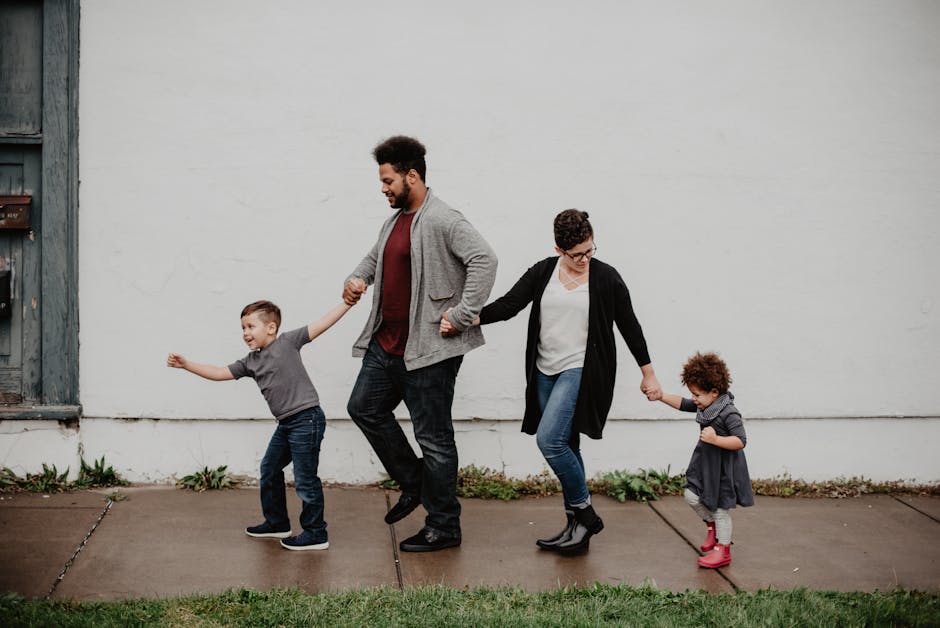
Boredom leads to restlessness, which leads to stress. Keep children occupied with a mix of activities that match their age and energy level.
Age-Appropriate Entertainment Ideas
- Ages 2–5: Sticker books, crayons, small puzzles, and sensory toys.
- Ages 6–10: Travel-sized board games, scavenger hunts, and audio stories.
- Ages 11+: Podcasts, sketching, journaling, or learning basic phrases in the local language.
Rotate activities every 30–60 minutes to maintain interest. Avoid relying solely on screens—balance is key.
Use Downtime Wisely
Build in quiet time each day, especially after long travel or busy outings. This could be reading in the hotel room, a nap, or a calm walk. Downtime helps reset emotions and prevents overload.
Respect different sleep needs. Some kids nap; others need earlier bedtimes. Adjust schedules to match your family’s rhythm.
Prepare for the Unexpected
Even the best-laid plans can go awry. Illness, weather delays, or lost items happen. Being prepared reduces panic and helps you respond calmly.
Travel Insurance: Is It Worth It?
Consider travel insurance for trips involving non-refundable bookings or international travel. Look for policies that cover trip cancellations, medical emergencies, and lost luggage. Read the fine print to understand exclusions.
For domestic trips, check if your credit card or health insurance offers any travel protections.
Have a Backup Communication Plan
Ensure all adults have a way to communicate if separated. Share hotel addresses, local emergency numbers, and meeting points. Teach older kids how to ask for help in the local language.
Carry physical copies of important documents in case phones die or get lost.
Know Basic First Aid
Pack a small first-aid kit with bandages, antiseptic wipes, tweezers, and fever reducers. Know how to treat minor cuts, burns, or insect bites. For serious issues, locate the nearest clinic or hospital before you need it.
Keep a list of allergies and medical conditions for each family member, stored in your phone and printed.
Choose Family-Friendly Accommodations
Where you stay can make or break a trip. Prioritize safety, convenience, and comfort. Look for hotels or rentals with separate sleeping areas, laundry facilities, and kitchen access.

Read recent reviews from other families. Pay attention to comments about noise levels, cleanliness, and staff responsiveness. Avoid places with steep stairs, pools without gates, or unsafe neighborhoods.
Consider Alternative Lodging Options
Vacation rentals often offer more space and amenities than hotels. Platforms like Airbnb or Vrbo let you filter for family-friendly features like cribs, high chairs, and fenced yards.
Compare costs carefully—some rentals have hidden fees for cleaning or extra guests. Always verify cancellation policies.
Test the Room Upon Arrival
Check for safety hazards: loose outlets, sharp corners, or unstable furniture. Request room changes if needed. Test Wi-Fi, hot water, and air conditioning right away.
Unpack essentials first: toiletries, medications, and a change of clothes. This creates a sense of order in a new environment.
Set Realistic Expectations
Not every moment will be perfect—and that’s okay. Accept that meltdowns, delays, and minor mishaps are part of family travel. Focus on the overall experience, not perfection.
Take photos, but don’t let capturing memories overshadow being present. Put devices away during meals or special moments. Let kids lead sometimes—follow their curiosity and enjoy the detours.
Celebrate Small Wins
A smooth airport check-in, a shared laugh on a train, or a quiet evening in a new city—these are victories. Acknowledge them. They build positive associations with travel.
After the trip, reflect on what worked and what didn’t. Use these insights to improve future journeys.
Final Takeaways for Stress-Free Family Travel
The best travel tips for traveling with family stress free boil down to preparation, patience, and perspective. Plan thoroughly, but stay flexible. Pack smart, travel smart, and prioritize connection over convenience.
Remember: the goal isn’t a flawless trip—it’s a meaningful one. With the right mindset and tools, your family can explore the world with confidence and joy.
FAQ
How can I keep my kids entertained during long flights?
Bring a mix of activities: downloaded shows, coloring books, small toys, and audiobooks. Rotate them every 30–60 minutes and offer snacks to maintain energy and focus.
What should I do if my child gets sick while traveling?
Stay calm, administer any necessary medication, and contact local medical services if needed. Keep a first-aid kit and know the location of nearby clinics. Travel insurance can help cover unexpected costs.
Is it better to book flights in the morning or evening with kids?
Morning flights often work best, as kids are more alert and less likely to be cranky. Avoid red-eyes unless your child sleeps well on planes. Direct flights reduce overall stress.