Best Street Food Tours to Try While Traveling Abroad
Exploring a new country through its street food is one of the most authentic ways to experience local culture. The best street food tours offer more than just bites—they provide context, history, and connections with vendors who’ve perfected their craft over generations. Whether you’re wandering through Bangkok’s neon-lit alleys or sampling empanadas in Buenos Aires, guided food walks help you navigate unfamiliar markets safely and confidently. These tours often include tastings at hidden stalls, insights into regional ingredients, and tips on how to order like a local. For travelers seeking flavor, value, and cultural immersion, street food tours are an essential part of any international itinerary.
Why Choose a Street Food Tour?
Street food tours combine culinary adventure with practical travel guidance. Unlike restaurant dining, street food reflects everyday life—what locals eat, how they eat it, and where they gather. A knowledgeable guide can point out safe vendors, explain unfamiliar dishes, and help you avoid common tourist traps.
Many travelers worry about hygiene or language barriers when eating off the street. A reputable tour mitigates these concerns by curating stops based on cleanliness, popularity, and authenticity. You’ll also learn how to spot fresh ingredients, recognize proper cooking temperatures, and understand local food customs.
Cultural Insight Beyond the Plate
Great street food tours go beyond taste. They share stories behind recipes—why certain spices are used, how dishes evolved during migration, or how festivals influence seasonal menus. In Mexico City, for example, a guide might explain the significance of masa in tamales or the role of street vendors in preserving pre-Hispanic cooking methods.
This deeper understanding transforms a meal into a meaningful exchange. You’re not just consuming food; you’re participating in a living tradition.
Safety and Convenience
Navigating foreign food scenes can be intimidating. Street food tours simplify the process by handling logistics—transportation between stops, translation, and portion control. Most tours are small-group experiences, allowing for personalized attention and flexibility.
Guides often have relationships with vendors, which means faster service and sometimes exclusive tastings. They’ll also advise on dietary restrictions, helping you enjoy local flavors without compromising your health.
Top Destinations for Street Food Tours
Some cities are legendary for their street food scenes. These destinations consistently rank among the best for guided food walks due to variety, quality, and cultural significance.
Bangkok, Thailand
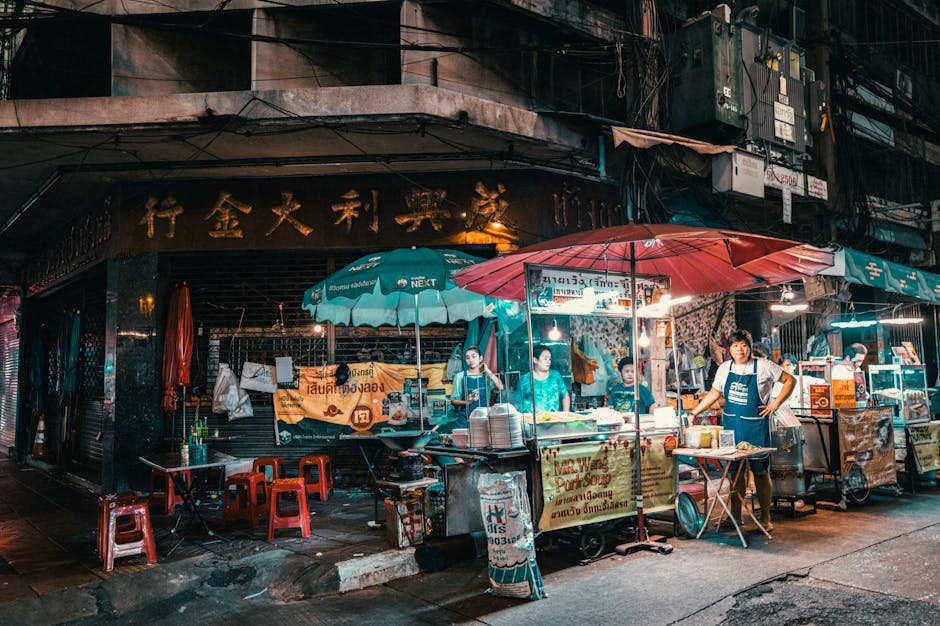
Bangkok is often called the street food capital of the world. From pad Thai sizzling in woks to mango sticky rice served from bamboo trays, the city offers endless options. Tours typically cover areas like Chinatown (Yaowarat) and Khao San Road, introducing travelers to staples like tom yum soup, som tam (papaya salad), and grilled satay.
Look for tours that include a visit to a local market, such as Or Tor Kor, to see ingredients before they hit the grill. Many guides also teach basic Thai phrases for ordering, enhancing your independence after the tour ends.
Hanoi, Vietnam
Vietnamese cuisine shines in its simplicity and balance of flavors. Hanoi’s street food tours focus on iconic dishes like pho, banh mi, and bun cha (grilled pork with noodles). Guides often highlight the French colonial influence on local baking and coffee culture.
Evening tours are especially popular, as street vendors set up along Hoan Kiem Lake. These walks often include egg coffee—a Hanoi specialty—and insights into the city’s wartime food history.
Istanbul, Turkey
Istanbul blends European and Asian influences, reflected in its diverse street fare. Tours might feature simit (sesame-crusted bread rings), dürüm wraps, and fresh pomegranate juice. The Grand Bazaar and Spice Bazaar are common stops, where guides explain the use of spices like sumac and za’atar.
Many tours include a ferry ride across the Bosphorus, offering scenic views alongside tastings of midye dolma (stuffed mussels) and roasted chestnuts. This combination of sightseeing and sampling makes Istanbul tours particularly memorable.
Mexico City, Mexico
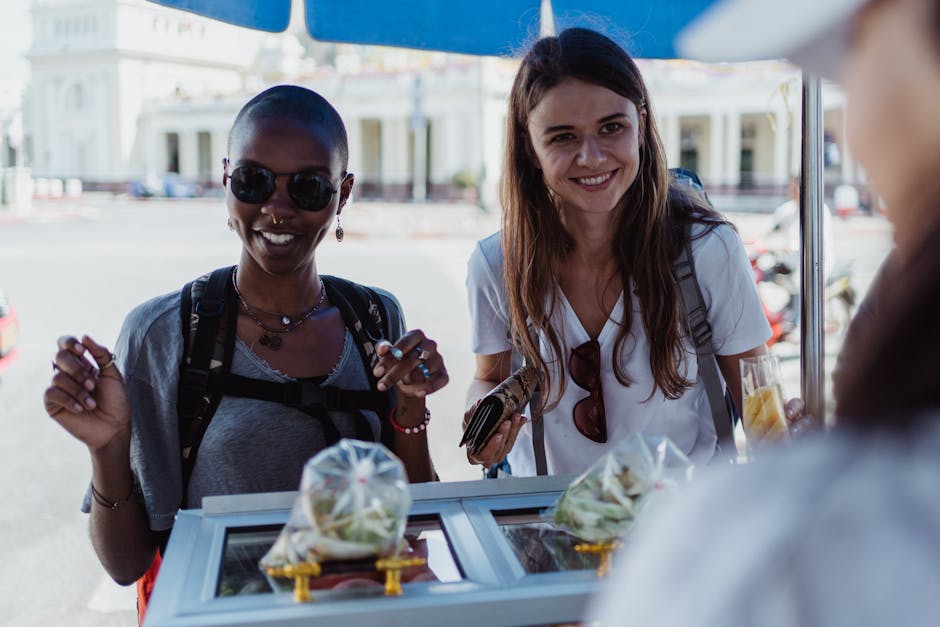
As one of the world’s largest cities, Mexico City boasts an incredible range of street food. Tacos al pastor, elote (grilled corn), and tlacoyos are just the beginning. Tours often explore neighborhoods like Roma and Coyoacán, where generations of families run beloved stalls.
Guides frequently discuss the role of street food in Mexican identity, including its recognition by UNESCO as part of the nation’s intangible cultural heritage. Some tours even include a salsa-making demo or a visit to a tortilla workshop.
Marrakech, Morocco
The Jemaa el-Fnaa square transforms at night into a bustling open-air kitchen. Street food tours here introduce travelers to harira soup, msemen (flaky pancakes), and grilled kebabs. Guides help decode menu items and explain the significance of communal dining in Moroccan culture.
Many tours include a mint tea ceremony, emphasizing the hospitality central to North African traditions. Be prepared for bold flavors and aromatic spices like cumin and cinnamon.
How to Choose the Right Tour
Not all street food tours are created equal. A few key factors can help you pick one that matches your travel style and expectations.
Group Size and Pace
Small-group tours (6–12 people) tend to offer more interaction and flexibility. Private tours are ideal for families or those with dietary needs. Avoid large bus tours that rush through stops—quality matters more than quantity.
Check the duration: most tours last 2.5 to 4 hours. Longer tours may include more stops but can be tiring, especially in hot climates. Choose based on your energy level and interest in deep dives versus quick tastings.
Guide Expertise
A great guide is passionate, knowledgeable, and fluent in both the local language and English. Look for reviews mentioning their storytelling ability, food safety awareness, and cultural insights. Local guides often have personal connections to vendors, adding authenticity.
Avoid tours led by guides who seem disengaged or overly scripted. The best experiences feel conversational, not rehearsed.
Inclusions and Exclusions
Most tours include all food tastings, water, and sometimes alcoholic drinks. Confirm whether transportation is provided—some start and end at central meeting points, while others include metro or tuk-tuk rides.
Check if gratuities are included. In some countries, tipping is expected; in others, it’s not customary. Clarify this beforehand to avoid awkward moments.
Reviews and Reputation
Read recent reviews on platforms like TripAdvisor, Google, or Viator. Pay attention to comments about food safety, guide quality, and value for money. Be wary of tours with only glowing five-star reviews—these may be fake.
Look for operators with clear cancellation policies and responsive customer service. Reputable companies often offer small-group guarantees and backup plans for weather disruptions.
What to Expect on a Typical Tour
While each tour varies by location and operator, most follow a similar structure designed to maximize flavor and learning.
Meeting Point and Introduction
Tours usually begin at a central, easy-to-find location like a metro station or landmark. The guide introduces the itinerary, dietary considerations, and basic food etiquette. This is your chance to ask questions or mention allergies.
You’ll receive a brief overview of the neighborhood’s food history and what to expect in terms of flavors and textures.
Multiple Tasting Stops
Most tours include 5–8 stops, each offering 1–3 bites. Portions are small by design—this isn’t a full meal but a curated tasting. You’ll sample a range of dishes, from savory to sweet, often with explanations of ingredients and preparation.
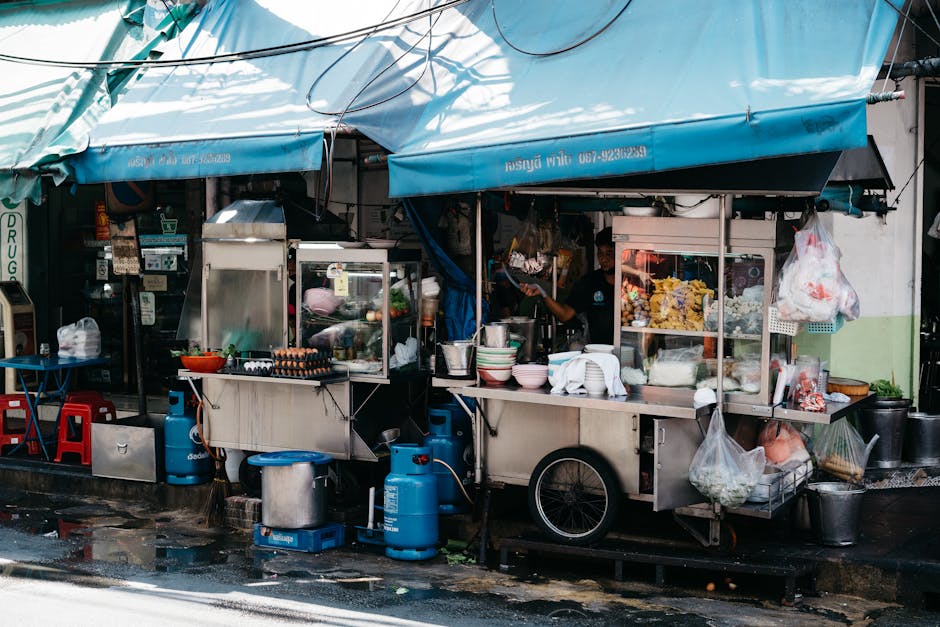
Stops may include markets, alleyway stalls, and family-run carts. Guides often share fun facts, like how a particular sauce became popular or why a dish is eaten at certain times of day.
Cultural and Historical Context
Between bites, guides weave in stories about local life, migration patterns, and economic factors that shape the food scene. In Lisbon, for instance, a tour might discuss how Portuguese exploration introduced spices to Europe—and how those spices now appear in bifana sandwiches.
This context helps you appreciate not just what you’re eating, but why it matters.
Final Stop and Farewell
Tours often end with a sit-down dessert or drink, allowing time to reflect and ask final questions. Guides may provide a list of recommended restaurants or markets to revisit independently.
Some operators offer digital photo albums or recipe cards as souvenirs. Others encourage feedback to improve future tours.
Practical Tips for Street Food Travelers
Even with a guide, a few precautions can enhance your experience and keep you healthy.
Stay Hydrated and Protected
Drink bottled or filtered water, especially in tropical climates. Avoid ice unless you’re sure it’s made from purified water. Carry hand sanitizer and use it before eating.
Wear comfortable shoes—street food tours involve a lot of walking. Sun hats and light clothing are advisable in hot regions.
Trust Your Guide’s Recommendations
Guides select vendors based on cleanliness, turnover, and reputation. If they recommend a stall, it’s likely safe. Avoid straying to unvetted vendors mid-tour, even if something looks tempting.
That said, don’t be afraid to ask questions. A good guide welcomes curiosity about ingredients, spice levels, or cooking methods.
Manage Your Appetite
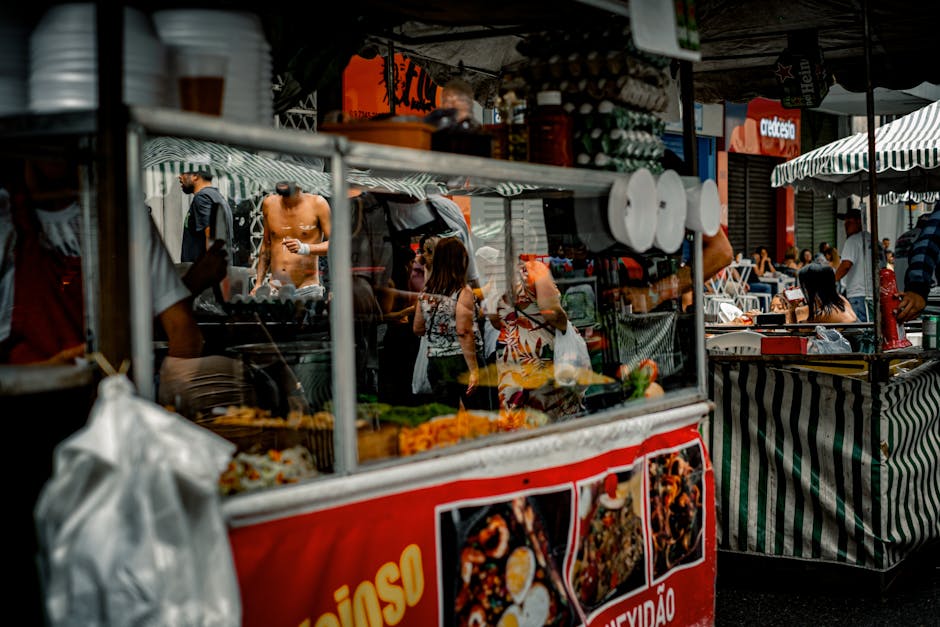
It’s easy to overeat when every stop offers something delicious. Pace yourself—take small bites and savor each flavor. Many tours end with a full stomach, so consider skipping lunch beforehand.
If you have dietary restrictions, inform the tour operator in advance. Most can accommodate vegetarian, vegan, or gluten-free needs with proper notice.
Respect Local Customs
Observe how locals eat. In some countries, it’s polite to eat with your right hand; in others, sharing food is a sign of friendship. Avoid loud conversations or taking photos without permission.
Tip appropriately if it’s customary. Even small gestures show appreciation for the vendors’ work.
Alternatives to Guided Tours
While guided tours offer structure and safety, some travelers prefer independent exploration. If you’re confident navigating foreign food scenes, consider these options.
Self-Guided Food Walks
Use apps like Eatwith, GuruWalk, or local blogs to create your own itinerary. Many cities have food maps highlighting top street vendors. Pair these with translation apps to help with ordering.
Start in well-known markets like La Boqueria in Barcelona or Mercado de San Miguel in Madrid. These areas are tourist-friendly and offer a concentrated sampling of local flavors.
Food Markets and Night Bazaars
Markets often operate daily or weekly and require no guide. Visit during peak hours to ensure freshness and variety. Look for stalls with long lines—locals know where the best food is.
Night bazaars, common in Southeast Asia, offer a festive atmosphere with live music and communal seating. They’re ideal for trying multiple dishes in one evening.
Cooking Classes with Market Tours
Some cooking schools include a market visit before class. You’ll shop for ingredients alongside a chef, then prepare and eat the dishes you’ve selected. This combines education, culture, and hands-on experience.
These classes are especially popular in Thailand, Italy, and Peru, where food is deeply tied to national identity.
Final Thoughts
The best street food tours do more than fill your stomach—they open your eyes to a destination’s soul. They connect you with people, places, and traditions that define a culture. Whether you’re biting into a steaming baozi in Shanghai or sipping fresh sugarcane juice in Mumbai, these moments become lasting memories.
Choosing a reputable tour ensures you experience the highlights safely and respectfully. With the right guide, you’ll leave not just satisfied, but enriched—armed with stories, flavors, and a deeper appreciation for the world’s culinary diversity.
FAQ
Are street food tours safe for people with food allergies?
Yes, most reputable tours can accommodate common allergies like nuts, gluten, or shellfish—but you must inform the operator in advance. Guides will communicate with vendors and suggest safe alternatives.
How much should I budget for a street food tour?
Prices typically range from $30 to $80 per person, depending on the city, duration, and inclusions. Tours in Western Europe or North America may cost more than those in Southeast Asia or Latin America.
Can I join a street food tour alone?
Absolutely. Many travelers join solo, and small-group tours are a great way to meet like-minded food lovers. Operators often welcome individuals and may offer discounts for single bookings.