Top Travel Destinations for Hidden Gems Worldwide
Travelers seeking authentic experiences beyond crowded tourist hotspots will find these top travel destinations for hidden gems worldwide both rewarding and refreshing. From secluded villages nestled in mountain ranges to untouched coastlines and culturally rich towns off the beaten path, these locations offer unique adventures without the crowds. Whether you’re drawn to natural beauty, historical depth, or local traditions, these lesser-known spots deliver unforgettable journeys. This guide highlights ten extraordinary destinations where discovery meets tranquility, perfect for curious explorers ready to wander differently.
Why Seek Out Hidden Gems?
Popular destinations like Paris, Tokyo, or Bali attract millions annually—and for good reason. But they also come with packed itineraries, inflated prices, and diluted local culture. Hidden gems, by contrast, offer a more intimate connection to place and people.
These under-the-radar locations often preserve traditional ways of life, feature unspoiled landscapes, and provide opportunities for meaningful interactions. Traveling to them supports sustainable tourism by distributing visitor impact more evenly and benefiting local economies directly.
Benefits of Off-the-Beaten-Path Travel
Choosing lesser-known destinations allows for greater flexibility and spontaneity. You’re less likely to face booking bottlenecks or long queues, making your trip feel more relaxed and personal.
Additionally, hidden gems frequently offer better value. Accommodations, meals, and activities cost less than in major tourist hubs, stretching your travel budget further without sacrificing quality.
Europe’s Best-Kept Secrets
Europe is famed for its iconic cities, but its rural corners hold some of the continent’s most captivating secrets. These destinations blend history, nature, and culture in ways that feel both timeless and refreshingly authentic.
The Azores, Portugal
This volcanic archipelago in the Atlantic Ocean remains one of Europe’s best-preserved natural treasures. With dramatic cliffs, geothermal hot springs, and crater lakes, the Azores offer outdoor adventures ranging from whale watching to hiking through lush green valleys.
Each island has its own character. São Miguel, the largest, features the stunning Sete Cidades twin lakes. Meanwhile, Pico Island is home to Portugal’s highest peak and a UNESCO-listed vineyard landscape where grapes grow in black basalt soil.
Svaneti, Georgia
High in the Caucasus Mountains, Svaneti is a region of medieval stone towers, snow-capped peaks, and ancient traditions. The remote village of Ushguli, one of Europe’s highest inhabited settlements, feels like stepping back in time.
Trekking routes here lead through alpine meadows and past glacial rivers. Local Svan people maintain their own language and customs, offering visitors a rare glimpse into a culture largely untouched by modern tourism.
The Faroe Islands
Located between Iceland and Norway, the Faroe Islands are a collection of 18 rugged islands known for dramatic sea cliffs, grass-roof homes, and sheep outnumbering people. Despite growing popularity, the islands remain uncrowded and deeply connected to nature.
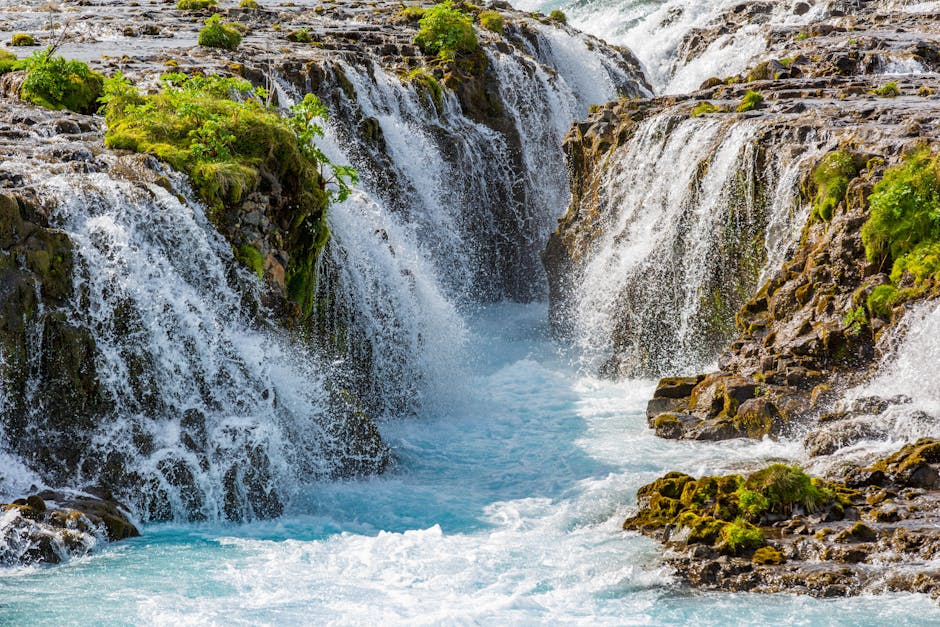
Hiking trails like the one to Múlafossur Waterfall in Gásadalur provide breathtaking views with few other travelers in sight. The capital, Tórshavn, blends Nordic charm with a thriving arts scene and excellent seafood.
Asia’s Quiet Wonders
While Asia draws millions to its megacities and temples, quieter corners offer equally compelling experiences with fewer crowds and deeper cultural immersion.
Luang Prabang, Laos
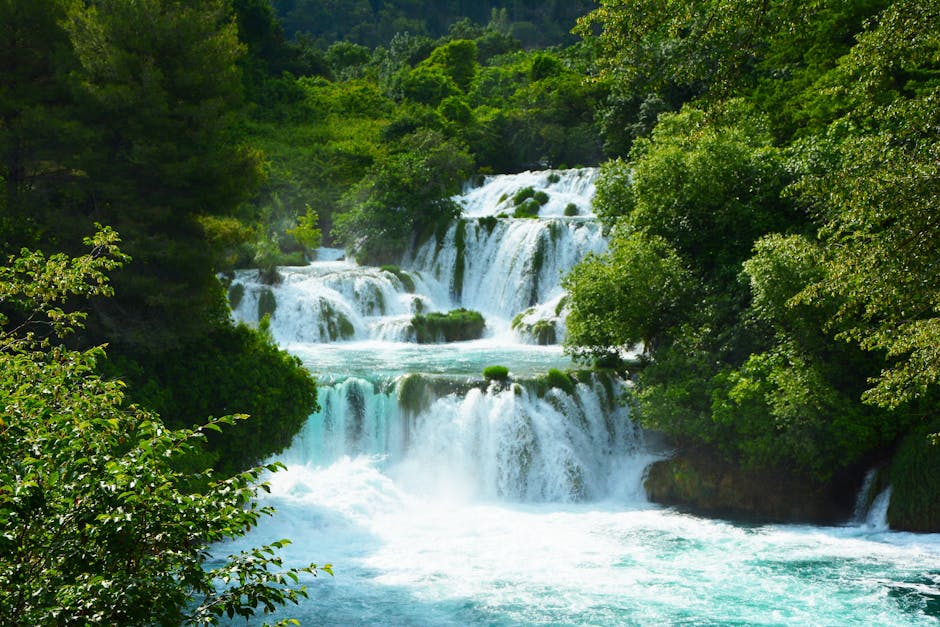
Though gaining recognition, Luang Prabang still feels like a hidden gem compared to Southeast Asia’s more commercialized destinations. This UNESCO World Heritage town sits at the confluence of the Mekong and Nam Khan rivers, surrounded by forested hills.
Early mornings begin with the alms-giving ritual, where monks in saffron robes walk silently through town. Visitors can explore ornate temples, visit Kuang Si Falls, or take a boat ride at sunset—all without the congestion of nearby Vang Vieng or Siem Reap.
Shirakawa-go, Japan
This mountain village in central Japan is famous for its gassho-zukuri farmhouses, designed with steep thatched roofs to withstand heavy snowfall. Designated a UNESCO site, Shirakawa-go preserves traditional Japanese rural life.
Winter transforms the village into a snowy wonderland, with houses illuminated at night. In warmer months, rice terraces and hiking trails offer peaceful escapes. Unlike Kyoto or Tokyo, Shirakawa-go maintains a slow, reflective pace ideal for mindful travel.
Kangding, China
Nestled in Sichuan Province, Kangding is a gateway to Tibetan culture and the stunning Hailuogu Glacier Park. Unlike more accessible Tibetan regions, Kangding retains an authentic, unhurried atmosphere.
Travelers can visit local monasteries, hike to alpine lakes, or simply enjoy yak butter tea in a family-run guesthouse. The region’s mix of Han Chinese and Tibetan influences creates a unique cultural tapestry rarely seen by international tourists.
Africa’s Untamed Retreats
Africa’s wildlife and landscapes are legendary, but venturing beyond the safari circuit reveals destinations rich in culture, scenery, and adventure.
Zanzibar’s Lesser Islands, Tanzania
While Zanzibar’s main island draws beach lovers, nearby Mnemba and Chumbe Islands offer pristine coral reefs and secluded shores. These protected marine areas are ideal for snorkeling and diving, with minimal development.
Chumbe Island Coral Park operates an eco-lodge powered entirely by solar energy and rainwater. Guests sleep in treehouse-style bungalows surrounded by native forest and endangered coconut crabs.
The Danakil Depression, Ethiopia
One of Earth’s most extreme environments, the Danakil Depression features active volcanoes, acid springs, and salt flats that stretch endlessly under a blazing sun. Despite its harsh conditions, it’s home to the Afar people, who have mined salt here for centuries.
Visiting requires careful planning and local guides, but the surreal landscapes—like the neon-green Dallol hydrothermal field—are unlike anywhere else on the planet. It’s a destination for adventurous travelers, not casual tourists.
Matobo National Park, Zimbabwe
Often overshadowed by Victoria Falls, Matobo National Park offers a different kind of African experience. Known for its balancing rock formations and ancient San rock art, the park is a UNESCO site with deep spiritual significance.
Walking safaris allow close encounters with rhinos and other wildlife, while guided tours reveal stories painted on cave walls over 2,000 years ago. The park’s quiet trails and cultural depth make it a standout for thoughtful travelers.
South America’s Secret Escapes
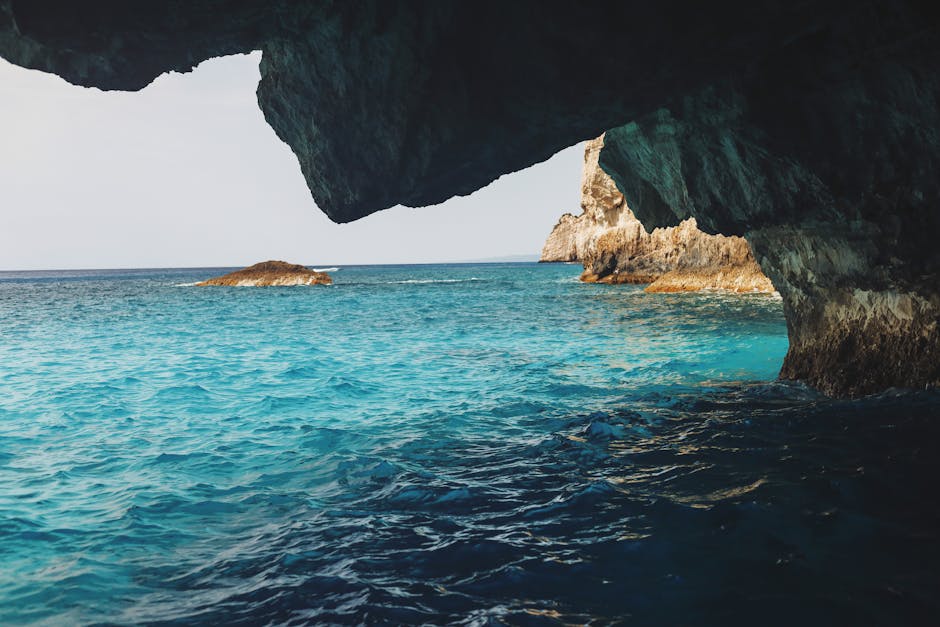
From the Andes to the Amazon, South America hides pockets of wonder that remain largely unknown to mainstream tourism.
Colonia del Sacramento, Uruguay
This charming colonial town sits across the Rio de la Plata from Buenos Aires. Its cobblestone streets, pastel-colored buildings, and quiet plazas feel frozen in time.
Designated a UNESCO World Heritage Site, Colonia del Sacramento blends Portuguese, Spanish, and Brazilian influences. Visitors can wander the historic quarter, climb the lighthouse for panoramic views, or enjoy fresh seafood at waterfront cafes—all without the crowds of nearby Argentine cities.
The Lost City (Ciudad Perdida), Colombia
Deep in the Sierra Nevada jungle, the Lost City predates Machu Picchu by over 650 years. Reached only by a challenging four- to six-day trek, it remains one of South America’s most exclusive archaeological sites.
The journey passes through indigenous Kogi, Wiwa, and Arhuaco territories, offering cultural exchanges alongside physical exertion. Reaching the ancient stone terraces feels like a true discovery, far removed from tourist trails.
Isla de la Luna, Bolivia
Located in Lake Titicaca, Isla de la Luna (Island of the Moon) is quieter than its neighbor, Isla del Sol, yet equally rich in Inca mythology. According to legend, it’s where the moon was born.
Visitors can explore ruins of a 15th-century Inca sanctuary, swim in the lake’s cold waters, or stay with local Aymara families. The island’s small size and lack of motorized transport preserve its peaceful atmosphere.
Oceania’s Remote Paradises
Australia and New Zealand are popular, but their outer reaches offer solitude and natural beauty unmatched in more frequented areas.
Lord Howe Island, Australia
This crescent-shaped island between Australia and New Zealand is a UNESCO World Heritage Site with a strict visitor cap of 400 at any time. That policy ensures pristine beaches, clear waters, and abundant wildlife.
Activities include snorkeling among coral reefs, climbing Mount Gower for panoramic views, or spotting rare birds like the Lord Howe woodhen. With no traffic lights or high-rises, the island feels like a step back into a simpler era.
Stewart Island, New Zealand
New Zealand’s third-largest island is 85% national park and home to some of the country’s best birdwatching. Kiwi birds roam freely at night, and the absence of light pollution makes stargazing exceptional.
Hiking the Rakiura Track offers coastal views, native forest, and Maori cultural sites. With fewer than 400 permanent residents, Stewart Island delivers true isolation and natural serenity.
North America’s Quiet Corners
Even in well-trodden North America, hidden gems await those willing to explore beyond the guidebooks.
Haida Gwaii, Canada
Formerly known as the Queen Charlotte Islands, Haida Gwaii is an archipelago off British Columbia’s coast. It’s the ancestral home of the Haida Nation, whose totem poles and longhouses reflect a rich cultural heritage.
The islands’ temperate rainforests, black sand beaches, and abundant wildlife—including whales and bald eagles—make them a haven for nature lovers. Visitor numbers are limited, preserving the islands’ tranquility and ecological integrity.
Big Bend National Park, Texas, USA
Often overlooked in favor of Yellowstone or Yosemite, Big Bend offers dramatic desert landscapes, the Rio Grande River, and some of the darkest night skies in the U.S.
Hiking trails lead through canyons and mountain peaks, while river rafting provides a unique perspective of the Chihuahuan Desert. With fewer than 500,000 visitors annually, it’s one of America’s least crowded national parks.
Isla Holbox, Mexico
This car-free island off Mexico’s Yucatán Peninsula remains a quiet alternative to Cancún or Tulum. Known for its bioluminescent waters and seasonal whale shark migrations, Holbox attracts eco-conscious travelers.
Beaches are lined with colorful cabanas and seafood shacks, not resorts. Swimming with whale sharks (June–September) is a highlight, but the island’s laid-back vibe is the real draw.
How to Discover Your Own Hidden Gems
Finding lesser-known destinations doesn’t require luck—it takes research and intention. Start by looking beyond top 10 lists and popular travel blogs.
Use regional tourism boards, local forums, and niche travel sites to uncover places that haven’t yet gone viral. Talk to locals or expats who’ve lived in the area; they often know the best-kept secrets.
Tips for Responsible Exploration
When visiting hidden gems, respect local customs and environments. Avoid behaviors that could lead to over-tourism, such as sharing exact locations on social media or removing natural souvenirs.
Support community-based tourism by staying in locally owned accommodations and eating at family-run restaurants. Your choices help ensure these destinations remain authentic and sustainable.
Final Thoughts
The world is full of extraordinary places waiting to be discovered—not just by influencers or tour groups, but by thoughtful travelers like you. These top travel destinations for hidden gems worldwide prove that the most memorable journeys often happen off the map.
Whether you’re drawn to mountain villages, island retreats, or ancient ruins, choosing lesser-known spots enriches your experience and supports the places you love. Pack your curiosity, leave room in your itinerary, and let discovery lead the way.
FAQ
What makes a destination a “hidden gem”?
A hidden gem is a location that offers unique cultural, natural, or historical value but receives relatively few tourists. These places often preserve authentic traditions and environments, providing more meaningful and less crowded travel experiences.
Are hidden gems safe to visit?
Most hidden gems are safe, but it’s important to research local conditions, health advisories, and travel requirements. Check government travel advisories and connect with recent visitors or local guides for up-to-date insights.
How can I avoid contributing to over-tourism when visiting hidden gems?
Travel responsibly by respecting local customs, minimizing waste, supporting local businesses, and avoiding the sharing of precise locations on social media. Choose accommodations and tours that prioritize sustainability and community benefit.