Best Travel Destinations for Unique Experiences
Travelers seeking more than typical sightseeing are increasingly drawn to destinations that offer truly unique experiences. Whether it’s sleeping in an ice hotel, trekking to remote villages, or witnessing natural phenomena few ever see, the world is full of extraordinary places waiting to be explored. This guide highlights the best travel destinations for unique experiences—locations that deliver unforgettable moments, cultural immersion, and once-in-a-lifetime adventures. From hidden natural wonders to culturally rich communities, these spots stand out for their originality and authenticity.
Why Seek Unique Travel Experiences?
Standard beach resorts and city tours have their appeal, but unique travel experiences offer deeper connections and lasting memories. They often involve stepping outside comfort zones, engaging with local cultures, and witnessing rare natural or cultural phenomena. These journeys foster personal growth and provide stories that go beyond typical vacation photos.
Unique experiences also support sustainable and responsible tourism. Visiting lesser-known destinations helps distribute tourism revenue more evenly and reduces pressure on overcrowded hotspots. Travelers gain a richer understanding of the world while contributing positively to local communities.
Choosing destinations with distinctive offerings ensures your trip stands out. It’s not just about checking off landmarks—it’s about creating meaningful, personal encounters that define your journey.
Top Destinations for Unforgettable Adventures
1. Bhutan: The Kingdom of Gross National Happiness
Nestled in the Eastern Himalayas, Bhutan is a destination unlike any other. Known for prioritizing Gross National Happiness over GDP, the country offers a deeply spiritual and culturally immersive experience. Visitors must pay a daily sustainable tourism fee, which funds education, healthcare, and infrastructure.
Hike to the iconic Tiger’s Nest monastery, perched on a cliff 3,120 meters above sea level. Explore ancient dzongs (fortress monasteries) and attend local festivals like Paro Tsechu, where masked dances and traditional music bring centuries-old stories to life. Bhutan’s commitment to environmental conservation means over 70% of its land remains forested.
What makes Bhutan truly unique is its philosophy. The government limits tourism to preserve culture and nature, ensuring that visitors experience authenticity, not commercialization. It’s a place where tradition thrives, and modernity is carefully managed.
2. Socotra, Yemen: The Alien Island
Often called the “Galápagos of the Indian Ocean,” Socotra is home to flora and fauna found nowhere else on Earth. Over a third of its plant species are endemic, including the iconic dragon’s blood tree with its umbrella-shaped canopy.
Reaching Socotra requires careful planning due to political instability in Yemen. However, limited tourism is permitted through organized tours, often departing from Oman or the UAE. Travelers must respect strict environmental regulations to protect the fragile ecosystem.
Beyond its otherworldly landscapes, Socotra offers cultural encounters with the Socotri people, who speak their own language and maintain ancient traditions. Sleeping under the stars on white-sand beaches and swimming in crystal-clear lagoons adds to the sense of isolation and wonder.
This destination is best suited for adventurous travelers willing to navigate logistical challenges. For those who make the journey, Socotra delivers an experience that feels truly out of this world.
3. Chefchaouen, Morocco: The Blue Pearl of the Rif
Tucked into the Rif Mountains, Chefchaouen is famous for its striking blue-painted buildings. The tradition of painting walls and doorways in shades of blue dates back to the 1930s, possibly introduced by Jewish refugees seeking a peaceful haven.
Wandering the narrow, cobbled alleys feels like stepping into a dream. The blue hue is said to repel mosquitoes and symbolize the sky and heaven. While the town has grown in popularity, it retains a tranquil, almost meditative atmosphere.
Beyond its photogenic streets, Chefchaouen offers hiking opportunities in the surrounding mountains, local artisan shops selling wool garments and handmade goods, and authentic Moroccan cuisine. The nearby Spanish Mosque provides panoramic views at sunset.
Chefchaouen is ideal for travelers seeking beauty, culture, and a slower pace. It’s a place to disconnect, reflect, and absorb the quiet charm of a mountain town untouched by mass tourism.
4. Svalbard, Norway: Arctic Wilderness and Polar Bears
Located halfway between mainland Norway and the North Pole, Svalbard is one of the world’s northernmost inhabited places. With polar bears outnumbering humans, this Arctic archipelago offers a raw, untamed experience.
Winter brings the polar night, where the sun doesn’t rise for weeks. This is the prime time to witness the northern lights dancing across the sky. Summer offers the midnight sun, allowing for 24-hour daylight and extended exploration.
Activities include snowmobiling across glaciers, dog sledding, and guided wildlife tours. Visitors must always be accompanied by an armed guide outside settlements due to the presence of polar bears. The Svalbard Global Seed Vault, built into a mountainside, adds a unique scientific dimension to the visit.
Svalbard is not for the faint of heart. Harsh weather, isolation, and strict safety protocols define the experience. But for those drawn to extreme environments, it’s a destination that delivers awe and adventure in equal measure.
5. Luang Prabang, Laos: Spiritual Serenity in Southeast Asia
A UNESCO World Heritage site, Luang Prabang blends French colonial architecture with traditional Lao design. Nestled at the confluence of the Mekong and Nam Khan rivers, the town exudes calm and spiritual depth.
Each morning, monks in saffron robes walk the streets in a ritual called Tak Bat, collecting alms from locals and visitors. This sacred tradition offers a rare glimpse into Buddhist monastic life. Participation is respectful and optional, but observing it is a moving experience.
The town is surrounded by waterfalls, including the multi-tiered Kuang Si Falls, where turquoise pools invite swimming. Nearby, the Pak Ou Caves house thousands of Buddha statues, some centuries old. Night markets showcase local handicrafts and street food.
Luang Prabang stands out for its balance of spirituality, nature, and culture. It’s a place where time slows down, and the pace of life encourages mindfulness and connection.
6. Faroe Islands: Dramatic Landscapes in the North Atlantic
An autonomous territory of Denmark, the Faroe Islands consist of 18 volcanic islands in the North Atlantic. With steep cliffs, grass-roof houses, and sheep outnumbering people, the landscape is both rugged and poetic.
Hiking trails like the one to Kalsoy’s Kallur Lighthouse offer breathtaking views of the ocean and neighboring islands. The village of Gjógv, with its natural sea cave and stone harbor, feels frozen in time. In summer, the midnight sun allows for endless exploration.
The Faroese people maintain strong traditions, including chain dancing and singing ancient ballads. Local cuisine features fermented lamb, dried fish, and seabirds—dishes that reflect the islands’ harsh climate and maritime heritage.
Access is limited, with flights from Copenhagen, Reykjavik, or Edinburgh. The islands promote sustainable tourism, encouraging visitors to “travel thoughtfully.” For those who make the journey, the Faroe Islands offer solitude, beauty, and a deep sense of place.
7. Madagascar: A Biodiversity Hotspot
Separated from mainland Africa for over 80 million years, Madagascar is a living laboratory of evolution. Over 90% of its wildlife is endemic, including lemurs, fossas, and the bizarre baobab trees.
Visit Andasibe-Mantadia National Park to hear the haunting calls of indri lemurs—the largest living lemur species. In the Avenue of the Baobabs, towering trees line a dirt road, creating a surreal sunset backdrop. The Tsingy de Bemaraha limestone formations offer a challenging but rewarding trek through sharp, needle-like rock.
Culturally, Madagascar blends African, Asian, and Arab influences. Local communities practice ancestor worship, and traditional music features the valiha, a bamboo tube zither. Handicrafts include intricate raffia weaving and wood carving.
Madagascar requires careful planning due to limited infrastructure and seasonal weather. However, for nature lovers and cultural explorers, it’s a destination that rewards curiosity and respect for the environment.
8. Georgia: The Crossroads of Europe and Asia
Often overlooked, Georgia offers a rich tapestry of history, wine culture, and mountain scenery. Tbilisi, the capital, blends Persian, Ottoman, and Soviet influences in its architecture and cuisine.
The country is one of the oldest wine-producing regions in the world. Visitors can tour family-run wineries in Kakheti, where wine is traditionally fermented in clay vessels called qvevri buried underground. Toasting with a tamada (toastmaster) is a cherished ritual.
In the Caucasus Mountains, Svaneti’s medieval stone towers rise above remote villages. The hike to Ushguli, one of Europe’s highest inhabited settlements, offers stunning views and a glimpse into traditional Svan life. The Gergeti Trinity Church, set against Mount Kazbek, is a photographer’s dream.
Georgians are known for their hospitality. A supra, or feast, often includes multiple courses, wine, and heartfelt toasts. This cultural immersion makes Georgia a standout destination for travelers seeking authenticity and warmth.
9. Palawan, Philippines: Paradise with a Purpose
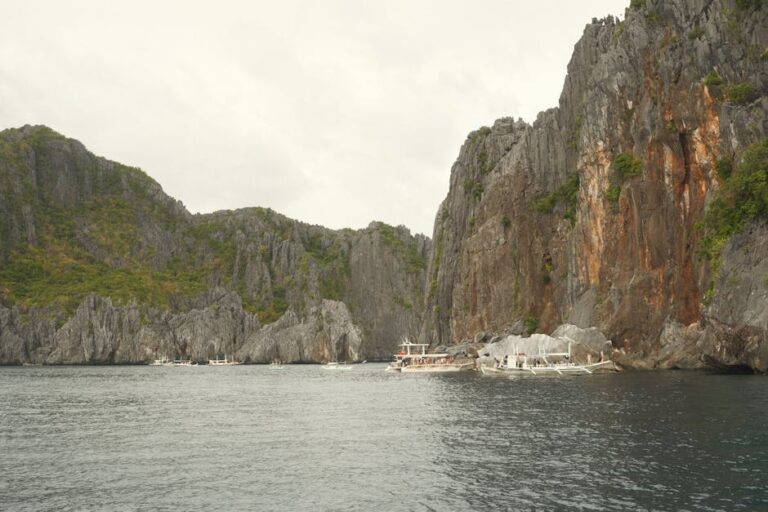
Palawan is often ranked among the world’s most beautiful islands, and for good reason. Its turquoise waters, limestone cliffs, and vibrant coral reefs attract divers and nature lovers alike.
El Nido and Coron offer island-hopping tours to hidden lagoons, secret beaches, and WWII shipwrecks. The Puerto Princesa Subterranean River, a UNESCO site, flows directly into the sea—a rare natural phenomenon.
Beyond its beauty, Palawan is a model of community-based tourism. Local cooperatives manage tours, ensuring benefits stay within the community. Visitors are encouraged to follow eco-friendly practices, such as avoiding single-use plastics and respecting marine life.
Palawan’s unique blend of natural wonder and sustainable tourism makes it a top choice for responsible travelers. It’s a place where paradise is preserved through conscious choices.
10. Omo Valley, Ethiopia: Cultural Diversity in the Rift
The Lower Omo Valley is one of Africa’s most culturally diverse regions. Home to over a dozen indigenous tribes, including the Hamar, Mursi, and Karo, it offers a rare window into traditional ways of life.
Visitors can witness body painting, scarification, and ritual dances. The Mursi people are known for their lip plates, a practice that holds deep cultural significance. Markets like Dimeka offer vibrant exchanges of goods and stories.
Travel in the Omo Valley requires sensitivity and respect. Tours should be led by local guides, and photography should always be requested. The region faces challenges from climate change and development, making responsible tourism more important than ever.
For those interested in anthropology and human culture, the Omo Valley provides an unparalleled experience. It’s a reminder of the world’s rich diversity and the importance of preserving it.
How to Choose the Right Unique Destination
With so many extraordinary places to consider, selecting the right destination depends on your interests, travel style, and comfort level. Start by identifying what kind of experience you’re seeking—adventure, culture, nature, or solitude.
Research visa requirements, safety conditions, and travel advisories. Some unique destinations, like Socotra or Svalbard, require special permits or guided tours. Others, like Georgia or Palawan, are more accessible but still benefit from advance planning.
Consider the best time to visit. Weather, festivals, and wildlife activity vary greatly by season. For example, the northern lights are best seen in Svalbard during winter, while Palawan’s dry season (November to May) is ideal for island hopping.
Pack appropriately. Remote destinations often have limited access to supplies. Bring essentials like medications, water purification tools, and durable clothing. Always carry a physical map and emergency contacts.
Support local economies by choosing locally owned accommodations, guides, and restaurants. This ensures your travel dollars benefit the community and encourages sustainable practices.
Tips for Responsible and Safe Travel
Unique destinations often come with unique challenges. Environmental fragility, cultural sensitivity, and safety concerns require thoughtful preparation.
Always follow local guidelines and regulations. In places like Bhutan or the Faroe Islands, tourism policies are designed to protect culture and nature. Ignoring them can have lasting consequences.
Respect cultural norms. Dress modestly in conservative areas, ask before photographing people, and learn a few basic phrases in the local language. Small gestures go a long way in building trust.
Minimize your environmental impact. Avoid single-use plastics, stay on marked trails, and never disturb wildlife. In sensitive ecosystems like Socotra or Madagascar, even minor actions can cause harm.
Travel insurance is essential, especially for remote or high-risk destinations. Ensure your policy covers medical evacuation, trip cancellations, and adventure activities.
Finally, be flexible. Delays, weather changes, and unexpected closures are part of the journey. Embracing uncertainty often leads to the most memorable moments.
Final Thoughts on Unique Travel
The best travel destinations for unique experiences are those that challenge expectations and offer something beyond the ordinary. Whether it’s the spiritual depth of Bhutan, the alien landscapes of Socotra, or the cultural richness of the Omo Valley, these places invite travelers to see the world differently.
Unique travel is not about luxury or comfort—it’s about connection, discovery, and transformation. It’s about stepping into the unknown and returning with a broader perspective.
As you plan your next adventure, consider destinations that align with your values and curiosity. The world is full of hidden gems waiting to be explored—places where every moment feels intentional and every experience leaves a lasting impression.
Frequently Asked Questions
What makes a travel destination truly unique?
A unique destination offers experiences that can’t be replicated elsewhere—whether through rare natural features, deep cultural traditions, or extraordinary wildlife. These places often require more effort to reach but deliver deeper, more meaningful encounters.
Are unique travel destinations safe for solo travelers?
Many unique destinations are safe for solo travelers, especially with proper planning and local guidance. Research safety conditions, use reputable tour operators, and stay connected with trusted contacts. Always inform someone of your itinerary.
How can I travel responsibly to unique destinations?
Travel responsibly by respecting local cultures, minimizing environmental impact, supporting local businesses, and following all regulations. Choose eco-friendly accommodations, avoid overtourism hotspots, and leave no trace.