Iceland Travel Guide: Top Attractions and Travel Tips
Iceland offers dramatic landscapes, natural wonders, and unforgettable adventures. From cascading waterfalls and active volcanoes to the ethereal glow of the Northern Lights, this Nordic island delivers experiences few places on Earth can match. Whether you’re planning a summer road trip or a winter escape, this Iceland travel guide covers must-see destinations, practical advice, and insider tips to help you explore safely and smartly.
Why Visit Iceland?
Iceland stands out for its raw natural beauty and unique geography. Located just below the Arctic Circle, it’s a land of contrasts—glaciers meet deserts, geysers erupt beside icy lagoons, and modern cities blend with ancient sagas. The country is sparsely populated, with over 70% of its residents living in or near Reykjavík. This means vast stretches of untouched wilderness are easily accessible.
Visitors come for the scenery, but stay for the culture. Icelanders value sustainability, creativity, and community. The country consistently ranks among the safest and happiest in the world. Its capital, Reykjavík, is compact and walkable, with a vibrant arts scene, cozy cafes, and excellent restaurants serving fresh seafood and lamb.
Best Time to Visit Iceland
The ideal time to visit depends on what you want to experience. Summer (June to August) offers nearly 24 hours of daylight, mild temperatures, and access to highland roads. This is peak season for hiking, camping, and exploring the interior. However, popular sites like the Golden Circle and Jökulsárlón Glacier Lagoon can be crowded.
Winter (November to March) brings short days and cold weather, but it’s the best time to see the Northern Lights. Snow-covered landscapes create a magical atmosphere, and ice caves in Vatnajökull Glacier open for guided tours. Shoulder seasons—April–May and September–October—offer fewer crowds, lower prices, and a balance of daylight and weather.
Keep in mind that weather in Iceland is unpredictable. Even in summer, temperatures rarely exceed 15°C (59°F), and rain is common. Always pack layers and waterproof gear.
Top Attractions in Iceland
The Golden Circle
The Golden Circle is Iceland’s most popular tourist route, spanning about 300 kilometers and linking three iconic sites: Þingvellir National Park, Geysir geothermal area, and Gullfoss waterfall. Most visitors complete it in a day trip from Reykjavík.
Þingvellir is a UNESCO World Heritage Site where the North American and Eurasian tectonic plates meet. It’s also the historic site of Iceland’s first parliament, established in 930 AD. Walking between the rift valleys feels like stepping into another world.
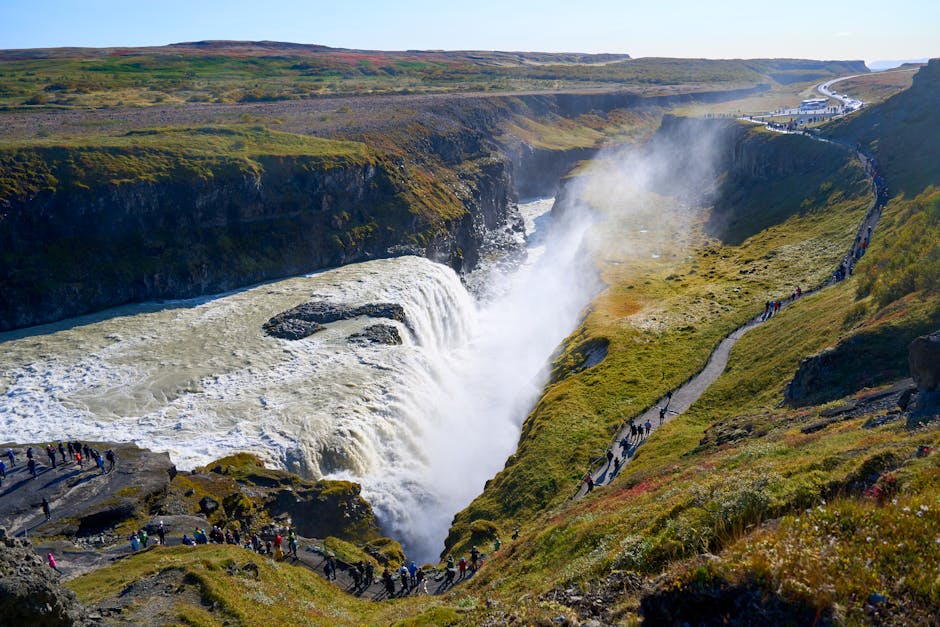
At Geysir, watch Strokkur erupt every 5–10 minutes, shooting boiling water up to 30 meters high. Nearby, the steaming fumaroles and colorful mineral deposits create a surreal landscape. Gullfoss, the “Golden Falls,” thunders down a two-tiered cascade into a deep canyon. On sunny days, rainbows dance in the mist.
Blue Lagoon and Other Geothermal Pools
The Blue Lagoon is Iceland’s most famous geothermal spa, located in a lava field near Grindavík, about 50 minutes from Reykjavík. Its milky-blue, mineral-rich waters are heated by volcanic activity and maintained at around 38–40°C (100–104°F).
While the Blue Lagoon is stunning, it’s also expensive and often crowded. For a more authentic experience, consider the Secret Lagoon in Flúðir or the Mývatn Nature Baths in the north. Both offer similar warmth and scenery with fewer tourists.
Always shower thoroughly before entering any public pool—this is a strict cultural rule. Swimsuits are required, and towels and robes can be rented on-site.
Jökulsárlón Glacier Lagoon and Diamond Beach
Located in southeast Iceland, Jökulsárlón is a glacial lake filled with icebergs calved from Breiðamerkurjökull, an outlet glacier of Vatnajökull. The lagoon is part of Vatnajökull National Park, Europe’s largest glacier.
Boat tours let you glide among floating ice blocks, some of which are centuries old. The nearby Diamond Beach, just across the road, is where icebergs wash ashore and glisten like jewels on the black volcanic sand. Early morning or late evening visits offer the best light and fewer crowds.
This area is best visited from May to September, when daylight is long and roads are clear. In winter, access may be limited due to snow and ice.
Snæfellsnes Peninsula
Often called “Iceland in miniature,” the Snæfellsnes Peninsula packs glaciers, volcanoes, cliffs, and fishing villages into a compact area west of Reykjavík. The centerpiece is Snæfellsjökull, a glacier-capped stratovolcano featured in Jules Verne’s Journey to the Center of the Earth.
Visit Kirkjufell mountain, one of Iceland’s most photographed landmarks, and walk along black sand beaches like Djúpalónssandur. The region is less crowded than the south coast, making it ideal for travelers seeking solitude and scenic drives.
Allow at least two days to explore Snæfellsnes properly. The Ring Road (Route 1) connects it to the rest of the country, but the peninsula’s interior roads are narrow and gravel-surfaced.
Landmannalaugar and the Highlands
For serious hikers, Landmannalaugar in the Fjallabak Nature Reserve is a dream destination. Known for its rhyolite mountains that shimmer in reds, pinks, and greens, this highland area offers multi-day trekking routes like the Laugavegur Trail.
The terrain is rugged and remote. A 4×4 vehicle is required to reach the area, and camping or mountain huts must be booked in advance. Summer is the only viable season—roads close by October due to snow.
Always check road conditions at road.is before heading into the highlands. Weather can change rapidly, and rescue operations are costly and complex.
Getting Around Iceland
Renting a Car
The best way to explore Iceland is by car. Public transportation outside Reykjavík is limited, and many attractions are only accessible via private vehicle. Renting a car gives you flexibility to follow your own schedule and discover hidden gems.
Most visitors rent a standard 2WD vehicle for the Ring Road and main attractions. However, if you plan to visit the highlands, a glacier, or remote areas like the Westfjords, a 4×4 is essential. Always verify that your rental includes gravel protection and sand/ash insurance—common hazards on Icelandic roads.
Book your rental early, especially for summer travel. Prices rise significantly during peak season, and availability drops quickly.
Driving Tips and Road Conditions
Iceland drives on the right, and the Ring Road (Route 1) circles the island, connecting most major towns and attractions. However, many scenic routes are unpaved and narrow. Speed limits are strictly enforced: 90 km/h on paved roads, 80 km/h on gravel, and 50 km/h in urban areas.
Never drive off marked roads. Off-road driving is illegal and damages fragile ecosystems. Stick to designated tracks and respect private property—many farms double as tourist stops, but always ask before entering.
Check road.is daily for weather and road updates. Mountain passes, river crossings, and highland roads can close without notice. In winter, some routes may be impassable for days.
Public Transportation and Tours
Within Reykjavík, buses are reliable and affordable. The Straeto app provides real-time schedules and route planning. For intercity travel, companies like Sterna and Trex offer scheduled bus services between major towns.
Guided tours are a good option if you prefer not to drive. Many companies offer day trips to the Golden Circle, South Coast, and Northern Lights. Small-group tours often provide deeper insights and access to restricted areas.
Book tours in advance during summer. Winter tours depend on weather and visibility, especially for Northern Lights excursions.
Where to Stay in Iceland
Reykjavík and the Capital Region
Reykjavík is the natural base for first-time visitors. The city offers a range of accommodations, from boutique hotels like Ion Adventure Hotel to budget-friendly hostels and guesthouses. Staying in the city gives you access to restaurants, museums, and nightlife.
The nearby towns of Hafnarfjörður and Kópavogur are quieter alternatives with easy access to the airport and city center. Consider staying near the harbor for views of Mount Esja and the sea.
Countryside and Rural Stays
For a more immersive experience, stay in rural areas. Farm stays, cabins, and eco-lodges are common along the Ring Road. These accommodations often include homemade breakfasts and local tips from hosts.
Popular areas include the South Coast near Vík, the North near Akureyri, and the Westfjords. Booking in advance is crucial—many rural properties have limited rooms and fill up months ahead.
Glamping and Unique Lodging
Iceland has embraced glamping—luxury camping with comfortable beds, heating, and private bathrooms. Options include geodesic domes, glass-roof cabins for Northern Lights viewing, and converted barns.
These stays are ideal for travelers who want to connect with nature without sacrificing comfort. Prices vary, but expect to pay a premium for unique experiences.
Food and Dining in Iceland
Icelandic cuisine has evolved from traditional preservation methods to a modern focus on local, sustainable ingredients. Lamb, fish, and dairy are staples. Try plokkfiskur (fish stew), hangikjöt (smoked lamb), or skyr, a thick yogurt-like dairy product.
Reykjavík has a thriving food scene, with restaurants like Dill (New Nordic), Matur og Drykkur (traditional with a twist), and Brauð & Co (artisan breads). Many cafes serve excellent coffee and pastries—perfect for a mid-drive break.
Outside cities, dining options are limited. Pack snacks and consider self-catering if staying in rural areas. Most guesthouses and hotels offer breakfast, and grocery stores like Bonus and Krónan are found in larger towns.
Tap water is safe to drink and among the purest in the world—refill your bottle anywhere.
Packing Essentials for Iceland
Iceland’s weather demands preparation. Even in summer, temperatures are cool and rain is frequent. Pack in layers: a base layer (merino wool or synthetic), insulating mid-layer (fleece or down), and a waterproof outer shell.
Sturdy hiking boots are essential—many trails are rocky and wet. Waterproof pants and gloves are recommended, especially for glacier tours or waterfall visits.
Don’t forget a swimsuit for geothermal pools, a reusable water bottle, and a power adapter (Iceland uses European plugs). A headlamp is useful in winter when daylight is short.
If you plan to photograph the Northern Lights, bring a tripod and a camera with manual settings. Smartphones can capture them, but results vary.
Safety and Travel Tips
Respect Nature
Iceland’s landscapes are beautiful but fragile. Stay on marked paths, don’t disturb wildlife, and never approach seals or puffins too closely. Feeding animals is prohibited.
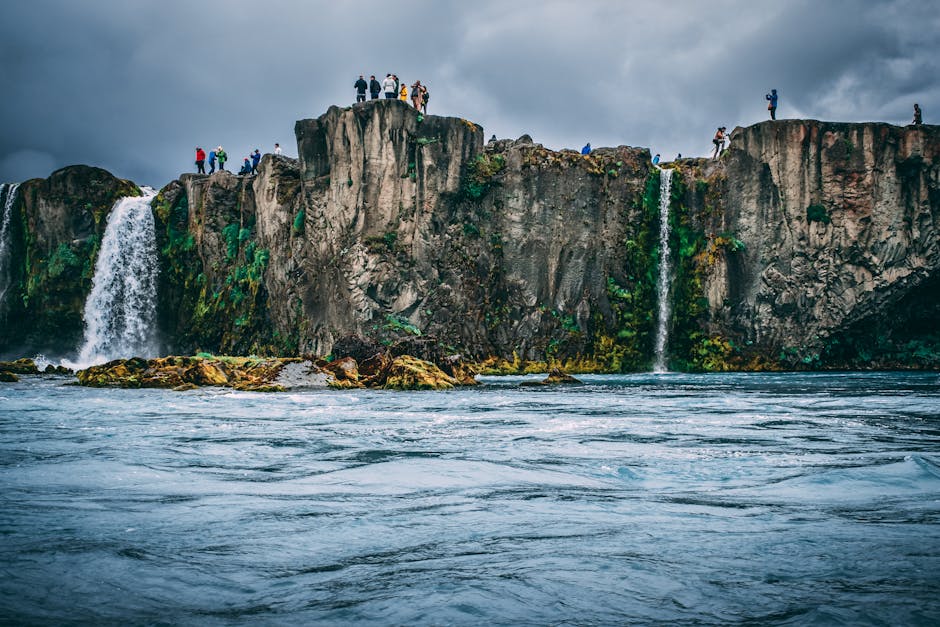
Avoid walking behind waterfalls—slippery rocks and strong currents cause accidents each year. At geysers and hot springs, stay behind barriers. The ground can be thin and scalding hot.
Emergency Preparedness
Download the 112 Iceland app for emergency alerts and GPS location sharing. In case of trouble, call 112—the national emergency number. Rescue services are professional but may take time in remote areas.
Always inform someone of your travel plans, especially if hiking or driving in isolated regions. Let them know your expected return time.
Money and Connectivity
Iceland is largely cashless. Credit and debit cards are accepted everywhere, including small shops and rural gas stations. ATMs are available in towns, but carry a card with no foreign transaction fees.
Mobile coverage is good along the Ring Road and in towns, but spotty in highlands and fjords. Consider renting a satellite phone or GPS device for remote travel.
Northern Lights Viewing
The Aurora Borealis is visible from late September to mid-April, when nights are long and dark. Clear skies and minimal light pollution are essential. The best viewing spots are away from city lights—try Thingvellir, the Snæfellsnes Peninsula, or the Westfjords.
Check the Icelandic Meteorological Office’s aurora forecast for activity levels. A KP index of 3 or higher increases your chances. Be patient—auroras can appear suddenly and last only minutes.
Guided tours often provide transportation, warm shelters, and expert guidance. They’re worth considering if you’re short on time or unfamiliar with the terrain.
Sustainable Travel in Iceland
Icelanders take environmental protection seriously. Stick to designated trails, pack out all trash, and avoid single-use plastics. Many accommodations and tours are certified eco-friendly.
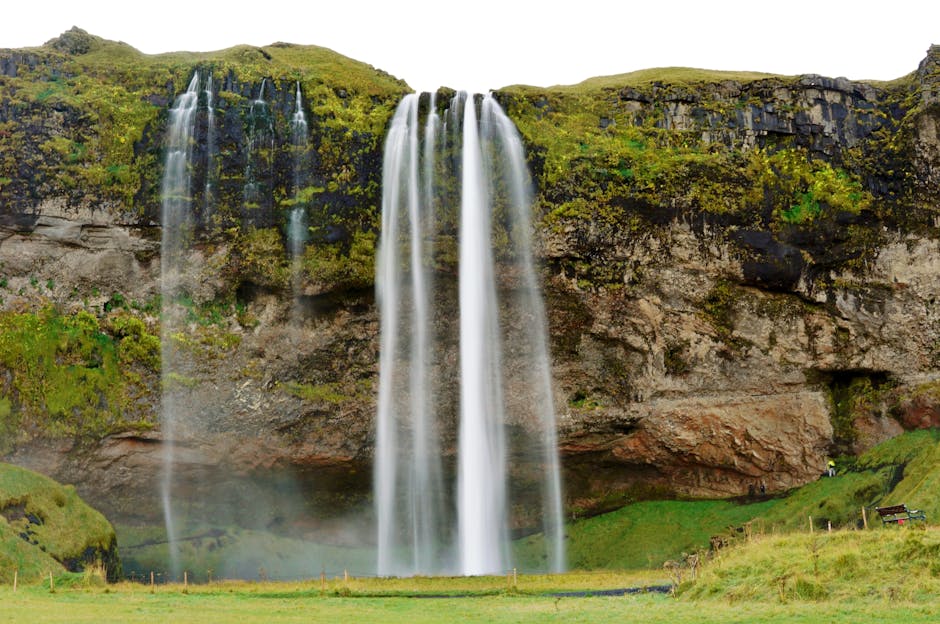
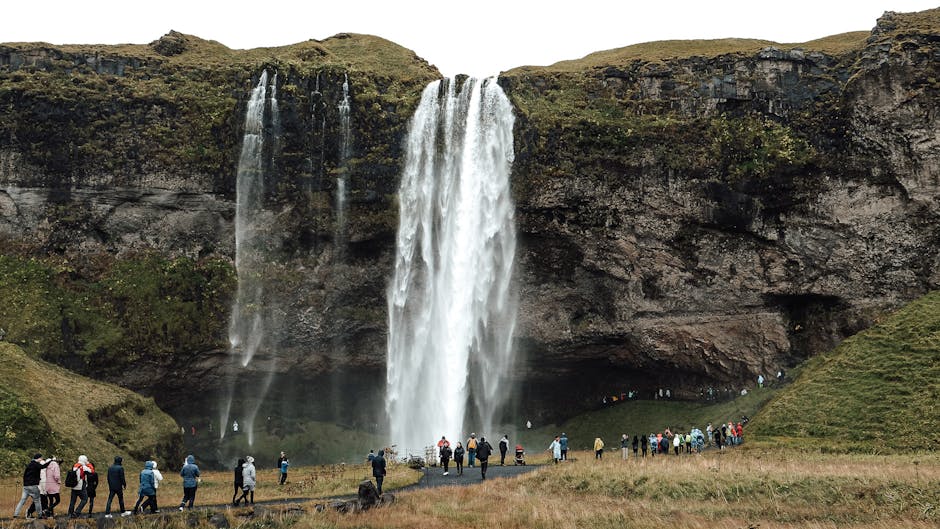
Support local businesses by buying handmade crafts, eating at family-run restaurants, and choosing small-group tours. Avoid overcrowded sites when possible—consider visiting lesser-known waterfalls like Hengifoss or Seljalandsfoss early in the morning.
Carbon offsetting your flight is a simple way to reduce your impact. Several airlines and third-party organizations offer this option at checkout.
Final Thoughts
Iceland is a destination that rewards careful planning and respect for nature. Whether you’re chasing waterfalls, soaking in geothermal pools, or standing beneath the Northern Lights, the country delivers moments of awe and connection.
Use this Iceland travel guide to shape your itinerary, pack wisely, and travel responsibly. With the right preparation, your trip will be safe, memorable, and deeply rewarding.
FAQ
What is the best time of year to see the Northern Lights in Iceland?
The Northern Lights are visible from late September to mid-April, with peak activity between December and February. Clear, dark skies away from city lights offer the best viewing conditions.
Do I need a 4×4 vehicle to drive around Iceland?
A standard 2WD car is sufficient for the Ring Road and main attractions. However, a 4×4 is required for highland roads, glacier access, and remote areas like the Westfjords or Landmannalaugar.
Is it safe to drive in Iceland during winter?
Driving in winter is possible but challenging due to snow, ice, and limited daylight. Check road conditions daily, avoid mountain passes, and ensure your rental includes winter tires and insurance.