Beach Travel Guide with Tropical Islands and Resorts
Planning your next beach getaway? This beach travel guide covers the best tropical islands and resorts for sun, sand, and relaxation. Whether you’re seeking luxury overwater villas, family-friendly beaches, or secluded coves, we’ve outlined top destinations, travel tips, and essential planning steps to help you choose the perfect tropical escape. From the Maldives to the Caribbean, discover what makes each location unique—and how to book with confidence.
Why Choose a Tropical Island Getaway
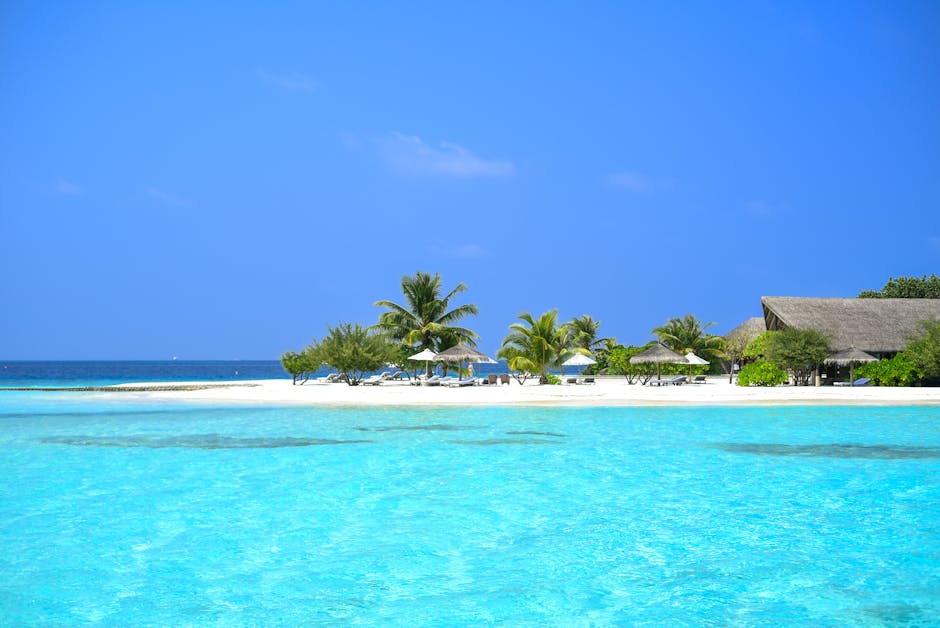
Tropical islands offer more than just scenic views. They provide a complete sensory experience: warm waters, gentle breezes, lush greenery, and vibrant marine life. These destinations are ideal for unwinding, reconnecting with nature, or celebrating special occasions.
Resorts on tropical islands often feature world-class amenities, including private beaches, spa services, and gourmet dining. Many are designed to blend seamlessly with their natural surroundings, offering both comfort and authenticity.
Unlike crowded city breaks, island stays emphasize tranquility and immersion. You’ll trade traffic for tide pools, and noise for the sound of waves.
Top Tropical Islands and Resorts to Visit
The Maldives: Overwater Luxury and Marine Wonders
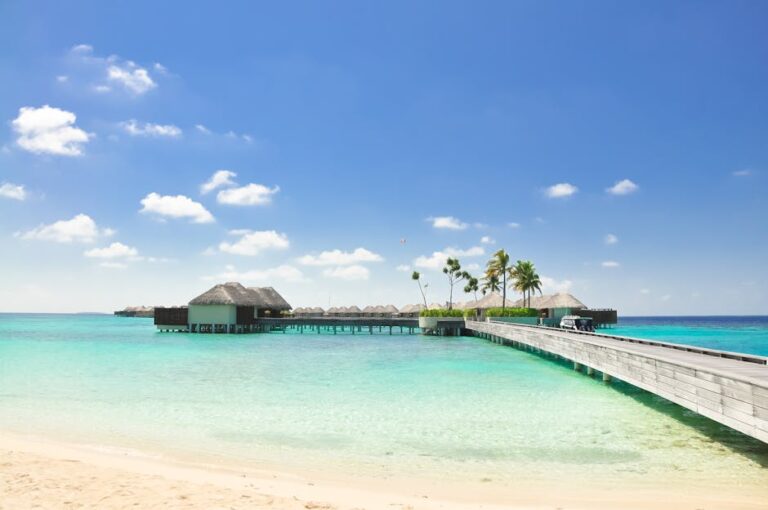
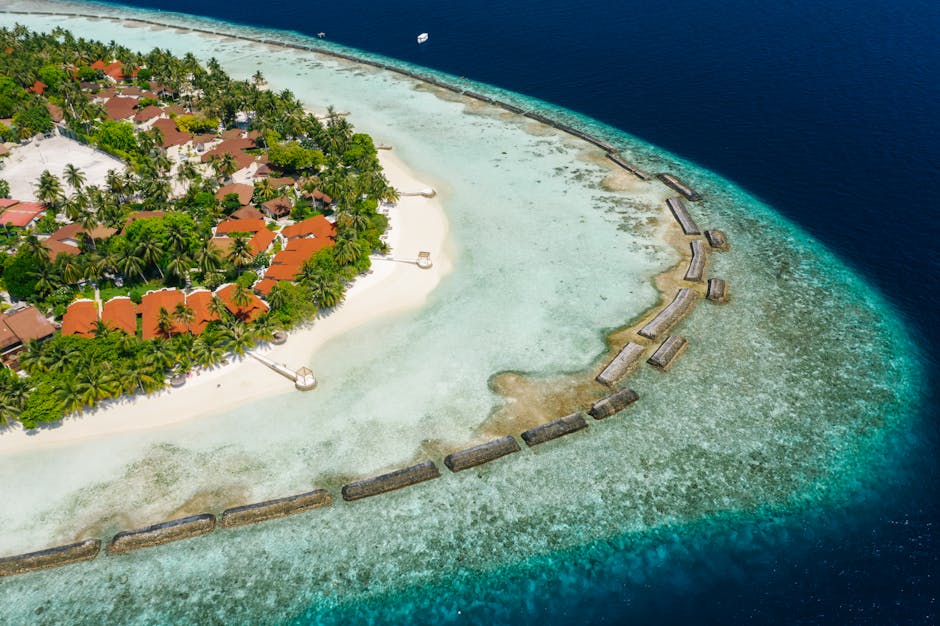
The Maldives is synonymous with luxury beach travel. Located in the Indian Ocean, this archipelago of 1,190 coral islands is known for its crystal-clear lagoons and overwater bungalows.
Resorts like Soneva Fushi and Conrad Maldives Rangali Island offer private pools, direct ocean access, and underwater restaurants. Many properties are accessible only by seaplane, adding to the sense of exclusivity.
The best time to visit is between November and April, when weather is dry and sunny. Avoid the monsoon season from May to October if possible.
Snorkeling and diving here are exceptional. Expect to see manta rays, whale sharks, and vibrant coral gardens. Some resorts even offer night snorkeling with bioluminescent plankton.
Bora Bora, French Polynesia: Iconic Lagoon Views
Bora Bora’s turquoise lagoon and Mount Otemanu make it one of the most photographed islands in the world. It’s a favorite for honeymoons and romantic escapes.
Four Seasons Resort Bora Bora and The St. Regis Bora Bora Resort provide overwater villas with glass floors for viewing marine life. Many include personal butler service and private decks.
Activities include shark and ray feeding tours, jet skiing, and sunset cruises. The island is compact, so most attractions are within easy reach.
Travelers should book flights to Tahiti first, then take a short domestic flight to Bora Bora. Pack reef-safe sunscreen—local regulations protect the fragile ecosystem.
Seychelles: Granite Boulders and Pristine Beaches
Seychelles, off East Africa’s coast, combines unique granite formations with powdery white sand. Anse Source d’Argent on La Digue Island is one of the most beautiful beaches globally.
Resorts like Six Senses Zil Pasyon and North Island Lodge offer eco-conscious luxury. Many are set on private islands with limited guest numbers.
The climate is warm year-round, with temperatures averaging 24–30°C (75–86°F). April and October are ideal for fewer crowds and calm seas.
Hiking, birdwatching, and kayaking are popular. The Aldabra Atoll, a UNESCO site, is home to the world’s largest population of giant tortoises.
The Caribbean: Diversity and Accessibility
The Caribbean offers a wide range of experiences across more than 700 islands. From the party vibe of Aruba to the quiet charm of St. Lucia, there’s something for every traveler.
Resorts like Jade Mountain in St. Lucia and Sandals Royal Barbados provide all-inclusive options with panoramic views. Many feature infinity pools, private terraces, and butler service.
Peak season runs from mid-December to April, but prices rise accordingly. Consider shoulder months like May or November for better deals and fewer tourists.
Be mindful of hurricane season, which runs from June to November. Travel insurance is strongly recommended during these months.
Thailand’s Islands: Affordable Paradise
Thailand’s southern islands, including Phuket, Koh Samui, and Koh Phi Phi, offer stunning beaches at a fraction of the cost of other tropical destinations.
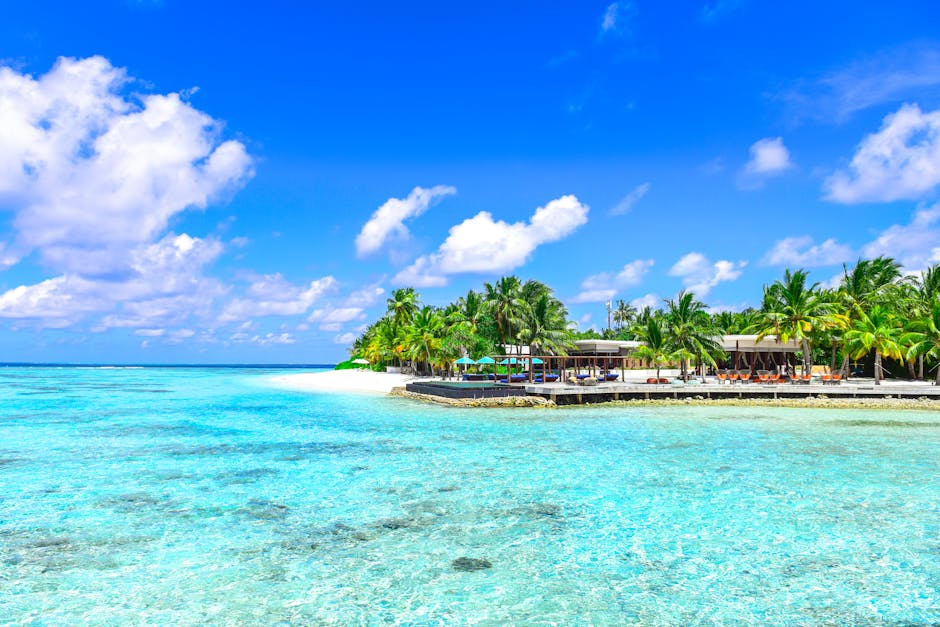
Resorts range from budget bungalows to five-star properties like The Slate Phuket and Four Seasons Koh Samui. Many include Thai spa treatments and local cuisine.
The dry season from November to March is best for beach travel. Avoid the monsoon months of May to October, especially on the Andaman Coast.
Island hopping is easy via ferries and speedboats. Popular routes include Phuket to Phang Nga Bay and Koh Samui to Koh Tao for diving.
How to Choose the Right Resort for Your Trip
Start by defining your priorities. Are you looking for romance, family fun, adventure, or total relaxation? Your goals will shape your destination and resort choice.
Consider the resort’s location. Beachfront properties offer immediate access, while hillside villas may provide better views but require shuttles.
Check guest reviews on trusted platforms like TripAdvisor or Google. Look for consistent feedback about cleanliness, service, and value.
Compare inclusions. All-inclusive resorts simplify budgeting, while à la carte options offer more flexibility. Some include meals, drinks, and activities; others charge separately.
Verify accessibility. Remote islands may require multiple flights or boat transfers. Ensure you’re comfortable with the logistics before booking.
Packing Essentials for a Tropical Beach Trip
Pack light, breathable clothing like linen shirts, sundresses, and swimwear. Quick-dry fabrics are ideal for humid climates.
Don’t forget reef-safe sunscreen, a wide-brimmed hat, and UV-protective sunglasses. Coral reefs are sensitive to chemical sunscreens—opt for mineral-based formulas.
Bring water shoes for rocky or coral-heavy beaches. Flip-flops are useful but may not provide enough support on uneven terrain.
A waterproof phone case or dry bag protects electronics during boat trips or snorkeling. Portable chargers help keep devices powered during long days outdoors.
Include a reusable water bottle to stay hydrated and reduce plastic waste. Many resorts offer filtered water stations.
Travel Tips for a Smooth Island Experience
Book flights and accommodations early, especially for peak seasons. Popular resorts fill up months in advance.
Check visa requirements and vaccination recommendations for your destination. Some countries require proof of onward travel or specific immunizations.
Use local currency or a no-foreign-transaction-fee credit card. ATMs may be limited on smaller islands.
Respect local customs and environmental rules. Avoid touching coral, feeding wildlife, or removing shells—these actions harm fragile ecosystems.
Stay hydrated and avoid excessive sun exposure. Heatstroke and dehydration are common risks in tropical climates.
Sustainable Travel on Tropical Islands
Choose eco-certified resorts that support conservation and local communities. Look for certifications like Green Globe or EarthCheck.
Support local businesses by dining at family-run restaurants and buying handmade souvenirs. This helps sustain the island’s economy.
Minimize plastic use. Bring a reusable straw, utensils, and shopping bag. Many islands struggle with waste management.
Participate in beach cleanups if offered. Some resorts organize volunteer programs for guests.
Offset your carbon footprint by contributing to verified climate projects. Air travel is a major emissions source for island trips.
Best Times to Visit Popular Tropical Destinations
Timing affects weather, crowds, and prices. Here’s a quick guide:
- Maldives: November to April (dry season)
- Bora Bora: May to October (cooler, less humid)
- Seychelles: April to May and October to November (shoulder seasons)
- Caribbean: December to April (peak season)
- Thailand: November to March (dry and cool)
Shoulder seasons often offer the best balance of good weather and lower prices. Avoid major holidays like Christmas and New Year if you prefer quieter settings.
Monitor weather forecasts before departure. Even in dry seasons, brief rain showers can occur.
Family-Friendly vs. Adults-Only Resorts
Family-friendly resorts offer kids’ clubs, shallow pools, and organized activities. Examples include Beaches Turks & Caicos and Club Med Punta Cana.
These properties often have spacious suites, babysitting services, and multiple dining options to accommodate picky eaters.
Adults-only resorts focus on tranquility and romance. They typically prohibit children under 16 or 18. Examples include Sandals Resorts and Secrets St. Martin.
These are ideal for couples seeking quiet beaches, couples’ massages, and fine dining without distractions.
Consider your group’s needs. Families with young children may prefer resorts with medical facilities nearby.
Romantic Escapes and Honeymoon Packages
Many tropical resorts offer honeymoon packages with perks like room upgrades, champagne, and private dinners on the beach.
Overwater villas with glass floors or private pools are especially popular for romantic getaways.
Look for resorts with sunset cruises, couples’ spa treatments, and candlelit dining options.
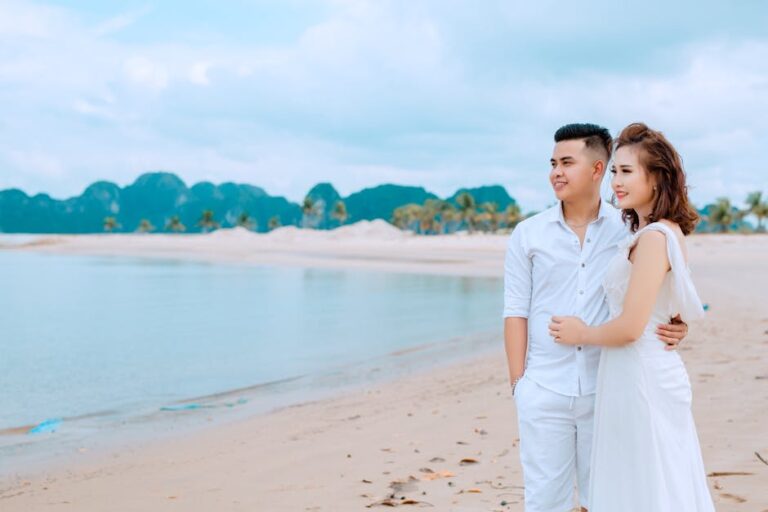
Some destinations, like the Maldives and Bora Bora, are specifically marketed as honeymoon havens. Packages may include photography sessions and flower arrangements.
Book early and mention your occasion during reservation. Resorts often provide complimentary upgrades or special touches.
Adventure Activities Beyond the Beach
Tropical islands offer more than sunbathing. Try snorkeling in Thailand’s Similan Islands, hiking in Seychelles’ Morne Seychellois National Park, or diving in the Caribbean’s Blue Hole.
Many resorts partner with local operators for guided tours. These include jungle treks, cultural village visits, and fishing excursions.
Water sports like kayaking, paddleboarding, and windsurfing are widely available. Some islands offer kiteboarding during windy seasons.
Always use certified guides and check safety records. Never swim alone in unfamiliar waters.
Budgeting for Your Tropical Island Trip
Costs vary widely. The Maldives and Bora Bora are among the most expensive, while Thailand and parts of the Caribbean offer more affordable options.
Factor in flights, accommodations, meals, activities, and transfers. All-inclusive packages can simplify budgeting but may limit flexibility.
Look for package deals that bundle flights and hotels. Airlines like Emirates and Qatar Airways often include resort discounts.
Set aside extra funds for souvenirs, tips, and unexpected expenses. Currency exchange rates can affect your total spend.
Health and Safety Considerations
Drink bottled or filtered water to avoid stomach issues. Avoid ice in drinks unless you’re sure it’s made from purified water.
Use insect repellent to prevent mosquito-borne illnesses like dengue or Zika. Wear long sleeves during dawn and dusk when mosquitoes are most active.
Know the location of the nearest medical facility. Remote islands may have limited healthcare services.
Carry a basic first-aid kit with bandages, antiseptic, and medications for diarrhea or pain.
Transportation Between Islands
Inter-island travel varies by region. In the Caribbean, ferries and short flights connect nearby islands. In the Maldives, speedboats and seaplanes are common.
Book transfers in advance, especially during peak season. Some resorts include airport transfers in their packages.
Check luggage policies for small aircraft. Weight limits are often strict on seaplanes and regional flights.
Allow extra time for connections. Delays can happen due to weather or scheduling.
What to Expect Upon Arrival
Most tropical islands have international airports, though some require connecting flights. Immigration and customs are usually straightforward.
Resort staff often greet guests with welcome drinks and leis. Luggage is typically delivered directly to your room.
Wi-Fi may be limited or slow on remote islands. Download maps and entertainment before you go.
Local time zones may differ from your home country. Adjust your watch upon landing to avoid confusion.
Making the Most of Your Stay
Start your day early to enjoy cooler temperatures and fewer crowds. Mornings are ideal for beach walks and water activities.
Try local cuisine. Fresh seafood, tropical fruits, and regional dishes are part of the experience. Don’t miss coconut-based curries in the Indian Ocean or jerk chicken in the Caribbean.
Take time to disconnect. Put your phone away during meals and sunset views. The goal is to relax and recharge.
Keep a travel journal or take photos to remember the moments. Some resorts offer digital photo packages.
FAQs
What is the best time of year to visit tropical islands?
The best time varies by region. Generally, dry seasons from November to April are ideal for most tropical destinations. Avoid monsoon and hurricane seasons when possible.
Are tropical island resorts safe for families?
Yes, many resorts are family-friendly with kids’ clubs, shallow pools, and supervised activities. Choose properties with medical facilities nearby and child-safe environments.
Do I need travel insurance for a beach vacation?
Yes, travel insurance is recommended. It covers trip cancellations, medical emergencies, and lost luggage—especially important for remote island destinations.