Travel Tips Guide with Essential Travel Advice
Planning a trip can be exciting, but without the right preparation, it can quickly become stressful. This travel tips guide delivers essential travel advice to help you pack smarter, stay safe, save money, and make the most of your journey. Whether you’re heading to a bustling city or a remote beach, these practical strategies will keep your trip smooth and enjoyable.
From choosing the right luggage to navigating foreign airports, every detail counts. We’ll walk you through proven methods used by seasoned travelers—no fluff, just real-world solutions. By the end, you’ll have a clear action plan for your next adventure.
Plan Ahead: The Foundation of a Great Trip
Good travel starts long before you board the plane. A well-thought-out itinerary reduces stress and helps you avoid last-minute surprises. Begin by researching your destination’s weather, local customs, and entry requirements.
Book flights and accommodations early to secure better rates. Use comparison sites like Google Flights or Skyscanner to track price trends. For hotels, read recent reviews and check cancellation policies—flexibility is key.
Create a Travel Itinerary That Works
An itinerary doesn’t have to be rigid. Instead, build in flexibility by grouping activities by location. For example, visit museums and cafes in the same neighborhood on one day to minimize transit time.
Include buffer time between major activities. Rushing from one site to another leads to fatigue. Aim for two to three main activities per day, max. Leave room for spontaneous discoveries—some of the best travel moments happen off the schedule.
Check Passport and Visa Requirements
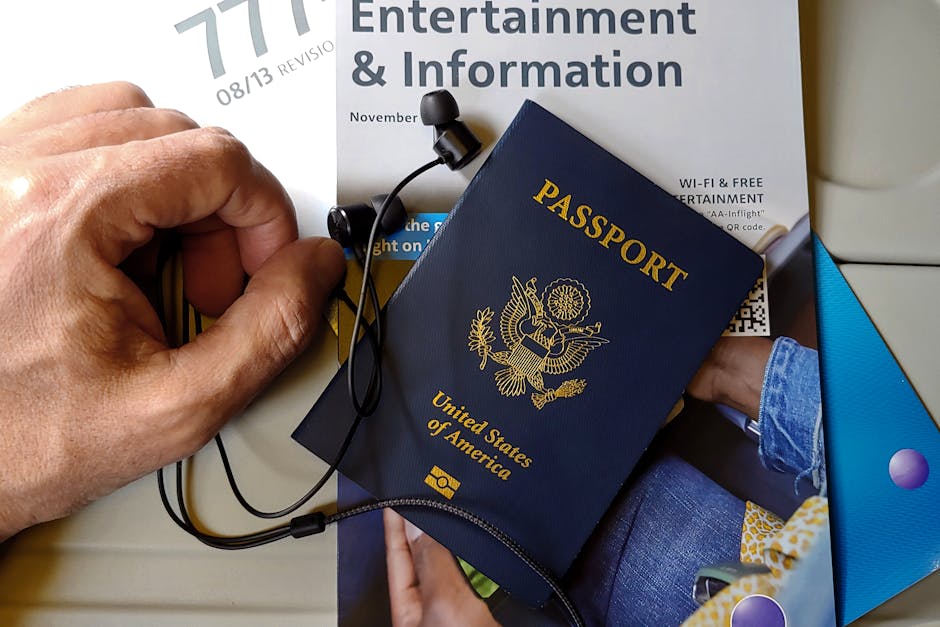
Your passport should be valid for at least six months beyond your return date. Many countries enforce this rule strictly. Check your government’s travel advisory website for up-to-date visa and health requirements.
Apply for visas well in advance. Some countries offer e-visas or visa-on-arrival, but processing times vary. Keep digital and printed copies of all travel documents in separate locations.
Packing Smart: What to Bring and What to Leave Behind
Overpacking is a common mistake. Stick to a carry-on when possible—it saves time, money, and hassle. Airlines often charge extra for checked bags, and lost luggage is a real risk.
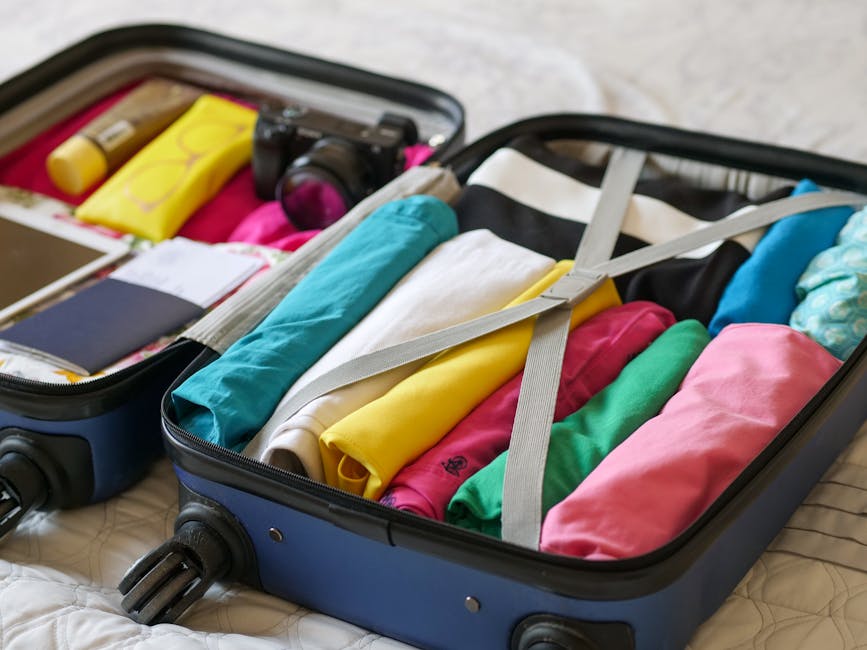
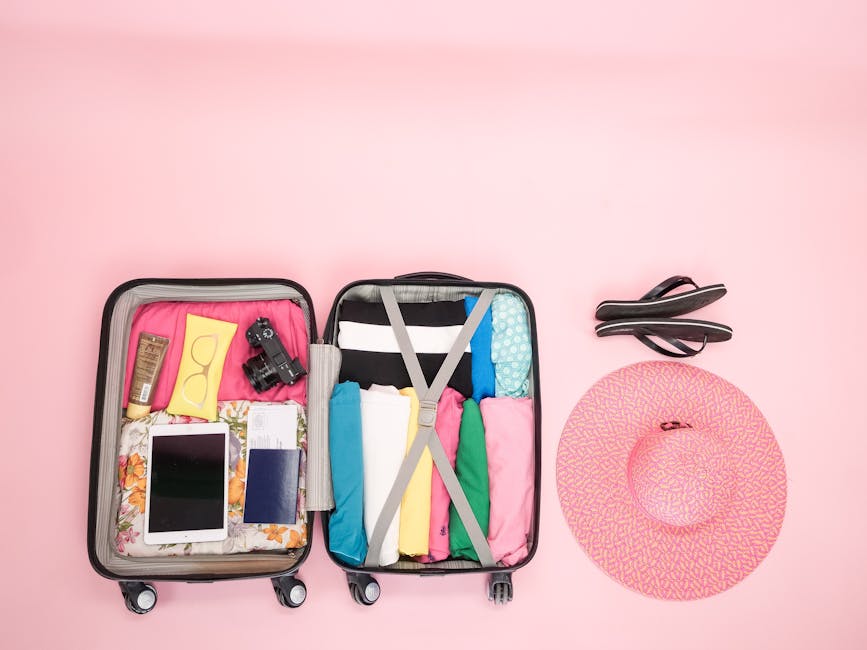
Use packing cubes to organize clothes and compress bulkier items. Roll garments instead of folding to save space and reduce wrinkles. Pack versatile pieces that can be mixed and matched.
Essential Items to Pack
Bring a lightweight daypack for daily excursions. Include a reusable water bottle, portable charger, and universal power adapter. These small items make a big difference.
Don’t forget medications, copies of prescriptions, and basic first-aid supplies. Pack them in your carry-on in case your checked luggage is delayed. Include a small travel lock for securing your belongings in hostels or shared accommodations.
What Not to Pack
Avoid bringing expensive jewelry or unnecessary electronics. They’re easy targets for theft and add weight. Leave bulky books at home—opt for an e-reader instead.
Check airline restrictions on liquids and sharp objects. Most toiletries should be in containers under 100ml and stored in a clear, resealable bag. When in doubt, leave it out.
Save Money Without Sacrificing Experience
Travel doesn’t have to break the bank. With smart choices, you can stretch your budget and still enjoy authentic experiences. Start by traveling during the shoulder season—just before or after peak times.
Accommodation and flight prices are often 20–40% lower, and popular sites are less crowded. For example, visiting Paris in late September offers pleasant weather and fewer tourists than July.
Use Public Transportation
Taxis and ride-shares add up quickly. Instead, use local buses, trams, or metro systems. They’re affordable and give you a real sense of daily life in a city.
Buy multi-day transit passes when available. In cities like Tokyo or Berlin, these passes offer unlimited travel and significant savings. Download local transit apps for real-time schedules and route planning.
Eat Like a Local
Skip touristy restaurants near major attractions. Walk a few blocks away and look for places filled with locals. Street food and neighborhood markets often serve delicious, authentic meals at a fraction of the price.
In Bangkok, a bowl of pad thai from a street vendor costs around $2. In contrast, a similar dish in a hotel restaurant might cost $15. The flavor difference is minimal, but the savings are real.
Stay Safe and Healthy on the Road
Your safety is the top priority. Stay aware of your surroundings, especially in crowded areas or unfamiliar neighborhoods. Avoid displaying large amounts of cash or expensive gadgets.
Keep digital copies of your passport, ID, and travel insurance in a secure cloud storage account. Share your itinerary with a trusted friend or family member.
Get Travel Insurance
Travel insurance is non-negotiable. It covers medical emergencies, trip cancellations, and lost luggage. Medical care abroad can be extremely expensive—some hospital bills exceed $10,000 for minor procedures.
Read the policy details carefully. Ensure it covers adventure activities if you plan to hike, scuba dive, or ski. Many basic plans exclude high-risk activities.
Stay Hydrated and Rested
Jet lag and long travel days can weaken your immune system. Drink plenty of water, especially on flights. The cabin air is dry and dehydrating.
Avoid alcohol and caffeine before bedtime. Instead, try herbal tea or light stretching to help your body adjust. Prioritize sleep—your body needs rest to stay healthy and alert.
Navigate Airports and Borders Like a Pro
Airport stress is avoidable with the right approach. Arrive at the airport at least two hours early for domestic flights and three hours for international ones. Security lines can be unpredictable.
Use mobile boarding passes when possible. They’re faster and reduce paper clutter. Keep your ID and passport easily accessible during check-in and security checks.
Know Your Rights at Customs
Each country has different rules about what you can bring in. Prohibited items include fresh food, certain medications, and large amounts of cash. Declare everything honestly to avoid fines.
If questioned, stay calm and polite. Customs officers have the authority to search your belongings. Having receipts and documentation helps resolve issues quickly.
Use Airport Lounges Wisely
Lounges offer quiet space, free Wi-Fi, and complimentary snacks. Access is often included with premium credit cards or airline status. Even a short visit can make a long layover more comfortable.
Some lounges allow day passes for a fee. Check availability before your flight. They’re especially useful during delays or cancellations.
Respect Local Cultures and Customs
Travel is about connection. Showing respect for local traditions builds positive interactions and enriches your experience. Learn a few basic phrases in the local language—greetings like “hello,” “thank you,” and “excuse me” go a long way.
Dress appropriately, especially in religious or conservative areas. In places like Dubai or rural Japan, modest clothing is expected. Avoid loud conversations or public displays of affection where they’re frowned upon.
Support Local Economies
Choose locally owned businesses over international chains. Eat at family-run restaurants, shop at markets, and book tours with local guides. Your spending directly supports the community.
Ask locals for recommendations. They often know hidden gems that don’t appear in guidebooks. A simple “Where do you eat breakfast?” can lead to an unforgettable meal.
Stay Connected and Organized
Reliable communication keeps you safe and informed. Purchase a local SIM card or use an international roaming plan. Wi-Fi is not always available or secure.
Download offline maps and translation apps before you go. Google Maps allows you to save areas for offline use. Google Translate can scan signs and menus in real time.
Keep Track of Important Information
Use a travel app or notebook to store key details: flight numbers, hotel addresses, emergency contacts, and reservation codes. Update it regularly.
Set calendar reminders for check-in times, visa expiration dates, and medication schedules. A little organization prevents big problems.
Handle Travel Mishaps Gracefully
Delays, cancellations, and lost items happen—even to the best-prepared travelers. Stay calm and know your options. Contact your airline or accommodation provider immediately.
Most airlines provide meal vouchers or hotel stays for long delays. Keep receipts for unexpected expenses—travel insurance may reimburse them.
What to Do If You Lose Your Passport
Report the loss to local police and your country’s embassy or consulate. They can issue an emergency travel document. Keep a photocopy of your passport in a separate bag as proof of identity.
Stay near the embassy if possible. Processing times vary, but most emergency passports are issued within 24–48 hours.
Make the Most of Your Return Home
Travel doesn’t end when you land. Take time to reflect on your trip. Journal your experiences, organize photos, and share stories with friends.
Review what worked and what didn’t. Did you overpack? Was your itinerary too packed? Use these insights to improve your next journey.
Start planning your next adventure. Even a weekend getaway benefits from the same preparation. The more you travel, the more confident and efficient you’ll become.
FAQ
What should I do if my flight is canceled?
Contact the airline immediately. You’re entitled to rebooking, refunds, or compensation depending on the reason and local laws. Keep all receipts for meals and lodging.
How much should I budget for daily expenses while traveling?
It varies by destination. In cities like Lisbon or Bangkok, $30–$50 per day covers food, transport, and basic activities. In places like Zurich or Oslo, expect $70–$100 or more.
Is it safe to drink tap water abroad?
Check local advisories. In most of Western Europe and Japan, tap water is safe. In parts of Southeast Asia, Central America, or rural areas, stick to bottled water.