Denmark Travel Guide: Top Attractions and Travel Tips
Denmark blends historic charm with modern design, making it a standout destination in Northern Europe. From the colorful harbor of Copenhagen to the fairy-tale castles of North Zealand, this compact country offers a rich mix of culture, nature, and innovation. Whether you’re exploring Viking history, cycling through cobbled streets, or sampling New Nordic cuisine, Denmark delivers a travel experience that’s both accessible and deeply rewarding. This guide covers must-see attractions, practical travel tips, and local insights to help you plan a smooth and memorable trip.
Why Visit Denmark?
Denmark consistently ranks among the world’s happiest countries, and its appeal extends far beyond surveys. The country’s emphasis on work-life balance, sustainability, and design is evident in its cities and countryside. Copenhagen, the capital, is a hub of cycling culture, cutting-edge architecture, and Michelin-starred dining. Beyond the city, Denmark’s coastline, islands, and countryside offer peaceful escapes and outdoor adventures.
Travelers are drawn to Denmark for its safety, efficiency, and English-friendly environment. Most locals speak fluent English, making navigation and communication easy. The public transport system is reliable and well-connected, allowing seamless travel between cities and regions. Whether you’re a first-time visitor or returning for a deeper exploration, Denmark offers something for every type of traveler.
Top Attractions in Denmark
Copenhagen: The Heart of Denmark
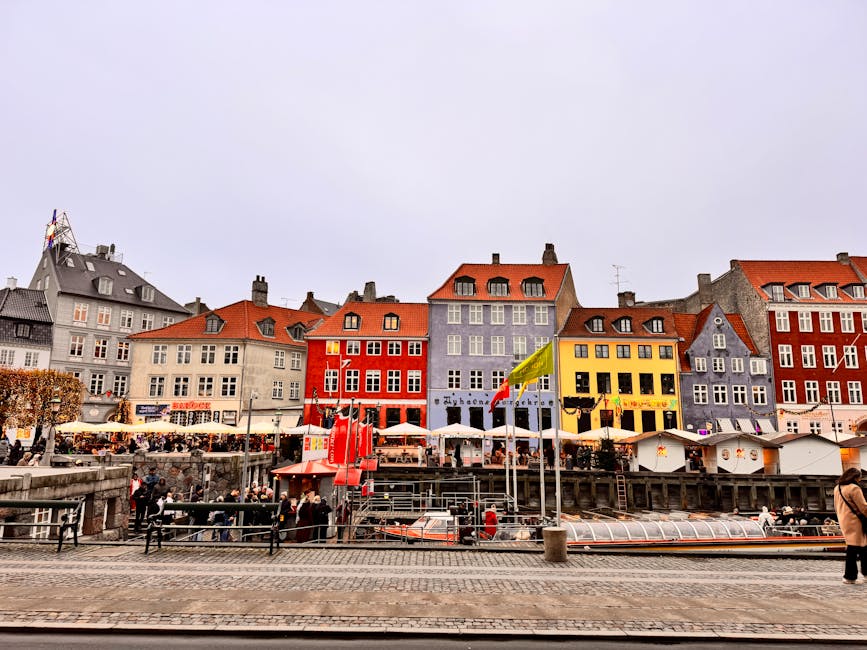
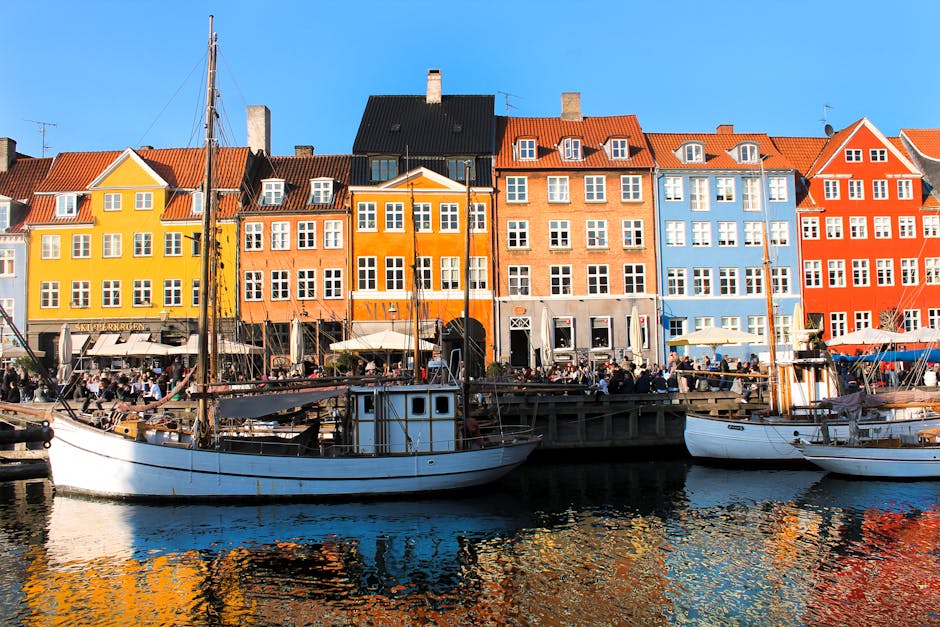
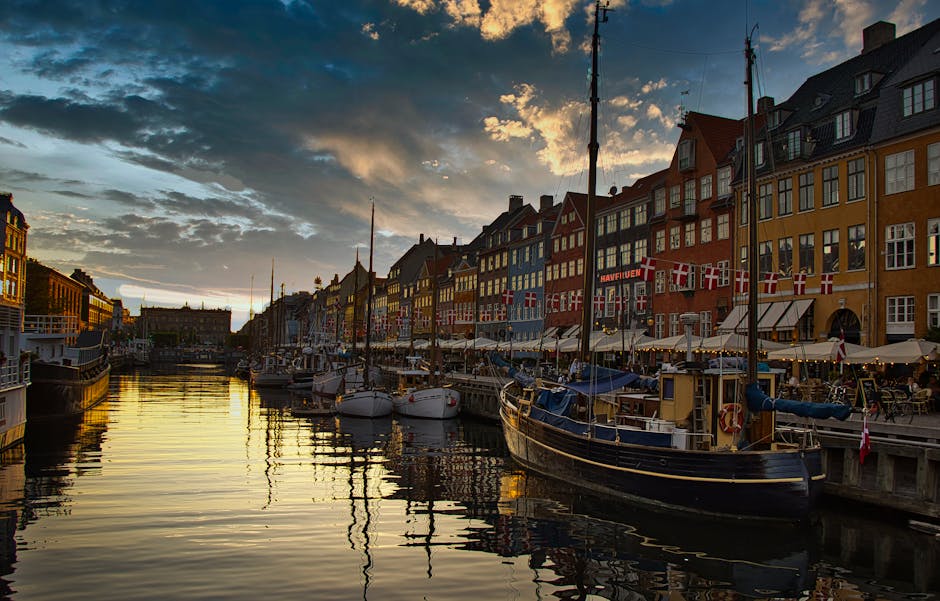
Copenhagen is more than just a capital—it’s a cultural and culinary capital of Scandinavia. Start your visit at Nyhavn, the iconic waterfront lined with 17th-century townhouses and sailing ships. It’s perfect for photos, but also for a canal tour that reveals the city from the water.
Just a short walk away, Amager Strandpark offers urban beach vibes with white sand and clear water. For history lovers, Rosenborg Castle houses the Danish crown jewels and is surrounded by the King’s Garden, a peaceful green space in the city center.
The Round Tower (Rundetaarn) provides panoramic views of Copenhagen’s rooftops and spires. Climb the spiral ramp—no stairs—and enjoy a unique perspective of the old Latin Quarter. Don’t miss the National Museum of Denmark, which traces the country’s story from the Vikings to modern times.
Tivoli Gardens: Amusement with Elegance
Opened in 1843, Tivoli Gardens is one of the oldest amusement parks in the world and a beloved Copenhagen landmark. It’s not just for kids—Tivoli blends rides, gardens, and live performances in a beautifully landscaped setting.
Evening visits are especially magical, with thousands of lights illuminating the grounds. The park hosts concerts, fireworks, and seasonal events like Halloween and Christmas markets. Try the wooden roller coaster, Rutschebanen, which has been thrilling visitors since 1914.
The Little Mermaid and Langelinie Promenade
The Little Mermaid statue, inspired by Hans Christian Andersen’s fairy tale, sits on a rock at the end of Langelinie Pier. While small in size, it’s a symbol of Copenhagen and a must-see for many visitors.
Walk along the promenade to enjoy views of the harbor and the striking Copenhagen Opera House. The area is also home to the modern Cisternerne museum, set in a former underground water reservoir.
Christianshavn and the Christiania Community
Christianshavn is a charming district built on canals, resembling Amsterdam. It’s known for its colorful houses, houseboats, and relaxed atmosphere. Rent a kayak or join a guided boat tour to explore the waterways.
Within Christianshavn lies Freetown Christiania, a self-proclaimed autonomous neighborhood founded in 1971. It’s famous for its alternative lifestyle, street art, and open-air markets. While photography is restricted in some areas, walking through Christiania offers a glimpse into Denmark’s counterculture history.
Rosenborg Castle and the King’s Garden
Rosenborg Castle, built in the early 17th century, is a Renaissance masterpiece that now serves as a museum. Inside, you’ll find the Danish crown jewels, royal regalia, and lavish chambers preserved in their original state.
The surrounding King’s Garden (Kongens Have) is Copenhagen’s oldest park and a popular spot for locals to relax. In spring, the cherry blossoms bloom, creating a picturesque setting. The garden also features the statue of Hans Christian Andersen and the Baroque-style Frederik’s Church, known as the “Marble Church.”
Malmö and the Øresund Bridge
Just a 35-minute train ride from Copenhagen, Malmö, Sweden, is easily accessible via the Øresund Bridge. This engineering marvel connects Denmark and Sweden, symbolizing regional cooperation.
In Malmö, visit the Turning Torso skyscraper, designed by Santiago Calatrava, and explore the cobbled streets of Gamla Staden (Old Town). The city offers a mix of Swedish charm and international flair, with excellent cafes and design shops.
Exploring Beyond Copenhagen
North Zealand: Castles and Coastlines
North Zealand, a short train ride from Copenhagen, is home to some of Denmark’s most iconic castles. Kronborg Castle in Helsingør is a UNESCO World Heritage Site and the setting of Shakespeare’s Hamlet. The castle’s dramatic architecture and sea views make it a highlight.
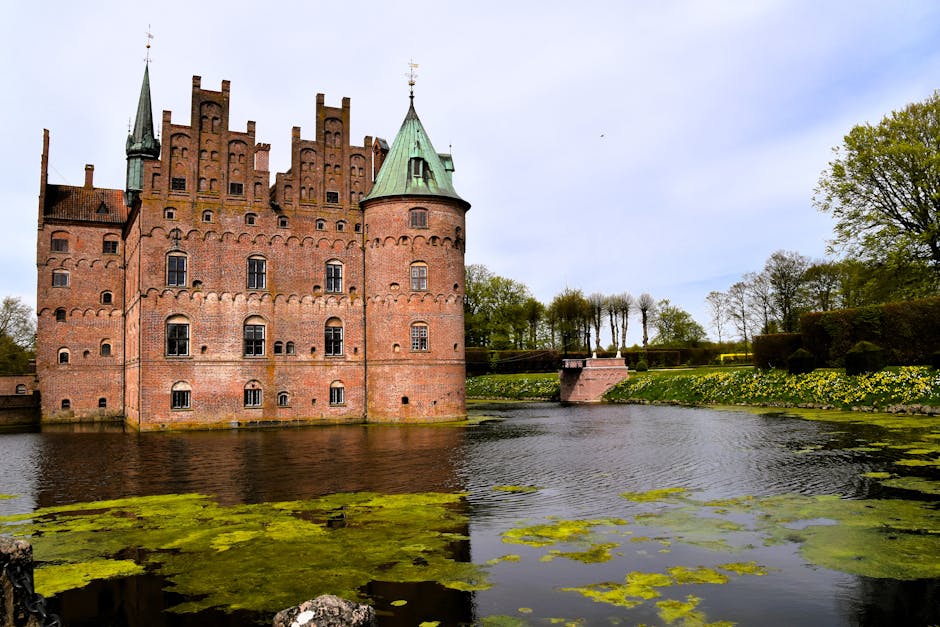
Frederiksborg Castle in Hillerød sits on an island in a lake and houses the Museum of National History. The surrounding gardens are perfect for a stroll, especially in autumn when the foliage turns golden.
The coastal town of Gilleleje offers fresh seafood and a working fishing harbor. It’s a great base for exploring the Danish Riviera and the scenic Gribskov Forest.
Aarhus: Denmark’s Second City
Aarhus, located on the Jutland peninsula, is a vibrant cultural hub with a youthful energy. The city is home to ARoS Aarhus Art Museum, known for its rainbow panorama walkway and impressive collection of Danish art.
Den Gamle By (The Old Town) is an open-air museum showcasing Danish urban life from the 16th to 20th centuries. Wander through reconstructed streets, shops, and homes to experience historical daily life.
Aarhus also boasts a thriving food scene, with markets like Aarhus Street Food offering global cuisine in a relaxed setting. The nearby Mols Bjerge National Park provides hiking trails and stunning views of the rolling hills and coastline.
Odense: Home of Hans Christian Andersen
Odense, on the island of Funen, is the birthplace of Hans Christian Andersen. Visit the Hans Christian Andersen Museum to learn about his life and stories that have enchanted readers worldwide.
The city’s old quarter features half-timbered houses and cobbled streets, giving it a storybook feel. Don’t miss the Odense River, where you can take a guided boat tour through the city center.
Funen is also known for its agricultural landscape and orchards. Visit a local farm or cider producer to sample regional specialties.
The Danish Islands: Bornholm and Møn
Bornholm, located in the Baltic Sea, offers a different side of Denmark. Known for its granite cliffs, sandy beaches, and unique round churches, the island feels like a world apart.</p
The town of Gudhjem is famous for its smoked herring (røget ørred), best enjoyed at a local smokehouse. The Hammershus ruins, a medieval fortress, provide dramatic views of the coastline.
Møn, connected to Zealand by bridge, is quieter and ideal for nature lovers. The Møns Klint chalk cliffs rise 120 meters above the sea and are surrounded by lush beech forests. Hiking trails lead to viewpoints and hidden coves.
Travel Tips for Visiting Denmark
Best Time to Visit
The ideal time to visit Denmark is from late May to early September, when the weather is mild and daylight lasts well into the evening. Summer months offer the warmest temperatures and the most festivals, but also the highest tourist numbers.
Spring (April–May) is great for seeing blooming gardens and fewer crowds. Autumn (September–October) brings crisp air and colorful foliage, especially in rural areas. Winter can be cold and dark, but Christmas markets and hygge-inspired experiences make it charming for some travelers.
Getting Around
Denmark has an excellent public transportation system. Trains connect major cities and towns efficiently, operated by DSB (Danish State Railways). A trip from Copenhagen to Aarhus takes about 3 hours.
In cities, buses, metro, and trains are integrated under the Rejsekort or contactless payment systems. Copenhagen’s metro runs 24/7 and is clean, safe, and punctual. For flexibility, consider renting a car to explore rural areas and islands, though parking in cities can be expensive.
Cycling is a way of life in Denmark. Most cities have dedicated bike lanes, and bike-sharing programs like Bycyklen in Copenhagen offer electric bikes for rent. Always follow traffic rules and lock your bike securely.
Accommodation Options
Denmark offers a range of accommodations, from luxury hotels to budget hostels and cozy guesthouses. In Copenhagen, areas like Vesterbro, Nørrebro, and Østerbro are popular for their central locations and vibrant atmospheres.
For a unique experience, stay in a countryside bed and breakfast or a historic inn. On islands like Bornholm, seaside cabins and boutique hotels provide a peaceful retreat. Book in advance during peak season, especially for summer weekends and holidays.
Food and Dining
Danish cuisine has evolved from traditional smørrebrød (open-faced sandwiches) to innovative New Nordic dishes. Try smørrebrød with pickled herring, roast pork, or shrimp at a local café. Copenhagen’s Torvehallerne market is a great place to sample street food and artisanal products.
For fine dining, Denmark boasts several Michelin-starred restaurants, including Noma, which has been named one of the world’s best restaurants multiple times. Reservations are essential and often booked months in advance.
Coffee culture is strong—expect high-quality brews and relaxed café environments. Don’t leave without trying a Danish pastry (wienerbrød), best enjoyed fresh from a local bakery.
Money and Costs
Denmark uses the Danish krone (DKK). While credit cards are widely accepted, it’s wise to carry some cash for small purchases, markets, or rural areas.
Denmark is not the cheapest destination in Europe. Budget travelers should expect to spend around 800–1,200 DKK per day, including accommodation, food, and transport. Mid-range travelers may spend 1,500–2,500 DKK daily. Look for combo tickets, city passes, and free walking tours to save money.
Language and Communication
Danish is the official language, but nearly all Danes speak fluent English. You’ll have no trouble communicating in hotels, restaurants, and public transport. Learning a few basic Danish phrases—like “tak” (thank you) or “undskyld” (excuse me)—is appreciated.
Free Wi-Fi is widely available in cafes, hotels, and public spaces. Consider getting a local SIM card or using an eSIM for data while traveling.
Safety and Etiquette
Denmark is one of the safest countries in the world, with low crime rates and a strong sense of social trust. Petty theft is rare, but remain cautious in crowded tourist areas.
Danes value punctuality, personal space, and direct communication. Avoid loud conversations in public and respect quiet hours in residential areas. Tipping is not expected, as service charges are usually included.
Packing Essentials
Pack layers, even in summer. Danish weather can change quickly, and coastal areas are often windy. A waterproof jacket and comfortable walking shoes are must-haves.
Bring a reusable water bottle—tap water is safe and high-quality. If you plan to cycle, consider packing a lightweight lock and helmet. For rural trips, a power adapter (Type K) and offline maps can be helpful.
Final Thoughts
Denmark offers a balanced mix of history, design, nature, and modern living. Whether you’re drawn to its royal palaces, innovative food scene, or peaceful countryside, the country rewards thoughtful exploration. With efficient transport, English-friendly locals, and a strong emphasis on quality of life, Denmark is a destination that’s as easy to navigate as it is enjoyable to experience. Use this Denmark travel guide to plan your itinerary, avoid common pitfalls, and make the most of your Scandinavian adventure.
FAQ
What is the best way to get from Copenhagen Airport to the city center?
The fastest and most convenient option is the train, which takes about 15 minutes and runs every 10–20 minutes. Tickets can be purchased at machines or via the DOT Tickets app. Taxis and buses are also available.
Do I need a visa to visit Denmark?
Travelers from the EU, US, Canada, Australia, and many other countries do not need a visa for stays up to 90 days. Check the Danish Immigration Service website for the latest requirements based on your nationality.
Is Denmark expensive for tourists?
Yes, Denmark is one of the more expensive European destinations. However, with smart planning—such as using public transport, eating at local cafes, and visiting free attractions—you can manage costs effectively.