Best Travel Tips for Packing Light and Smart Travel
Packing light doesn’t mean sacrificing comfort—it means traveling smarter. With the right approach, you can fit everything you need into a single carry-on bag and breeze through airports without checked luggage fees or lost baggage stress. This guide shares proven strategies to help you pack efficiently, choose versatile gear, and make every item count. Whether you’re heading on a weekend getaway or a month-long adventure, these best travel tips for packing light will save you time, money, and hassle.
Why Packing Light Matters
Traveling with less isn’t just a trend—it’s a practical advantage. Airlines increasingly charge for checked bags, and overweight fees can add up fast. A lighter load means more flexibility, easier mobility, and fewer delays.
Consider this: a study by the International Air Transport Association found that over 25 million bags were mishandled globally in 2023. Travelers who skip checked luggage avoid this risk entirely. Plus, navigating crowded streets, public transit, or narrow hostel hallways becomes far easier with just a backpack or small suitcase.
Beyond convenience, packing light encourages intentionality. You’ll think twice before tossing in that extra pair of shoes or three nearly identical shirts. The result? A streamlined trip focused on experiences, not excess.
How to Choose the Right Luggage
Your bag is the foundation of smart travel. Opt for a carry-on-sized suitcase (typically 22″ x 14″ x 9″) or a 30–40L travel backpack. Both should have sturdy wheels or comfortable straps, multiple compartments, and durable zippers.
Hard-shell suitcases protect fragile items but weigh more. Soft-shell bags are lighter and often expandable, making them ideal for variable packing needs. For city travel, a backpack with a laptop sleeve and anti-theft features adds security and comfort.
Test your bag before you go. Fill it with your essentials and carry it through your home. If it feels awkward or too heavy when half-full, consider a smaller or lighter model. Remember: every ounce counts when you’re on the move.
Recommended Bag Features
- Compression straps to secure contents
- Water-resistant fabric for unexpected weather
- Separate shoe compartment to keep clothes clean
- TSA-approved locks for security
Master the Art of Clothing Selection
Clothes take up the most space—and weight—in your luggage. The key is choosing versatile, mix-and-match pieces that work across multiple outfits and occasions.
Stick to a neutral color palette: black, navy, gray, or olive. These shades coordinate easily and hide dirt better than bright colors. Add one or two accent pieces—like a patterned scarf or colored shirt—for variety without bulk.
Limit yourself to one pair of walking shoes, one pair of dressier shoes (if needed), and one pair of sandals or slip-ons. Wear your bulkiest shoes—like boots—on travel days to save space.
Sample 7-Day Capsule Wardrobe
- 4 tops (2 short-sleeve, 2 long-sleeve)
- 2 bottoms (1 pants, 1 shorts or skirt)
- 1 dress or outfit for evenings
- 1 lightweight jacket or cardigan
- 7 pairs of underwear and socks
- 1 sleepwear set
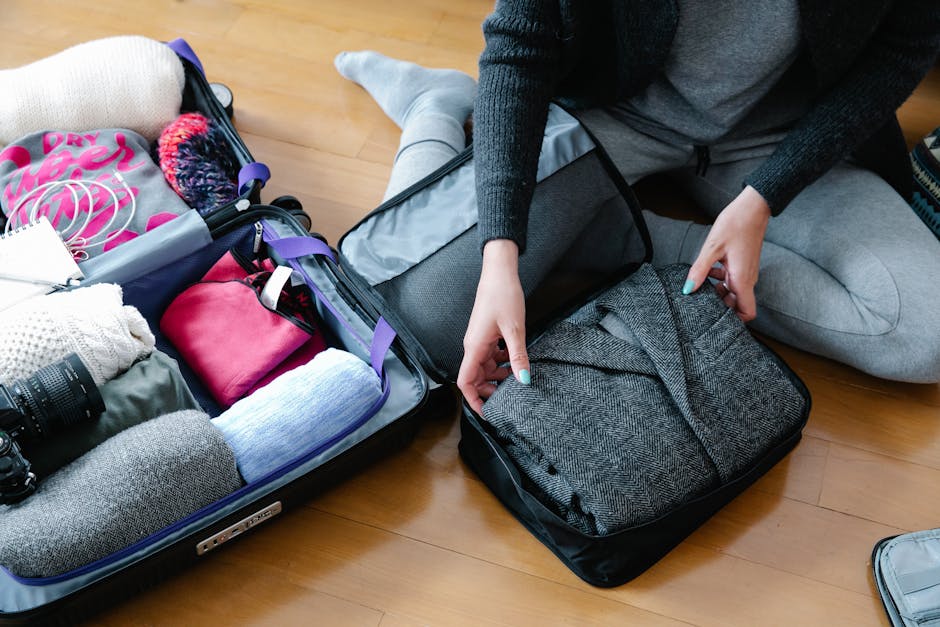
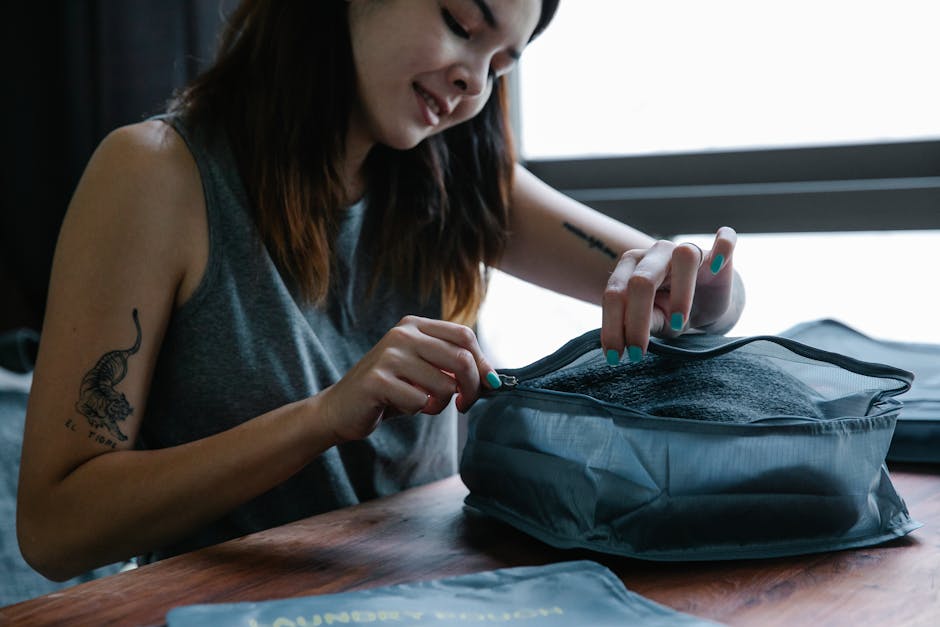
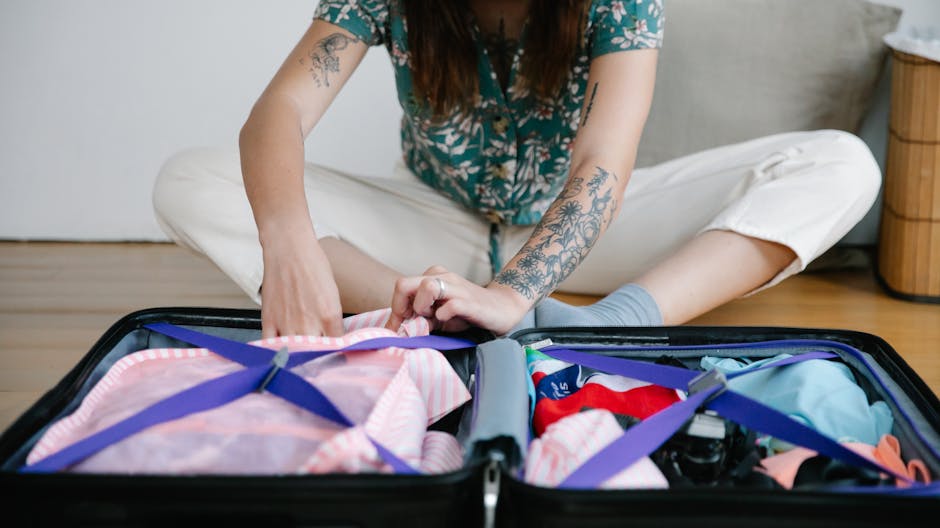
This setup allows for 10+ outfit combinations with minimal items. Roll clothes instead of folding to save space and reduce wrinkles. Use packing cubes to group items by category—tops in one, bottoms in another—for quick access.
Pack Smart: Essentials Only
Beyond clothes, focus on multi-use items. A sarong can serve as a beach cover-up, picnic blanket, or scarf. A bandana works as a hair tie, face cover, or napkin.
Toiletries should be travel-sized and TSA-compliant. Use refillable bottles for shampoo, conditioner, and body wash. Many hotels provide these, so check ahead to avoid duplicates.
Electronics: Bring only what you’ll use. A smartphone replaces a camera, e-reader, and flashlight for many travelers. If you need a laptop, choose a lightweight model and carry it in a padded sleeve.
What to Leave Behind
- Hair dryers and straighteners (most accommodations have them)
- Books (use an e-reader or download audiobooks)
- Multiple pairs of sunglasses or jewelry
- Snacks (buy locally to save weight and support small businesses)
Ask yourself: “Will I use this at least once a day?” If not, leave it home. Remember, you can usually buy forgotten items at your destination—often cheaper than paying to carry them.
Use Packing Tools and Techniques
Packing cubes are game-changers. They compress clothes, prevent shifting, and make unpacking at hotels faster. Choose cubes in different sizes: small for underwear, medium for tops, large for jackets.
Vacuum bags are useful for bulky items like puffer jackets, but avoid over-compressing delicate fabrics. They’re best for seasonal trips where you need extra insulation.
Shoe bags keep dirty soles away from clean clothes. Use mesh bags for laundry—they double as organizers during your trip and make washing clothes in sinks easier.
Digital tools can also help. Apps like PackPoint generate packing lists based on destination, weather, and trip length. While not perfect, they’re a great starting point.
Pro Packing Sequence
- Place heavy items (shoes, toiletries) at the bottom, near the wheels.
- Roll or fold clothes and place them in packing cubes.
- Fill gaps with small items like chargers or socks.
- Keep daily essentials (passport, phone, wallet) in an easily accessible outer pocket.
Dress for the Journey, Not Just the Destination
Your travel day outfit should be comfortable, weather-appropriate, and functional. Wear layers: a t-shirt, light sweater, and jacket allow you to adapt to changing temperatures.
Choose wrinkle-resistant fabrics like merino wool or synthetic blends. Avoid jeans if you’ll be walking long distances—opt for stretchy travel pants instead.
Footwear matters. Supportive, broken-in shoes prevent blisters and fatigue. Bring compression socks for long flights to improve circulation and reduce swelling.
Don’t forget a compact daypack. Use it for day trips, shopping, or carrying essentials while your main bag stays at the hotel. Look for one that folds into its own pocket.
Plan for Laundry on the Road
You don’t need a fresh outfit every day. Plan to do light laundry every 3–4 days. Most hotels have sinks, and many offer affordable laundry services.
Pack a small bottle of concentrated detergent or use shampoo in a pinch. Hand-wash items in the sink, rinse thoroughly, and hang to dry. Microfiber towels dry quickly and take up little space.
Quick-dry clothing is essential for this strategy. Brands like Patagonia, Unbound Merino, and Columbia offer travel-friendly fabrics that resist odor and dry in hours.
For longer trips, consider a portable clothesline or suction-cup hangers. These fit in small spaces and let you air-dry clothes in your room.
Stay Organized During Your Trip
Unpacking completely at your accommodation helps maintain order. Use drawer dividers or small containers to separate items. Keep your bag zipped when not in use to avoid clutter.
Create a “launching pad” near the door with your daypack, keys, wallet, and phone. This reduces last-minute scrambling and ensures you don’t forget essentials.
At the end of each day, do a quick reset. Return items to their cubes, charge devices, and prepare for the next morning. A few minutes of routine prevent chaos.
Use a travel wallet or document organizer for passports, tickets, and boarding passes. Keep digital copies in your phone as backups.
Common Packing Mistakes to Avoid
Overpacking “just in case” is the biggest error. You’ll rarely use that formal outfit or extra pair of heels. Stick to your list and trust your planning.
Ignoring weight limits is another pitfall. Even if your bag fits, airlines may enforce carry-on weight restrictions—especially on budget carriers. Weigh your bag before leaving home.
Packing liquids in large bottles leads to spills and security delays. Use 3.4-ounce (100ml) containers and store them in a clear, quart-sized bag.
Forgetting adapters or chargers can ruin a trip. Bring a universal power adapter and a portable battery pack. Label cords to avoid confusion.
Red Flags to Watch For
- Your bag feels heavy when empty
- You can’t lift it into an overhead bin alone
- You’re wearing multiple layers just to carry clothes
- You’re bringing duplicates of the same item
Final Checklist Before You Go
Run through this list the night before departure:
- Passport, ID, and travel documents
- Boarding passes (printed or digital)
- Phone, charger, and power bank
- Headphones and adapter
- Medications in original containers
- Travel insurance info
- Copies of important documents (digital and physical)
- Reusable water bottle (fill after security)
Weigh your bag one last time. If it’s over 15 pounds (7 kg) when empty, reconsider your load. Aim for a total weight under 25 pounds (11 kg) for easy handling.
FAQ
How many outfits should I pack for a 10-day trip?
You don’t need 10 outfits. With a capsule wardrobe of 4–5 versatile pieces and a plan to do light laundry every few days, you can comfortably cover 10 days with just 5–6 clothing items.
Can I bring a carry-on and a personal item on most airlines?
Yes, most airlines allow one carry-on bag and one personal item (like a purse or small backpack) at no extra cost. Check your airline’s size and weight limits before flying.
What’s the best way to pack shoes without wasting space?
Wear your bulkiest shoes on travel days. For extra pairs, stuff them with socks or small items, then place them in a shoe bag at the bottom of your luggage, soles facing out.
Conclusion
Mastering the best travel tips for packing light transforms how you experience travel. It’s not about deprivation—it’s about freedom. With thoughtful planning, the right gear, and a few smart habits, you can move through the world with ease, confidence, and less baggage—both literal and figurative.
Start small: try a weekend trip with just a carry-on. Notice how much smoother your journey feels. Over time, these practices become second nature, opening the door to more spontaneous, stress-free adventures.
Travel light, travel smart, and make room for what truly matters: the journey.