Travel Tips Guide for Solo Travelers with Safety Advice
Solo travel offers freedom, self-discovery, and unforgettable experiences—but it also demands extra preparation and awareness. Whether you’re exploring a bustling city or hiking remote trails, staying safe while traveling alone starts with smart planning and informed choices. This guide covers essential travel tips for solo travelers, with a strong focus on safety, practical strategies, and real-world advice to help you navigate unfamiliar places with confidence.
Plan Ahead: Research and Preparation
Thorough planning is your first line of defense when traveling solo. Start by researching your destination’s culture, local customs, transportation options, and safety conditions. Government travel advisories—such as those from the U.S. Department of State or the UK Foreign Office—offer reliable updates on political stability, health risks, and crime rates.
Create a detailed itinerary that includes accommodations, key attractions, and emergency contacts. Share this with a trusted friend or family member back home. Even if you prefer spontaneity, having a basic plan ensures someone knows your general whereabouts and can raise the alarm if needed.
Choose Safe Accommodations
Where you stay matters. Opt for reputable hotels, hostels with strong reviews, or verified short-term rentals in well-lit, central areas. Read recent guest feedback focusing on safety, cleanliness, and staff responsiveness. Avoid isolated properties or those located in poorly lit neighborhoods.
Upon arrival, locate emergency exits, note the nearest police station or hospital, and test locks and windows. If something feels off—like a broken door lock or suspicious activity—request a room change or consider switching accommodations.
Pack Smart and Light
Traveling solo means you’re responsible for every item you carry. Pack only what you need: versatile clothing, essential toiletries, medications, and important documents. Use packing cubes to stay organized and reduce clutter.
Keep digital and physical copies of your passport, visa, travel insurance policy, and identification. Store them separately—for example, leave a copy at your accommodation and carry another in a secure bag. Consider using a money belt or hidden pouch for cash and cards.
Stay Connected and Informed
Reliable communication is critical. Purchase a local SIM card or an international data plan to stay online. Download offline maps, translation apps, and ride-hailing services before you arrive. Google Maps, for instance, works offline once downloaded and helps you navigate without constant internet access.
Check in regularly with someone at home—even a quick text message can make a difference. Use messaging apps like WhatsApp or Signal, which work over Wi-Fi and are widely used globally.
Use Technology Wisely
Smartphones are powerful tools, but they can also make you a target. Avoid displaying expensive gadgets in crowded areas. Use anti-theft backpacks with slash-proof material and lockable zippers. Enable “Find My Device” features on your phone and laptop so you can track or remotely wipe them if stolen.
Be cautious with public Wi-Fi. Never access banking or sensitive accounts on unsecured networks. Use a reputable VPN to encrypt your connection when necessary.
Blend In and Stay Aware
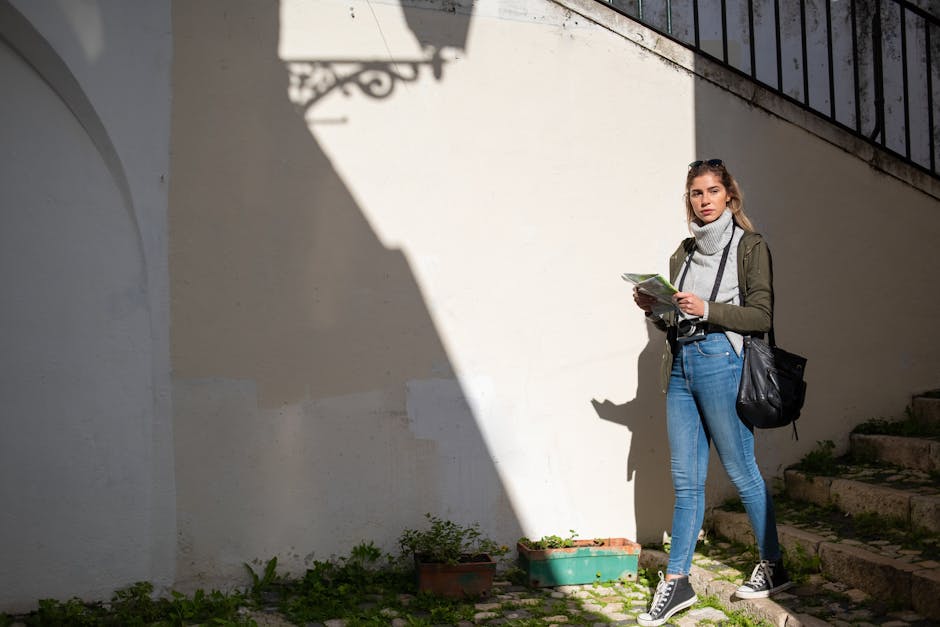
One of the best ways to stay safe is to avoid drawing unnecessary attention. Dress modestly and in line with local customs—this shows respect and reduces the risk of unwanted stares or harassment. In many countries, flashy jewelry or designer logos can signal wealth and attract pickpockets.
Stay alert in public spaces. Avoid using headphones at high volumes, especially when walking alone at night. Keep your phone in your pocket unless actively using it. Situational awareness helps you spot potential risks before they escalate.
Avoid Risky Situations
Trust your instincts. If a situation feels uncomfortable—like a crowded alley, an overly persistent stranger, or a poorly lit street—leave immediately. It’s better to be overly cautious than regretful.
Avoid walking alone late at night, especially in unfamiliar areas. Use trusted transportation like registered taxis or ride-sharing apps. In cities like Bangkok or Mexico City, official taxis are often safer than unmarked vehicles.
Be wary of overly friendly strangers offering unsolicited help, tours, or drinks. Scammers often target solo travelers with fake guides, rigged games, or spiked beverages. Politely decline and walk away.
Transportation Safety Tips
Getting around safely is a major concern for solo travelers. Research local transit systems before you go. In cities like Tokyo or Berlin, public transportation is efficient and safe. In others, it may be unreliable or risky after dark.
When using buses or trains, sit near other passengers or in well-lit areas. Avoid empty compartments. Keep your belongings close and never leave them unattended.
Rideshares and Taxis
Use official taxi stands or apps like Uber, Bolt, or Grab, which provide driver details and route tracking. Always confirm the driver’s name and car model before getting in. Share your ride details with someone you trust.
Never accept rides from unmarked vehicles or individuals offering “cheap rides.” In some destinations, fake taxis are a known scam. Stick to verified services.
Walking and Cycling
If you’re walking, stick to main roads and avoid shortcuts through parks or alleys, especially at night. Wear reflective clothing if cycling after dark. Always wear a helmet and follow local traffic rules.
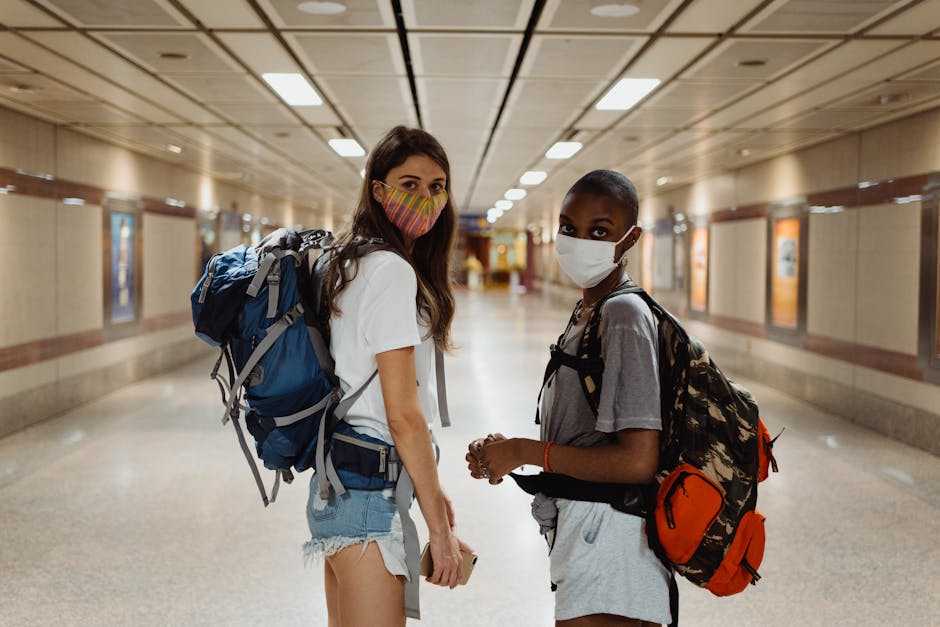
In tourist-heavy areas, be cautious of distractions like street performers or fake petitions—these can be tactics used by pickpockets to steal your belongings while you’re distracted.
Health and Emergency Preparedness
Health risks can arise anywhere, and solo travelers have no one to rely on but themselves. Visit your doctor before departure to discuss vaccinations, medications, and health precautions. Carry a basic first-aid kit with bandages, antiseptic, pain relievers, and any prescription drugs.
Drink bottled or filtered water in regions with questionable tap water. Avoid raw foods, unpeeled fruits, and street food from unhygienic vendors. In Southeast Asia, for example, traveler’s diarrhea is common—pack oral rehydration salts just in case.
Know Emergency Numbers
Save local emergency numbers in your phone: police, ambulance, fire department, and your country’s nearest embassy or consulate. In many countries, 112 is a universal emergency number that connects to local services.
If you feel unwell or unsafe, don’t hesitate to seek help. Most hotels and hostels have staff trained to assist travelers in emergencies. Contact your travel insurance provider immediately if you need medical care or evacuation.
Money and Document Safety
Managing money wisely reduces stress and risk. Carry a mix of cash and cards. Use ATMs located inside banks or secure locations—avoid standalone machines in dark alleys. Cover your hand when entering your PIN.
Notify your bank of your travel plans to prevent card blocks. Use credit cards for larger purchases when possible, as they offer better fraud protection than debit cards.
Protect Your Documents
Your passport is your most important document. Keep the original in a hotel safe and carry a photocopy or digital scan. Store digital copies in encrypted cloud storage or email them to yourself.
If your passport is lost or stolen, report it immediately to local police and your embassy. Most embassies can issue emergency travel documents, but the process can take time—having copies speeds things up.
Cultural Sensitivity and Local Etiquette
Respecting local customs builds goodwill and keeps you safe. Learn a few basic phrases in the local language—greetings, “thank you,” and “excuse me” go a long way. In countries like Japan or South Korea, bowing or removing shoes indoors shows respect.
Dress codes vary widely. In conservative regions like parts of the Middle East or rural India, covering shoulders and knees is expected. Research dress norms before you go to avoid offending locals or attracting unwanted attention.
Photography etiquette matters too. Always ask before photographing people, especially in indigenous communities or religious sites. In some places, taking photos of government buildings or military sites is illegal.
Building Confidence and Enjoying the Journey
Solo travel can be intimidating at first, but confidence grows with experience. Start with shorter trips to nearby destinations before attempting longer or more remote journeys. Each trip builds skills and resilience.
Join group tours or meetups for part of your trip. Platforms like Meetup, Couchsurfing Events, or hostel-organized activities help you connect with others without compromising your independence.
Keep a journal or blog to reflect on your experiences. Writing helps process challenges and celebrate small victories—like navigating a foreign subway system or ordering food in another language.
Common Mistakes to Avoid
Even experienced travelers make errors. One common mistake is overpacking, which slows you down and increases the risk of losing items. Another is underestimating travel time—always allow extra time for delays, especially when catching flights or buses.
Avoid sharing too much personal information with strangers. While it’s natural to chat with fellow travelers, don’t disclose your full itinerary, room number, or financial details.
Don’t ignore local laws. What’s acceptable at home might be illegal abroad. For example, chewing gum is banned in Singapore, and public drinking is restricted in many European cities.
Final Thoughts: Travel Smart, Stay Safe
Solo travel is one of the most rewarding ways to see the world. With the right preparation, awareness, and mindset, you can explore confidently and safely. Remember: safety isn’t about fear—it’s about empowerment. The more you know, the freer you’ll feel.
Use this travel tips guide as a checklist before your next adventure. Update your plans as conditions change, and always prioritize your well-being. The world is full of incredible places waiting to be discovered—on your terms.
FAQ
Q: Is it safe for solo female travelers to explore popular destinations?
Yes, many destinations are safe for solo female travelers, especially in Western Europe, Canada, Australia, and parts of Southeast Asia. Research your destination, stay in well-reviewed accommodations, and follow local safety norms. Trust your instincts and avoid risky situations.
Q: What should I do if I get lost while traveling alone?
Stay calm and find a safe, public place like a café, shop, or police station. Use offline maps or ask a trusted local for directions. Avoid showing confusion in isolated areas. Always carry a physical map as a backup.
Q: How can I meet people while traveling solo without compromising safety?
Join group tours, stay in social hostels, or attend local events through apps like Meetup or Couchsurfing. Always meet in public places, let someone know your plans, and avoid sharing personal details too quickly.