Top Adventure Travel Destinations for Outdoor Activities
If you’re searching for the best places to fuel your passion for outdoor adventure, you’re in the right place. Whether you crave mountain summits, white-water rapids, or remote trails under open skies, the world offers countless destinations that deliver unforgettable experiences. From the rugged peaks of Patagonia to the tropical jungles of Costa Rica, these top adventure travel destinations combine natural beauty with thrilling activities like hiking, climbing, kayaking, and wildlife safaris. This guide highlights standout locations where outdoor enthusiasts can test their limits, connect with nature, and create lasting memories.
Why Adventure Travel Matters
Adventure travel isn’t just about adrenaline—it’s about transformation. Stepping outside your comfort zone in wild settings builds resilience, deepens self-awareness, and fosters a stronger connection to the planet. Unlike traditional tourism, adventure travel emphasizes active participation, cultural immersion, and environmental stewardship.
These trips often support local economies and promote conservation efforts. Whether you’re trekking through a national park or learning traditional fishing techniques from indigenous guides, the experience becomes more meaningful when it’s rooted in authenticity and respect.
How to Choose the Right Adventure Destination
Selecting the ideal location depends on your fitness level, interests, and travel goals. Are you drawn to high-altitude challenges or serene backcountry paddling? Do you prefer guided expeditions or solo exploration? Start by identifying your preferred activities and the type of terrain that excites you.
Consider the season and weather patterns. A summer trek in the Alps differs vastly from a winter climb in the Himalayas. Research local regulations, permit requirements, and safety standards. Always prioritize destinations with reputable outfitters and clear emergency protocols.
Key Factors to Evaluate
- Skill Level: Match the destination’s difficulty to your experience. Beginners should avoid technical climbs or remote wilderness areas without support.
- Accessibility: Some locations require multiple flights, long drives, or specialized gear. Factor in travel time and logistics.
- Safety Record: Check recent incident reports and government travel advisories. Avoid regions with political instability or high crime rates.
- Environmental Impact: Choose eco-conscious operators that follow Leave No Trace principles and support conservation.
Top Adventure Travel Destinations for Outdoor Activities
1. Patagonia, Chile & Argentina
Spanning southern Chile and Argentina, Patagonia is a mecca for outdoor adventurers. Its dramatic landscapes—glaciers, granite towers, and windswept steppes—offer endless opportunities for hiking, mountaineering, and wildlife watching.
Torres del Paine National Park in Chile is famous for the W Trek and O Circuit, multi-day hikes that traverse valleys, forests, and glacial lagoons. Nearby, El Chaltén in Argentina serves as a base for climbing Mount Fitz Roy, one of the most iconic peaks in South America.
For water lovers, kayaking among icebergs in Laguna San Rafael or rafting the Río Futaleufú provides heart-pounding excitement. The region’s low population density ensures solitude and pristine conditions, though weather can change rapidly—pack layers and be prepared for wind.
2. Queenstown, New Zealand
Known as the “Adventure Capital of the World,” Queenstown delivers nonstop action against a backdrop of snow-capped mountains and crystal-clear lakes. Bungee jumping originated here with the Kawarau Bridge jump in 1988, and the town still leads in extreme sports innovation.
Skydiving over Lake Wakatipu offers panoramic views of the Southern Alps, while jet boating through narrow canyons reaches speeds over 80 km/h. In winter, nearby ski fields like Coronation Park attract snowboarders and freeriders.
Hikers can explore the Routeburn Track or the less-crowded Greenstone Valley. Mountain biking trails wind through beech forests and alpine meadows. With so many options, Queenstown suits both thrill-seekers and those seeking moderate outdoor challenges.
3. Moab, Utah, USA
Nestled between Arches and Canyonlands National Parks, Moab is a desert playground for rock climbers, mountain bikers, and off-roaders. The red rock landscape, carved by millennia of erosion, creates a surreal environment for exploration.
Slickrock Trail is legendary among bikers for its continuous, grippy sandstone surface. Climbers tackle iconic formations like Delicate Arch and Castleton Tower, though permits are required for some routes. Jeep tours through Hell’s Revenge or Fins and Things offer adrenaline-fueled desert rides.
Rafters and kayakers navigate the Colorado River, which cuts through deep canyons and past ancient petroglyphs. Summer temperatures can exceed 100°F, so early morning starts and ample hydration are essential. Spring and fall offer the most comfortable conditions.
4. Costa Rica
Costa Rica blends biodiversity with adventure. With coastlines on both the Pacific and Caribbean, it offers surfing, zip-lining, whitewater rafting, and volcano hikes—all within a compact, accessible country.
Manuel Antonio National Park combines rainforest trails with pristine beaches, where you might spot sloths, capuchin monkeys, and scarlet macaws. The Arenal Volcano region features hot springs, canopy tours, and waterfall rappelling.
On the Pacific side, Tamarindo and Nosara are surf towns with consistent waves for all levels. The Pacuare River, rated Class III–IV, is one of the world’s top rafting destinations, with lush jungle scenery and indigenous community visits along the route.
Costa Rica’s strong eco-tourism model ensures that adventure activities support conservation and local communities. Most tours are led by certified guides who emphasize sustainability.
5. Nepal
For high-altitude adventurers, Nepal is unmatched. Home to eight of the world’s ten tallest peaks, including Everest, it draws climbers, trekkers, and spiritual seekers alike.
The Everest Base Camp trek remains one of the most popular routes, offering stunning views of the Khumbu Icefall and Sherpa culture. For a less crowded alternative, the Annapurna Circuit circles a massive mountain range with diverse ecosystems—from subtropical forests to arid high plateaus.
Paragliding in Pokhara provides serene flights over Phewa Lake and the Himalayas. White-water rafting on the Trishuli or Bhote Koshi rivers combines thrills with cultural stops in rural villages.
Altitude sickness is a real risk. Ascend gradually, stay hydrated, and recognize symptoms like headaches and nausea. Hire experienced guides and use reputable agencies to ensure safety.
6. Iceland
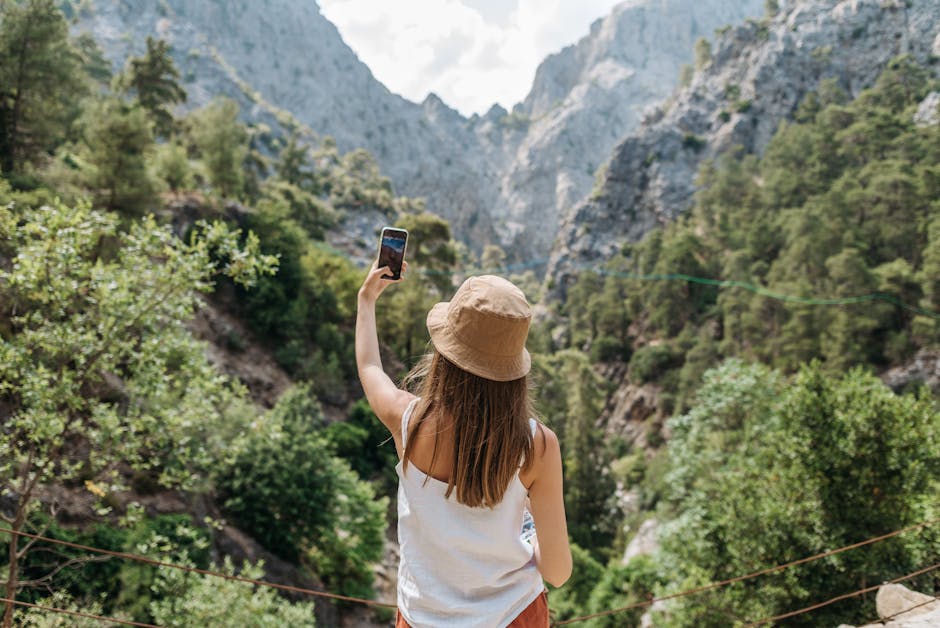
Iceland’s otherworldly terrain—volcanoes, glaciers, geysers, and black sand beaches—makes it a top destination for unique outdoor adventures. The country’s compact size allows travelers to experience diverse landscapes in a short time.
Glacier hikes on Vatnajökull, Europe’s largest ice cap, require crampons and guides but reward with surreal ice caves and crevasses. Ice climbing on Sólheimajökull offers technical challenges for experienced climbers.
The Laugavegur Trail connects Landmannalaugar and Þórsmörk, passing rhyolite mountains, hot springs, and glacial rivers. In winter, Northern Lights tours combine aurora viewing with snowshoeing or super-jeep excursions.
Weather is unpredictable. Even in summer, temperatures hover near freezing at higher elevations. Waterproof gear and layered clothing are non-negotiable. Always check road conditions, especially on the highland F-roads.
7. Tasmania, Australia
Tasmania’s wild landscapes—dense rainforests, alpine plateaus, and rugged coastlines—offer solitude and raw natural beauty. Over 40% of the island is protected as national parks or reserves.
Cradle Mountain-Lake St Clair National Park features the Overland Track, a six-day trek through buttongrass plains and glacial valleys. The Bay of Fires on the east coast is ideal for sea kayaking and beach camping, with orange-hued rocks and clear waters.
For climbers, the Organ Pipes and Frenchmans Cap present challenging granite faces. The Tasman Peninsula offers sea cave exploration and dolphin sightings. Winter brings snow to higher elevations, enabling cross-country skiing in places like Mount Field.
Wildlife includes wombats, Tasmanian devils, and rare birds like the forty-spotted pardalote. Respect protected areas and follow biosecurity rules to prevent invasive species.
8. Norway
Norway’s fjords, mountains, and northern lights create a dramatic stage for outdoor adventure. The country’s “right to roam” law allows free access to most natural areas, encouraging exploration.
The Lofoten Islands combine fishing villages with jagged peaks, perfect for hiking, climbing, and surfing. The Preikestolen (Pulpit Rock) hike ends with a vertigo-inducing view over Lysefjord.
In winter, Tromsø and Narvik offer dog sledding, snowmobiling, and Northern Lights tours. The Hurtigruten coastal ferry provides a scenic route through fjords and past glaciers. Summer brings the midnight sun, enabling 24-hour hiking in places like Jotunheimen National Park.
Pack for variable conditions. Even in July, mountain temperatures can drop below freezing. Use GPS and maps—cell service is limited in remote areas.
Essential Tips for Safe and Responsible Adventure Travel
Safety should always come first. Research your destination thoroughly and understand the risks associated with each activity. Avalanches, flash floods, and wildlife encounters are real hazards in many regions.
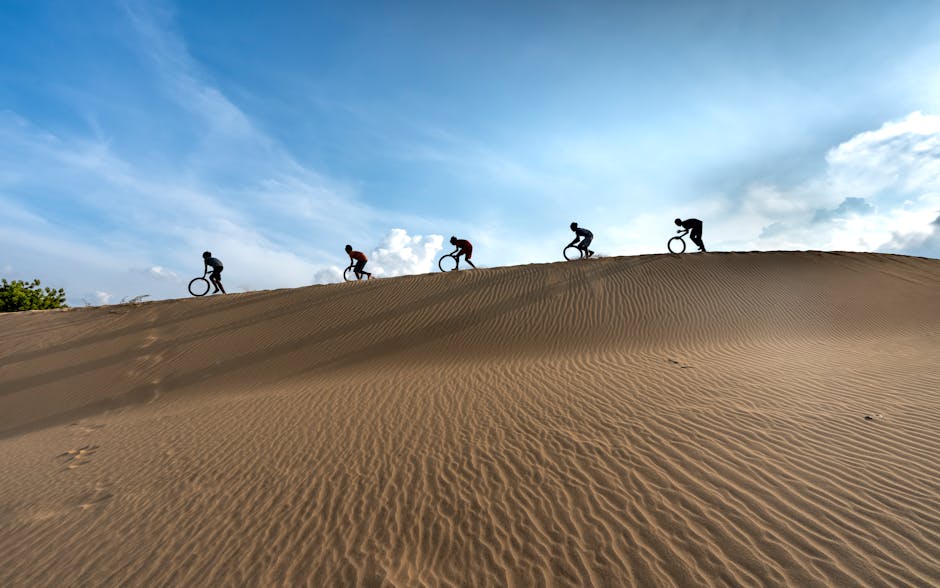
Invest in quality gear suited to the environment. A good backpack, weather-appropriate clothing, and reliable footwear make a significant difference. Test equipment before departure.
Inform someone of your itinerary and expected return time. Carry a satellite communicator in remote areas where cell service is unavailable. Learn basic first aid and wilderness survival skills.
Respect local cultures and environments. Stay on marked trails, pack out all trash, and avoid disturbing wildlife. Support local guides and businesses to ensure your trip benefits the community.
Planning Your Next Adventure
Start by setting a realistic budget. Adventure travel can be expensive, especially when factoring in gear, permits, and guided tours. Look for package deals or shoulder-season discounts to reduce costs.
Book accommodations and permits early, especially for popular destinations like Torres del Paine or Everest Base Camp. Some trails limit daily entries to protect the environment.
Consider joining a group tour for first-time visitors to unfamiliar regions. Experienced leaders handle logistics and enhance safety. Solo travelers should prioritize destinations with strong infrastructure and emergency services.
Finally, embrace flexibility. Weather, trail conditions, and personal energy levels can change plans. The best adventures often include unexpected detours and spontaneous discoveries.
FAQ
What is the best time of year to visit Patagonia for outdoor activities?
The ideal time is during the Southern Hemisphere summer, from November to March. Days are longer, temperatures are milder, and most trails and refuges are open. Winter travel is possible but limited to specific areas and requires advanced preparation.
Do I need special training to hike the Everest Base Camp trek?
No technical climbing skills are required, but you should be in good physical condition and able to walk 5–7 hours per day at high altitude. Acclimatization days are built into most itineraries to reduce the risk of altitude sickness.
Is it safe to go whitewater rafting in Costa Rica as a beginner?
Yes, many rivers like the Reventazón and Sarapiquí offer Class II–III rapids suitable for beginners. Always go with a certified outfitter, wear a life jacket, and follow your guide’s instructions. Avoid rafting during heavy rains when water levels rise dangerously.