Wildlife Travel Guide with Budget Friendly Safari Tips
Planning a safari doesn’t have to break the bank. With smart planning and insider knowledge, you can experience incredible wildlife encounters without overspending. This guide covers practical, budget-friendly safari tips—from choosing affordable destinations to packing smart and avoiding hidden costs—so you can focus on the adventure, not the price tag.
Why Choose a Budget Safari?
Many travelers assume safaris are only for luxury seekers, but that’s a myth. Budget safaris offer the same thrilling wildlife experiences at a fraction of the cost. Whether you’re tracking lions in Kenya or spotting rhinos in Tanzania, affordable options exist without sacrificing safety or authenticity.
Opting for a budget-friendly safari means more flexibility. You can extend your trip, add cultural visits, or save for future adventures. With the right strategy, you’ll gain unforgettable memories while keeping your wallet intact.
Top Budget Safari Destinations
Not all safari locations are equally priced. Some countries offer exceptional wildlife viewing with lower entry fees, affordable lodging, and fewer crowds. Here are three standout destinations for budget-conscious travelers.
Kenya: The Classic Safari Experience
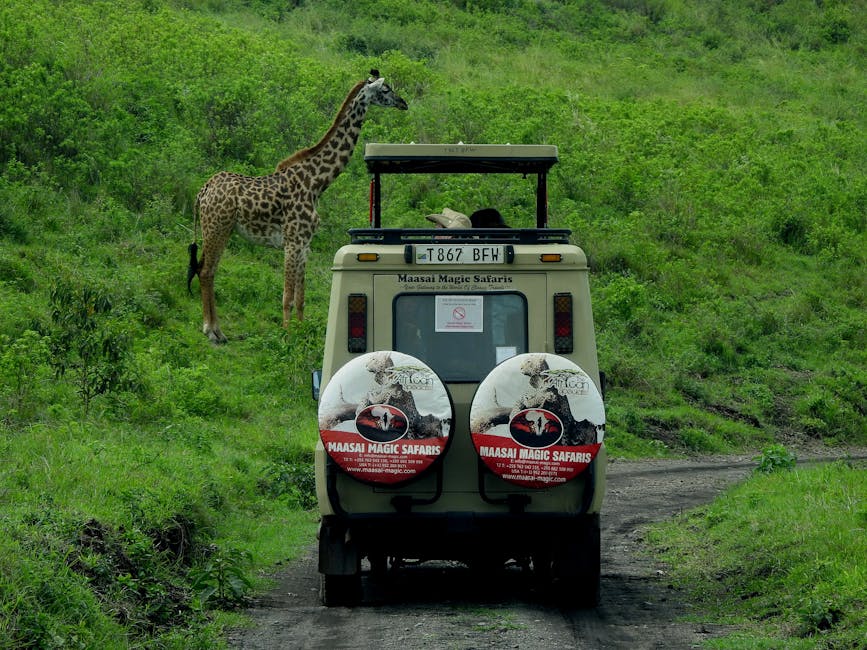
Kenya remains one of the most accessible and affordable safari destinations. The Maasai Mara National Reserve offers world-class game viewing, especially during the Great Migration between July and October. Entry fees are reasonable, and local camps provide great value.
Consider staying in community-run conservancies just outside the park. These areas offer lower prices and direct support to local communities. Many offer walking safaris and cultural tours at minimal cost.
Tanzania: Beyond the Serengeti
While the Serengeti and Ngorongoro Crater are iconic, they can be pricey. Instead, explore Tanzania’s lesser-known parks like Ruaha or Mikumi. These reserves deliver excellent wildlife sightings with fewer tourists and lower fees.
Ruaha National Park, for example, is one of Africa’s largest and least visited. It’s home to large elephant herds and rare wild dogs. Accommodations range from basic bandas to mid-range lodges, all more affordable than northern circuit options.
Uganda: Affordable Primate Encounters
Uganda offers incredible value for travelers interested in primates. Bwindi Impenetrable National Park and Mgahinga Gorilla National Park allow you to track mountain gorillas at a lower cost than Rwanda.
Chimpanzee tracking in Kibale Forest is another highlight. Permits are cheaper, and the park is rich in biodiversity. Uganda’s national park fees are among the lowest in East Africa, making it ideal for budget safaris.
How to Save on Safari Accommodation
Accommodation is often the biggest expense on a safari. But with a few smart choices, you can cut costs without sacrificing comfort or safety.
Choose Public Campsites Over Lodges
Most national parks offer public campsites with basic facilities like toilets and fire pits. These cost a fraction of lodge prices—sometimes under $20 per night. You’ll need to bring your own tent and sleeping gear, but the savings are significant.
For example, in Kenya’s Amboseli National Park, public campsites charge around $30 per person per night, including park fees. That’s less than half the price of a mid-range lodge.
Stay Outside the Park Gates
Lodges inside park boundaries charge premium rates. Instead, stay in nearby towns or community camps just outside the gates. You’ll pay less and often enjoy better meals and local hospitality.
In Tanzania, consider staying in the town of Karatu near the Ngorongoro Conservation Area. Guesthouses here are affordable and offer easy access to the crater.
Travel in the Shoulder Season
Peak season (June to October in East Africa) means higher prices and more crowds. Traveling during the shoulder months—April to May or November—can save you 20–40% on lodging and tours.
Wildlife is still abundant, and some animals are easier to spot as they gather around remaining water sources. Just be prepared for occasional rain.
Affordable Safari Tour Options
Group tours and self-drive safaris can drastically reduce costs. Here’s how to choose the right option for your budget and travel style.
Join a Group Safari
Group safaris split costs among travelers, making them more affordable than private tours. Look for small-group operators that use shared vehicles and budget accommodations.
Companies like African Budget Safaris or Intrepid Travel offer fixed-date group trips starting around $1,500 for a 7-day Kenya and Tanzania itinerary. These include transport, park fees, and basic lodging.
Self-Drive Safaris: Freedom on a Budget
Renting a 4×4 vehicle and driving yourself is one of the most cost-effective ways to safari. You avoid guide fees and can move at your own pace.
Kenya and South Africa are particularly well-suited for self-drive safaris. Roads are generally good, and signage is clear. Just ensure your rental includes a rooftop tent and camping gear to save on accommodation.
Always carry extra fuel, water, and a satellite phone. Cell service is unreliable in remote areas.
Book Directly with Local Operators
International tour agencies add markups. Booking directly with local safari companies cuts out the middleman and often includes better service.
Search for registered operators in your destination country. Check reviews on platforms like SafariBookings or TripAdvisor. Many offer custom itineraries at lower prices than global brands.
Packing Smart to Avoid Extra Costs
What you bring—and what you don’t—can impact your budget. Overpacking leads to excess baggage fees, while underpacking may force last-minute purchases.
Essential Gear to Bring
Pack lightweight, neutral-colored clothing. Avoid bright colors and denim, which can disturb animals. Long sleeves and pants protect against insects and sun.
Bring a good pair of binoculars, a headlamp, and a reusable water bottle. These items are expensive or unavailable in remote areas. A basic first-aid kit is also essential.
What Not to Bring
Avoid expensive electronics like drones or high-end cameras unless necessary. Many parks ban drones, and theft can be an issue in camps.
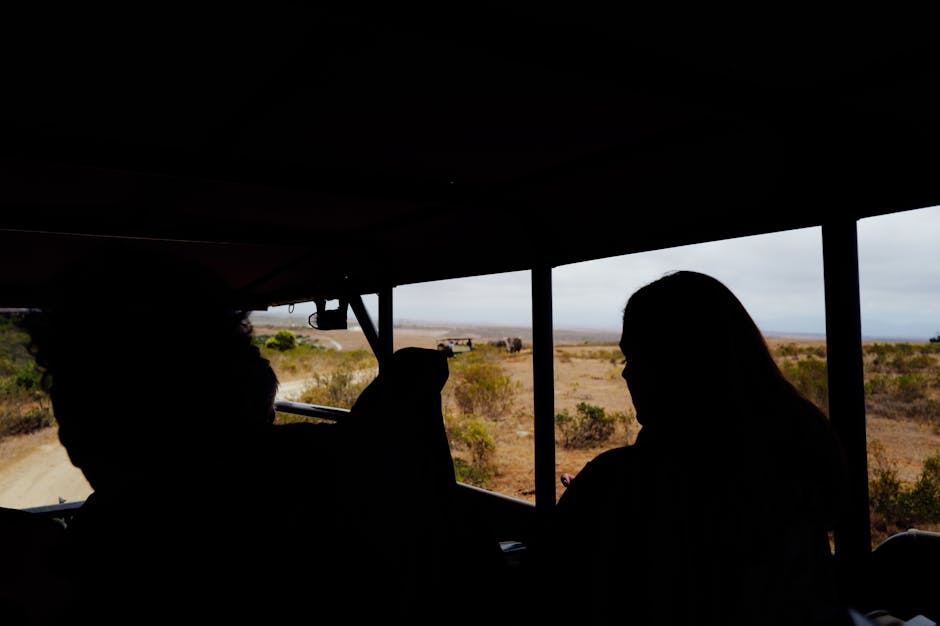
Don’t pack single-use plastics. Many African countries have banned plastic bags, and you may face fines at park entrances.
Hidden Costs to Watch Out For
Even budget safaris can have unexpected expenses. Knowing where costs add up helps you plan better.
Park Fees and Conservation Charges
National park fees vary widely. Kenya charges around $70 per day for foreigners, while Uganda’s fees are closer to $40. These are often not included in tour quotes.
Some parks also charge a separate conservation fee or community levy. Always ask for a full breakdown before booking.
Tips and Gratuities
Tipping is customary in safari culture. Guides, drivers, and camp staff rely on tips for income. Budget $10–15 per day for your guide and $5–10 for camp staff.
Carry small bills in USD or local currency. Tipping in advance can help build rapport and ensure better service.
Transportation Between Parks
Internal flights between parks can be costly. In Tanzania, a flight from Arusha to the Serengeti can exceed $300 one-way.
Instead, use overland transfers. Shared shuttles or public buses are much cheaper, though slower. Plan for extra travel time.
Maximizing Wildlife Sightings on a Budget
Seeing the Big Five doesn’t require a luxury lodge. With patience and the right approach, budget travelers can enjoy incredible wildlife encounters.
Go Early and Stay Late
Animals are most active at dawn and dusk. Most budget camps offer early morning and late afternoon game drives. These are often included in the package.
Avoid midday drives when animals rest in the shade. You’ll see more and save on fuel if you’re self-driving.
Focus on One or Two Parks
Trying to visit too many parks increases transport costs and reduces time for wildlife viewing. Choose one or two parks and spend at least three days in each.
In the Maasai Mara, three full days allow you to explore different zones and increase your chances of seeing predators, elephants, and rare birds.
Talk to Your Guide
Even on budget tours, guides are knowledgeable and eager to help. Share your interests—whether it’s birds, big cats, or photography—and they’ll tailor the experience.
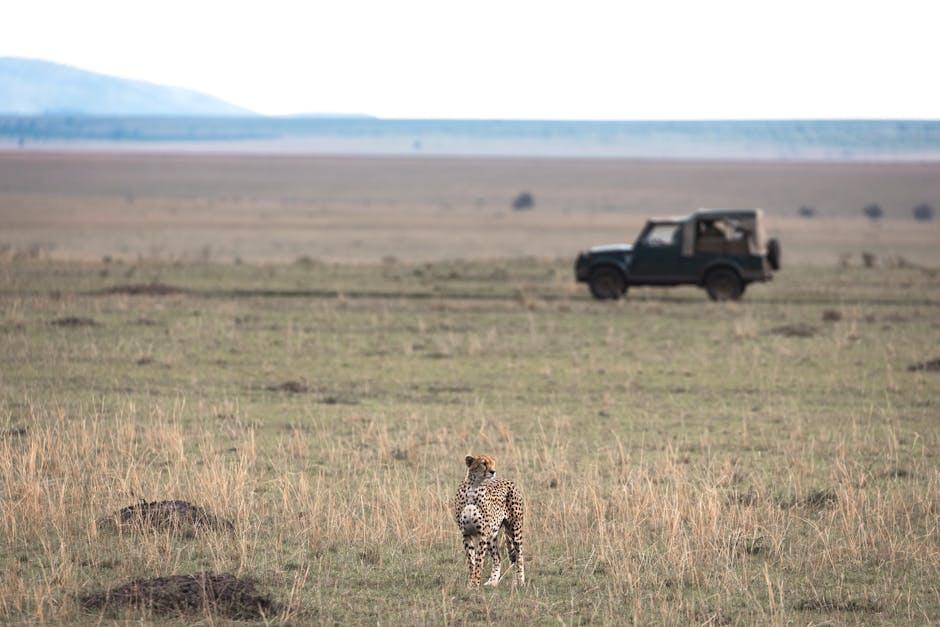
Many guides have radios and share sightings with other vehicles. You’ll often get alerts about lion kills or leopard sightings nearby.
Safety Tips for Budget Safari Travelers
Safety should never be compromised to save money. But with basic precautions, budget travelers can stay safe and enjoy their trip.
Choose Reputable Operators
Even on a tight budget, avoid unlicensed guides or unregistered vehicles. Check for accreditation with local tourism boards or organizations like the African Travel and Tourism Association.
Read recent reviews and ask for references. A cheap tour isn’t a bargain if it’s unsafe or unreliable.
Stay in Designated Areas
Never leave your vehicle in unfenced areas unless accompanied by an armed guide. Animals are wild and unpredictable, even in campsites.
Follow park rules about noise, littering, and distance from animals. Fines can be steep, and violations endanger both you and the wildlife.
Get Travel Insurance
Medical emergencies in remote areas are expensive. Comprehensive travel insurance covers evacuation, medical care, and trip cancellations.
Ensure your policy includes safari activities and off-road driving. Many standard plans exclude high-risk adventures.
Final Tips for a Successful Budget Safari
With the right mindset and preparation, a budget safari can be just as rewarding as a luxury one. Focus on the experience, not the frills.
- Book early for better rates and availability.
- Travel with an open mind and flexible schedule.
- Support local communities by buying crafts or hiring local guides.
- Respect wildlife and the environment—leave no trace.
- Keep a journal or photo log to remember the details.
Remember, the best safari moments often come from unexpected encounters—a lioness crossing the road, a herd of elephants at a waterhole, or a guide sharing a story under the stars. These don’t cost extra.
FAQ
How much does a budget safari typically cost?
A 7-day budget safari in Kenya or Tanzania can start around $1,200–$1,800 per person. This includes shared transport, basic lodging, park fees, and some meals. Costs vary by season, destination, and group size.
Is it safe to go on a self-drive safari?
Yes, in countries like Kenya and South Africa, self-drive safaris are safe with proper preparation. Use a reliable 4×4, carry emergency supplies, and follow park rules. Avoid driving at night and stick to marked roads.
Can I see the Big Five on a budget safari?
Absolutely. The Big Five—lion, leopard, rhino, elephant, and buffalo—are regularly spotted in budget-friendly parks like the Maasai Mara, Serengeti, and Kruger. Patience and timing matter more than luxury accommodations.