Best Local Dishes to Try in Asia Food Travel Guide
Asia’s culinary landscape is as diverse as its cultures, offering some of the world’s most iconic and flavorful local dishes. Whether you’re exploring bustling street markets or fine-dining restaurants, knowing the best local dishes to try in Asia can transform your travel experience. From spicy curries and savory noodles to delicate dumplings and tropical desserts, this food travel guide highlights must-try regional specialties across the continent. Each dish reflects centuries of tradition, local ingredients, and cultural identity—making every bite a story worth savoring.
Why Asian Cuisine Stands Out Globally
Asian cuisine is celebrated worldwide for its balance of flavors, use of fresh ingredients, and deep-rooted culinary traditions. Unlike many Western cuisines that often emphasize richness or simplicity, Asian cooking frequently combines sweet, sour, salty, bitter, and umami in harmonious ways. Techniques such as stir-frying, steaming, fermenting, and grilling are used across regions but adapted to local tastes and available ingredients. This diversity ensures that no two countries—or even two villages—serve the same dish in exactly the same way.
Moreover, food in Asia is deeply tied to daily life, festivals, and social rituals. Meals are rarely just about sustenance; they’re opportunities for connection, celebration, and storytelling. Travelers who engage with local food gain insight into a region’s history, climate, and values. For example, the prevalence of rice in Southeast Asia reflects both agricultural practices and cultural symbolism, while the use of spices in South Asia often ties to ancient trade routes and medicinal traditions.
Top Must-Try Dishes by Region
To help you navigate Asia’s vast food scene, here’s a region-by-region breakdown of standout local dishes that define their respective cultures.
East Asia: Noodles, Dumplings, and Umami-Rich Staples
East Asia offers some of the most recognizable and beloved dishes in global cuisine. In China, xiaolongbao—soup dumplings from Shanghai—are a masterclass in texture and flavor. Thin, delicate wrappers encase seasoned pork and a burst of hot broth, best enjoyed by nibbling a small hole first to release steam. Equally iconic is mapo tofu from Sichuan province, a fiery dish of silken tofu in a numbing, spicy sauce made with fermented black beans and Sichuan peppercorns.
Japan’s ramen has evolved into a global phenomenon, but regional varieties like tonkotsu (pork bone broth) from Fukuoka or miso ramen from Sapporo offer distinct experiences. Don’t overlook okonomiyaki, a savory pancake from Osaka layered with cabbage, pork, and topped with tangy sauce and bonito flakes. In Korea, bibimbap—a mixed rice bowl with vegetables, meat, and gochujang—showcases the country’s emphasis on balance and color. For a heartier option, kimchi jjigae, a fermented cabbage stew, delivers bold, pungent flavors perfect for cold weather.
Southeast Asia: A Symphony of Fresh Herbs and Spices
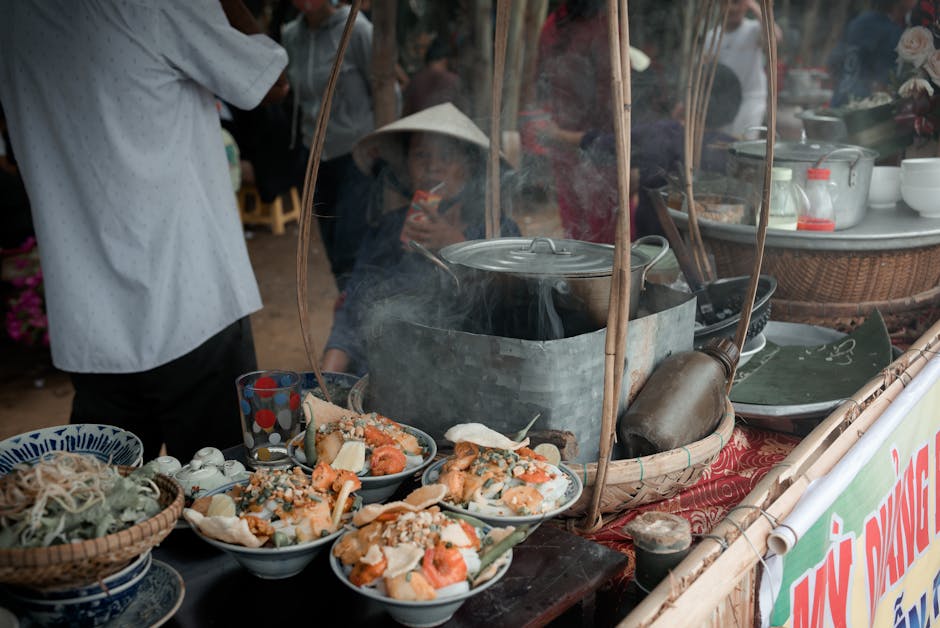
Southeast Asia is a paradise for bold, aromatic flavors. Thailand’s pad thai is perhaps the most internationally known dish, combining stir-fried rice noodles with tamarind, fish sauce, peanuts, and lime. But for a more authentic experience, seek out som tam (green papaya salad) from the northeast, or tom yum goong, a hot and sour soup with shrimp, lemongrass, and galangal.
Vietnam’s pho is a fragrant beef or chicken noodle soup that’s become a national symbol. Served with fresh herbs, lime, and chili, it’s a comforting yet complex dish best enjoyed at dawn in Hanoi. Further south, banh mi—a French-inspired baguette filled with pâté, pickled vegetables, and grilled meat—reflects the country’s colonial history. In Cambodia, amok trey, a coconut milk-based fish curry steamed in banana leaves, offers a milder but deeply flavorful alternative to neighboring Thai curries.
Laos and Myanmar offer under-the-radar gems. Larb, a minced meat salad with lime, fish sauce, and toasted rice powder, is a Lao staple that’s both zesty and satisfying. In Myanmar, mohinga—a fish-based noodle soup with banana stem and ginger—is often eaten for breakfast and considered the national dish.
South Asia: Rich Curries, Breads, and Street Food Delights
India’s culinary diversity is staggering, with each state offering unique specialties. Butter chicken from Punjab, with its creamy tomato-based sauce, is a crowd-pleaser, while dosa—a crispy fermented crepe from the south—is often served with sambar and coconut chutney. For street food, pani puri (also called golgappa) delivers an explosive mix of flavored water, chickpeas, and crunchy shells.
In Pakistan, biryani—a fragrant rice dish layered with spiced meat—is a celebratory centerpiece. Nihari, a slow-cooked beef stew, is a breakfast favorite in Lahore. Bangladesh’s hilsa fish, cooked in mustard sauce, is a seasonal delicacy revered across the region. Sri Lanka’s kottu roti, a stir-fried mix of chopped flatbread, vegetables, and meat, is a hearty street food staple with a distinctive sizzle.
Central and West Asia: Hearty, Spiced, and Time-Honored
Though often less visited by mainstream food travelers, Central and West Asia offer deeply satisfying dishes. In Uzbekistan, plov (pilaf) is a celebratory rice dish cooked with lamb, carrots, and cumin, traditionally prepared in large cauldrons for festivals. Manti, steamed dumplings filled with spiced meat, are a staple across the region, similar to Turkish lahmacun—a thin flatbread topped with minced meat and herbs.
Iran’s ghormeh sabzi is a slow-cooked herb stew with kidney beans and dried limes, often served with saffron rice. Fesenjan, a rich walnut and pomegranate stew, showcases the Persian love for sweet and savory combinations. In Turkey, kebabs come in countless forms, from Adana (spicy minced meat) to döner (rotisserie-style), but don’t miss meze—a spread of small dishes like hummus, dolma, and haydari that encourage sharing.
How to Experience Local Food Authentically
Eating like a local goes beyond ordering from a menu. To truly experience the best local dishes to try in Asia, consider these practical tips:
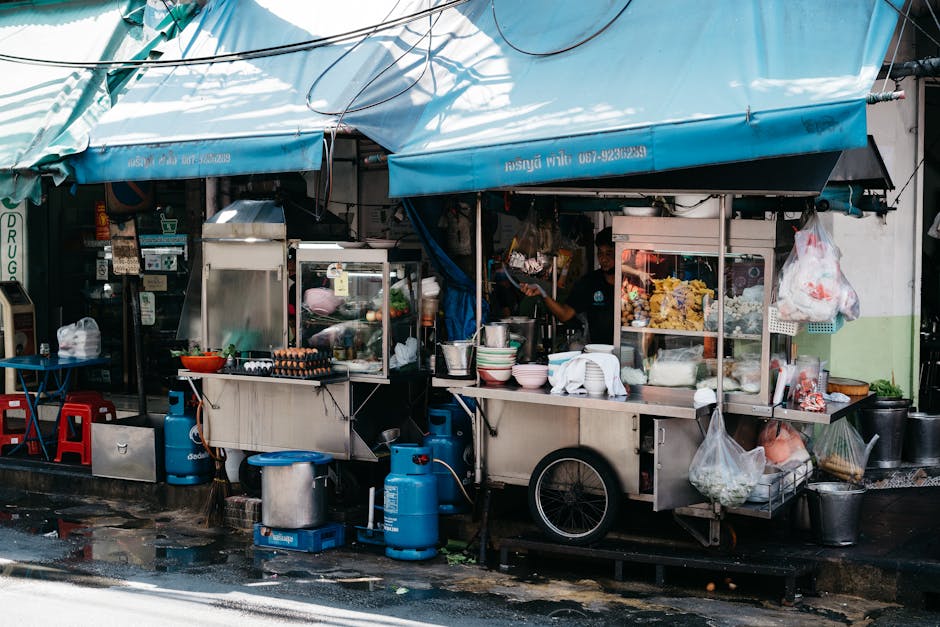
- Visit local markets: Wet markets and food halls offer the freshest ingredients and most authentic preparations. Look for stalls with long lines of locals—this is often a sign of quality and popularity.
- Eat where the locals eat: Avoid tourist-heavy areas where menus are translated into multiple languages. Instead, seek out small, family-run eateries or street vendors with minimal signage.
- Learn a few food phrases: Knowing how to say “delicious” or “no spice” in the local language can go a long way in building rapport and customizing your meal.
- Be adventurous but cautious: While trying new foods is part of the fun, pay attention to food safety. Stick to freshly cooked items, avoid raw vegetables in areas with questionable water quality, and carry hand sanitizer.
- Respect dining customs: In many Asian cultures, it’s polite to wait for the host to begin eating, avoid sticking chopsticks upright in rice, and finish your meal to show appreciation.
Regional Comparisons: What Makes Each Dish Unique?
While some dishes share similarities across borders, subtle differences define their regional identity. For example, laksa in Malaysia is a coconut-based curry noodle soup, while in Singapore, it’s often spicier and includes cockles and shrimp. Similarly, curry varies dramatically: Thai curries use fresh herbs and coconut milk, Indian curries rely on dry spices and yogurt or cream, and Japanese curry is thicker and sweeter, often served with rice and pickles.
Noodle dishes also reflect local preferences. Pad see ew in Thailand uses wide rice noodles and dark soy sauce for a smoky flavor, while char kway teow in Malaysia and Singapore includes cockles, prawns, and a hint of belachan (shrimp paste). In contrast, pho in Vietnam emphasizes clarity and aroma, with a clear broth and minimal garnishes.
Understanding these nuances helps travelers appreciate the depth of Asian cuisine beyond surface-level comparisons. It also encourages more mindful eating and cultural respect.
Practical Tips for Food Travelers
Traveling through Asia with a focus on food requires some preparation. Here are key considerations:
- Seasonality matters: Some dishes are only available during certain times of year. For instance, matsutake mushrooms in Japan are a fall delicacy, while mango sticky rice in Thailand peaks during mango season (March to June).
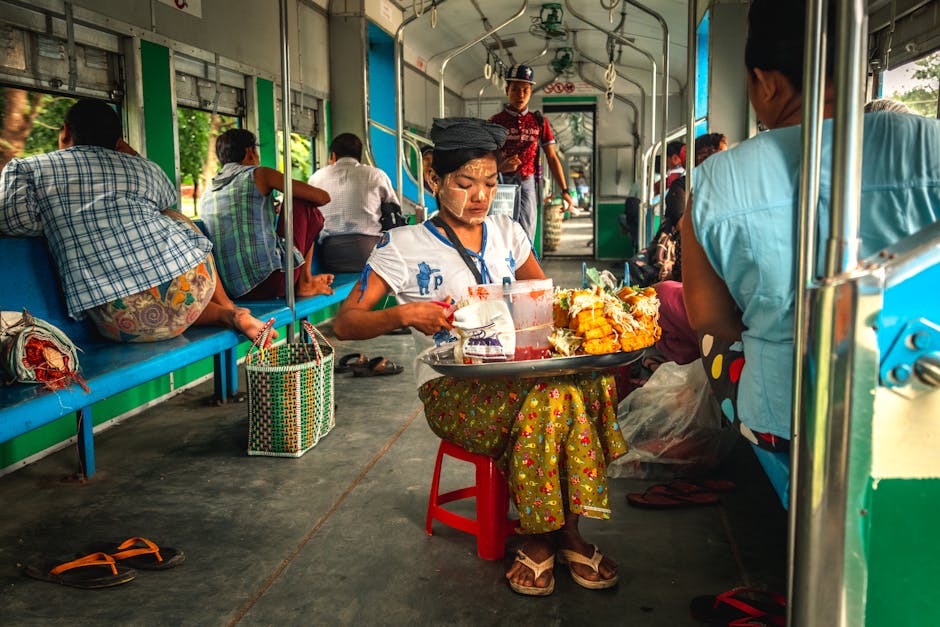
- Street food safety: While street food is a highlight, choose vendors who cook food to order and maintain clean workspaces. Avoid pre-cut fruit or ice in areas with unreliable sanitation.
- Dietary restrictions: Vegetarian and vegan options vary widely. In India, vegetarianism is common, but in parts of Southeast Asia, fish sauce and shrimp paste are ubiquitous. Learn how to communicate your needs clearly.
- Food tours and cooking classes: These can provide deeper context and hands-on experience. Look for small-group tours led by local guides or chefs.
- Pack smart: Bring digestive aids, rehydration salts, and a reusable water bottle with a filter. Avoid tap water in most countries, but consider using filtered or boiled water for brushing teeth.
Final Thoughts: Savoring Asia One Dish at a Time
The best local dishes to try in Asia aren’t just meals—they’re gateways to understanding people, places, and traditions. From the sizzling woks of Bangkok to the quiet tea houses of Kyoto, food tells the story of a region in every bite. Whether you’re slurping ramen under neon lights or sharing biryani at a family gathering, these experiences create lasting memories far beyond the plate.
As you plan your next trip, use this guide to seek out authentic flavors and support local vendors. Remember, the most rewarding meals often come from unmarked alleys and word-of-mouth recommendations. Stay curious, eat respectfully, and let your palate lead the way.
FAQ
What is the most iconic dish in Asia?
While opinions vary, dishes like ramen (Japan), pho (Vietnam), and pad thai (Thailand) are widely recognized as iconic. Each represents its country’s culinary identity and has gained international fame.
Is street food safe to eat in Asia?
Generally, yes—especially when cooked fresh and served hot. Look for busy stalls with high turnover, clean preparation areas, and visible cooking. Avoid raw items in regions with poor sanitation.
How can I find authentic local food as a tourist?
Ask locals for recommendations, use apps like Google Maps to find highly rated neighborhood eateries, and explore markets or food streets away from major tourist attractions.