Beach and Island Travel Guide for First Time Travelers
Planning your first beach and island getaway can feel overwhelming, but with the right preparation, it can be one of the most rewarding travel experiences. This beach and island travel guide for first time travelers covers everything from choosing your destination to packing essentials, staying safe, and making the most of your time in paradise. Whether you’re drawn to turquoise waters, white sand beaches, or vibrant coral reefs, this guide offers practical advice to help you travel confidently and responsibly.
Choosing the Right Beach or Island Destination
Not all beaches and islands are created equal—especially for first-time travelers. Consider factors like accessibility, safety, language, and infrastructure before booking. Popular destinations such as Bali, the Maldives, and the Greek Islands offer well-developed tourism services, making them ideal for beginners. In contrast, remote islands in the South Pacific may require longer travel times and more planning.
Start by asking yourself what kind of experience you want:
- Relaxation: Look for quiet, less-crowded beaches with resorts that offer spa services. Examples include Koh Lanta in Thailand or Isla Holbox in Mexico.
- Adventure: Choose islands with snorkeling, diving, or hiking opportunities. The Philippines’ Palawan or Fiji’s Yasawa Islands are excellent choices.
- Cultural immersion: Opt for destinations where you can interact with local communities. Zanzibar in Tanzania or the Cook Islands offer rich cultural experiences alongside beautiful coastlines.
Check visa requirements, local customs, and health advisories early. Some countries require proof of return tickets or vaccinations. Use official government travel websites for the most accurate information.
When to Go: Timing Your Trip for the Best Experience
Weather plays a major role in beach and island travel. Most tropical destinations have a dry season and a rainy season, and traveling during the wrong time can ruin your plans.
For example:
- Caribbean: Best visited between December and April, avoiding hurricane season (June to November).
- Southeast Asia: Ideal months vary by country. Thailand’s Andaman Coast is best from November to April, while the Gulf Coast (like Koh Samui) is better from January to September.
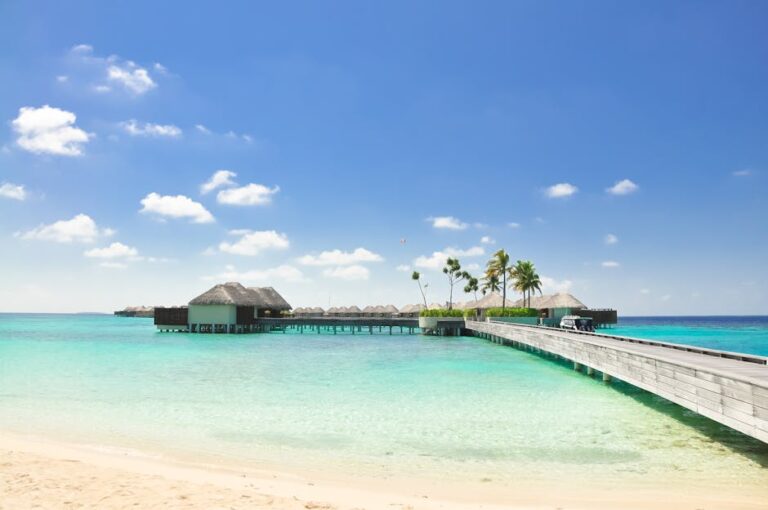
- Indian Ocean islands (e.g., Maldives, Seychelles): Peak season is November to April, with calm seas and minimal rainfall.
Avoid major holidays like Christmas or local festivals if you prefer fewer crowds. Shoulder seasons (just before or after peak times) often offer better prices and pleasant weather.
How to Get There: Transportation Tips
Reaching your island destination may involve multiple legs of travel. Start with international flights to a major hub, then connect via domestic flights, ferries, or speedboats.
Book flights with reputable airlines and allow ample layover time—especially if transferring to small regional carriers. For island-hopping, research ferry schedules in advance. In Greece, for instance, ferry routes between islands like Santorini and Mykonos are frequent in summer but limited in winter.
Consider travel insurance that covers flight delays, missed connections, and medical emergencies. It’s a small cost that can save you hundreds if something goes wrong.
Packing Essentials for Beach and Island Travel
Packing light is key, but don’t forget the essentials. Overpacking can be a hassle, especially when moving between islands or using small boats.
Clothing and Accessories
- Lightweight, quick-dry clothing
- Swimwear (bring at least two sets)
- Cover-ups or sarongs for beach-to-street transitions
- Sun hat and UV-protective sunglasses
- Water shoes for rocky or coral-filled shores
Sun and Skin Protection
- Reef-safe sunscreen (SPF 30 or higher)
- After-sun lotion or aloe vera gel
- Lip balm with SPF
Many marine ecosystems are damaged by chemical sunscreens. Look for products labeled “reef-safe” or “oxybenzone-free.” Hawaii and Palau have banned harmful sunscreens—check local regulations.
Tech and Safety Items
- Waterproof phone case or dry bag
- Portable charger or power bank
- First-aid kit with bandages, antiseptic, and motion sickness medication
- Copies of important documents (passport, insurance, itinerary)
Leave valuables at home or store them in a hotel safe. Avoid flashy jewelry or expensive electronics on the beach.
Staying Safe: Health and Security Tips
Safety should always be a priority, even in idyllic settings. Here are key precautions for first-time travelers:
Water Safety
Not all beaches are safe for swimming. Look for lifeguard flags—green means safe, yellow means caution, red means danger. Avoid swimming alone, especially in remote areas. Rip currents are common in many coastal regions. If caught in one, don’t panic. Swim parallel to the shore until you’re out of the current, then swim back to land.
Sun Safety
Sunburn can happen quickly near the equator or at high altitudes. Reapply sunscreen every two hours, especially after swimming or sweating. Seek shade during peak sun hours (10 a.m. to 4 p.m.). Dehydration is also a risk—drink plenty of water and avoid excessive alcohol.
Food and Water
In some destinations, tap water isn’t safe to drink. Stick to bottled or filtered water. Be cautious with street food—choose vendors with high turnover and food served hot. Avoid raw shellfish, which can carry bacteria.
Personal Security
Petty theft can occur in tourist areas. Use a money belt or hidden pouch for cash and cards. Never leave bags unattended on the beach. At night, stick to well-lit, populated areas. Share your itinerary with someone back home and check in regularly.
Activities and Experiences: Making the Most of Your Trip
Beach and island travel isn’t just about lounging in a hammock. There’s plenty to explore if you’re up for adventure.
Water Activities
- Snorkeling: Bring your own mask and snorkel for comfort and hygiene. Popular spots include the Great Barrier Reef (Australia), Hanauma Bay (Hawaii), and the Similan Islands (Thailand).
- Diving: If you’re certified, book dives with reputable operators. Beginners can try introductory dives (e.g., “Discover Scuba” programs).
- Kayaking and paddleboarding: Great for exploring mangroves, lagoons, or hidden coves. Many resorts offer rentals or guided tours.
Land-Based Exploration
- Hiking to viewpoints (e.g., Diamond Head in Oahu or Mount Batur in Bali)
- Visiting local markets for handmade crafts and fresh fruit
- Taking a cultural tour to learn about history and traditions
Always book tours through licensed operators. Avoid unlicensed guides or boats—they may not carry insurance or safety equipment.
Sustainable Travel: Protecting Paradise
Many beach and island destinations are fragile ecosystems. As a responsible traveler, take steps to minimize your impact.
- Use reef-safe sunscreen and avoid touching coral.
- Don’t feed wildlife or remove shells, rocks, or sand (it’s often illegal).
- Carry a reusable water bottle and avoid single-use plastics.
- Support local businesses—eat at family-run restaurants, buy from local artisans.
Some islands charge an environmental fee upon arrival (e.g., $30 in the Galápagos). Pay it—it helps fund conservation efforts.
Budgeting for Your Beach and Island Trip
Costs can vary widely depending on your destination and travel style. Here’s a rough breakdown for a one-week trip:
| Expense | Budget Option | Mid-Range | Luxury |
|---|---|---|---|
| Flights | $600–$900 | $900–$1,500 | $1,500+ |
| Accommodation (7 nights) | $300–$600 | $800–$1,800 | $2,000+ |
| Food & Drinks | $200–$400 | $500–$900 | $1,000+ |
| Activities & Tours | $100–$300 | $400–$800 | $1,000+ |
| Transportation (local) | $50–$150 | $150–$300 | $300+ |
Budget travelers can save by staying in guesthouses, eating at local warungs or food stalls, and using public ferries. Mid-range travelers might choose boutique hotels and guided tours. Luxury travelers can expect private villas, fine dining, and helicopter transfers.
Always carry some cash—many small islands don’t accept credit cards. ATMs may be scarce or charge high fees.
Common Mistakes First-Time Travelers Make
Even with the best planning, mistakes happen. Here are a few to avoid:
- Overpacking: You won’t need three pairs of sandals. Pack versatile items.
- Ignoring travel insurance: Medical care abroad can be expensive. Don’t skip it.
- Booking last-minute: Flights and ferries fill up fast in peak season. Book early.
- Not learning basic local phrases: A simple “hello” or “thank you” goes a long way.
- Underestimating travel time: Island transfers can take hours. Build in buffer time.
Final Tips for a Smooth Experience
Before you go:
- Download offline maps and translation apps
- Notify your bank of travel plans to avoid card blocks
- Check your phone’s international roaming options
- Pack a small day bag for island excursions
Once you arrive, take time to adjust. Jet lag, humidity, and time zone changes can affect your energy. Stay hydrated, rest when needed, and don’t over-schedule your first day.
Most importantly, be open to new experiences. Strike up a conversation with a local, try a new dish, or watch the sunset from a quiet beach. Some of the best travel memories come from unplanned moments.
FAQ
What should I pack for a beach vacation as a first-time traveler?
Pack lightweight clothing, swimwear, reef-safe sunscreen, a hat, sunglasses, water shoes, and a waterproof bag. Don’t forget medications, travel documents, and a portable charger.
Is it safe to travel to islands alone as a beginner?
Yes, many islands are safe for solo travelers, especially popular destinations with good infrastructure. Stay in well-reviewed accommodations, avoid isolated areas at night, and keep someone informed of your plans.
How far in advance should I book my beach or island trip?
Book flights and accommodations 3–6 months in advance, especially for peak seasons. Ferries and tours may require reservations closer to your travel date.
With the right preparation, your first beach and island adventure can be smooth, safe, and unforgettable. Use this beach and island travel guide for first time travelers as your roadmap to paradise—and enjoy every moment.