Complete Beach Travel Guide with Tips and Destinations
Planning your next beach getaway? Exploring beach travel destinations reveals important insights. This complete beach travel guide with tips and destinations covers everything you need to know—from choosing the right shoreline to packing smart and staying safe under the sun. Whether you’re after turquoise waters, white sand, or secluded coves, we break down top destinations, seasonal considerations, and practical advice to help you make the most of your coastal escape.
Why a Beach Vacation Is Worth the Trip
Beach travel offers more than just relaxation. Studies consistently link time near water to reduced stress, improved sleep, and enhanced mental clarity. The rhythmic sound of waves, the warmth of sun on skin, and the open horizon create a natural reset for busy minds. Beyond wellness benefits, beaches provide diverse activities—snorkeling, kayaking, paddleboarding, or simply reading under a palm tree. With destinations spanning tropical paradises, rugged coastlines, and family-friendly shores, there’s a beach for every traveler.
How to Choose the Right Beach Destination
Not all beaches are created equal. Your ideal spot depends on what you’re looking for: adventure, solitude, nightlife, or kid-friendly amenities. Start by defining your priorities.
Consider These Key Factors
- Climate and Season: Tropical beaches like those in the Maldives or Thailand are warm year-round but have monsoon seasons. Mediterranean coasts shine in late spring and early fall, avoiding summer crowds and extreme heat.
- Travel Style: Couples may prefer intimate settings like Seychelles or Santorini, while families might opt for calm, shallow waters in Florida’s Gulf Coast or Spain’s Costa Brava.
- Activities: Surf enthusiasts should head to Costa Rica’s Pacific coast or Portugal’s Algarve. Snorkelers and divers will find rich marine life in Australia’s Great Barrier Reef or Indonesia’s Raja Ampat.
- Budget: Southeast Asia offers incredible value, with affordable villas and local cuisine. European beaches can be pricier, especially in peak summer months.
Top Beach Destinations by Category
| Category | Top Destinations | Best For |
|---|---|---|
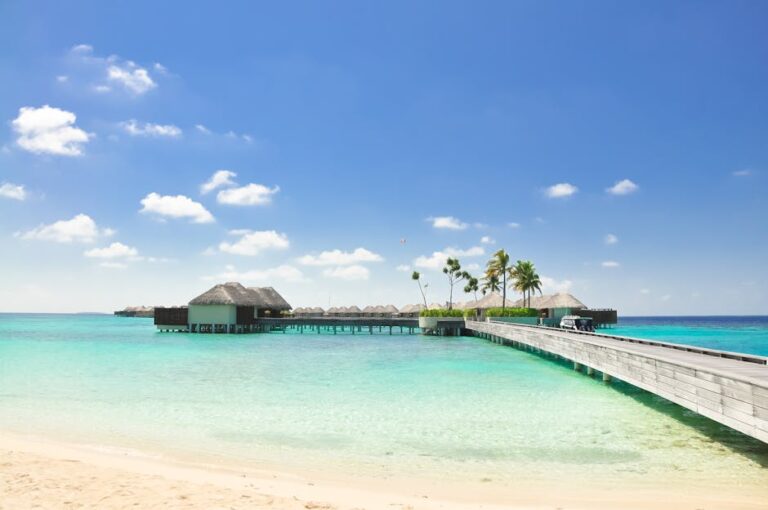
| Tropical Paradise | Bora Bora, Maldives, Fiji | Luxury, honeymoons, overwater bungalows |
| Family-Friendly | Myrtle Beach (USA), Algarve (Portugal), Gold Coast (Australia) | Safe swimming, entertainment, amenities |
| Adventure & Surf | Hawaii (North Shore), Tamarindo (Costa Rica), Biarritz (France) | Surfing, water sports, rugged coastlines |
| Hidden Gems | Koh Lipe (Thailand), Fernando de Noronha (Brazil), Isla Holbox (Mexico) | Seclusion, unspoiled nature, fewer tourists |
Best Time to Visit Popular Beaches
Timing can make or break your beach experience. Crowds, weather, and prices fluctuate dramatically by season.
Seasonal Breakdown by Region
- Caribbean: December to April is peak season—dry, sunny, and ideal for swimming. Avoid hurricane season (June–November), especially August and September.
- Mediterranean: May to June and September to October offer warm weather, fewer crowds, and lower prices. July and August are hot and packed with tourists.
- Southeast Asia: November to March is generally dry and pleasant across Thailand, Vietnam, and the Philippines. Monsoon rains vary by location—check regional forecasts.
- Australia: December to February is summer and peak beach season. For milder weather and fewer people, visit in March or April.
What to Pack: The Ultimate Beach Travel Checklist
Packing efficiently ensures you’re prepared without overloading your suitcase. Focus on essentials that protect, comfort, and enhance your experience.
Must-Have Beach Gear
- Sun Protection: Broad-spectrum SPF 30+ sunscreen, reef-safe if snorkeling, wide-brimmed hat, UV-blocking sunglasses, and a lightweight cover-up.
- Swimwear: Bring two suits so one can dry while you wear the other. Quick-dry fabrics are ideal.
- Footwear: Water shoes for rocky shores, flip-flops for walking, and sandals for dining out.
- Beach Bag: Water-resistant with multiple compartments. Include a dry bag for electronics.
- Hydration & Snacks: Reusable water bottle, electrolyte tablets, and non-perishable snacks like nuts or granola bars.
- Entertainment: Waterproof speaker, e-reader, or paperback. Don’t forget a portable charger.
Pro Packing Tips
- Roll clothes instead of folding to save space and reduce wrinkles.
- Use packing cubes to separate swimwear, casual clothes, and formal outfits.
- Pack a small first-aid kit with band-aids, antiseptic wipes, and motion sickness tablets.
- Bring a microfiber towel—it dries fast and takes up less room than traditional towels.
Staying Safe at the Beach
Enjoyment shouldn’t come at the cost of safety. Common hazards include strong currents, sun exposure, and marine life. Being informed and prepared keeps your trip worry-free.
Sun Safety Essentials
- Apply sunscreen 15–30 minutes before going outside and reapply every two hours—or immediately after swimming or sweating.
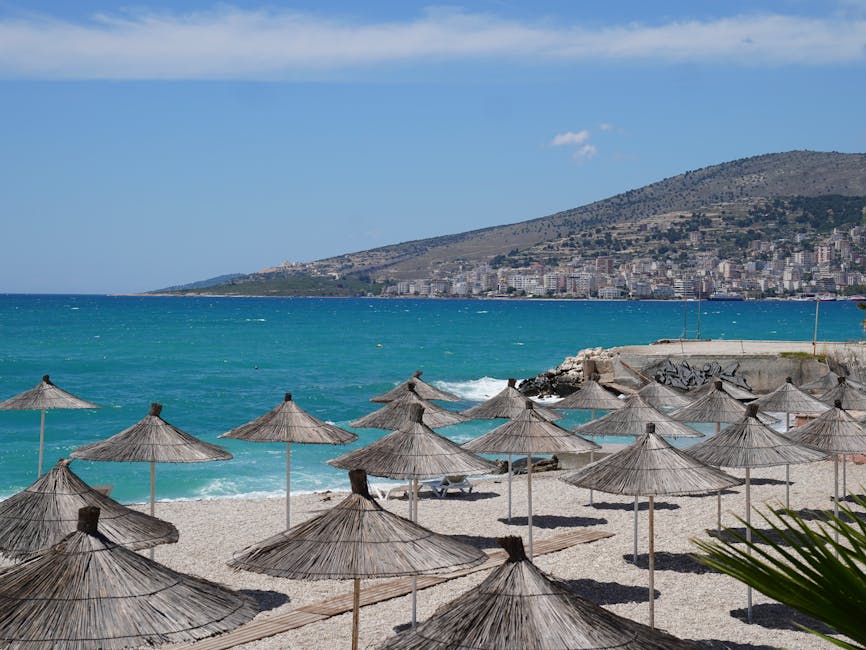
- Seek shade during peak UV hours (10 a.m. to 4 p.m.). Use umbrellas or pop-up tents.
- Watch for signs of heat exhaustion: dizziness, nausea, headache. Move to a cool place and hydrate.
Water Safety Tips
- Always swim near a lifeguard station when possible.
- Learn to identify rip currents: choppy, discolored water with debris moving seaward. If caught, swim parallel to shore until free, then back to land.
- Never turn your back on the ocean—waves can surge unexpectedly.
- Supervise children closely, even in shallow water. Use life jackets for weak swimmers.
Marine Life Awareness
- Avoid touching coral reefs—they’re fragile and can cause injury.
- Watch for jellyfish, sea urchins, and stingrays. Shuffle your feet when walking in sandy shallows to avoid stepping on stingrays.
- If stung, rinse with seawater (not freshwater) and seek medical help if symptoms worsen.
Eco-Friendly Beach Travel Practices
Beaches are delicate ecosystems. Responsible travel helps preserve them for future generations.
How to Travel Sustainably
- Use reef-safe sunscreen to protect marine life. Look for labels that say “oxybenzone-free” and “octinoxate-free.”
- Carry a reusable water bottle and avoid single-use plastics.
- Dispose of trash properly—or better yet, join a beach cleanup.
- Respect wildlife. Don’t feed animals or disturb nesting sites, especially during turtle season.
- Choose eco-certified accommodations and tour operators that prioritize sustainability.
Beach Travel on a Budget
You don’t need a luxury resort to enjoy a great beach vacation. Smart planning can stretch your dollars without sacrificing fun.
Cost-Saving Strategies
- Travel Off-Peak: Visit just before or after high season for lower flights and accommodations.
- Stay Outside Tourist Hubs: Rent a vacation home in a nearby town instead of a beachfront hotel.
- Cook Some Meals: Book accommodations with a kitchen and shop at local markets.
- Use Public Transport: Many coastal areas have reliable buses or ferries. In Europe, trains connect major beach towns efficiently.
- Look for Free Activities: Hiking coastal trails, visiting public beaches, and attending local festivals cost nothing.
Affordable Beach Destinations
- Portugal (Alentejo Coast): Stunning cliffs and beaches with lower prices than the Algarve.
- Vietnam (Da Nang, Nha Trang): Beautiful shores, delicious street food, and budget-friendly stays.
- Mexico (Yucatán Peninsula): Cenotes, Mayan ruins, and Caribbean beaches at a fraction of the cost of nearby islands.
Beach Travel with Kids: Tips for a Smooth Trip
Family beach trips can be magical—with the right preparation. Exploring beach travel destinations reveals important insights. Kids need extra attention, especially in the sun and water.
Kid-Friendly Beach Essentials
- UV-protective swimwear and rash guards.
- Portable sun shelter or pop-up tent.
- Sand toys, buckets, and a small shovel.
- Snacks and drinks in a cooler.
- Waterproof sunscreen designed for children.
Choosing the Right Beach for Families
Look for beaches with calm, shallow waters, lifeguards, clean restrooms, and nearby food options. Examples include:
- Clearwater Beach, Florida: Gentle slope, soft sand, and family attractions nearby.
- Cala Macarella, Menorca: Sheltered cove with calm waters and a nearby café.
- Noosa Main Beach, Australia: Patrolled by lifeguards, with picnic areas and playgrounds.
Romantic Beach Getaways for Couples
For a memorable escape with your partner, choose a destination that blends beauty, privacy, and romance.
Top Romantic Beach Spots
- Santorini, Greece: Whitewashed villages, sunset views, and volcanic beaches.
- Maldives: Overwater villas, private decks, and candlelit dinners on the sand.
- Tulum, Mexico: Bohemian-chic beach clubs, jungle-meets-ocean vibes, and boutique hotels.
- Kauai, Hawaii: Secluded coves, lush cliffs, and quiet luxury.
Romance-Boosting Ideas
- Book a sunset cruise or private beach dinner.
- Take a couples’ massage at a beachfront spa.
- Go stargazing on a clear night—many tropical beaches have minimal light pollution.
- Rent a kayak or paddleboard for a quiet morning on the water.
Beach Travel Photography Tips
Capturing the beauty of your beach trip preserves memories and inspires others. With bright light and reflective surfaces, beach photography requires a few adjustments.
How to Take Great Beach Photos
- Shoot during the golden hour—just after sunrise or before sunset—for soft, warm light.
- Use a polarizing filter to reduce glare on water and enhance sky contrast.
- Get low to the ground for dramatic wave shots or unique perspectives of footprints in the sand.
- Protect your camera from sand and saltwater with a waterproof case or cover.
- Include people in your shots for scale and storytelling—wading in waves, building sandcastles, or relaxing under an umbrella.
Final Tips for a Stress-Free Beach Vacation
A successful beach trip starts with preparation and ends with relaxation. Keep these final pointers in mind:
- Check local weather and tide schedules before heading out each day.
- Download offline maps and translation apps if traveling internationally.
- Keep digital and physical copies of important documents (passport, insurance, reservations).
- Notify your bank of travel plans to avoid card issues.
- Embrace spontaneity—some of the best beach moments happen off the itinerary.
FAQ
What should I do if I get stung by a jellyfish?
Rinse the area with seawater—not freshwater—and remove any tentacles with tweezers or a credit card. Apply vinegar if available, or use a baking soda and water paste. Seek medical help if pain persists or spreads.
How can I avoid sunburn at the beach?
Apply broad-spectrum sunscreen with SPF 30 or higher 30 minutes before sun exposure. Reapply every two hours and after swimming. Wear protective clothing, seek shade during peak hours, and stay hydrated.
Are all beaches safe for swimming?
Not necessarily. Always check for warning flags, lifeguard presence, and local advisories. Avoid swimming near river mouths, after heavy rain, or in areas with strong currents or pollution.
With this complete beach travel guide with tips and destinations, you’re ready to plan a trip that’s safe, enjoyable, and unforgettable. Whether you’re lounging under a palm tree, exploring coral reefs, or building sandcastles with your kids, the perfect beach adventure is within reach.