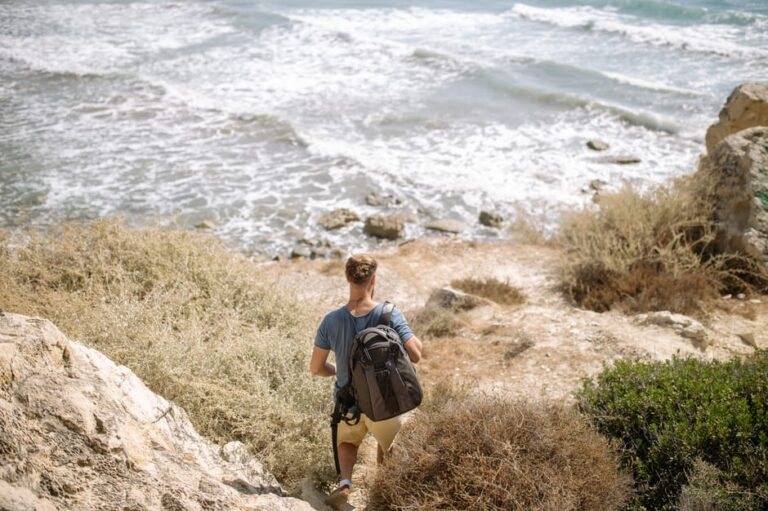

Best Travel Tips to Save Money on Every Trip You Take
Traveling doesn’t have to drain your wallet. Exploring save money on travel reveals important insights. With smart planning and a few proven strategies, you can enjoy memorable trips without overspending. The best travel tips to save money on every trip you take focus on timing, flexibility, and resourcefulness—not cutting corners on experience. Whether you’re booking flights, choosing accommodations, or planning daily activities, small decisions add up to big savings. This guide covers practical, actionable advice to help you stretch your travel budget further, from off-season travel to local dining hacks and hidden transportation perks.
Book Flights Strategically
Airfare often makes up the largest portion of a trip’s cost. But with the right approach, you can reduce this expense significantly. Start by being flexible with your travel dates. Flying midweek—especially on Tuesdays and Wednesdays—typically costs less than weekend departures. Use fare comparison tools like Google Flights or Skyscanner to track price trends and set alerts for your desired route.
Another effective tactic is booking in advance. For domestic flights, aim to reserve 1–3 months ahead; for international trips, 2–8 months is ideal. Airlines often release tickets at lower prices early, then increase fares as the departure date nears. Avoid last-minute bookings unless you’re traveling during a major sale or using accumulated airline miles.
Consider nearby airports as well. A flight into a smaller regional airport might be cheaper than one into a major hub, even if it means a short drive or train ride to your final destination. Just factor in transportation costs to ensure you’re still saving overall.
Use Incognito Mode and Clear Cookies
Some travelers worry that airlines and booking sites raise prices based on repeated searches. While evidence is mixed, it’s a good habit to search in incognito or private browsing mode and clear cookies between sessions. This prevents potential price tracking and ensures you see baseline fares.
Choose Accommodations Wisely
Where you stay can make or break your budget. Hotels aren’t the only option—nor are they always the most economical. Consider alternatives like vacation rentals, hostels, or house-swapping platforms. Sites like Airbnb and Vrbo often offer full kitchens, allowing you to save by cooking meals instead of dining out daily.
Location matters too. Staying slightly outside tourist centers can cut lodging costs by 20–40%, especially in expensive cities like Paris, Tokyo, or New York. Just ensure public transit is accessible so you’re not spending extra on taxis or rideshares.
Look for accommodations that include free amenities: breakfast, Wi-Fi, or airport shuttles. These small perks reduce out-of-pocket expenses and add value without increasing nightly rates.
Leverage Loyalty Programs and Credit Card Points
Join hotel and airline loyalty programs—they’re free and often offer instant perks like late checkout or room upgrades. Accumulate points through stays, flights, or everyday spending on travel rewards credit cards. Redeem points for free nights, flight upgrades, or statement credits.
Be cautious, though: only use rewards cards if you pay off balances monthly. Interest charges quickly erase any savings. Focus on cards with no foreign transaction fees if you travel internationally.
Travel During Off-Peak Seasons
Timing your trip just right can slash costs across the board. Traveling during shoulder or off-peak seasons—just before or after high-demand periods—means lower prices for flights, hotels, and attractions. For example, visiting Europe in late September or early October offers pleasant weather and fewer crowds compared to summer, with prices often 30–50% lower.
Research local events and holidays. Avoiding major festivals or school breaks prevents price surges. In contrast, some destinations offer deep discounts during rainy or cold months—think Bali in the wet season or Iceland in winter—when tourism slows but experiences remain rich.
Eat Like a Local
Dining out for every meal adds up fast. One of the best travel tips to save money is to eat where locals eat. Street food, neighborhood markets, and casual family-run restaurants often serve authentic cuisine at a fraction of tourist restaurant prices.
In cities like Bangkok, Mexico City, or Istanbul, a filling street meal can cost under $3. Even in pricier destinations, local eateries near residential areas tend to be more affordable than those in central squares or near landmarks.
Pack snacks and refillable water bottles. Buying bottled water daily in tourist zones can cost more than $10 over a week. A reusable bottle with a filter saves money and reduces plastic waste.
Use Restaurant Apps and Deals
Apps like TheFork, OpenTable, or local equivalents often list discounts, set menus, or happy hour specials. Some cities also offer tourist dining cards that bundle meals at partner restaurants for a fixed price. These can be worthwhile if you plan to eat out frequently.
Use Public Transportation
Relying on taxis or rideshares quickly inflates your budget. Instead, use buses, subways, trams, or commuter trains. Most cities offer day passes or multi-ride tickets that cost less per trip than individual fares.
For example, a single metro ride in London costs around £2.80, but a 7-day travelcard is £40.60—equivalent to just £5.80 per day if used twice daily. In Tokyo, a prepaid Suica or Pasmo card simplifies travel and often includes small discounts at convenience stores.
Walking and biking are even cheaper—and healthier. Many European cities are compact and pedestrian-friendly. Renting a bike for a day often costs less than two taxi rides and lets you explore at your own pace.
Seek Free and Low-Cost Activities
Entertainment doesn’t have to come with a high price tag. Many museums, galleries, and historical sites offer free admission on certain days or times. For instance, the Louvre in Paris is free on the first Saturday evening of each month from 6 PM to 9 PM, and the Smithsonian museums in Washington, D.C., are always free.
Look for city tourism cards that bundle entry to multiple attractions. Exploring save money on travel reveals important insights. These can save 20–50% if you plan to visit several paid sites. Compare the total cost of individual tickets versus the card to ensure it’s worth it.
Free walking tours are another great option. Led by local guides, these operate on a tip basis, so you pay what you feel the tour was worth. They’re informative, social, and often highlight hidden gems you wouldn’t find in guidebooks.
Pack Light to Avoid Fees
Checked baggage fees can add $30–$50 per flight. Packing only a carry-on eliminates these costs and speeds up your journey—no waiting at baggage claim. Most airlines allow a personal item and a standard carry-on bag for free.
Use packing cubes to organize clothes and maximize space. Roll garments instead of folding to reduce wrinkles and save room. Stick to versatile, mix-and-match outfits that work across multiple occasions.
Weigh your bag before leaving home. Many budget airlines have strict weight limits for carry-ons, and excess fees apply at the gate.
Use Local SIM Cards or eSIMs
International roaming charges can be exorbitant. Instead, buy a local SIM card upon arrival or use an eSIM for data access. In countries like Thailand, India, or Spain, prepaid SIMs cost as little as $5–$10 for a month of data.
eSIMs, available through providers like Airalo or Nomad, let you activate data plans without swapping physical cards. They’re convenient for multi-country trips and often cheaper than roaming packages from your home carrier.
Always check coverage and speed before purchasing. Some rural areas may have limited connectivity, so download offline maps and translation tools in advance.
Book Activities in Advance
Popular tours, cruises, or event tickets often sell out or increase in price closer to the date. Booking ahead secures lower rates and guarantees availability. Many online platforms offer discounts for early reservations or group bookings.
Compare prices across providers. A guided tour of the Colosseum in Rome might cost €25 with one company and €35 with another—even if both offer similar experiences. Read reviews to ensure quality isn’t compromised for savings.
Stay Connected Without Breaking the Bank
Communication is essential, but international plans aren’t always necessary. Use Wi-Fi whenever available—most hotels, cafes, and public spaces offer free access. Apps like WhatsApp, Signal, or Telegram allow free calls and messages over Wi-Fi.
If you need a local number, consider a temporary SIM or virtual phone service. These are useful for making reservations or contacting local guides without incurring roaming fees.
Be Mindful of Currency Exchange
Exchanging money at airports or tourist areas often comes with poor rates and high fees. Use ATMs affiliated with major banks for better exchange rates, but check for foreign transaction fees from your home bank.
Credit cards with no foreign transaction fees are ideal for purchases. Notify your bank of travel plans to avoid blocked transactions. Avoid dynamic currency conversion—always choose to be charged in the local currency to get the best rate.
Travel Insurance: Worth the Cost?
Travel insurance isn’t always necessary, but it can save you thousands in emergencies. Evaluate your trip length, destination, and planned activities. High-risk destinations or expensive bookings (like cruises or multi-city tours) justify the cost.
Look for policies that cover trip cancellation, medical emergencies, and lost luggage. Compare plans on sites like Squaremouth or InsureMyTrip. Some credit cards include basic travel insurance—review the terms to see if additional coverage is needed.
Final Tips to Maximize Savings
- Set a daily budget and track expenses using apps like Trail Wallet or Splitwise.
- Travel with a group to split accommodation and transportation costs.
- Use cashback apps like Rakuten or Honey for online bookings.
- Check for student, senior, or military discounts on transport, museums, and tours.
- Download offline maps and translation tools to avoid data usage.
Best Travel Tips to Save Money: A Quick Recap
To consistently save on travel, prioritize flexibility, research, and smart choices. Book flights and accommodations early, travel off-peak, eat locally, use public transit, and take advantage of free activities. Small savings compound, allowing you to extend your trip or upgrade an experience without overspending. The best travel tips to save money on every trip you take aren’t about deprivation—they’re about making informed decisions that enhance value without sacrificing enjoyment.
FAQ
How far in advance should I book my flight to get the best price?
For domestic flights, book 1–3 months in advance. For international trips, aim for 2–8 months ahead. Prices tend to rise as the departure date approaches, especially during peak seasons.
Is it cheaper to book a hotel or a vacation rental?
It depends on the destination, length of stay, and group size. Vacation rentals often cost less for longer stays or families, especially if they include a kitchen. Hotels may be better for short trips or when loyalty points are used.
Can I really save money by traveling during the off-season?
Yes. Off-season travel typically means lower prices for flights, hotels, and attractions, plus fewer crowds. Just check weather conditions and local event calendars to avoid disruptions.