
Ultimate Nature and Wildlife Travel Guide for Explorers
If you’re seeking unforgettable encounters with wild animals and pristine landscapes, this Ultimate Nature and Wildlife Travel Guide for Explorers offers practical advice to help you plan safe, responsible, and awe-inspiring journeys. From tracking mountain gorillas in Rwanda to spotting polar bears in Churchill, Canada, we cover top destinations, essential gear, ethical practices, and seasonal considerations—so you can explore the natural world with confidence and respect.
Why Nature and Wildlife Travel Matters
Wildlife tourism, when done responsibly, supports conservation efforts, funds local communities, and fosters a deeper connection between people and the planet. Unlike conventional sightseeing, nature-focused travel immerses you in ecosystems where every rustle in the underbrush or distant birdcall tells a story. These experiences often lead to lasting memories and a renewed sense of stewardship for the Earth’s fragile habitats.
However, not all wildlife encounters are equal. Poorly managed tours can stress animals, damage habitats, or contribute to illegal trade. That’s why choosing ethical operators and understanding your impact is essential—even before you book your flight.
Top Destinations for Wildlife and Nature Exploration
Certain regions stand out for their biodiversity, accessibility, and conservation success. Below are five globally recognized destinations that consistently deliver transformative experiences for explorers.
1. Serengeti National Park, Tanzania
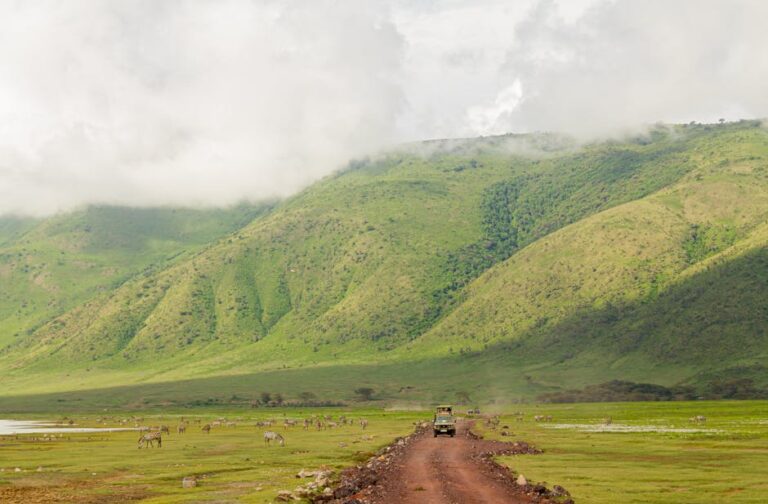
Home to the Great Migration—where over 1.5 million wildebeest and hundreds of thousands of zebras traverse the plains—Serengeti offers one of Earth’s most dramatic wildlife spectacles. The dry season (June–October) is ideal for viewing, as animals congregate around water sources. Guided safaris led by local Maasai rangers provide both safety and cultural insight.
2. Galápagos Islands, Ecuador
A living laboratory of evolution, the Galápagos hosts species found nowhere else, including marine iguanas, giant tortoises, and blue-footed boobies. Strict visitor regulations limit group sizes and dictate walking paths to minimize disturbance. Multi-day cruises or land-based tours with certified naturalist guides ensure compliance and enrich your understanding.
3. Sundarbans Mangrove Forest, India & Bangladesh
This UNESCO World Heritage Site shelters the largest population of Bengal tigers in the world—along with saltwater crocodiles, spotted deer, and rare river dolphins. Boat-based excursions at dawn or dusk increase your chances of sightings while reducing noise pollution. Always travel with licensed guides familiar with tiger behavior and tidal patterns.
4. Costa Rica’s Osa Peninsula
With over 500 species of trees and 10% of the world’s butterfly species, Corcovado National Park on the Osa Peninsula is a biodiversity hotspot. Night walks reveal glass frogs and kinkajous, while dawn hikes may yield sightings of scarlet macaws or even jaguars. Eco-lodges here often partner directly with reforestation projects.
5. Arctic National Wildlife Refuge, Alaska, USA
For those drawn to remote wilderness, Alaska’s Arctic refuge offers caribou migrations, polar bear dens, and vast tundra landscapes. Summer (June–August) provides 24-hour daylight and accessible river routes, but weather remains unpredictable. Travel with experienced outfitters who carry satellite communication and emergency protocols.
Essential Gear for Wildlife Explorers
Proper equipment enhances both safety and observation quality. While needs vary by destination, these items are universally valuable:
- Binoculars (8×42 or 10×42): Compact yet powerful for distant viewing without disturbing animals.
- Weather-appropriate clothing: Layered, moisture-wicking fabrics in neutral tones blend into environments and regulate body temperature.
- Reusable water bottle and filtration system: Reduces plastic waste and ensures safe hydration in remote areas.
- Field notebook or app: Document species, behaviors, and locations to support citizen science initiatives.
- Headlamp with red-light mode: Preserves night vision during nocturnal excursions.
Avoid drones unless explicitly permitted—many parks ban them due to stress caused to wildlife. Similarly, flash photography is often prohibited near sensitive species like nesting birds or nocturnal mammals.
Ethical Wildlife Viewing: Do’s and Don’ts
Responsible behavior protects animals and preserves future viewing opportunities. Follow these guidelines:
- Do maintain distance: Use zoom lenses or binoculars instead of approaching. The “rule of thumb” test—if you can touch it, you’re too close.
- Do stay quiet and move slowly: Sudden noises or gestures can trigger flight responses or aggression.
- Don’t feed wild animals: Human food harms their digestion and can make them dependent or aggressive.
- Don’t litter or remove natural items: Even “harmless” souvenirs like shells or rocks disrupt ecosystems.
- Do choose certified eco-tour operators: Look for credentials from organizations like the International Ecotourism Society (TIES) or local conservation groups.
Best Times to Visit Key Wildlife Destinations
Timing dramatically affects wildlife visibility and comfort. Below is a seasonal overview for major regions:
| Destination | Best Season | Wildlife Highlights |
|---|---|---|
| Serengeti, Tanzania | June–October | Great Migration, predator activity |
| Galápagos, Ecuador | December–May | Calmer seas, sea turtle nesting, warmer water |
| Sundarbans, India | November–February | Cooler temperatures, higher tiger sightings |
| Costa Rica (Osa Peninsula) | December–April | Dry season, easier trail access |
| Arctic Alaska | June–August | Caribou migration, accessible terrain |
How to Plan Your Wildlife Adventure: A Step-by-Step Approach
Successful nature travel requires preparation. Follow these steps to maximize your experience:
- Define your goals: Are you focused on photography, birdwatching, or cultural immersion? This shapes destination and tour type.
- Research permits and regulations: Some parks require advance booking (e.g., Machu Picchu or Komodo National Park). Others restrict daily visitors.
- Book with reputable guides: Read reviews, verify certifications, and ask about group size and guide-to-tourist ratios.
- Check health and safety requirements: Yellow fever vaccination may be needed for African or South American destinations. Carry a basic first-aid kit.
- Pack sustainably: Choose reef-safe sunscreen, biodegradable soap, and reusable containers to reduce environmental impact.
Common Mistakes to Avoid
Even seasoned travelers make errors that compromise safety or ethics:
- Overpacking itineraries: Trying to see too much leads to fatigue and missed moments. Allow downtime for spontaneous sightings.
- Ignoring local customs: In regions like Bhutan or indigenous reserves, dress codes and photography rules reflect deep cultural values.
- Underestimating weather extremes: Deserts get cold at night; rainforests stay humid year-round. Check microclimates specific to your route.
- Choosing price over ethics: The cheapest tour may cut corners on guide training or animal welfare. Invest in quality.
Sustainable Travel Practices That Make a Difference
Your choices ripple through ecosystems and communities. Consider these actions:
- Offset your carbon emissions through verified programs (e.g., Gold Standard or Cool Effect).
- Support locally owned lodges and guides—they reinvest in conservation and community development.
- Participate in citizen science projects like eBird or iNaturalist to contribute data used by researchers.
- Leave no trace: Pack out all waste, including food scraps that can alter animal diets.
Wildlife Photography Tips for Beginners
Capturing animals respectfully takes skill and patience:
- Use a telephoto lens (300mm or longer) to avoid close approaches.
- Shoot during golden hours (dawn/dusk) for soft light and active animals.
- Focus on behavior, not just portraits—a bird feeding its young tells a richer story.
- Never bait animals or use playback calls excessively; it disrupts natural patterns.
Final Thoughts: Travel with Purpose
The Ultimate Nature and Wildlife Travel Guide for Explorers isn’t just about where to go—it’s about how to go. By prioritizing ethics, preparation, and respect, you ensure that the wild places you visit remain vibrant for generations. Whether you’re standing silently as a humpback whale breaches off Iceland’s coast or listening to howler monkeys echo through a Costa Rican rainforest, these moments gain meaning when shared responsibly.
FAQ
What should I do if I encounter a dangerous animal?
Stay calm, avoid direct eye contact, and back away slowly without turning your back. Never run. Always follow your guide’s instructions—they’re trained to handle such situations.
How can I tell if a wildlife tour is ethical?
Look for operators that limit group sizes, prohibit feeding or touching animals, employ local guides, and support conservation initiatives. Certifications from TIES or Global Sustainable Tourism Council are strong indicators.
Is it safe to travel alone for wildlife adventures?
While solo travel offers flexibility, many remote or high-risk destinations (like tiger reserves or polar regions) require guided tours for safety and legal compliance. Always assess risks and consult official travel advisories.