Turkey Travel Guide: Best Cities and Travel Tips
Turkey blends ancient history, vibrant culture, and stunning landscapes into one unforgettable destination. Whether you’re exploring Istanbul’s bustling bazaars, soaking in Pamukkale’s thermal pools, or wandering through Cappadocia’s fairy chimneys, this country offers diverse experiences for every traveler. This guide highlights the best cities to visit, essential travel tips, and practical advice to help you plan a smooth and enriching trip. From visa requirements to local customs, we cover what you need to know before you go.
Why Visit Turkey?
Turkey sits at the crossroads of Europe and Asia, offering a unique fusion of cultures, cuisines, and climates. Its strategic location has made it a historical hub for empires, trade routes, and religious pilgrimages. Today, it remains one of the world’s most visited countries, drawing millions with its rich heritage and natural beauty.
From the Mediterranean coast to the Anatolian plateau, Turkey’s geography is as varied as its attractions. You can ski in the mountains one day and swim in the turquoise sea the next. The country also offers excellent value for money, with affordable accommodations, meals, and transportation compared to much of Europe.
Safety has improved significantly in recent years, and most tourist areas are well-patrolled and welcoming to international visitors. While it’s wise to stay informed about local conditions, millions of travelers visit Turkey each year without incident.
Top Cities to Visit in Turkey
Istanbul: Where East Meets West
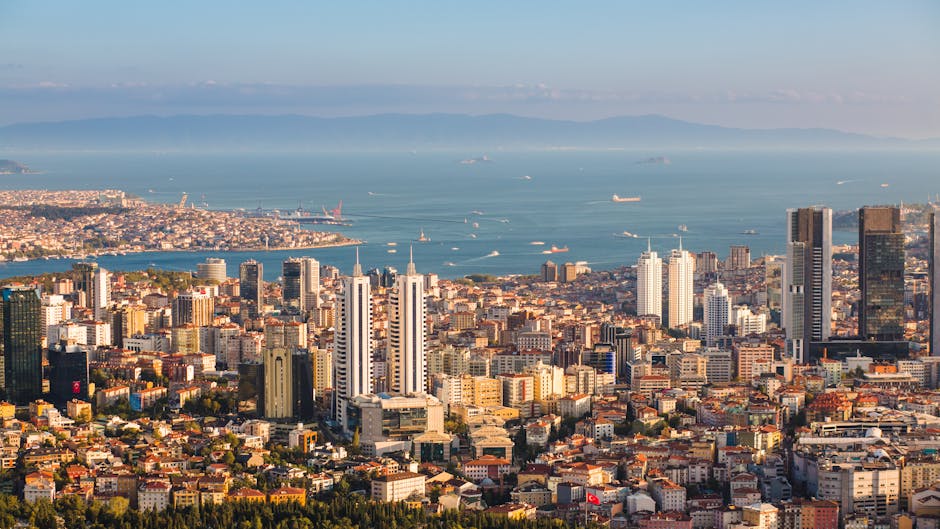
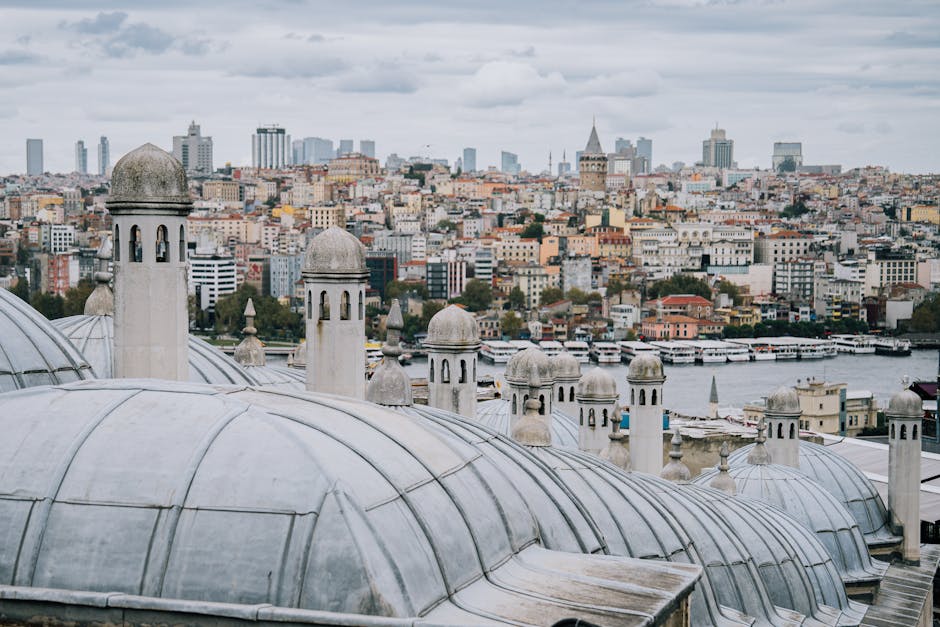
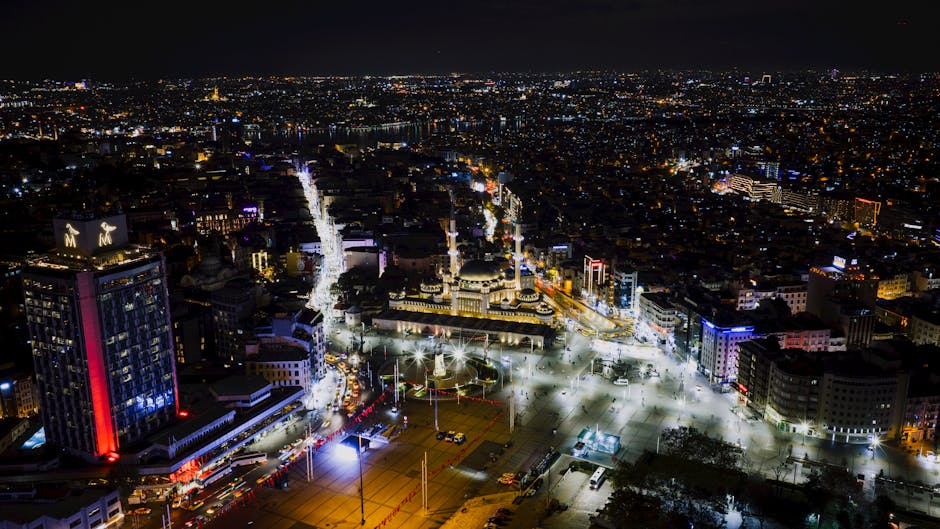
Istanbul is Turkey’s largest city and a must-visit for first-time travelers. Straddling two continents, it offers a dynamic mix of history, architecture, and modern energy. Key landmarks include the Hagia Sophia, Blue Mosque, and Topkapi Palace, all located in the historic Sultanahmet district.
The Grand Bazaar and Spice Bazaar are ideal for shopping and sampling local flavors. Don’t miss a sunset cruise on the Bosphorus, where you can see palaces, mosques, and bridges illuminated against the sky. For a local experience, explore neighborhoods like Karaköy and Beyoğlu, known for their cafes, galleries, and nightlife.
Public transportation is efficient, with metro, tram, and ferry options connecting major sites. Consider purchasing an Istanbul Tourist Pass for discounted entry to attractions and skip-the-line access.
Cappadocia: A Landscape Like No Other
Famous for its surreal rock formations and cave dwellings, Cappadocia is a dream destination for photographers and adventure seekers. The region’s unique topography was formed by volcanic eruptions millions of years ago, later carved into homes, churches, and underground cities by early Christians.
Hot air balloon rides at sunrise are the region’s signature experience, offering panoramic views of the valleys and fairy chimneys. Popular launch sites include Göreme and Uçhisar. Book in advance, especially during peak seasons (spring and autumn).
Visit the Göreme Open-Air Museum, a UNESCO World Heritage site with rock-cut churches decorated with Byzantine frescoes. Don’t miss Derinkuyu or Kaymaklı, two of the largest underground cities, which once housed thousands of people.
Stay in a cave hotel for an authentic experience. Many offer modern amenities while preserving the region’s historic charm. Local wines, made from grapes grown in volcanic soil, are also worth tasting.
Antalya: Mediterranean Paradise
Antalya is Turkey’s premier beach destination, located on the stunning Turquoise Coast. With over 60 kilometers of coastline, it offers sandy beaches, clear waters, and a lively resort atmosphere. The old town, Kaleiçi, is a maze of cobblestone streets, Ottoman-era houses, and boutique shops.
Nearby attractions include the ancient city of Perge, the Aspendos Theatre—one of the best-preserved Roman theaters in the world—and the Düden Waterfalls. For nature lovers, the Köprülü Canyon offers white-water rafting and hiking trails.
Antalya is well-connected by air, with direct flights from many European cities. The city also serves as a gateway to other coastal towns like Kemer and Side. Summer is peak season, so book accommodations early if visiting between June and August.

Ephesus: Walk Through Ancient History
One of the best-preserved ancient cities in the Mediterranean, Ephesus is a highlight for history enthusiasts. Located near the town of Selçuk, it was once a major Roman port and home to the Temple of Artemis, one of the Seven Wonders of the Ancient World.
The site features impressive ruins, including the Library of Celsus, the Great Theatre, and the Terrace Houses, which offer a glimpse into Roman domestic life. Guided tours provide valuable context, but you can also explore independently with a map and audio guide.
Combine your visit with nearby attractions like the House of the Virgin Mary and the Basilica of St. John. Both are significant Christian pilgrimage sites. The region is also known for its olive oil, wine, and handmade carpets.
Pamukkale: Thermal Pools and Ancient Ruins
Pamukkale, meaning “cotton castle” in Turkish, is famous for its white travertine terraces filled with warm, mineral-rich water. These natural pools cascade down a hillside, creating a surreal landscape that looks almost otherworldly.
Visitors can walk barefoot on the travertines (wearing water shoes is recommended) and swim in the Cleopatra Pool, where ancient Roman columns lie submerged. The site is part of the Hierapolis archaeological park, which includes a well-preserved theater and necropolis.
Pamukkale is best visited in the early morning or late afternoon to avoid crowds and capture the best light. The nearby town offers budget-friendly guesthouses and restaurants serving traditional Turkish dishes.
Bodrum: Coastal Charm and Nightlife
Bodrum, on the Aegean coast, blends laid-back beach vibes with upscale resorts and a lively nightlife scene. The town is dominated by the medieval Bodrum Castle, now home to the Museum of Underwater Archaeology.
Yachting is popular here, with many visitors arriving by boat from nearby Greek islands. The marina is lined with cafes, bars, and boutiques. For a quieter experience, head to Gümüşlük or Torba, two nearby villages with pristine beaches and seafood restaurants.
Bodrum is also a gateway to the ancient city of Halicarnassus, where the Mausoleum once stood. Summer festivals and beach parties make it a hotspot for younger travelers, but it remains family-friendly during the day.
Essential Travel Tips for Turkey
Visa and Entry Requirements
Most travelers need a visa to enter Turkey. Citizens of the U.S., UK, Canada, Australia, and many EU countries can apply for an e-Visa online through the official Turkish government website. The process is quick, usually taking less than 24 hours, and costs around $50 USD.
Your passport must be valid for at least six months beyond your entry date. Border officials may ask for proof of return tickets, accommodation, and sufficient funds. Keep digital and printed copies of your visa and travel documents.
Note that visa policies can change, so always check the latest requirements before your trip. Overstaying your visa can result in fines or future entry bans.
Best Time to Visit
The ideal time to visit Turkey depends on your destination and interests. Spring (April to June) and autumn (September to November) offer mild weather, fewer crowds, and lower prices. These seasons are perfect for city tours, hiking, and cultural exploration.
Summer (July to August) is hot, especially in central and southern regions, but ideal for beach vacations along the coast. Winter is quiet and budget-friendly, with opportunities for skiing in places like Uludağ and Palandöken.
Ramadan affects opening hours and dining options, particularly in more conservative areas. If traveling during this time, be respectful of local customs and plan meals accordingly.
Getting Around
Turkey has a well-developed transportation network. Domestic flights are affordable and connect major cities like Istanbul, Ankara, Izmir, and Antalya. Airlines such as Turkish Airlines and Pegasus offer frequent routes.
Long-distance buses are comfortable, reliable, and often cheaper than flying. Companies like Metro and Kamil Koç provide reclining seats, Wi-Fi, and refreshments. The bus system is especially useful for reaching smaller towns and rural areas.
In cities, use public transit like metros, trams, and ferries. Istanbul’s public transport system is extensive, but can be crowded during rush hours. Download local transit apps for real-time updates and route planning.
Renting a car gives flexibility, especially for exploring the countryside. However, driving in cities can be chaotic, and parking is limited. International driving permits are required for most foreign licenses.
Money and Budgeting
The local currency is the Turkish Lira (TRY). While credit cards are widely accepted in cities and tourist areas, cash is preferred in rural regions and small shops. ATMs are plentiful, but check for foreign transaction fees with your bank.
Turkey is generally affordable. A budget traveler can get by on $30–$50 per day, while mid-range travelers might spend $70–$120. Luxury accommodations and fine dining are available but not necessary for a comfortable trip.
Tipping is customary. Leave 10% in restaurants, round up taxi fares, and tip hotel staff and tour guides for good service. Bargaining is expected in bazaars and markets, but be polite and respectful.
Safety and Health
Turkey is safe for tourists, but standard precautions apply. Avoid political demonstrations, stay alert in crowded areas, and keep valuables secure. Scams targeting tourists are rare but can occur in busy markets or with unofficial tour operators.
Drink bottled water, especially in rural areas. Tap water is generally safe in major cities, but many locals prefer bottled. Pack a basic first-aid kit and any prescription medications you need.
Travel insurance is highly recommended. It should cover medical emergencies, trip cancellations, and theft. Check that your policy includes activities like hot air ballooning or hiking.
Cultural Etiquette
Turkish people are known for their hospitality. A simple “Merhaba” (hello) or “Teşekkür ederim” (thank you) goes a long way. Dress modestly when visiting religious sites—cover shoulders and knees, and remove shoes when required.
When invited to a local’s home, bring a small gift like pastries or fruit. It’s polite to accept tea or coffee when offered. Avoid discussing sensitive topics like politics or religion unless you know your host well.
Public displays of affection are frowned upon in conservative areas. Be mindful of local norms, especially outside major tourist zones.
Must-Try Foods and Drinks
Turkish cuisine is a highlight of any trip. Start with meze—small dishes like hummus, eggplant salad, and stuffed grape leaves—often served as appetizers. Don’t miss kebabs, particularly döner and şiş kebab, best enjoyed fresh from a local grill.
Baklava, lokum (Turkish delight), and künefe are popular desserts. Pair them with Turkish tea (çay) or strong coffee (kahve). Both are staples of daily life and often served freely to guests.
Street food is safe and delicious. Try gözleme (savory pancakes), simit (sesame rings), and fresh pomegranate juice. In coastal areas, grilled fish and seafood meze are must-tries.
Vegetarian options are available but may require asking specifically. Many dishes use meat broth or hidden ingredients, so communicate your dietary needs clearly.
Packing Essentials
Pack lightweight, breathable clothing for summer and layers for spring and autumn. A scarf or shawl is useful for covering up at mosques. Comfortable walking shoes are essential, especially for exploring ancient sites and cobblestone streets.
Don’t forget sunscreen, a hat, and sunglasses—the sun can be intense, even in spring. A reusable water bottle with a filter is eco-friendly and practical. Power adapters are needed, as Turkey uses the European standard (Type C and F plugs).
If visiting religious sites, bring a small bag to store your shoes. A portable charger and offline maps can be lifesavers in areas with limited connectivity.
Final Thoughts
Turkey offers an incredible mix of history, nature, and culture that appeals to all kinds of travelers. Whether you’re drawn to its ancient ruins, coastal resorts, or vibrant cities, there’s something for everyone. With thoughtful planning and an open mind, your trip can be both enriching and enjoyable.
Use this guide to choose your destinations, understand local customs, and navigate logistics with confidence. Turkey rewards curious travelers with unforgettable experiences and warm hospitality.
FAQ
Do I need a visa to visit Turkey?
Yes, most travelers need a visa. Citizens of the U.S., UK, Canada, Australia, and many EU countries can apply for an e-Visa online before arrival.
Is Turkey safe for tourists?
Yes, Turkey is generally safe for tourists. Stick to well-traveled areas, stay informed about local conditions, and take standard safety precautions.
What is the best time to visit Turkey?
The best times are spring (April–June) and autumn (September–November), when the weather is pleasant and crowds are smaller.