Travel Tips Guide for Beginners with Essential Advice
Starting your first trip can feel overwhelming, but with the right preparation, it becomes an exciting adventure. Exploring travel tips for beginners reveals important insights. This travel tips guide for beginners with essential advice covers everything from packing smart to staying safe abroad. Whether you’re heading to a nearby city or crossing continents, these practical strategies will help you travel confidently, avoid common mistakes, and make the most of your journey. We’ll walk you through planning, budgeting, safety, and on-the-ground navigation—so you can focus on enjoying the experience.
Plan Ahead, But Stay Flexible
Good travel starts with thoughtful planning. Begin by choosing a destination that matches your interests, budget, and time frame. Research visa requirements, local customs, weather patterns, and peak tourist seasons. For example, visiting Paris in July means crowds and high prices, while October offers milder weather and fewer tourists.
Book flights and accommodations early to secure better rates, especially for popular destinations. Use comparison sites like Google Flights or Skyscanner to track price trends. Set price alerts and consider flying mid-week or during off-peak hours for savings. However, don’t over-plan your itinerary—leave room for spontaneity. Some of the best travel moments happen when you wander into a local market or follow a recommendation from a friendly stranger.
Create a Realistic Itinerary
A common mistake beginners make is trying to see too much in too little time. Instead of rushing from one landmark to the next, prioritize 2–3 key experiences per day. For instance, in Rome, you might visit the Colosseum in the morning, enjoy a leisurely lunch in Trastevere, and explore a local art gallery in the afternoon. This pace reduces stress and allows deeper engagement with each place.
Use tools like Google My Maps to plot your daily routes. This helps visualize distances and avoid backtracking. Always include buffer time for meals, rest, and unexpected delays—like a delayed train or a sudden downpour.
Pack Light and Smart
Overpacking is a classic beginner error. Airlines charge for checked bags, and lugging heavy suitcases through cobblestone streets or crowded stations is exhausting. Aim for a carry-on suitcase or a 40-liter backpack, depending on your travel style.
Use the “layering” method: pack versatile, mix-and-match clothing in neutral colors. A wrinkle-resistant blazer, two pairs of pants, three tops, and a lightweight jacket can create multiple outfits. Roll clothes instead of folding to save space and reduce creases.
Don’t forget essentials like a universal power adapter, portable charger, reusable water bottle, and a small first-aid kit. Keep medications, travel documents, and a change of clothes in your carry-on in case your checked luggage is delayed.
What to Leave Behind
Avoid bringing items you can easily buy at your destination. For example, toiletries, sunscreen, and even phone chargers are widely available in most countries. Save space and weight by purchasing these locally. Also, leave expensive jewelry and unnecessary electronics at home—they’re tempting targets for theft.
Manage Your Budget Wisely
Travel costs add up quickly. Start by setting a daily spending limit based on your destination. Budget travelers in Southeast Asia might aim for $30–$50 per day, while in Western Europe, $80–$120 is more realistic.
Use budgeting apps like Trail Wallet or Splitwise to track expenses. Carry a mix of payment methods: a credit card with no foreign transaction fees, a debit card for ATM withdrawals, and some local cash. Notify your bank of your travel plans to avoid card blocks.
Save money by choosing local eateries over tourist traps. A family-run café in Lisbon or a street food stall in Bangkok often offers better food at a fraction of the price. Look for lunch specials, which are typically cheaper than dinner menus.
Hidden Costs to Watch For
Be aware of hidden fees: tourist taxes, ATM surcharges, dynamic currency conversion, and resort fees. Always ask if prices include tax and tip. In some countries, like Japan, tipping is not customary and can be seen as rude.
Stay Safe and Healthy
Safety should be a top priority. Before departure, register with your country’s travel advisory service—such as the U.S. Department of State’s Smart Traveler Enrollment Program (STEP). This ensures you receive emergency alerts and can be located if needed.
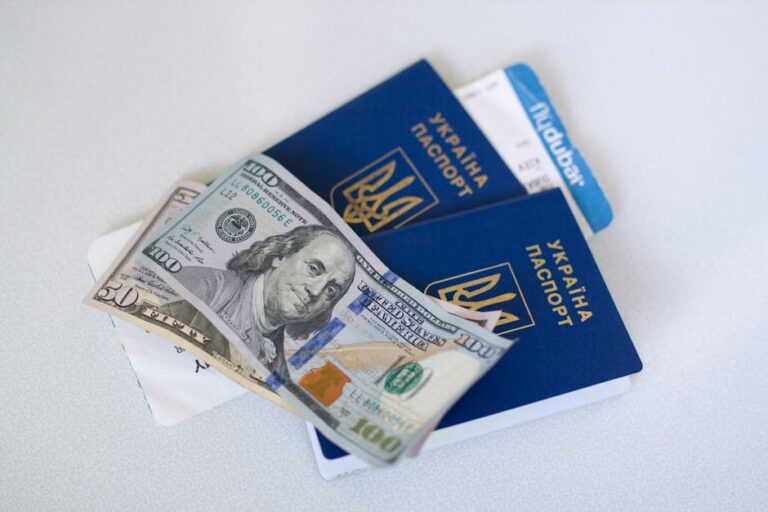
Make digital and physical copies of your passport, visa, and travel insurance documents. Store them separately from the originals. Use a money belt or hidden pouch for cash and cards, and avoid flashing valuables in public.
Research local scams. In many tourist areas, common tricks include fake petitions, distraction thefts, or overcharging for services. Stay alert in crowded places like train stations and markets.
Health Precautions
Check if your destination requires vaccinations. Visit a travel clinic 4–6 weeks before departure. Pack a basic medical kit with pain relievers, antiseptic wipes, motion sickness pills, and any prescription medications in their original containers.
Drink bottled or filtered water in regions with questionable tap water. Avoid ice in drinks and raw vegetables that may have been washed in local water. If you have dietary restrictions, learn key phrases in the local language to communicate your needs.
Navigate Like a Local
Download offline maps and translation apps before you go. Google Maps works offline if you download the area in advance. Apps like Google Translate can help with menus, signs, and basic conversations—especially useful in countries with non-Latin scripts.
Learn a few essential phrases in the local language: “Hello,” “Thank you,” “Where is the bathroom?” and “How much does this cost?” Even simple efforts are appreciated and can open doors to authentic interactions. This covers key aspects of travel tips for beginners.
Use public transportation instead of taxis when possible. It’s cheaper, eco-friendly, and gives you a real sense of daily life. Buy day passes or transit cards for convenience. In cities like Tokyo or Berlin, the subway systems are efficient and easy to navigate with a map.
Respect Local Culture
Observe dress codes and social norms. In many Middle Eastern and Southeast Asian countries, modest clothing is expected, especially at religious sites. Remove your shoes before entering homes or temples. Avoid public displays of affection where they’re frowned upon.
Be mindful of photography etiquette. Always ask before taking pictures of people, and avoid photographing military sites or government buildings.
Choose the Right Accommodation
Your lodging affects your entire travel experience. Hostels are budget-friendly and social, ideal for solo travelers. Guesthouses and boutique hotels offer more privacy and local charm. For families or longer stays, consider vacation rentals with kitchens to save on meals.
Read recent reviews on platforms like Booking.com or Airbnb. Pay attention to comments about cleanliness, location, and host responsiveness. Check the walking distance to public transit and nearby attractions.
Always confirm your reservation a few days before arrival, especially during peak seasons. Some smaller hotels may not have 24-hour reception.
Staying Connected
Decide whether you need international data. Many travelers use eSIMs (like Airalo or Holafly) for affordable data plans. Alternatively, buy a local SIM card at the airport or a mobile shop. Free Wi-Fi is available in cafes and hotels, but avoid using it for sensitive transactions like banking.
Travel Insurance: Don’t Skip It
Travel insurance is not optional—it’s essential. A good policy covers medical emergencies, trip cancellations, lost luggage, and flight delays. Medical care abroad can be extremely expensive, and your regular health insurance may not apply.
Compare plans from reputable providers like World Nomads, Allianz, or SafetyWing. Read the fine print: some policies exclude adventure activities or pre-existing conditions. Purchase insurance soon after booking your trip to qualify for cancellation coverage.
Document Your Journey Responsibly
Keep a travel journal or use a note-taking app to record experiences, people you meet, and places you visit. Photos are great, but writing helps you reflect and remember details that fade over time.
Share your adventures on social media thoughtfully. Avoid posting real-time location updates that could signal your home is empty. Be respectful when photographing locals or sacred sites.
Returning Home: The Often-Overlooked Step
Re-entry can be jarring. Reverse culture shock is real—you may feel restless or disconnected after returning. Ease the transition by sharing stories with friends, organizing photos, and planning your next trip.
Check customs regulations for items you’re bringing back. Some countries restrict food, plants, or souvenirs made from endangered materials. Declare everything to avoid fines.
Rest and hydrate after your flight. Jet lag affects everyone differently—try to adjust your sleep schedule a few days before departure if traveling across multiple time zones.
Final Thoughts on Your First Trip
Travel is as much about the journey as the destination. Mistakes will happen—missed buses, language mix-ups, lost reservations—but they often become the best stories. Approach your trip with curiosity, patience, and an open mind.
This travel tips guide for beginners with essential advice is designed to prepare you, not paralyze you. You don’t need to be perfect—just prepared. With these strategies, you’ll travel smarter, safer, and more confidently, setting the stage for many more adventures to come.
FAQ
How far in advance should I book my flight?
For international trips, aim to book 2–3 months in advance for the best prices. Domestic flights can be booked 4–6 weeks ahead. Use fare comparison tools and set price alerts to catch drops.
What should I do if I lose my passport abroad?
Contact your country’s nearest embassy or consulate immediately. They can issue an emergency travel document. Keep digital copies of your passport and report the loss to local police if required.
Is it safe to use public Wi-Fi while traveling?
Public Wi-Fi is convenient but risky. Avoid accessing bank accounts or entering passwords on unsecured networks. Use a VPN (Virtual Private Network) to encrypt your connection and protect your data.