Top European Foods to Try for Culinary Travelers
Europe is a treasure trove of culinary traditions, each country offering unique flavors shaped by centuries of history, geography, and culture. For culinary travelers, exploring the continent through its food is one of the most rewarding ways to experience local life. From hearty stews in the Alps to delicate pastries in Paris, the top European foods to try for culinary travelers span a wide spectrum of tastes and techniques. This guide highlights iconic dishes across Europe—what they are, where to find them, and why they matter—so you can eat like a local on your next trip.
Why Food Is Central to European Travel
Food in Europe isn’t just sustenance—it’s identity. Meals are often communal, leisurely, and deeply rooted in regional pride. Unlike fast-food culture, European dining emphasizes quality ingredients, seasonal produce, and time-honored methods. Whether you’re sipping espresso in a Roman piazza or sharing a platter of cured meats in a Tuscan vineyard, food becomes a gateway to understanding local customs and values.
For travelers, trying regional specialties offers more than just a meal. It’s a chance to connect with people, learn about agricultural traditions, and taste the subtle differences that make each destination unique. A cheese in France may share a name with one in Italy, but the terroir, aging process, and flavor profile can be worlds apart.
Must-Try Dishes by Country
Europe’s culinary map is rich and varied. Below are standout dishes that define their regions and are essential for any food-focused journey.
Italy: Pasta, Pizza, and Regional Specialties
Italy’s reputation for exceptional food is well-earned. While pizza and pasta are global favorites, the real magic lies in regional variations.
- Carbonara (Rome): A creamy pasta dish made with eggs, Pecorino Romano, guanciale (cured pork cheek), and black pepper. Avoid versions with cream—authentic carbonara relies on the emulsion of egg and starchy pasta water.
- Risotto alla Milanese (Milan): Creamy rice infused with saffron, giving it a golden hue and delicate floral note. Often served with ossobuco (braised veal shanks).
- Neapolitan Pizza (Naples): Recognized by UNESCO as an intangible cultural heritage, this thin-crust pizza uses San Marzano tomatoes, fresh mozzarella di bufala, and basil. Cooked in a wood-fired oven, it’s soft, chewy, and slightly charred at the edges.
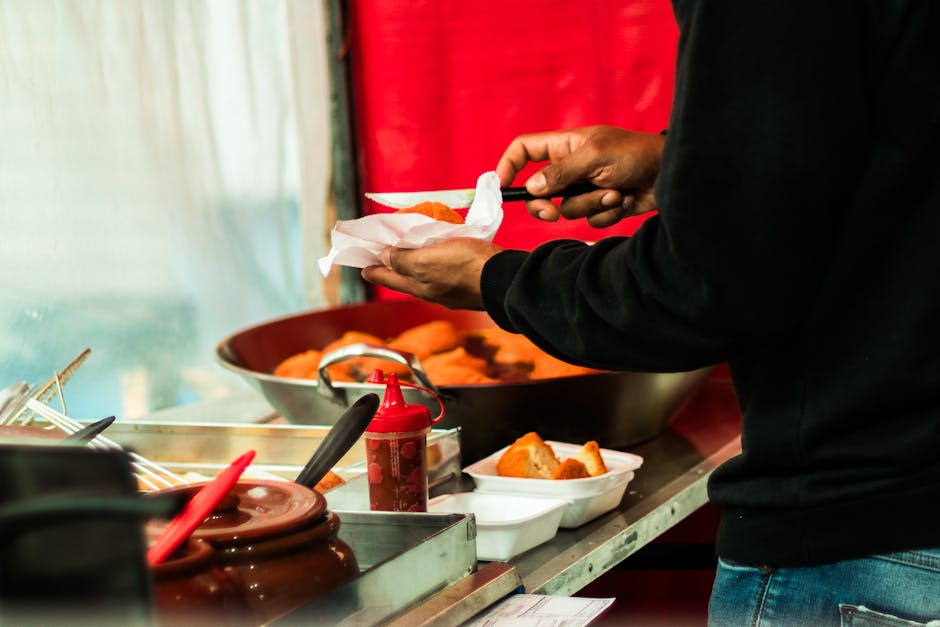
- Arancini (Sicily): Fried rice balls stuffed with ragù, peas, and mozzarella. A popular street food, especially in Palermo.
Tip: In Italy, meals are structured. Primo (first course) is typically pasta or risotto, followed by secondo (main protein). Don’t skip the antipasti—small plates like bruschetta or cured meats set the tone.
France: From Bistro Classics to Artisanal Delicacies
French cuisine is synonymous with technique and elegance. While Paris offers fine dining, regional specialties often provide the most authentic experiences.
- Coq au Vin (Burgundy): Chicken braised in red wine with mushrooms, onions, and bacon. A rustic dish that showcases French mastery of slow cooking.
- Croque Monsieur (Paris): A grilled ham and cheese sandwich, often topped with béchamel and gruyère. The Croque Madame adds a fried egg on top.
- Quiche Lorraine (Lorraine): A savory tart with eggs, cream, bacon, and cheese. Best enjoyed fresh from a local boulangerie.
- Escargot (Nationwide): Snails baked in garlic-parsley butter. A classic appetizer in French bistros, often served in their shells with special tongs and forks.
Warning: Avoid ordering “French fries” in France—locals call them frites and expect them double-fried and served with mayonnaise. Ketchup is rarely offered.
Spain: Tapas, Seafood, and Bold Flavors
Spanish cuisine thrives on sharing and bold ingredients. The tapas culture encourages sampling multiple dishes in one sitting.
- Patatas Bravas (Madrid): Fried potatoes topped with spicy tomato sauce and aioli. A staple in bars across Spain.
- Gambas al Ajillo (Andalusia): Garlic shrimp sizzled in olive oil and chili. Served sizzling hot in a clay dish.
- Paella (Valencia): Originally a rice dish cooked with rabbit, chicken, and beans, modern versions often include seafood. Authentic paella uses bomba rice and saffron.
- Jamón Ibérico (Nationwide): Cured ham from Iberian pigs, often fed on acorns. Served thinly sliced, it’s rich, nutty, and melts in the mouth.
Note: In Spain, dinner is typically late—after 9 PM. Many restaurants don’t open for dinner until 8:30 PM. Lunch, the main meal, is served between 1:30 and 3 PM.
Greece: Mediterranean Simplicity and Freshness
Greek food emphasizes fresh vegetables, olive oil, herbs, and seafood. It’s a cornerstone of the Mediterranean diet.
- Moussaka (Nationwide): Layers of eggplant, spiced meat sauce, and béchamel, baked until golden. A comforting, hearty dish.
- Souvlaki (Athens): Grilled meat skewers, usually pork or chicken, served with pita, tomatoes, onions, and tzatziki.
- Dolmades (Nationwide): Grape leaves stuffed with rice, herbs, and sometimes pine nuts. Often served as an appetizer.
- Feta with Honey and Walnuts (Nationwide): A simple dessert or meze combining salty feta with sweet honey and crunchy walnuts.
Tip: Look for tavernas away from tourist squares. These family-run spots often serve the most authentic food at reasonable prices.
Germany: Hearty Fare and Craft Beer Pairings
German cuisine is known for its robustness and comfort. Think sausages, sauerkraut, and dark breads.
- Sauerbraten (Rhineland): Pot roast marinated in vinegar and spices for days, then slow-cooked. Served with red cabbage and potato dumplings.
- Bratwurst (Nuremberg): Small, flavorful pork sausages, often grilled and served with mustard and sauerkraut.
- Spätzle (Swabia): Soft egg noodles, often served as a side or topped with cheese (käsespätzle).
- Pretzels (Bavaria): Large, soft pretzels with a chewy exterior and salty crust. Perfect with beer.
Warning: In Bavaria, it’s customary to say “Prost!” before drinking. Also, tap water is safe and often served as Leitungswasser.
Portugal: Seafood, Pastries, and Bold Spices
Portugal’s coastal location makes seafood a cornerstone of its cuisine, while its history as a spice trader adds depth to many dishes.
- Bacalhau à Brás (Lisbon): Salted cod mixed with onions, potatoes, eggs, and olives. A beloved national dish.
- Francesinha (Porto): A hearty sandwich layered with cured meats, covered in melted cheese and a rich tomato-beer sauce. Served with fries.
- Pastel de Nata (Nationwide): Custard tarts with flaky pastry and a caramelized top. Best eaten warm from a local pastelaria.
- Grilled Sardines (Lisbon): Fresh sardines grilled over charcoal, served with boiled potatoes and salad.
Tip: Visit a mercado municipal (municipal market) like Mercado da Ribeira in Lisbon for a variety of local foods under one roof.
Scandinavia: New Nordic and Traditional Staples
Countries like Denmark, Sweden, and Norway are redefining Nordic cuisine with a focus on foraging, fermentation, and sustainability.
- Smørrebrød (Denmark): Open-faced sandwiches on rye bread, topped with fish, meat, or vegetables. A Danish lunch staple.
- Gravlax (Sweden): Raw salmon cured with salt, sugar, and dill. Served with mustard sauce and crispbread.
- Fårikål (Norway): Lamb and cabbage stew, Norway’s national dish. Simple but deeply flavorful.
- Rye Bread and Herring (Nationwide): Fermented or pickled herring served on dark rye bread, often with sour cream and chives.
Note: Tipping is not expected in Scandinavia, as service charges are included. However, rounding up is appreciated.
How to Eat Like a Local: Tips for Culinary Travelers
To truly experience European food, go beyond the tourist menus. Here’s how:
- Eat where locals eat: Avoid restaurants near major attractions. Look for places filled with residents, especially during lunch hours.
- Learn a few food phrases: Knowing how to say “delicious” or “no spicy” in the local language goes a long way.
- Visit markets: Farmers’ markets and food halls offer fresh produce, cheeses, and prepared foods. They’re great for sampling and people-watching.
- Try seasonal dishes: Many European specialties are tied to seasons. Asparagus in spring, truffles in winter, strawberries in summer.
- Respect dining customs: In Italy, cappuccino is a morning drink. In France, bread is placed directly on the table. Observe and follow local etiquette.
Food Safety and Dietary Considerations
Europe generally has high food safety standards, but travelers should still take precautions.
- Tap water: Safe to drink in most countries. Carry a reusable bottle to reduce plastic waste.
- Allergies: Inform servers clearly. Many European countries label allergens on menus, but cross-contamination can occur in smaller kitchens.
- Vegetarian and vegan options: Increasingly available, especially in cities. Mediterranean countries often have naturally plant-based dishes.
- Street food: Generally safe, but choose vendors with high turnover and visible hygiene practices.
Pairing Food with Wine and Beer
Europe’s drink culture enhances its cuisine. Here’s how to pair like a pro:
| Country | Signature Drink | Best Pairing |
|---|---|---|
| Italy | Chianti (red wine) | Pasta with tomato-based sauces, grilled meats |
| France | Bordeaux or Burgundy (red wine) | Coq au vin, duck confit, cheese |
| Spain | Rioja (red wine) or Cava (sparkling) | Paella, tapas, jamón |
| Germany | Pilsner or Wheat Beer | Sausages, pretzels, schnitzel |
| Portugal | Port or Vinho Verde | Seafood, bacalhau, pastel de nata |
Final Thoughts: Savoring Europe One Bite at a Time
For culinary travelers, Europe offers an endless feast of flavors, textures, and traditions. The top European foods to try for culinary travelers are not just about taste—they’re about connection, history, and place. Whether you’re slurping oysters in Brittany, sharing a loaf of sourdough in Berlin, or savoring a flaky croissant in Vienna, each bite tells a story.
Travel slowly, eat mindfully, and let your palate guide you. The best meals often happen off the beaten path, in a family-run trattoria or a seaside shack. Keep an open mind, try something new each day, and remember: in Europe, food is more than fuel—it’s culture on a plate.
FAQ
What are the most iconic European foods for first-time visitors?
First-time visitors should try Italian pasta (like carbonara), French croissants, Spanish paella, German bratwurst, and Greek moussaka. These dishes represent core culinary traditions and are widely available.
Are European restaurants vegetarian-friendly?
Yes, especially in larger cities and Mediterranean countries. Dishes like Greek dolmades, Italian margherita pizza, and Spanish tortilla española are naturally vegetarian. Always confirm ingredients, as some sauces may contain meat stock.
How can I avoid tourist traps when dining in Europe?
Avoid restaurants with menus in multiple languages or pictures of food. Instead, look for places with local patrons, limited English signage, and daily specials written on chalkboards. Asking hotel staff or locals for recommendations also helps.