Thailand Travel Guide: Top Destinations and Travel Tips
Thailand offers a compelling mix of vibrant cities, ancient temples, tropical beaches, and rich cultural traditions. Exploring Thailand travel destinations reveals important insights. Whether you’re planning your first trip or returning for another adventure, this Thailand travel guide covers the must-see destinations, practical advice, and essential tips to help you navigate the Land of Smiles with confidence. From Bangkok’s bustling streets to the serene islands of the Andaman Sea, you’ll find detailed insights on where to go, what to do, and how to make the most of your journey—all grounded in reliable, up-to-date information.
Why Visit Thailand?
Thailand consistently ranks among the world’s top travel destinations thanks to its affordability, diverse landscapes, and warm hospitality. Travelers are drawn to its UNESCO-listed historic sites, world-class street food, and some of the most beautiful coastlines in Southeast Asia. Unlike many tropical destinations, Thailand offers something for every type of traveler: backpackers, families, luxury seekers, and cultural explorers alike.
The country’s infrastructure supports tourism well, with reliable domestic flights, an extensive bus network, and increasingly accessible train routes. English is widely spoken in tourist areas, and signs are often bilingual. However, venturing off the beaten path may require basic Thai phrases or translation tools.
Top Destinations in Thailand
Thailand’s geography spans mountains, jungles, rivers, and over 1,000 miles of coastline. Below are the most popular and rewarding regions to include in your itinerary.
Bangkok: The Cultural and Urban Heart
No Thailand travel guide is complete without highlighting Bangkok. As the capital and largest city, it serves as the primary gateway for international visitors. The city blends modern skyscrapers with centuries-old temples and lively markets.
- Grand Palace and Wat Phra Kaew: This complex houses the Emerald Buddha and is one of Thailand’s most sacred sites. Dress modestly—shoulders and knees must be covered.
- Wat Arun (Temple of Dawn): Best viewed from the Chao Phraya River, especially at sunset. Climb the central prang for panoramic city views.
- Chatuchak Weekend Market: One of the world’s largest markets, with over 15,000 stalls selling everything from clothing to antiques.
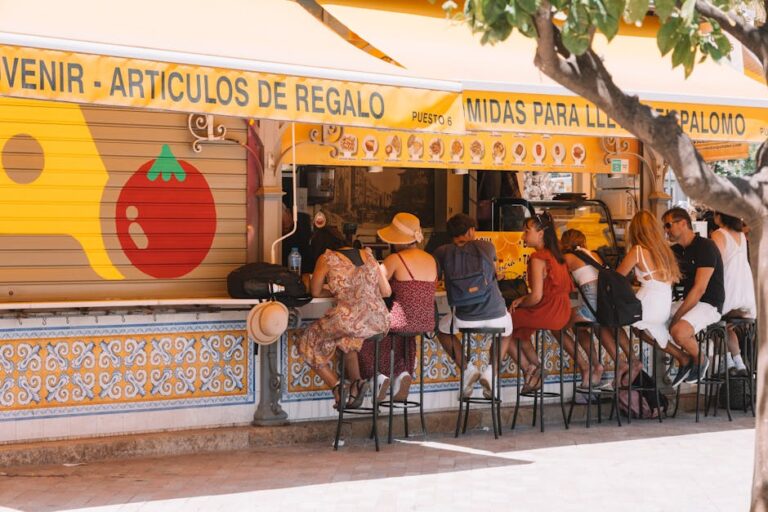
- Street Food Scene: Try pad Thai at Thip Samai, mango sticky rice at Mae Varee, or boat noodles in the Old City.
Bangkok is hot and humid year-round, so plan indoor activities during midday. Use the BTS Skytrain or MRT subway to avoid traffic congestion. Tuk-tuks are fun but negotiate fares upfront—they rarely use meters.
Chiang Mai: Culture and Nature in the North
Nestled in the mountains of northern Thailand, Chiang Mai offers a cooler climate and a more relaxed pace than Bangkok. It’s a hub for trekking, temple visits, and cultural immersion.
- Wat Phra That Doi Suthep: Perched on a mountain overlooking the city, this temple requires a steep climb or songthaew (shared taxi) ride. Arrive early to avoid crowds.
- Sunday Walking Street: A vibrant night market along Ratchadamnoen Road featuring local crafts, live music, and northern Thai cuisine like khao soi.
- Ethical Elephant Sanctuaries: Avoid riding camps. Instead, visit places like Elephant Nature Park, where you can observe and feed rescued elephants without exploitation.
- Doi Inthanon National Park: Home to Thailand’s highest peak, waterfalls, and lush trails. Ideal for day hikes and birdwatching.
Chiang Mai is especially popular during the cool season (November to February) and the Yi Peng Lantern Festival in November. Book accommodations and tours in advance during peak times.
The Islands: Phuket, Koh Samui, and Krabi
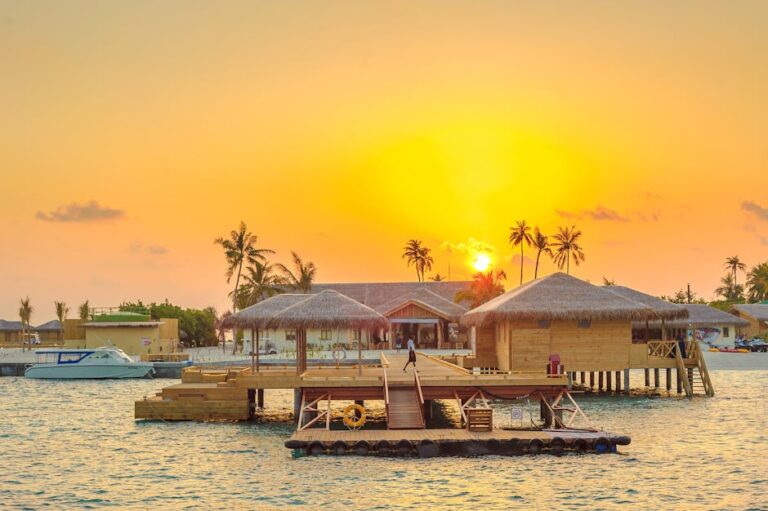
Thailand’s islands are legendary for white-sand beaches, turquoise waters, and vibrant nightlife. Each island offers a different vibe, so choose based on your travel style.
Phuket
Thailand’s largest island is a mix of luxury resorts, lively beach towns, and quiet coves. Patong Beach is known for its nightlife, while Kata and Karon offer more family-friendly atmospheres. For tranquility, head to Mai Khao or Nai Harn beaches.
Phuket is well-connected by air and boat. Ferries run regularly to nearby islands like Phi Phi and James Bond Island. Be cautious of strong currents and monsoon conditions from May to October.
Koh Samui
This island in the Gulf of Thailand is more laid-back than Phuket. Chaweng Beach has the most amenities, while Lamai and Bophut offer quieter alternatives. The Fisherman’s Village in Bophut hosts a weekly night market with food stalls and live music.
Koh Samui has an international airport, making it accessible without a mainland transfer. Rent a scooter to explore the island, but wear a helmet and avoid driving at night due to poor road conditions in some areas.
Krabi and the Railay Peninsula
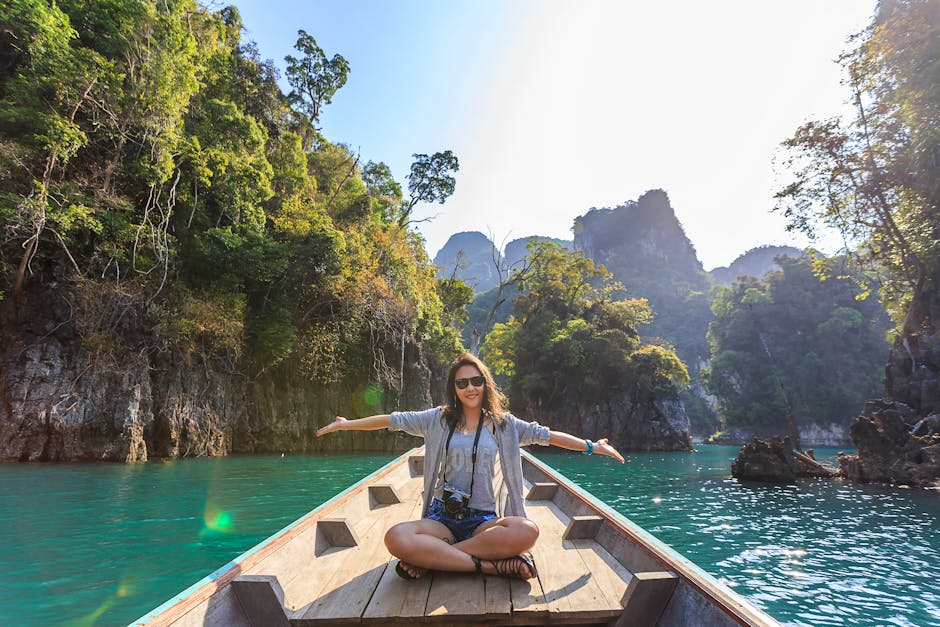
Krabi province is famous for dramatic limestone cliffs, clear waters, and world-class rock climbing. Railay Beach is only accessible by boat, giving it a secluded feel. Nearby islands like Koh Phi Phi and Koh Lanta are ideal for snorkeling and diving.
Krabi Town serves as a base for boat tours and national park visits. Ao Nang Beach offers more amenities and direct access to longtail boats. Avoid swimming during monsoon season (May–October) due to rough seas.
Ayutthaya and Sukhothai: Ancient Capitals
For history enthusiasts, the ancient cities of Ayutthaya and Sukhothai offer a glimpse into Thailand’s royal past. This covers key aspects of Thailand travel destinations.
- Ayutthaya: Just 80 km north of Bangkok, this UNESCO World Heritage Site was once the capital of the Kingdom of Siam. Rent a bike to explore the temple ruins, including Wat Mahathat, where a Buddha head is entwined in tree roots.
- Sukhothai: Located in central Thailand, this was the first capital of Thailand (13th–14th century). The Sukhothai Historical Park features well-preserved stupas, Buddha images, and moats. Visit during the Sukhothai Light and Sound Festival in November for cultural performances.
Both sites are best visited during the dry season (November to February). Combine them in a multi-day trip from Bangkok using trains or private tours.
When to Visit Thailand
Thailand has three main seasons, each affecting travel plans differently.
| Season | Months | Weather | Best For |
|---|---|---|---|
| Cool Season | November–February | Mild and dry | City tours, temples, northern treks |
| Hot Season | March–May | Very hot, humid | Beach trips, island hopping |
| Rainy Season | June–October | Frequent downpours, high humidity | Budget travel, fewer crowds |
The cool season is peak tourist time, so expect higher prices and larger crowds. The rainy season brings lower rates and lush landscapes, but some islands may have limited ferry services. The hot season is ideal for beach destinations but can be uncomfortable for outdoor activities in cities.
Getting Around Thailand
Thailand’s transportation network is extensive and affordable. Choose based on distance, budget, and comfort.
- Domestic Flights: Airlines like Thai AirAsia, Nok Air, and Bangkok Airways offer frequent flights between major cities and islands. Book in advance for lower fares.
- Trains: Operated by the State Railway of Thailand, trains are scenic and economical for long distances (e.g., Bangkok to Chiang Mai). Sleeper cars are available for overnight journeys.
- Buses: Both government and private buses connect cities and towns. VIP buses offer more comfort for long trips.
- Songthaews and Tuk-tuks: Common in smaller towns and rural areas. Negotiate fares before riding.
- Ferries and Longtail Boats: Essential for island travel. Check schedules in advance, especially during monsoon season.
Renting a car is possible but not recommended in cities due to traffic and driving norms. Scooters are popular but require an international driving permit and caution—Thailand has one of the highest road accident rates in the world.
Food and Dining Tips
Thai cuisine is a highlight of any visit. Known for its balance of sweet, sour, salty, and spicy flavors, it’s best experienced fresh and local.
- Street Food: Safe and delicious. Look for busy stalls with high turnover. Popular dishes include som tam (papaya salad), tom yum goong (spicy shrimp soup), and gai pad med ma muang (chicken with cashew nuts).
- Regional Specialties: Northern Thailand favors milder, herb-heavy dishes like khao soi. The south is known for fiery curries and fresh seafood.
- Drinking Water: Avoid tap water. Use bottled or filtered water, even for brushing teeth.
- Dietary Restrictions: Vegetarian options are widely available, especially during Vegetarian Festival (usually October). Inform vendors with a “jay” (vegetarian) sign or phrase.
Tipping is not mandatory but appreciated. Rounding up the bill or leaving small change is common in restaurants and for services.
Safety and Health Considerations
Thailand is generally safe for travelers, but common-sense precautions apply.
- Scams: Be wary of overly friendly strangers offering unsolicited tours or gem deals. Use official taxi services or ride-hailing apps like Bolt or Grab.
- Health: No special vaccinations are required, but consider hepatitis A and typhoid. Use mosquito repellent to prevent dengue and malaria, especially in rural areas.
- Sun and Heat: Wear sunscreen, stay hydrated, and seek shade during midday. Heat exhaustion is common, particularly in cities.
- Natural Hazards: Check weather alerts during monsoon season. Avoid swimming in red-flag zones and heed lifeguard warnings.
Travel insurance is strongly recommended. It should cover medical emergencies, trip cancellations, and scooter accidents.
Packing Essentials for Thailand
Pack light, breathable clothing and versatile items. Include:
- Lightweight, modest clothing (for temples)
- Sunscreen and insect repellent
- Reusable water bottle with filter
- Power adapter (Thailand uses Type A, B, C, F, and O outlets)
- Basic first-aid kit
- Copies of passport and travel documents
Laundry services are cheap and widely available, so you don’t need to overpack.
Final Tips for a Smooth Trip
- Learn a few Thai phrases like “sawasdee” (hello) and “khob khun” (thank you). Locals appreciate the effort.
- Respect local customs: remove shoes before entering homes and temples, and avoid touching someone’s head.
- Carry cash—many small vendors and markets don’t accept cards.
- Download offline maps and translation apps before arriving.
- Stay connected with a local SIM card from AIS, TrueMove, or DTAC, available at airports.
Thailand Travel Guide: Top Destinations and Travel Tips
From the bustling streets of Bangkok to the tranquil shores of the Andaman Coast, Thailand offers an unforgettable travel experience. This Thailand travel guide has covered the essential destinations, practical advice, and insider tips to help you plan a safe, enjoyable, and culturally respectful trip. Whether you’re exploring ancient ruins, relaxing on pristine beaches, or savoring authentic street food, Thailand rewards thoughtful preparation and an open mind.
FAQ
What is the best time of year to visit Thailand?
The cool season (November to February) is ideal for most travelers due to mild weather and low rainfall. However, the rainy season (June to October) offers lower prices and fewer crowds, while the hot season (March to May) is best for beach destinations.
Do I need a visa to visit Thailand?
Citizens of many countries, including the US, UK, Canada, and Australia, can enter Thailand visa-free for up to 30 days. Check the latest requirements with the Royal Thai Embassy before traveling.
Is it safe to drink tap water in Thailand?
No. Avoid drinking tap water. Use bottled or filtered water for drinking and brushing teeth to prevent illness.