Switzerland Travel Guide: Top Places and Travel Tips
Switzerland is a dream destination for travelers seeking stunning alpine scenery, charming villages, and efficient public transport. This Switzerland Travel Guide covers the top places to visit, essential travel tips, and practical advice to help you plan a smooth and memorable trip. Whether you’re drawn to snow-capped peaks, crystal-clear lakes, or vibrant cities, Switzerland delivers an unforgettable experience year-round.
Why Visit Switzerland?
Switzerland consistently ranks among the world’s top travel destinations thanks to its natural beauty, safety, and high standard of living. From the dramatic peaks of the Alps to the serene shores of Lake Geneva, the country offers diverse landscapes within a compact area. It’s also known for its punctuality, cleanliness, and multilingual culture—German, French, Italian, and Romansh are all official languages.
Travelers come for hiking in summer, skiing in winter, and cultural experiences in cities like Zurich, Geneva, and Bern. The country’s efficient train system makes it easy to explore multiple regions in a short time, and its well-maintained trails and mountain railways offer access to some of Europe’s most breathtaking vistas.
Top Destinations in Switzerland
Switzerland’s compact size belies its incredible diversity. Here are the must-visit destinations for first-time and returning travelers alike.
1. Zermatt – The Alpine Jewel
Nestled at the foot of the iconic Matterhorn, Zermatt is a car-free village that epitomizes Swiss alpine charm. It’s a year-round destination: a world-class ski resort in winter and a hiker’s paradise in summer. The Gornergrat Railway offers panoramic views of the Matterhorn and surrounding glaciers, while the village itself features traditional chalets, boutique shops, and fine dining.
Zermatt is also a gateway to the Theodul Pass, connecting to Italy’s Cervinia, making it ideal for cross-border skiing. Note that the village strictly prohibits combustion-engine vehicles—electric taxis and horse-drawn carriages are the main modes of transport.
2. Interlaken – Gateway to the Jungfrau Region
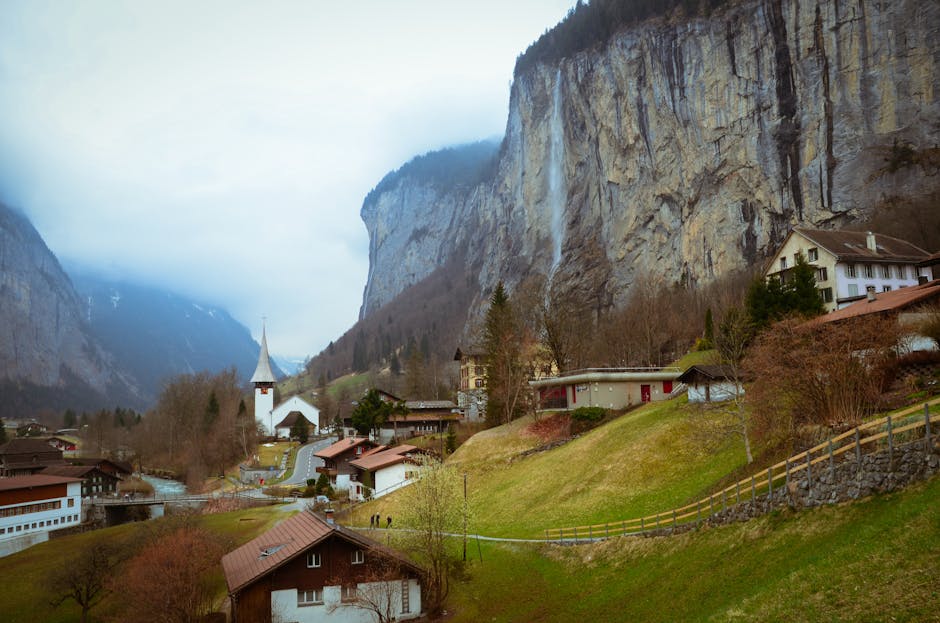
Set between Lake Thun and Lake Brienz, Interlaken is the adventure capital of Switzerland. It’s the perfect base for exploring the Jungfrau region, including Jungfraujoch (the “Top of Europe”), Lauterbrunnen, and Grindelwald. The area offers paragliding, canyoning, and hiking trails for all levels.
The Jungfrau Railway takes you to Europe’s highest train station at 3,454 meters, with views of the Aletsch Glacier—the largest in the Alps. In summer, the region transforms into a hiker’s haven, while winter brings world-class skiing and snowboarding.
3. Lucerne – Lakeside Charm and Mountain Views
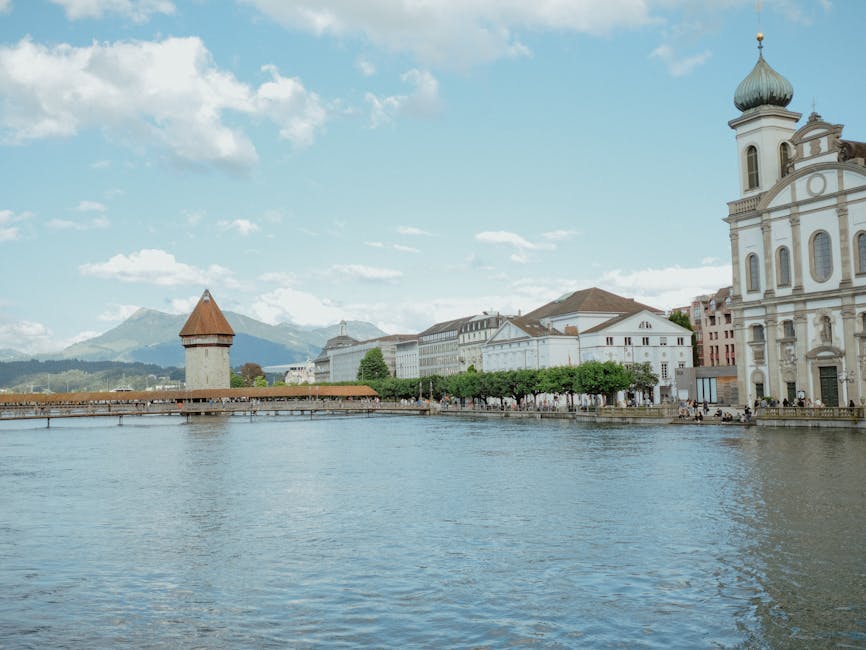
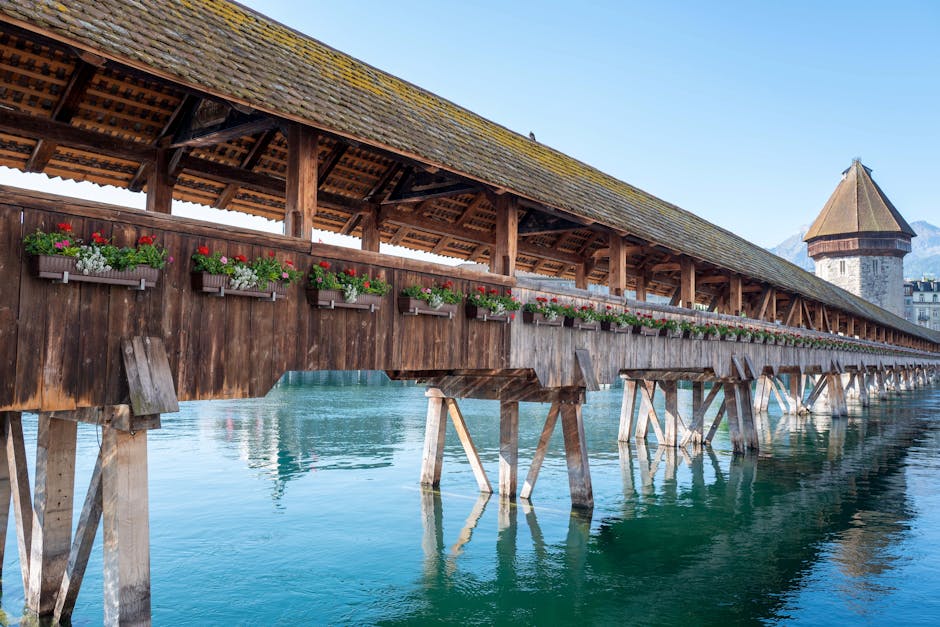
Lucerne combines historic architecture with easy access to central Swiss mountains. The Chapel Bridge (Kapellbrücke), a wooden footbridge dating to the 14th century, is one of the country’s most photographed landmarks. The old town features cobblestone streets, colorful buildings, and riverside cafes.
Mount Pilatus and Mount Rigi, both accessible by cogwheel trains, offer panoramic views of Lake Lucerne and the surrounding Alps. The city is also a major transportation hub, making it a convenient starting point for exploring central Switzerland.
4. Geneva – International Flair on Lake Geneva
Geneva is Switzerland’s diplomatic capital, home to the United Nations and Red Cross headquarters. It blends cosmopolitan energy with lakeside tranquility. The Jet d’Eau fountain, shooting water 140 meters into the air, is a city icon.
Visit the Old Town for its cathedral, museums, and charming squares. Take a boat cruise on Lake Geneva or explore the nearby vineyards of Lavaux, a UNESCO World Heritage site. Geneva is also a gateway to the French Alps and the Jura Mountains.
5. Zurich – Culture, Finance, and Lakeside Living
Switzerland’s largest city is a blend of modern finance, historic charm, and cultural vitality. The Bahnhofstrasse is one of the world’s most exclusive shopping streets, while the Old Town (Altstadt) features medieval buildings and the Grossmünster church.
Zurich Lake offers swimming, paddleboarding, and scenic promenades. In summer, locals flock to the lake’s public baths. The city also boasts world-class museums, such as the Kunsthaus Zurich and the Swiss National Museum.
6. Bern – UNESCO-Listed Old Town
Bern, the capital, is a UNESCO World Heritage site with a remarkably preserved medieval center. The Zytglogge clock tower, with its moving puppets, is a highlight. The Aare River winds through the city, offering swimming spots in summer.
Bern is less touristy than Zurich or Geneva, making it ideal for travelers seeking authenticity. The city is compact and walkable, with excellent public transport connections to the Bernese Oberland.
7. St. Moritz – Luxury and Winter Sports
Located in the Engadin Valley, St. Moritz is synonymous with luxury and winter sports. It hosted the Winter Olympics twice and is a favorite among elite travelers. The resort offers world-class skiing, snowboarding, and après-ski scenes.
In summer, the region transforms into a playground for hiking, mountain biking, and sailing on Lake St. Moritz. The Bernina Express, a scenic train route to Italy, departs from here.
8. Lausanne – Vineyards and Olympic Heritage
Situated on the northern shore of Lake Geneva, Lausanne is home to the International Olympic Committee. The Olympic Museum is a must-visit for sports fans. The city’s old town, perched on a hill, offers panoramic lake views and narrow cobbled streets.
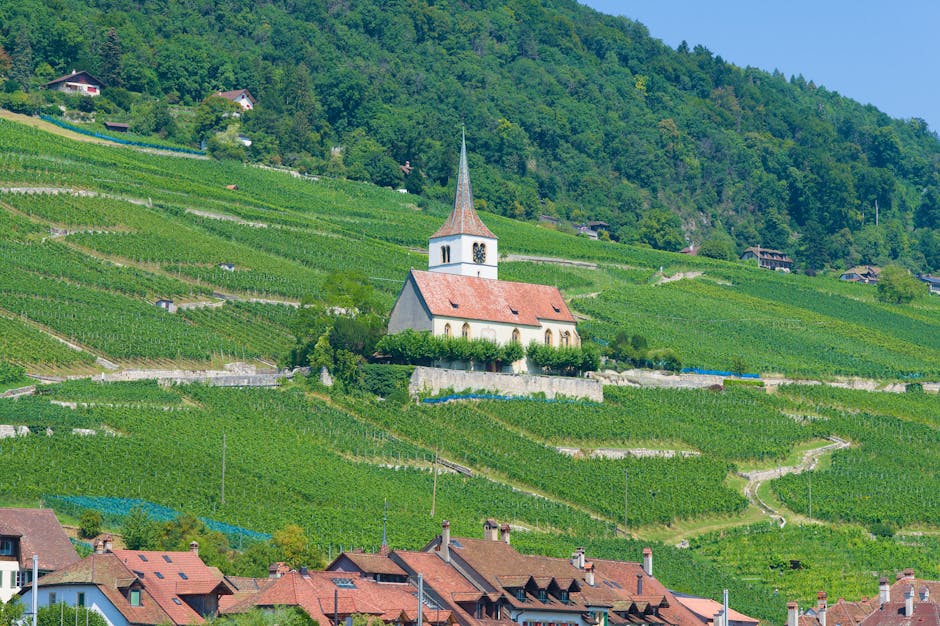
The surrounding Lavaux vineyards, with their terraced slopes, are perfect for wine tasting and hiking. Take a funicular from the city center to the lakeside for a scenic descent.
Getting Around Switzerland
Switzerland’s public transportation system is among the best in the world. Trains, buses, boats, and cable cars are punctual, clean, and well-connected. The Swiss Travel System offers several passes that can save money and simplify travel.
Swiss Travel Pass
The Swiss Travel Pass is ideal for tourists. It offers unlimited travel on trains, buses, and boats, plus free entry to over 500 museums. It also includes discounts on mountain railways, such as the Jungfrau Railway and the Gornergrat line.
Passes are available for 3, 4, 8, or 15 consecutive days. The Swiss Travel Pass Flex allows travel on non-consecutive days. Children under 16 travel free with a parent or grandparent holding a pass.
Regional Passes
If you’re focusing on one region, consider a regional pass. The Bernese Oberland Pass covers trains, buses, and boats in the Jungfrau region. The Graubünden Pass is ideal for exploring the Swiss Alps and the Engadin Valley.
Driving in Switzerland
Renting a car offers flexibility, especially in remote areas. However, driving in the mountains requires caution due to narrow roads, sharp curves, and seasonal closures. A vignette (toll sticker) is required to use highways—purchase one at gas stations or post offices.
Parking in cities can be expensive and limited. In many villages, especially in the Alps, cars are restricted. Always check local regulations before driving.
Best Time to Visit Switzerland
Switzerland is a year-round destination, but the best time depends on your interests.
Summer (June to August)
Summer is ideal for hiking, lake activities, and exploring cities. Temperatures range from 20°C to 25°C (68°F to 77°F), though it can get warmer in the cities. This is peak tourist season, so book accommodations and popular excursions in advance.
Popular hikes include the Eiger Trail, the Five Lakes Walk near Zermatt, and the Via Ferrata in the Bernese Alps. Many mountain passes and cable cars operate at full capacity.
Winter (December to March)
Winter is perfect for skiing, snowboarding, and Christmas markets. Resorts like Zermatt, St. Moritz, and Verbier offer excellent snow conditions. Temperatures vary by altitude, but valleys typically range from -2°C to 5°C (28°F to 41°F).
Christmas markets in Zurich, Basel, and Lucerne are festive and charming. Book ski passes and accommodations early, especially during school holidays.
Shoulder Seasons (April–May, September–October)
These months offer fewer crowds, lower prices, and mild weather. Spring brings blooming flowers and melting waterfalls, while autumn features golden foliage and harvest festivals.
Some high-altitude trails and mountain railways may be closed in spring due to snow. In autumn, most facilities remain open, but check schedules in advance.
Swiss Cuisine: What to Eat and Drink
Swiss food is hearty, comforting, and deeply regional. Don’t leave without trying these classics:
- Fondue: Melted cheese served in a communal pot, traditionally made with Gruyère and Emmental. Dip bread cubes using long forks. Best enjoyed in winter.
- Raclette: Half a wheel of raclette cheese is melted and scraped onto potatoes, pickles, and onions. Popular in the Alps.
- Rösti: A crispy potato pancake, often served as a side or breakfast dish. Originated in German-speaking Switzerland.
- Zürcher Geschnetzeltes: Thinly sliced veal in a creamy mushroom sauce, served with rösti. A Zurich specialty.
- Chocolate: Switzerland is famous for its high-quality chocolate. Brands like Lindt, Toblerone, and Sprüngli are must-tries.
- Wine: Swiss wine is underrated. Try Fendant (white) from Valais or Pinot Noir from Ticino.
Tap water is safe to drink and often served for free in restaurants. Avoid ordering bottled water unless you prefer it—it’s an unnecessary expense and environmental burden.
Money and Costs
Switzerland uses the Swiss Franc (CHF). While credit cards are widely accepted, it’s wise to carry cash for small purchases, especially in rural areas or at markets.
Switzerland is expensive. Budget travelers should expect to spend at least CHF 100–150 per day, while mid-range travelers may spend CHF 200–300. Luxury travel can easily exceed CHF 500 per day.
Tips are not mandatory but appreciated for good service. Rounding up the bill or leaving 5–10% in restaurants is common.
Safety and Etiquette
Switzerland is one of the safest countries in the world. Crime rates are low, and natural hazards are well-managed. However, take standard precautions: keep valuables secure, especially in crowded tourist areas.
Swiss people value punctuality, quiet, and order. Avoid loud conversations in public transport, and always queue politely. Recycling is taken seriously—follow local sorting rules.
Dress codes vary. In cities, casual wear is fine, but smart attire is expected in upscale restaurants and cultural venues. In the mountains, wear layers and sturdy footwear.
Packing Essentials
Pack according to the season and activities. Essentials include:
- Comfortable walking shoes or hiking boots
- Weather-appropriate clothing (layers are key)
- Rain jacket or waterproof shell
- Sunglasses and sunscreen (UV rays are strong at altitude)
- Reusable water bottle and travel mug
- Power adapter (Switzerland uses Type J plugs, 230V)
- Swiss Travel Pass or transport tickets
If you plan to hike, bring a map, first-aid kit, and plenty of water. Many trails are well-marked, but weather can change rapidly in the mountains.
Final Travel Tips
- Book early: Popular hotels, trains, and mountain excursions fill up quickly, especially in summer and winter.
- Use the SBB Mobile app: The official Swiss Federal Railways app provides real-time schedules, ticket purchases, and route planning.
- Respect nature: Stay on marked trails, pack out trash, and avoid disturbing wildlife.
- Learn a few phrases: While English is widely spoken, greeting locals in their language (e.g., “Grüezi” in German, “Bonjour” in French) is appreciated.
- Check visa requirements: Switzerland is part of Schengen. Ensure your passport is valid and check if you need a visa.
Conclusion
This Switzerland Travel Guide highlights the country’s top destinations, practical travel tips, and cultural insights to help you make the most of your trip. From the snowy peaks of Zermatt to the lakeside charm of Lucerne, Switzerland offers a blend of adventure, beauty, and efficiency that few countries can match. With careful planning and an open mind, your Swiss adventure will be unforgettable.
FAQ
What is the best way to travel around Switzerland?
The Swiss Travel Pass is the most convenient option for tourists, offering unlimited travel on trains, buses, and boats, plus free museum entry and mountain railway discounts.
Is Switzerland expensive for tourists?
Yes, Switzerland is one of the most expensive countries in Europe. Budget at least CHF 100–150 per day for basic expenses, more for mid-range travel.
Do I need a car to explore Switzerland?
No. Switzerland’s public transport system is excellent and covers even remote areas. A car is only necessary if you plan to explore off-the-beaten-path villages or travel frequently between regions.