Spain Travel Guide: Best Cities, Food and Travel Tips
Spain is a vibrant destination that blends historic charm, world-class cuisine, and diverse landscapes. Whether you’re drawn to sun-drenched beaches, Moorish palaces, or bustling urban centers, this Spain travel guide covers the best cities to visit, must-try foods, and practical tips to help you plan a smooth and memorable trip. From Barcelona’s architectural wonders to Seville’s flamenco rhythms and Madrid’s art-filled boulevards, Spain offers something for every traveler. This guide delivers clear, actionable advice to help you navigate the country with confidence.
Top 5 Cities to Visit in Spain
Spain’s cities each offer a distinct personality. Choosing where to go depends on your interests—art, history, nightlife, or coastal relaxation. Below are five standout destinations that showcase the country’s rich cultural tapestry.
1. Barcelona: Gaudí, Beaches, and Mediterranean Flair
Barcelona is Spain’s cosmopolitan hub, known for its modernist architecture, especially the works of Antoni Gaudí. The Sagrada Família, Park Güell, and Casa Batlló are unmissable. Stroll down Las Ramblas, explore the Gothic Quarter’s narrow alleys, and enjoy tapas in El Born. The city’s 4.5-kilometer coastline offers sandy beaches just minutes from the city center—a rare combination in major European capitals.
Best time to visit: Late spring (May–June) and early fall (September–October) for mild weather and fewer crowds. Summer can be hot and packed with tourists.
Travel tip: Book skip-the-line tickets for major attractions online in advance. Public transport is efficient—consider a T-Casual card for 10 metro and bus rides.
2. Madrid: Art, Parks, and Tapas Culture
As Spain’s capital, Madrid is a cultural powerhouse. The Golden Triangle of Art—Prado Museum, Reina Sofía, and Thyssen-Bornemisza—houses masterpieces by Velázquez, Picasso, and Dalí. Retiro Park is perfect for a midday stroll or rowboat ride. The city comes alive at night, with neighborhoods like Malasaña and La Latina offering endless bars serving patatas bravas, jamón ibérico, and vermouth.
Best time to visit: April–June and September–October. Winters are mild, but summer heat can exceed 35°C (95°F).
Travel tip: Many museums offer free entry during specific hours (e.g., Prado is free Monday–Saturday 6–8 PM). Use the Madrid Metro—it’s clean, safe, and covers the entire city.
3. Seville: Flamenco, Orange Trees, and Moorish Heritage
Seville, in Andalusia, embodies southern Spain’s soul. The Alcázar palace complex, a UNESCO site, blends Islamic and Christian architecture. The Seville Cathedral and Giralda tower offer panoramic city views. Evening is for flamenco—catch an authentic show in Triana or Santa Cruz. The city’s narrow streets are lined with orange trees and hidden plazas perfect for sipping sherry.
Best time to visit: March–May and October–November. Avoid July and August, when temperatures often surpass 40°C (104°F).
Travel tip: Rent a bike to explore the Guadalquivir River path. Book flamenco shows in advance—popular venues sell out quickly.
4. Valencia: Innovation, Paella, and the City of Arts and Sciences
Valencia is where tradition meets futurism. It’s the birthplace of paella, so don’t leave without trying the original Valencian version with rabbit and beans. The City of Arts and Sciences is a striking complex of museums, an aquarium, and an opera house designed by Santiago Calatrava. The Turia Gardens, built on a former riverbed, are ideal for walking or cycling.
Best time to visit: April–June and September–October. The Las Fallas festival in March is spectacular but crowded.
Travel tip: Try horchata with fartons (sweet pastries) at a traditional horchatería in the Ruzafa neighborhood.
5. San Sebastián: Pintxos, Beaches, and Basque Charm
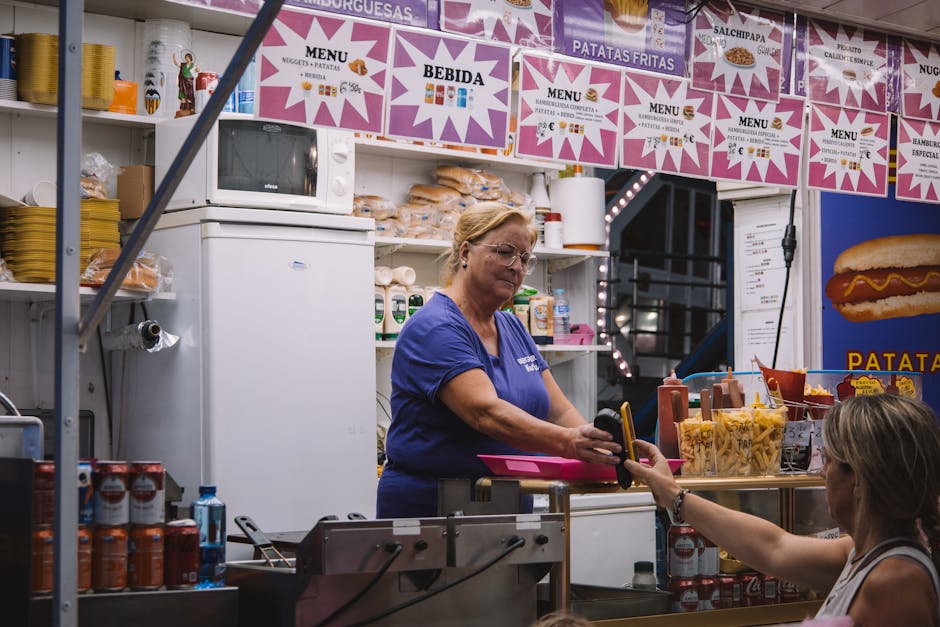
In Spain’s northern Basque Country, San Sebastián is a food lover’s paradise. The city’s pintxos (Basque tapas) are artfully crafted and best enjoyed in the Old Town’s bars. La Concha Beach is one of Europe’s most beautiful urban beaches. For stunning views, hike up Monte Urgull or take the funicular to Monte Igueldo.
Best time to visit: June–September for beach weather. Spring and fall are quieter and still pleasant.
Travel tip: Go bar-hopping in the evening—order a few pintxos at each stop with a glass of txakoli (local sparkling wine).
Must-Try Spanish Foods and Drinks
Spanish cuisine is regional, seasonal, and deeply rooted in tradition. While paella and tapas are well-known, the country’s culinary landscape is far more diverse. Here’s what to eat and drink—and where to find the best versions.
Tapas and Pintxos
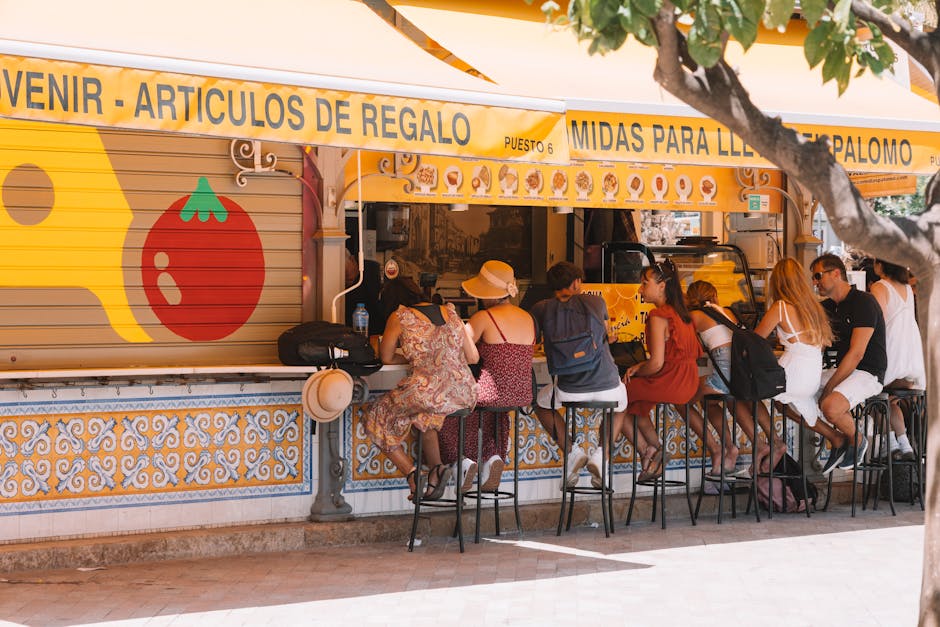
Tapas are small plates meant for sharing, common across Spain. In the south, they’re often free with a drink. Pintxos are the Basque version—skewered or stacked on bread, usually paid by the piece. Try jamón ibérico (cured ham), tortilla española (potato omelet), croquetas (creamy fritters), and gambas al ajillo (garlic shrimp).
Where to try: El Nacional (Madrid), Bar Txoko (San Sebastián), and Bodega de Santa Cruz (Seville).
Paella and Rice Dishes
Paella originates from Valencia and traditionally includes rabbit, chicken, beans, and saffron. Seafood paella is popular in coastal areas but not the original. Avoid “mixed paella” with chorizo—it’s not authentic. Other rice dishes include arroz negro (black rice with squid ink) and fideuà (noodle-based, similar to paella).
Where to try: Restaurante Levante (Valencia), Can Solé (Barcelona).
Jamón Ibérico
This premium cured ham comes from black Iberian pigs. The best is de bellota—acorn-fed, with a rich, nutty flavor. It’s often served thinly sliced at room temperature. Look for the black label for the highest grade.
Where to try: Museo del Jamón (Madrid), any traditional taberna in Jabugo (Andalusia).
Spanish Wines and Sherry
Spain is one of the world’s largest wine producers. Rioja and Ribera del Duero are famous for bold reds. Cava, the sparkling wine, is made in Catalonia using the same method as Champagne. In Andalusia, try fino or manzanilla sherry—dry, light, and perfect with tapas.
Where to try: Bodegas Muga (Haro, La Rioja), Bodegas Tradición (Jerez), or a cava tasting in Penedès.
Churros and Horchata
Churros con chocolate—fried dough dipped in thick hot chocolate—is a beloved breakfast or late-night snack. Horchata, made from tiger nuts, is a refreshing, sweet drink best enjoyed in Valencia.
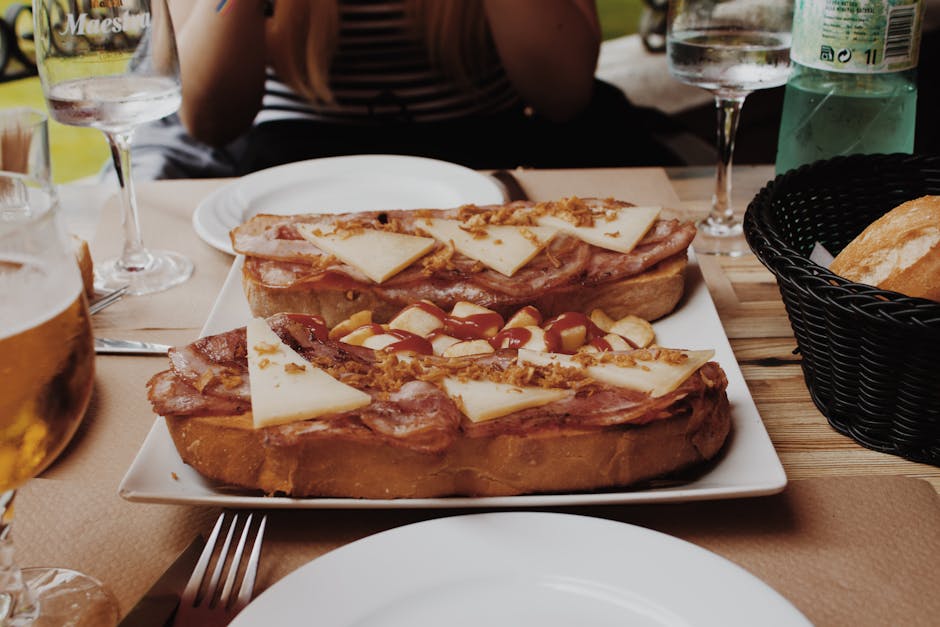
Where to try: Chocolatería San Ginés (Madrid), Horchatería Santa Catalina (Valencia).
Essential Travel Tips for Spain
To make the most of your trip, keep these practical tips in mind. Spain has unique customs, timing, and logistics that can trip up unprepared travelers.
Language and Communication
Spanish (Castilian) is the official language, but regional languages like Catalan, Basque, and Galician are widely spoken. In Barcelona, you’ll see signs in Catalan; in San Sebastián, Basque is common. Learn basic phrases: “Hola” (hello), “Gracias” (thank you), “¿Dónde está el baño?” (Where is the bathroom?). Most people in tourist areas speak English, but effort is appreciated.
Timing and Siesta Culture
Spain runs on a later schedule. Lunch is typically 2–4 PM, dinner starts at 9 PM or later. Many small shops close from 2–5 PM for siesta, especially in smaller towns. Plan accordingly—don’t expect to shop or dine early.
Warning: In major cities like Madrid and Barcelona, siesta is less common in tourist zones, but still observed in local businesses.
Transportation: Trains, Buses, and Flights
Spain has an excellent rail network. Renfe operates high-speed AVE trains connecting Madrid, Barcelona, Seville, and Valencia in under 3 hours. Book tickets in advance for the best prices. For regional travel, buses (ALSA) are affordable and reliable. Domestic flights are useful for longer distances (e.g., Madrid to Tenerife).
Tip: Use the Renfe app to book and manage tickets. Validate regional train tickets before boarding to avoid fines.
Money and Tipping
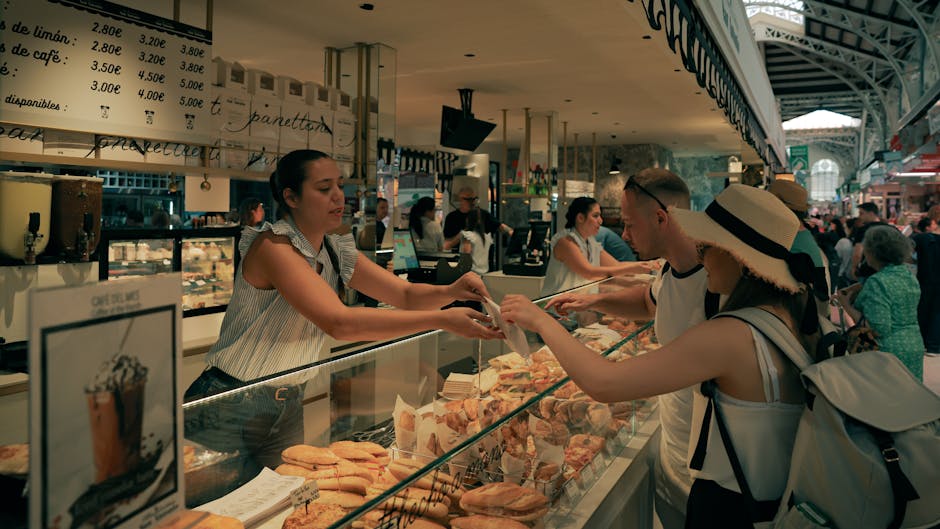
Spain uses the euro (€). Credit cards are widely accepted, but carry cash for small purchases, markets, and rural areas. ATMs are plentiful and generally safe.
Tipping is not mandatory. Rounding up the bill or leaving 5–10% in restaurants is appreciated but not expected. Say “keep the change” (“quédese con el cambio”) when paying.
Safety and Scams
Spain is safe for travelers, but petty crime exists in tourist areas. Watch for pickpockets in crowded metro stations, on Las Ramblas, and at major attractions. Avoid unlicensed taxis and be cautious of distraction scams (e.g., someone spilling something on you while an accomplice steals your bag).
Emergency number: 112 (free from any phone).
Packing Essentials
Pack light, breathable clothing for summer and layers for spring and fall. Comfortable walking shoes are a must—cobblestone streets are common. Bring a reusable water bottle (tap water is safe to drink), sunscreen, and a power adapter (Spain uses Type F plugs, 230V).
Note: Many churches require modest dress (covered shoulders and knees).
Best Time to Visit Spain
Spain’s climate varies by region. The south is hotter and drier; the north is greener and rainier. Generally, the best time to visit is late spring (April–June) and early fall (September–October). Weather is pleasant, crowds are manageable, and prices are lower than in peak summer.
Summer (July–August) is ideal for beach destinations like Costa del Sol or the Balearic Islands but can be extremely hot inland. Winter is mild in the south and great for city breaks, though northern regions may be rainy.
Spain Travel Itinerary Suggestions
Not sure how to structure your trip? Here are two sample itineraries based on trip length.
7-Day Classic Route: Madrid, Seville, Barcelona
- Day 1–2: Madrid – Explore museums, Retiro Park, and tapas in La Latina.
- Day 3–4: Seville – Visit the Alcázar, cathedral, and enjoy flamenco.
- Day 5–7: Barcelona – See Gaudí’s works, relax at the beach, and wander the Gothic Quarter.
Travel between cities via AVE train (Madrid–Seville: 2.5 hours; Seville–Barcelona: 5.5 hours with transfer).
10-Day Cultural and Coastal Journey
- Day 1–3: Barcelona – Architecture, beaches, and food tours.
- Day 4–5: Valencia – Paella, City of Arts and Sciences, and horchata.
- Day 6–7: Madrid – Art museums and nightlife.
- Day 8–10: San Sebastián – Pintxos, beaches, and Basque culture.
Use trains and domestic flights to connect efficiently.
Final Thoughts on Your Spain Travel Guide
Spain rewards curious travelers with its mix of history, flavor, and warmth. From the sunlit plazas of Andalusia to the avant-garde streets of Catalonia, every region tells a different story. Use this Spain travel guide to navigate the essentials—best cities, iconic foods, and smart travel tips—so you can focus on what matters: savoring each moment. Plan ahead, respect local rhythms, and embrace the unexpected. Whether you’re sipping sherry in Jerez or marveling at the Sagrada Família, Spain leaves a lasting impression.
FAQ
What is the best way to get around Spain?
The high-speed AVE train is the fastest and most convenient option for traveling between major cities. Buses are cheaper for regional routes, and domestic flights work well for longer distances. In cities, metro systems and walking are ideal.
Do I need to speak Spanish to travel in Spain?
No, but learning basic phrases helps. English is spoken in tourist areas, but fewer people speak it in rural regions. A translation app or phrasebook is useful.
Is Spain expensive for tourists?
Spain is moderately priced compared to other Western European countries. Meals, transport, and attractions are affordable, especially outside peak season. Budget around €60–80 per day for mid-range travel.