Singapore Travel Guide: Best Attractions and Travel Tips
Singapore is a vibrant city-state that blends modern innovation with rich cultural heritage. Whether you’re exploring lush gardens, tasting world-class street food, or marveling at futuristic architecture, this Singapore travel guide covers the best attractions and practical travel tips to help you make the most of your visit. From must-see landmarks to hidden local gems, we’ll walk you through everything you need to know—including transportation, budgeting, and cultural etiquette—so your trip is smooth, enjoyable, and memorable.
Why Visit Singapore?
Singapore consistently ranks among the top global destinations for tourism, business, and quality of life. Its strategic location in Southeast Asia makes it an ideal hub for regional travel, while its clean streets, efficient public transport, and multilingual population ensure a welcoming experience for international visitors. The city offers a unique fusion of Malay, Chinese, Indian, and Western influences, reflected in its food, festivals, and architecture.
Unlike many Asian cities, Singapore is compact and highly walkable in key districts like Marina Bay, Orchard Road, and Chinatown. It’s also one of the safest countries in the world, with strict laws that maintain order and cleanliness. Whether you’re planning a short city break or a longer stay, Singapore delivers a high standard of comfort and convenience.
Top Attractions in Singapore
With so much to see and do, narrowing down your itinerary can be challenging. Below are the standout attractions that define the Singapore experience, from iconic landmarks to cultural enclaves and natural escapes.
Marina Bay Sands and the SkyPark
No Singapore travel guide is complete without mentioning Marina Bay Sands. This integrated resort dominates the skyline with its three towering hotel blocks connected by a massive rooftop SkyPark. The infinity pool—accessible only to hotel guests—is world-famous, but the observation deck offers stunning 360-degree views of the city for a fraction of the cost.
Even if you’re not staying at the hotel, the SkyPark Observation Deck is worth a visit, especially at sunset. The surrounding area includes the ArtScience Museum, luxury shopping at The Shoppes, and easy access to the Helix Bridge and Merlion Park. Arrive early in the morning or late in the evening to avoid crowds.
Gardens by the Bay
Just a short walk from Marina Bay Sands, Gardens by the Bay is a futuristic horticultural wonder. The Supertree Grove features towering vertical gardens that light up in a dazzling nightly show called Garden Rhapsody. The two climate-controlled conservatories—Flower Dome and Cloud Forest—house rare plants from around the world, including a 35-meter-tall indoor waterfall.
Visit during the day to explore the gardens at your own pace, or stay for the light and sound show after dark. Entry to the outdoor gardens is free, but tickets are required for the conservatories and OCBC Skyway. Consider purchasing a combo ticket for better value.
Sentosa Island
Sentosa is Singapore’s resort island, offering beaches, theme parks, and family-friendly attractions. Universal Studios Singapore is the most popular draw, with rides based on blockbuster films like Transformers and Jurassic Park. For a more relaxed experience, head to Palawan Beach, home to the southernmost point of continental Asia.
Other highlights include the S.E.A. Aquarium, one of the largest aquariums in the world, and Adventure Cove Waterpark. Access to Sentosa is easy via the Sentosa Express monorail from HarbourFront Station, cable car from Mount Faber, or by foot via the Sentosa Boardwalk from VivoCity.
Chinatown, Little India, and Kampong Glam
Singapore’s ethnic neighborhoods offer a deep dive into its multicultural roots. Chinatown is known for its traditional shophouses, Buddhist temples like the Buddha Tooth Relic Temple, and bustling markets such as Chinatown Complex Food Centre. Little India bursts with color and spice, featuring the ornate Sri Veeramakaliamman Temple and Mustafa Centre, a 24-hour shopping hub.
Kampong Glam, once the seat of Malay royalty, is now a trendy district centered around the golden-domed Sultan Mosque. Haji Lane is lined with indie boutiques, cafes, and street art. Each neighborhood hosts major festivals—Chinatown during Chinese New Year, Little India during Deepavali, and Kampong Glam during Hari Raya—so timing your visit with these events can enhance your cultural experience.
Singapore Zoo and Night Safari
Located in the lush Mandai area, the Singapore Zoo is renowned for its open-concept enclosures and commitment to animal welfare. It’s home to over 2,800 animals from 300 species, including orangutans, white tigers, and pygmy hippos. The adjacent Night Safari offers a unique opportunity to see nocturnal animals in a naturalistic setting, with guided tram rides and walking trails.
Both attractions are best visited on separate days if you have the time. The zoo is ideal for a morning visit, while the Night Safari opens at 7:15 PM. Book tickets online in advance to skip the lines and consider adding the River Safari or Jurong Bird Park for a full wildlife day.
Clarke Quay and Boat Quay
For nightlife and dining, Clarke Quay and Boat Quay are two of Singapore’s most lively riverfront districts. Clarke Quay is known for its colorful restored warehouses, now housing bars, clubs, and restaurants with outdoor seating along the Singapore River. Boat Quay has a more relaxed vibe, with a mix of pubs, seafood restaurants, and casual eateries.
Both areas are great for a sunset drink or dinner cruise. Be aware that drinks can be expensive—expect to pay SGD 15–25 for a cocktail. If you’re on a budget, consider happy hour specials, which typically run from 5 PM to 8 PM.
Getting Around Singapore
Singapore’s public transportation system is one of the most efficient in the world. The Mass Rapid Transit (MRT) network covers nearly every major district, with clean, air-conditioned trains running frequently from early morning until midnight. Buses complement the MRT, reaching areas not served by rail.
The best way to pay for rides is with an EZ-Link or NETS FlashPay card, available at any MRT station. These reloadable cards work on trains, buses, and even some taxis and convenience stores. A tourist pass offers unlimited travel for 1, 2, or 3 days and can be cost-effective for heavy users.
Taxis and ride-hailing apps like Grab are widely available but can be expensive during peak hours. Walking is practical in central areas, especially in the Civic District and Marina Bay. Always carry an umbrella—rain showers are common, even during dry months.
Food and Dining Tips
Singapore is a food lover’s paradise, and one of the best ways to experience it is through hawker centers. These open-air food courts offer affordable, delicious meals prepared by skilled vendors. Some of the most famous include Lau Pa Sat, Maxwell Food Centre, and Old Airport Road Food Centre.
Must-try dishes include Hainanese chicken rice, char kway teow, laksa, and chili crab. Many hawker stalls have been awarded Michelin stars, proving that great food doesn’t have to be expensive. Look for long queues—they’re usually a sign of quality.
For a more refined experience, Singapore has a growing number of fine dining restaurants, including Odette, which holds three Michelin stars. Reservations are essential, and dress codes may apply. Vegetarian and halal options are widely available, especially in Indian and Malay eateries.
Travel Tips for a Smooth Trip
To make the most of your visit, keep these practical tips in mind:
- Best time to visit: February to April offers the driest weather, while November to January is rainy but still warm. Avoid the haze season (typically June to September) if you have respiratory sensitivities.
- Currency: The Singapore dollar (SGD) is the local currency. Credit cards are widely accepted, but carry cash for hawker centers and small vendors.
- Language: English is the official language and spoken by nearly everyone. Mandarin, Malay, and Tamil are also widely used.
- Tipping: Not expected in Singapore. A 10% service charge is usually included in restaurant bills.
- Etiquette: Avoid littering, smoking in non-designated areas, or chewing gum in public. These are strictly enforced with fines.
- Connectivity: Free Wi-Fi is available in most public areas, malls, and transport hubs. Consider getting a local SIM card at the airport for faster data.
Budgeting Your Trip
Singapore can be expensive, but it’s possible to travel on a budget with smart planning. Accommodation ranges from budget hostels (SGD 30–50 per night) to luxury hotels (SGD 300+). Mid-range hotels and serviced apartments offer good value, especially if booked in advance.
Food is one of the biggest money-savers. A meal at a hawker center costs SGD 5–10, while a restaurant meal can run SGD 30–60 per person. Transportation is affordable with an EZ-Link card—most MRT rides cost under SGD 2.
Many attractions offer free entry or discounted tickets for students, seniors, and children. Check official websites for promotions, such as the Singapore Tourism Board’s “Passion Rewards” program, which offers discounts at participating venues.
Safety and Health
Singapore is one of the safest countries in the world, with low crime rates and strict law enforcement. However, petty theft can occur in crowded areas, so keep your belongings secure. Tap your EZ-Link card carefully to avoid accidental double charges.
Tap water is safe to drink, and medical facilities are world-class. Travel insurance is recommended, especially for adventure activities or extended stays. Mosquito-borne diseases like dengue are present, so use repellent and wear long sleeves in parks and nature reserves.
Day Trips and Nearby Destinations
If you have extra time, consider a day trip to nearby islands or countries. Pulau Ubin offers a glimpse of rural Singapore with cycling trails and mangrove walks. Bintan and Batam in Indonesia are accessible by ferry from Tanah Merah Ferry Terminal and offer beach resorts at lower prices.
For international travelers, Singapore is a gateway to Southeast Asia. Flights to Bangkok, Kuala Lumpur, and Jakarta take under three hours. Many airlines offer stopover programs with free city tours or hotel stays.
Final Thoughts
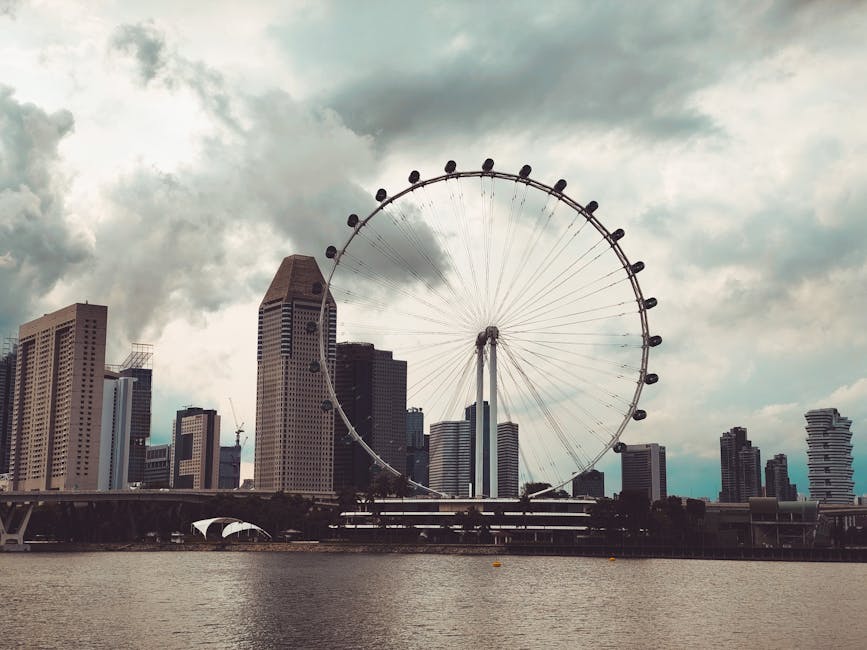
This Singapore travel guide highlights the city’s top attractions and essential travel tips to help you plan a seamless and enriching trip. From the futuristic skyline of Marina Bay to the cultural richness of its ethnic enclaves, Singapore offers something for every traveler. With efficient transport, diverse cuisine, and a safe environment, it’s no surprise that millions visit each year. Whether you’re here for a weekend or a week, you’ll leave with unforgettable memories and a taste for more.
FAQ
What is the best time of year to visit Singapore?
The best time to visit Singapore is between February and April, when rainfall is lowest and temperatures are comfortable. Avoid the haze season from June to September if possible.
Do I need a visa to enter Singapore?
Citizens of over 90 countries, including the US, UK, EU, and Australia, can enter Singapore visa-free for up to 30 days. Check the ICA website for the latest entry requirements based on your nationality.
Is Singapore expensive for tourists?
Singapore can be pricey, but budget-friendly options exist. Eating at hawker centers, using public transport, and staying in mid-range accommodations can significantly reduce costs.