Nature Travel Guide with National Parks and Reserves
Planning a trip into the wild doesn’t have to be overwhelming. This nature travel guide with national parks and reserves offers clear, actionable advice for anyone looking to explore protected natural areas safely and responsibly. Whether you’re drawn to rugged mountain trails, serene wetlands, or vast deserts, understanding how to choose, prepare for, and experience these destinations makes all the difference. From iconic U.S. parks like Yellowstone and Yosemite to lesser-known reserves in Costa Rica or Namibia, this guide covers essential planning steps, seasonal considerations, wildlife safety, and sustainable travel practices to help you get the most out of your adventure.
Why Visit National Parks and Reserves?
National parks and reserves protect some of the planet’s most remarkable landscapes and ecosystems. These areas offer more than scenic beauty—they provide critical habitats for wildlife, preserve biodiversity, and allow people to reconnect with nature in meaningful ways. Unlike commercial resorts or urban attractions, these spaces emphasize conservation, education, and low-impact recreation.
Visiting a national park or reserve can be a transformative experience. You might witness a herd of bison roaming freely across the plains, hear the distant call of a loon echoing over a misty lake, or stand beneath ancient trees that have stood for centuries. These moments foster a deeper appreciation for the natural world and often inspire long-term environmental stewardship.
Beyond personal enrichment, supporting these areas through visitation helps fund conservation efforts. Park entrance fees, guided tours, and local eco-lodges contribute directly to trail maintenance, ranger programs, and anti-poaching initiatives. In many countries, tourism is a primary driver of funding for protected areas.
Top Destinations for Nature Travel
Choosing where to go depends on your interests, travel style, and the kind of natural experience you’re seeking. Below are standout national parks and reserves across different continents, each offering unique landscapes and wildlife.
North America
- Yellowstone National Park (USA) – The world’s first national park, famous for geysers, hot springs, and abundant wildlife including grizzly bears, wolves, and elk. Best visited in late spring or early fall to avoid crowds and extreme weather.
- Banff National Park (Canada) – Nestled in the Canadian Rockies, Banff offers turquoise lakes, glacier-fed rivers, and extensive hiking trails. Lake Louise and Moraine Lake are must-see stops.
- Great Smoky Mountains National Park (USA) – Known for its biodiversity and mist-covered peaks, this park straddles Tennessee and North Carolina. It’s especially beautiful during spring wildflower blooms and autumn foliage.
Central and South America
- Manuel Antonio National Park (Costa Rica) – A compact park with white-sand beaches, rainforest trails, and frequent sightings of sloths, capuchin monkeys, and toucans. Ideal for travelers seeking both beach and jungle experiences.
- Torres del Paine National Park (Chile) – A Patagonian gem with dramatic granite towers, glacial lakes, and guanaco herds. The W Trek is a popular multi-day hiking route.
Africa
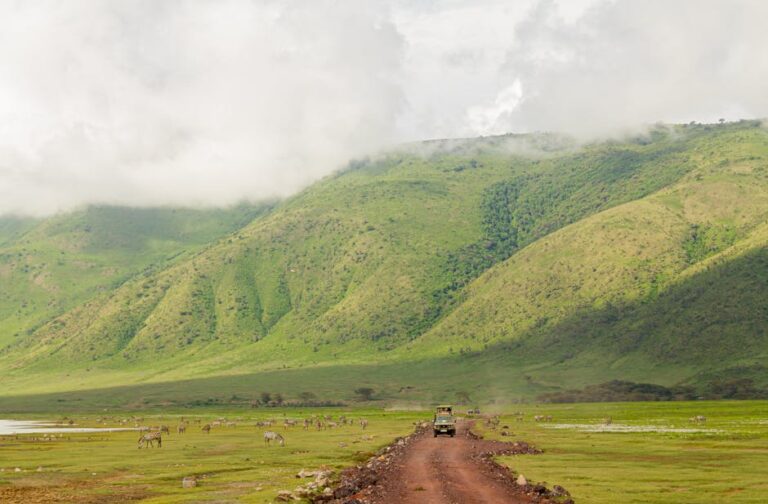
- Serengeti National Park (Tanzania) – Famous for the Great Migration, where millions of wildebeest and zebra cross the plains. Game drives offer close encounters with lions, elephants, and cheetahs.
- Namib-Naukluft National Park (Namibia) – Home to the world’s oldest desert and iconic red sand dunes at Sossusvlei. Sunrise hikes provide stunning photo opportunities.
Asia and Oceania
- Komodo National Park (Indonesia) – A UNESCO site where you can see Komodo dragons in the wild. Snorkeling and diving reveal vibrant coral reefs.
- Fiordland National Park (New Zealand) – Known for Milford Sound and Doubtful Sound, this park features steep cliffs, waterfalls, and rare bird species like the kea.
How to Plan Your Nature Travel Experience
Successful trips to national parks and reserves require thoughtful planning. Rushing in without preparation can lead to disappointment, safety issues, or unintended environmental harm. Follow these steps to ensure a smooth and rewarding journey.
1. Research the Destination
Start by identifying parks that match your interests. Are you looking for hiking, wildlife photography, birdwatching, or simply peaceful scenery? Use official park websites, travel forums, and guidebooks to gather information on trail difficulty, wildlife activity, and visitor facilities.
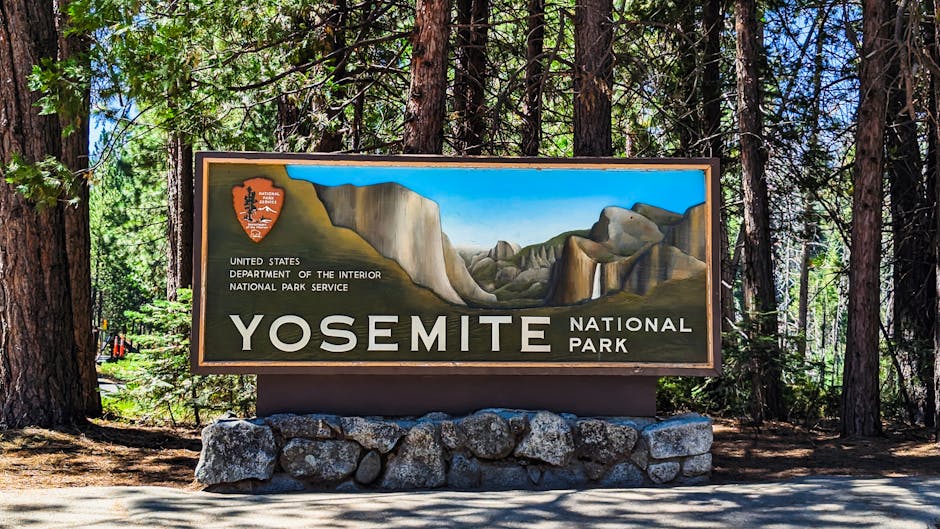
Pay attention to entry requirements. Some parks require permits for day use or camping, while others limit daily visitors to reduce impact. For example, Yosemite National Park uses a reservation system during peak season.
2. Choose the Right Time to Visit
Timing affects everything—from weather and wildlife sightings to crowd levels. In temperate regions, spring and fall often offer mild temperatures and fewer tourists. In tropical areas, the dry season typically provides safer travel conditions and better visibility.
Consider animal behavior. In East Africa, the Great Migration peaks between July and October in the Serengeti. In North America, bear activity increases in late summer as they prepare for hibernation.
3. Pack Appropriately
Your gear should match the environment. Essentials include sturdy footwear, layered clothing, a reliable backpack, water filtration system, first-aid kit, and navigation tools. In bear country, carry bear spray and know how to use it.
Minimize waste by bringing reusable water bottles, utensils, and food containers. Avoid single-use plastics, which can harm wildlife and pollute trails.
4. Book Accommodations and Transportation Early
Popular parks fill up quickly, especially during holidays and school breaks. Reserve campsites, lodges, or nearby hotels well in advance. In remote areas, transportation options may be limited—renting a 4×4 vehicle or joining a guided tour might be necessary.
For international destinations, check visa requirements and local health advisories. Some reserves, like those in Madagascar or Papua New Guinea, may require vaccinations or special permits.
Safety and Etiquette in Protected Areas
Respecting rules and natural boundaries ensures both your safety and the preservation of the environment. National parks and reserves are not amusement parks—they are living ecosystems where human presence must be carefully managed.
Wildlife Safety
Keep a safe distance from animals. Use binoculars or a telephoto lens for close-up views. Never feed wildlife, as it alters natural behaviors and can make animals dependent on humans. In bear country, store food in bear-proof containers and cook away from sleeping areas.
If you encounter a large predator, remain calm, avoid direct eye contact, and back away slowly. Running can trigger a chase response. Rangers often provide specific guidelines based on local species.
Trail and Campsite Etiquette
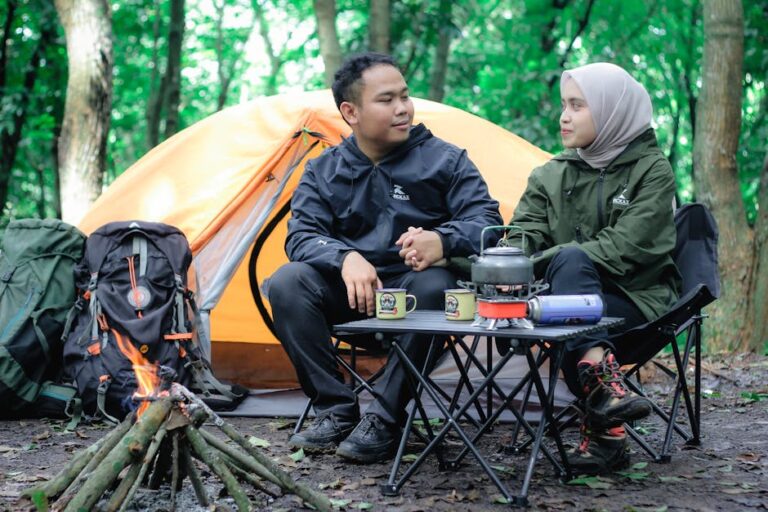
Stay on marked trails to prevent soil erosion and protect plant life. Practice Leave No Trace principles: pack out all trash, minimize campfire impact, and avoid disturbing natural features like rocks or logs.
Keep noise levels low. Loud music or shouting can disturb wildlife and other visitors. Early mornings and evenings are often the quietest and best times for wildlife observation.
Weather and Terrain Awareness
Conditions can change rapidly in natural environments. Check weather forecasts before heading out and be prepared for rain, snow, or extreme heat. Hypothermia and heat exhaustion are real risks, even on short hikes.
Know your physical limits. Overestimating your ability can lead to injury or rescue situations. Inform someone of your plans and expected return time.
Sustainable Travel Practices
Traveling sustainably means minimizing your environmental footprint while maximizing positive contributions to local communities. As interest in nature travel grows, so does the responsibility to protect these fragile ecosystems.
Choose eco-certified tour operators and accommodations that prioritize conservation and community engagement. Support local businesses by purchasing handmade crafts, eating at family-run restaurants, and hiring local guides.
Reduce carbon emissions by combining destinations, using public transportation when available, or offsetting flights. Consider visiting less crowded parks to help distribute tourism pressure more evenly.
Participate in citizen science programs when possible. Some parks encourage visitors to report wildlife sightings or invasive species through mobile apps, contributing valuable data to researchers.
Common Mistakes to Avoid
Even experienced travelers can make errors that diminish their experience or harm the environment. Being aware of common pitfalls helps you avoid them.
- Underestimating preparation time – Last-minute planning often leads to poor choices in gear, routes, or accommodations.
- Ignoring park regulations – Rules exist for a reason. Feeding animals, off-trail hiking, or unauthorized camping can result in fines or harm to ecosystems.
- Overpacking or underpacking – Carrying too much slows you down; too little can leave you unprepared for emergencies.
- Disregarding local culture – In international reserves, learn basic greetings and customs. Respect sacred sites and private property.
- Using drones without permission – Many parks ban drones due to noise and disturbance to wildlife. Always check regulations first.
Making the Most of Your Visit
To deepen your connection with nature, go beyond sightseeing. Take time to observe, reflect, and engage mindfully with your surroundings.
Start your day early. Dawn is often the best time for wildlife activity and photography. Bring a journal to record sightings, thoughts, or sketches. Photography can enhance awareness, but remember to put the camera down and simply experience the moment.
Join a ranger-led program or guided walk. These educational opportunities provide insights into geology, ecology, and conservation that you might miss on your own.
Volunteer if possible. Many parks offer short-term volunteer opportunities, such as trail maintenance or data collection. These experiences foster a sense of contribution and belonging.
Final Thoughts
A well-planned trip to a national park or reserve can be one of the most rewarding travel experiences you’ll ever have. This nature travel guide with national parks and reserves emphasizes preparation, respect, and sustainability—key ingredients for meaningful outdoor adventures. By choosing destinations wisely, traveling responsibly, and staying informed, you help ensure these natural treasures remain vibrant and accessible for future generations.
Whether you’re exploring a nearby state park or venturing to a remote reserve on another continent, the principles remain the same: go with curiosity, leave with gratitude, and always tread lightly.
FAQ
What should I pack for a day hike in a national park?
Essential items include water (at least 2 liters), snacks, a map or GPS device, sun protection, a first-aid kit, and weather-appropriate clothing. Add bear spray in regions with bears and a headlamp if you plan to be out after dark.
How far in advance should I book camping permits?
For popular parks like Yosemite or Banff, book 3–6 months ahead, especially for summer weekends. Some parks release permits on specific dates—check official websites for schedules.
Are national parks safe for solo travelers?
Yes, but take precautions. Inform someone of your plans, stick to marked trails, avoid risky areas at night, and carry communication devices. Many parks offer ranger stations and emergency call boxes for assistance.