London Travel Guide: Top Attractions and Travel Tips
London is one of the world’s most visited cities, blending centuries of history with modern energy. Whether you’re exploring royal palaces, world-class museums, or vibrant neighborhoods, this London travel guide helps you navigate the essentials. From must-see landmarks like the Tower of London and Buckingham Palace to practical tips on transport, weather, and budgeting, you’ll find everything needed for a smooth and memorable trip. This guide covers top attractions, neighborhood insights, seasonal advice, and insider tips to help you make the most of your visit.
Top Attractions in London
London’s iconic sights draw millions each year. Prioritize these standout destinations to experience the city’s rich heritage and cultural depth.
1. The Tower of London and Tower Bridge
Steeped in nearly 1,000 years of history, the Tower of London is a UNESCO World Heritage Site that has served as a royal palace, prison, and treasury. Don’t miss the Crown Jewels, housed in the Waterloo Barracks. Just across the Thames, Tower Bridge offers panoramic views from its high-level walkways. Visit at sunset for golden-hour photos without the midday crowds.
2. Buckingham Palace and the Changing of the Guard
The official residence of the British monarch, Buckingham Palace opens its State Rooms to the public from July to September. Even if you can’t go inside, the Changing of the Guard ceremony—held most mornings at 11:00 AM—is a colorful spectacle. Arrive early for a good viewing spot near the palace gates.
3. The British Museum
Admission is free, making the British Museum one of London’s best-value attractions. Its vast collection spans continents and eras, including the Rosetta Stone and the Elgin Marbles. Allow at least two hours; the museum is larger than it appears. Audio guides are available in multiple languages.
4. The Houses of Parliament and Big Ben
The Gothic Revival architecture of the Palace of Westminster is unmistakable. While public tours of the interior require advance booking, you can still admire the exterior and snap photos of Big Ben—the nickname for the Great Bell, though it now refers to the clock tower itself. The best views are from Westminster Bridge or the South Bank.
5. The London Eye
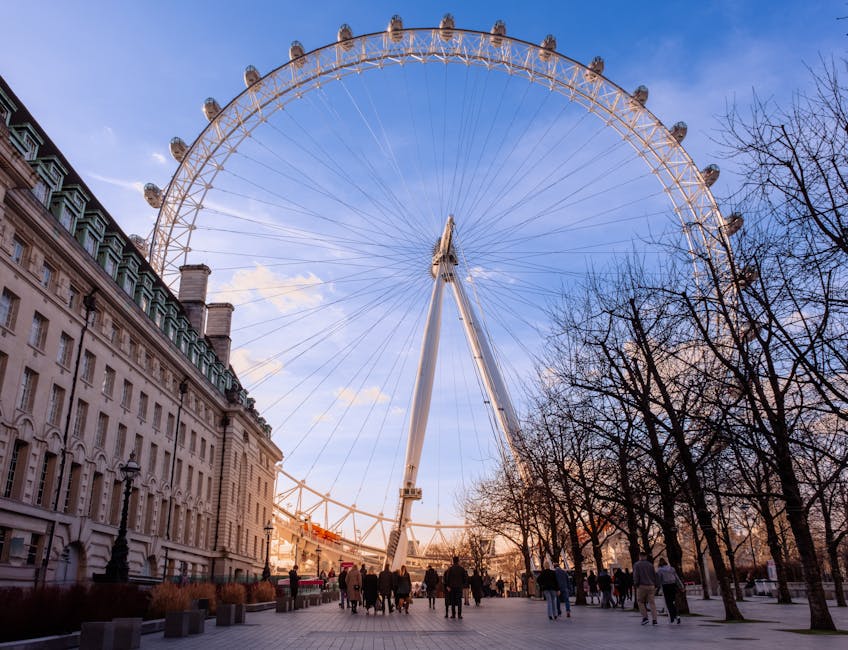
Soaring 135 meters above the Thames, the London Eye offers 360-degree views across the city. Book a standard or fast-track ticket online to skip lines. Sunset and evening rides provide dramatic cityscapes, especially when the skyline lights up after dark.
6. Westminster Abbey
This historic church has hosted coronations since 1066 and is the final resting place of monarchs, scientists, and poets. The intricate architecture and Poets’ Corner are highlights. Photography isn’t allowed inside, so take time to absorb the atmosphere quietly.
7. The Shard and Sky Garden
For modern perspectives, visit The Shard’s viewing platform or the free Sky Garden on the 35th floor of 20 Fenchurch Street. Sky Garden requires advance booking, but entry is complimentary. Both offer sweeping views, though The Shard provides a more enclosed, climate-controlled experience.
8. Covent Garden and Leicester Square
These adjacent areas buzz with street performers, boutique shops, and theaters. Covent Garden’s Apple Market features local artisans, while Leicester Square is the heart of London’s cinema scene. Ideal for evening strolls and people-watching.
9. The Tate Modern and South Bank
Housed in a former power station, the Tate Modern showcases international modern art with free general admission. Walk along the South Bank to see street art, food stalls, and views of St. Paul’s Cathedral. The area comes alive on weekends with live music and pop-up events.
10. Camden Market and Regent’s Canal
Camden is known for its alternative fashion, global street food, and eclectic markets. Take a leisurely walk along Regent’s Canal to Little Venice, where colorful narrowboats line the water. A canal boat trip offers a unique perspective of the city.
Best Areas to Stay in London
Choosing the right neighborhood affects convenience, atmosphere, and budget. Here are top options based on traveler needs.
Central London: Westminster and South Bank
Ideal for first-time visitors, this area puts major attractions within walking distance. Expect higher prices, but excellent public transport links. Hotels range from luxury chains to boutique stays. Great for sightseeing, dining, and theater access.
West London: Kensington and Chelsea
Upscale and residential, this area offers proximity to museums like the Victoria and Albert and the Natural History Museum. Quiet streets, garden squares, and high-end shopping define the vibe. Well-connected by the Tube.
East London: Shoreditch and Hackney
Trendy and creative, East London attracts younger travelers and foodies. Street art, independent cafes, and nightlife thrive here. Slightly farther from central sights, but the Overground and buses make access easy.</n
North London: Camden and Islington
Camden offers a lively, alternative scene, while Islington is more refined with gastropubs and theaters. Both are well-served by the Northern Line. Good for travelers seeking character over central convenience.
South London: Greenwich
Home to the Royal Observatory, Cutty Sark, and a large park, Greenwich feels like a village within the city. Accessible by DLR or riverboat. Ideal for families and those wanting a quieter base with historic charm.
Getting Around London
London’s transport network is extensive but can be confusing. Use these tips to move efficiently.
Oyster Card and Contactless Payments
The easiest way to pay for buses, Tube, DLR, and some trains is with an Oyster card or contactless debit/credit card. Both offer daily fare caps, meaning you’ll never pay more than the cost of a day pass. Top up Oyster cards at stations or online.
The London Underground (Tube)
The Tube is fast and covers most of the city. Avoid rush hours (7:30–9:30 AM and 5:00–7:00 PM) if possible. Use the TfL (Transport for London) app or Google Maps for real-time updates and route planning. Note that some lines close early on weekends for maintenance.
Buses
London’s red double-deckers are iconic and often cheaper than the Tube for short trips. All buses accept Oyster and contactless. Night buses run after the Tube closes, but routes are limited. Use the ‘Next Stop’ audio announcements to avoid missing your stop.
Walking and Cycling
Central London is walkable, especially between landmarks like Trafalgar Square, Covent Garden, and the South Bank. Use Santander Cycles (Boris Bikes) for short rentals—pick up and drop off at docking stations across the city. Helmets aren’t provided, so bring your own if required.
River Services
Thames Clippers and other riverboats offer scenic commutes between key stops like Westminster, London Bridge, and Greenwich. Faster than walking along the river and included in daily fare caps when using Oyster or contactless.
When to Visit London
London’s weather and crowds vary significantly by season. Plan accordingly.
Spring (March to May)
Mild temperatures and blooming parks make spring ideal. The Chelsea Flower Show in May draws crowds, but parks like Hyde and Regent’s are at their best. Book accommodations early for Easter and late spring holidays.
Summer (June to August)
Peak tourist season means long daylight hours and outdoor festivals, but also higher prices and crowds. Wimbledon and Notting Hill Carnival are highlights. Book major attractions in advance to skip lines.
Autumn (September to November)
Fewer tourists and crisp air make autumn a favorite among locals. The London Film Festival and food markets thrive. Weather turns cooler and wetter by November, so pack layers.
Winter (December to February)
Short days and cold weather, but festive lights, ice rinks, and Christmas markets create a magical atmosphere. January sales draw shoppers, but many attractions operate reduced hours. Wrap up warm and check opening times.
London on a Budget
London can be expensive, but smart planning keeps costs down.
Free Attractions
Many top sights don’t charge admission. The British Museum, National Gallery, Tate Modern, and Victoria and Albert Museum are all free. Parks like Hyde Park and Regent’s Park offer green space and free events.
Discount Passes
The London Pass offers entry to over 80 attractions for a fixed fee. It can save money if you plan to visit multiple paid sites. Compare costs online before purchasing. The Oyster card’s daily cap already limits transport expenses.
Affordable Dining
Avoid tourist traps near major sights. Instead, eat where locals do—markets like Borough, Camden, and Maltby Street offer quality street food at lower prices. Pubs often serve hearty meals under £15. Look for ‘early bird’ menus at restaurants for discounted set meals before 7 PM.
Accommodation Tips
Stay slightly outside central zones for better rates. Areas like Brixton, Stratford, or Earl’s Court offer good transport links at lower prices. Consider hostels, guesthouses, or short-term rentals for savings. Book early for the best deals.
Practical Travel Tips
Small details can make a big difference in your London experience.
Weather Preparedness
London weather is unpredictable. Carry a compact umbrella and wear layers, even in summer. Waterproof shoes are a smart choice. Check the forecast daily—rain can arrive with little warning.
Language and Etiquette
English is spoken, but accents and slang vary. Say ‘please’ and ‘thank you’ often—politeness is valued. Stand on the right on escalators to let others pass. Queueing is taken seriously; never cut in line.
Safety and Scams
London is generally safe, but stay alert in crowded areas. Beware of pickpockets near tourist hotspots and on public transport. Avoid unsolicited ‘help’ with Oyster card top-ups or petitions that ask for money. Use licensed black cabs or ride-hailing apps like Uber.
Connectivity
Free Wi-Fi is available in many cafes, museums, and on the Tube (via Virgin Media). Consider a UK SIM card or international data plan for reliable access. Public phones are rare, so rely on mobile networks.
Tipping
Tipping 10–12.5% is customary in restaurants if service isn’t included. Not expected in pubs or for takeaways. Taxi drivers appreciate rounding up the fare.
Day Trips from London
Explore beyond the city with these accessible excursions.
Oxford
About 1 hour by train, Oxford is famous for its university and dreaming spires. Visit the Bodleian Library and Christ Church College. Trains run frequently from Paddington.
Cambridge
Similar in charm to Oxford, Cambridge features punting on the River Cam and historic colleges. A 50-minute train ride from King’s Cross.
Stonehenge
Prehistoric and mysterious, Stonehenge is a 2-hour drive or train plus bus ride away. Book a guided tour for context and transport ease.
Windsor Castle
The Queen’s weekend home is just 30 minutes by train from Paddington. The State Apartments and St. George’s Chapel are highlights. Combine with a walk along the High Street.
Final Thoughts on Your London Travel Guide
London rewards thoughtful planning and curiosity. With its mix of history, culture, and modern energy, the city offers something for every traveler. Use this London travel guide to prioritize attractions, choose the right area to stay, and navigate transport with confidence. Pack for changeable weather, book key experiences in advance, and leave room for spontaneous discoveries—whether it’s a hidden garden, a pop-up market, or a quiet pub with live music. London is best explored at a steady pace, with time to absorb its layers and rhythms.
FAQ
What is the best way to get around London?
The most efficient options are the Tube, buses, and walking. Use an Oyster card or contactless payment for seamless travel with daily fare caps.
Is London safe for tourists?
Yes, London is generally safe, but remain aware of your surroundings, especially in crowded areas. Avoid unlicensed taxis and keep belongings secure.
Do I need to book tickets for major attractions in advance?
Yes, booking ahead for sites like the London Eye, Tower of London, and Buckingham Palace helps you skip lines and secure entry during peak times.