Istanbul Travel Guide: Best Places, Food and Culture Tips
Istanbul is a city where continents collide, history breathes through ancient walls, and flavors tell stories older than nations. This Istanbul travel guide covers the must-see sights, authentic local dishes, and essential cultural insights to help you navigate one of the world’s most captivating destinations. From the grandeur of the Hagia Sophia to the quiet charm of a neighborhood çay (tea) house, you’ll find a blend of old and new that few cities can match. Whether you’re planning a weekend getaway or a two-week immersion, this guide delivers practical, up-to-date advice on where to go, what to eat, and how to experience Istanbul like a thoughtful traveler.
Top Attractions You Can’t Miss
Istanbul’s skyline is instantly recognizable—domes and minarets rise above bustling bazaars and tree-lined avenues. While it’s easy to get overwhelmed by the sheer number of sights, focusing on a few key landmarks ensures a meaningful visit without burnout.
Historic Peninsula Highlights
The Sultanahmet district forms the heart of Istanbul’s historic core. Start at the Hagia Sophia, a marvel of Byzantine engineering that has served as a church, mosque, and now a museum. Its massive dome and golden mosaics remain awe-inspiring, even after centuries. Just steps away, the Blue Mosque (Sultanahmet Camii) impresses with its six slender minarets and interior Iznik tiles that give the space its nickname. Visit early in the morning or late afternoon to avoid crowds and enjoy the soft light filtering through stained glass.
Next, descend into the Basilica Cistern, an underground reservoir built in the 6th century. Dimly lit and supported by 336 columns, it feels like stepping into another world—especially near the Medusa head bases, two of which are famously repurposed Roman sculptures.
Palaces and Panoramas
No Istanbul travel guide would be complete without mentioning Topkapı Palace, the former residence of Ottoman sultans. Explore the Harem section (book in advance), the Imperial Treasury, and the courtyards with views over the Bosphorus and Golden Horn. Allow at least half a day here—it’s easy to lose track of time among the opulent rooms and quiet gardens.
For a different perspective, head to Dolmabahçe Palace on the European shore of the Bosphorus. Built in the 19th century, it blends Ottoman and European architectural styles and features the world’s largest Bohemian crystal chandelier. The palace’s waterfront location offers stunning photo opportunities, especially at sunset.
Bazaars and Local Life
The Grand Bazaar is one of the oldest and largest covered markets in the world. With over 4,000 shops spread across 61 streets, it’s a sensory overload of spices, textiles, jewelry, and ceramics. Don’t feel pressured to buy—wandering is half the fun. For a more local vibe, visit the Spice Bazaar (also known as the Egyptian Bazaar) near the Galata Bridge. Sample Turkish delight, dried apricots, and saffron while watching vendors weigh herbs on antique scales.
For a break from the crowds, explore neighborhoods like Balat and Fener, where colorful houses, artisan workshops, and cozy cafés line narrow cobblestone streets. These areas offer a glimpse into Istanbul’s multicultural past and present-day creative revival.
What to Eat: A Culinary Journey Through Istanbul
Turkish cuisine is one of the world’s great food traditions, and Istanbul is its beating heart. Meals here are social, generous, and deeply rooted in regional ingredients. Forget the tourist traps—authentic flavors are found in neighborhood eateries, street stalls, and family-run restaurants.
Must-Try Dishes
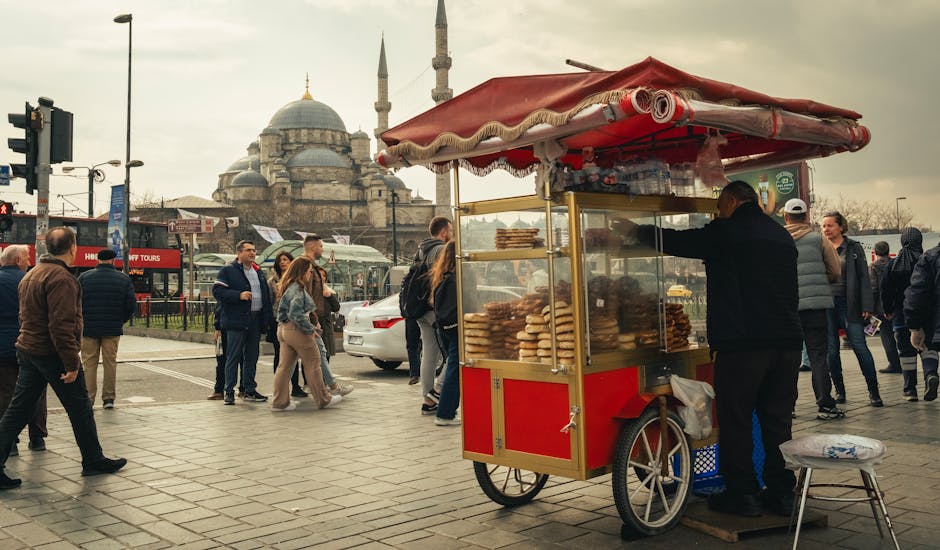
- Simit: A circular bread encrusted with sesame seeds, often called “Turkish bagel.” Best eaten fresh from a street vendor, warm and slightly chewy.
- Lahmacun: Thin, crispy dough topped with minced meat, vegetables, and herbs. Roll it up with a squeeze of lemon and a few arugula leaves for the perfect bite.
- Meze: A selection of small dishes served as appetizers. Try haydari (yogurt with herbs), patlıcan ezmesi (eggplant dip), and çılbır (poached eggs with yogurt and paprika oil).
- Kebabs: Istanbul offers countless variations. Doner kebab is ubiquitous, but seek out ciğer (fried liver) or şiş (grilled meat on skewers) at local spots like Hamdi Restaurant near the Grand Bazaar.
- Baklava: Layers of phyllo dough, nuts, and syrup. Head to Karaköy Güllüoğlu for some of the city’s finest—crisp, not soggy, and balanced in sweetness.
Where to Eat
For a traditional breakfast, visit Van Kahvaltı Evi in Cihangir. Their spread includes kaymak (clotted cream), honey, olives, tomatoes, white cheese, and freshly baked bread—enough to fuel a full day of sightseeing.
In Karaköy, Kanaat Lokantası serves homestyle Turkish dishes at reasonable prices. Try the lamb stew or stuffed grape leaves, and don’t skip the homemade compote for dessert.
For a splurge, book a table at Neolokal in Galata. The modern Turkish menu reinterprets classics with local ingredients and artistic presentation—ideal for food lovers seeking innovation without losing authenticity.
Street Food Essentials
Grab a balık ekmek (fish sandwich) from a boat vendor along the Eminönü waterfront. Grilled mackerel served in a crusty roll with onions and lettuce—simple, fresh, and under 10 lira.
Don’t leave without trying dondurma, Turkish ice cream. Unlike Western versions, it’s stretchy and chewy due to salep (orchid root flour). Watch vendors playfully taunt customers before handing over the cone—it’s part of the fun.
Cultural Tips for a Respectful Visit
Istanbul is a predominantly Muslim city with deep religious and cultural traditions. While it’s cosmopolitan and welcoming to tourists, a few mindful practices go a long way.
Dress Appropriately
When visiting mosques, both men and women should dress modestly. Women should cover their heads with a scarf (often provided at entrances), and shoulders and knees should be covered. Remove shoes before entering prayer areas.
Greetings and Etiquette
A simple “Merhaba” (hello) or “Günaydın” (good morning) is appreciated. Handshakes are common, but wait for a woman to extend her hand first. Avoid public displays of affection, especially in conservative neighborhoods.
When invited to someone’s home, bring a small gift—pastries, fruit, or flowers (avoid white flowers, which are associated with funerals). It’s polite to remove your shoes at the entrance.
Tipping Practices
Tipping is expected in restaurants, cafés, and for services like guided tours. Leave 10% in restaurants, rounding up the bill in smaller establishments. For taxi drivers, rounding up to the nearest 5 or 10 lira is sufficient.
Language Basics
While English is spoken in tourist areas, learning a few Turkish phrases enhances your experience:
- Teşekkür ederim – Thank you
- Lütfen – Please
- Üzgünüm – Sorry
- Nerede? – Where is?
- Kaç lira? – How much?
A smile and effort often bridge language gaps more effectively than perfect grammar.
Getting Around Istanbul
Istanbul’s public transportation system is extensive but can be confusing for first-time visitors. The city spans two continents, so efficient movement is key.
Public Transit Options
The Istanbulkart is a rechargeable transit card that works on buses, trams, metro lines, ferries, and funiculars. Buy one at kiosks in major stations (refundable deposit included). Avoid taxis for long distances—they’re expensive and traffic can be brutal.
The Tram Line T1 connects major sights on the historic peninsula, including Sultanahmet, Grand Bazaar, and Eminönü. It’s slow but scenic and affordable.
For crossing between Europe and Asia, take a Bosphorus ferry. The public ferries are cheap, reliable, and offer unbeatable views of palaces, mosques, and waterfront mansions. The route from Eminönü to Üsküdar takes about 30 minutes and costs less than 5 lira with an Istanbulkart.
Walking and Safety
Many neighborhoods are best explored on foot. Sultanahmet, Beyoğlu, and Karaköy are pedestrian-friendly, though uneven sidewalks and narrow alleys require attention. Wear comfortable shoes.
Istanbul is generally safe for tourists, but stay alert in crowded areas like the Grand Bazaar or ferry terminals. Pickpocketing can occur, so keep valuables secure and avoid flashing expensive items.
When to Visit
Istanbul enjoys a temperate climate, but timing your trip can greatly affect your experience.
| Season | Weather | Pros | Cons |
|---|---|---|---|
| Spring (April–May) | Mild, 15–22°C | Fewer crowds, blooming parks, ideal for walking | Occasional rain |
| Summer (June–August) | Hot, 25–35°C | Long days, vibrant nightlife, open-air events | Crowds, high prices, heat can be intense |
| Autumn (September–October) | Warm, 18–25°C | Comfortable weather, cultural festivals, fewer tourists | Shorter days by late October |
| Winter (November–March) | Cold, 5–12°C | Low prices, cozy cafés, snow-dusted minarets | Rain, limited daylight, some attractions may close early |
For most travelers, April to June and September to October offer the best balance of weather, crowds, and cultural events.
Practical Tips and Warnings
- Book tickets online: Skip lines at Hagia Sophia, Topkapı Palace, and Dolmabahçe by purchasing timed-entry tickets in advance.
- Avoid overpriced tours: Many “all-inclusive” tours near tourist hubs are rushed and overpriced. Opt for licensed guides or self-guided exploration with a good map or app.
- Stay hydrated: Tap water is not recommended for drinking. Buy bottled water or use filtered water stations in major hotels and malls.
- Respect prayer times: Some attractions may close briefly during prayer, especially on Fridays. Check schedules in advance.
- Use official taxis: Look for yellow cabs with meters. Avoid unmarked vehicles, especially at airports or train stations.
Final Thoughts
This Istanbul travel guide aims to equip you with the knowledge to explore the city confidently and respectfully. From ancient wonders to modern cafés, Istanbul rewards curiosity and patience. Take time to sit in a park, sip çay with locals, and let the rhythm of the city—its calls to prayer, ferry horns, and street musicians—sink in. The true magic of Istanbul isn’t just in its landmarks, but in the everyday moments that reveal its soul.
FAQ
Is Istanbul safe for tourists?
Yes, Istanbul is generally safe for visitors. Like any major city, it’s wise to stay aware of your surroundings, especially in crowded areas. Petty crime such as pickpocketing occurs, so keep your belongings secure. Avoid political demonstrations and follow local news for any travel advisories.
Do I need a visa to visit Istanbul?
Most travelers need an e-Visa to enter Turkey. Apply online at the official Turkish government website before departure. Processing is usually quick, and the visa is valid for multiple entries over 180 days.
What’s the best way to get from Istanbul Airport to the city center?
The most reliable option is the Havaist shuttle bus, which connects IST Airport to Taksim Square and other major districts. Taxis are available but can be expensive due to distance. Public metro access is limited, so plan accordingly based on your arrival time and luggage.