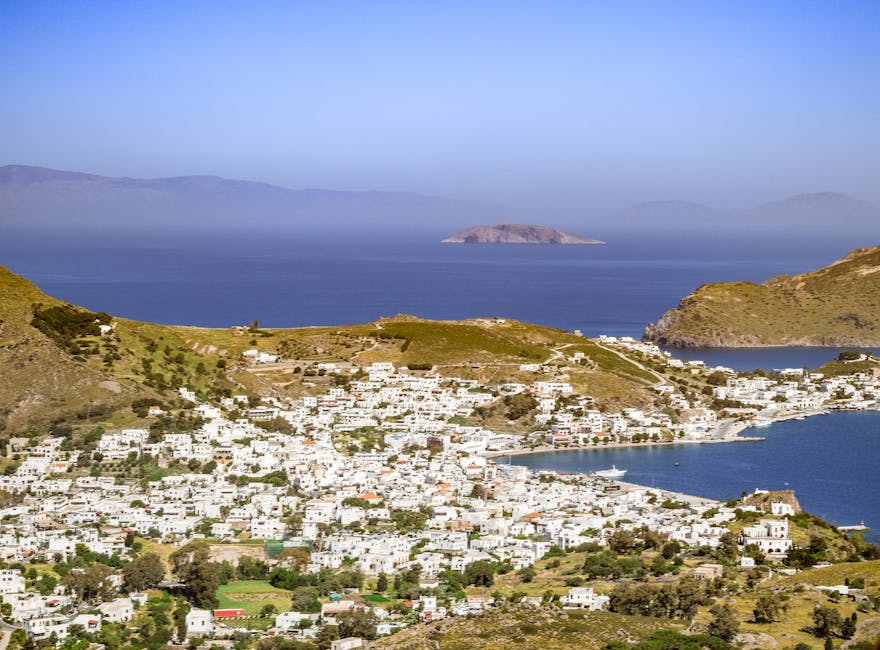
Greece Travel Guide: Best Islands and Travel Tips
Planning a trip to Greece? You’re in for sun-drenched beaches, ancient ruins, and some of the most beautiful islands in the Mediterranean. This guide covers the top Greek islands to visit, essential travel tips, and practical advice to help you make the most of your adventure. Whether you’re looking for vibrant nightlife, quiet coves, or historic charm, Greece offers something for every traveler.
Why Visit Greece?
Greece is more than just a summer destination. It’s a country rich in history, culture, and natural beauty. From the iconic white-washed buildings of Santorini to the lush hills of Corfu, each island has its own character. The warm Mediterranean climate, delicious cuisine, and welcoming locals make it a favorite among travelers worldwide.
Greece also offers excellent value for money compared to other European destinations. With over 6,000 islands and islets—though only about 227 are inhabited—there’s no shortage of places to explore. Whether you’re a history buff, beach lover, or foodie, Greece delivers an authentic and memorable experience.
Top Greek Islands to Visit
Santorini: Iconic Views and Romantic Sunsets
Santorini is perhaps the most famous of all Greek islands. Known for its dramatic cliffs, blue-domed churches, and stunning sunsets in Oia, it’s a must-see. The island’s volcanic origins give it a unique landscape, with black sand beaches like Perissa and Kamari.
Visit the ancient site of Akrotiri, a Minoan Bronze Age settlement preserved in volcanic ash. For a quieter experience, explore the lesser-known villages of Pyrgos or Megalochori. Santorini is ideal for couples, photographers, and anyone seeking a picturesque escape.
Mykonos: Beaches, Nightlife, and Cycladic Charm
Mykonos is famous for its vibrant nightlife, pristine beaches, and whitewashed streets. It’s a favorite among celebrities and partygoers, but it also offers peaceful corners for those who want to unwind.
Paradise Beach and Super Paradise Beach are popular for beach clubs and water sports. For a more relaxed vibe, head to Agios Sostis or Ornos. Don’t miss the windmills of Mykonos Town or a sunset drink at a waterfront bar in Little Venice.
Crete: Culture, Nature, and Diversity
As the largest Greek island, Crete offers incredible variety. From the Minoan palace of Knossos to the Samaria Gorge, it blends history, adventure, and natural beauty.
Chania and Heraklion are the main cities, each with charming old towns and lively harbors. Elafonissi Beach, with its pink-tinged sand and turquoise water, is a standout. Crete is perfect for travelers who want a mix of culture, hiking, and beach time.
Naxos: Authentic Island Life
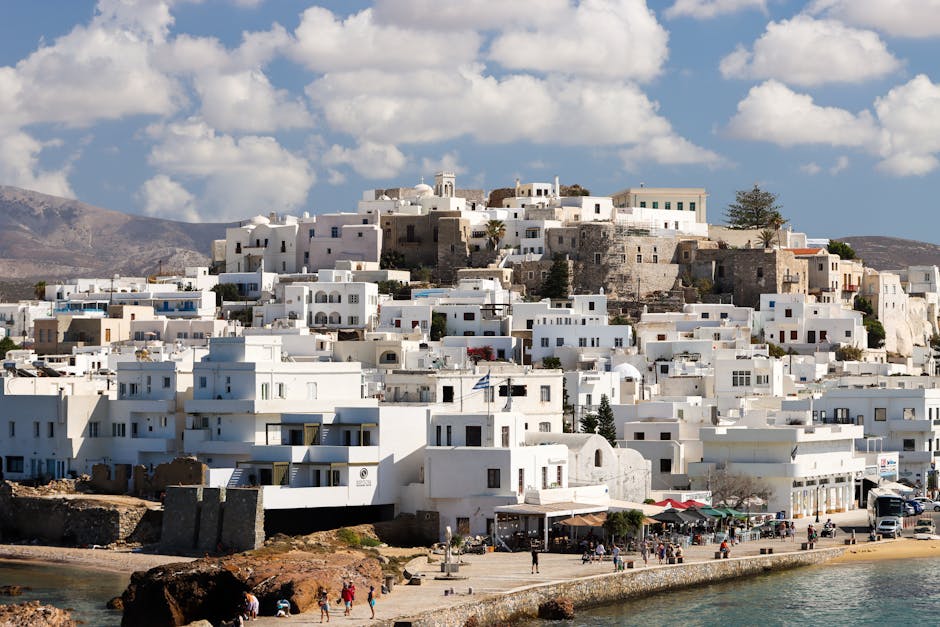
Naxos is the largest of the Cyclades and one of the most authentic Greek islands. It’s less touristy than its neighbors, offering a glimpse into traditional island life.
The island boasts long sandy beaches, mountain villages, and ancient ruins. Visit the Portara, a massive marble gateway that’s the symbol of Naxos. The mountain village of Apiranthos is known for its stone houses and local crafts. Naxos is ideal for families and travelers seeking a slower pace.
Paros and Antiparos: Charming Villages and Clear Waters
Paros is a favorite among Greek locals and savvy travelers. It offers a great balance of beaches, nightlife, and culture. The main town, Parikia, has a picturesque harbor and the famous Panagia Ekatontapiliani church.
Nearby Antiparos is smaller and more laid-back, with a charming castle and secluded beaches. Both islands are well-connected by ferry and offer excellent seafood and local wines.
Corfu: Lush Greenery and Venetian Influence
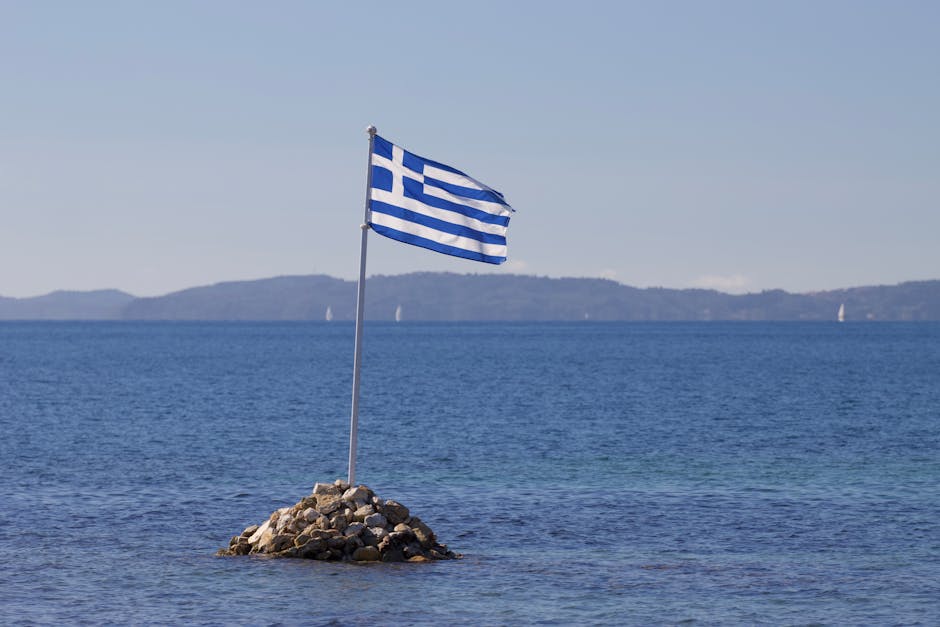
Unlike the dry, rocky Cyclades, Corfu is green and lush, thanks to its location in the Ionian Sea. The island has a distinct Italian flavor, with Venetian architecture and cobblestone streets.
Corfu Town is a UNESCO World Heritage site, with narrow alleys, historic fortresses, and colorful buildings. The island also offers beautiful beaches like Paleokastritsa and Glyfada. Corfu is great for history lovers and nature enthusiasts.
Rhodes: Medieval History and Beach Resorts
Rhodes is known for its medieval Old Town, one of the best-preserved in Europe. The Palace of the Grand Master and the Street of the Knights are must-sees.
The island also has excellent beaches, such as Faliraki and Lindos, with its iconic cliff-top acropolis. Rhodes blends history, culture, and resort-style relaxation, making it a versatile destination.
Best Time to Visit Greece
The ideal time to visit Greece is during the shoulder seasons: late April to early June and September to early October. During these months, the weather is warm but not scorching, and the crowds are smaller.
Summer (July and August) is peak season, with hot temperatures and busy beaches. While it’s great for swimming and nightlife, popular islands like Santorini and Mykonos can feel overcrowded. Winter is quiet, with many hotels and ferries closed, but it’s a good time for cultural trips to Athens or Thessaloniki.
How to Get Around Greece
Ferries: The Main Way Between Islands
Ferries are the most common way to travel between Greek islands. Companies like Blue Star Ferries, Hellenic Seaways, and SeaJets operate regular routes. High-speed ferries are faster but more expensive than conventional ones.
Book tickets in advance during peak season, especially for popular routes like Athens (Piraeus) to Santorini or Mykonos. Check schedules on websites like Ferryhopper or Direct Ferries, as timetables change frequently.
Domestic Flights: Fast but Limited
Domestic flights are available from Athens to major islands like Crete, Rhodes, and Corfu. Olympic Air and Aegean Airlines operate these routes. Flights are quick—about 45 minutes to Santorini—but can be pricey during summer.
Flights are best for saving time if you’re visiting multiple islands or have limited vacation days. However, ferries offer a more scenic and flexible experience.
Local Transportation: Buses, Taxis, and Rentals
Most islands have local bus networks that connect towns and beaches. They’re affordable but can be infrequent on smaller islands. Taxis are available but can be expensive for long distances.
Renting a car or scooter gives you the most freedom, especially on larger islands like Crete or Naxos. Just be aware that roads can be narrow and parking limited in towns. An international driving permit is recommended for non-EU travelers.
Where to Stay: Accommodation Options
Boutique Hotels and Villas
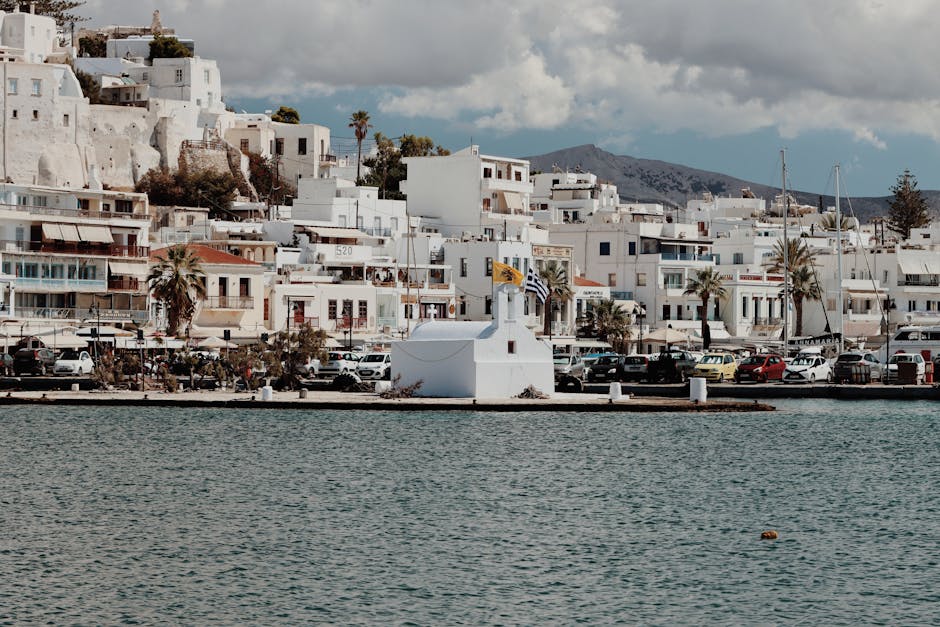
Many Greek islands offer charming boutique hotels and private villas, especially in Santorini and Mykonos. These often feature traditional architecture, sea views, and personalized service. Prices can be high in peak season, so book early.
Family-Run Guesthouses
For a more authentic and budget-friendly option, consider family-run guesthouses or pensions. These are common on islands like Naxos, Paros, and Crete. They offer a homey atmosphere and local insights.
Hostels and Budget Stays
Hostels are available on most popular islands, particularly in party destinations like Mykonos and Ios. They’re great for solo travelers and backpackers. Look for ones with good reviews and social spaces.
What to Eat and Drink in Greece
Greek cuisine is fresh, flavorful, and based on local ingredients. Start your day with Greek coffee or frappé, and try a traditional breakfast of yogurt with honey and walnuts.
Must-try dishes include moussaka, souvlaki, spanakopita, and fresh seafood. Don’t miss meze—small plates shared among friends—often served with ouzo or tsipouro. For dessert, try baklava or galaktoboureko.
Wine lovers should sample local varieties like Assyrtiko from Santorini or Robola from Kefalonia. Many islands have small wineries offering tastings and tours.
Travel Tips for a Smooth Trip
Pack Smart for Island Hopping
Bring lightweight clothing, sunscreen, a hat, and comfortable walking shoes. A reusable water bottle is essential, as tap water is safe to drink in most places. Pack a light jacket for cooler evenings, even in summer.
If you plan to visit churches or monasteries, cover your shoulders and knees. A sarong or scarf can double as a beach cover-up and modesty wrap.
Stay Connected
Most hotels, cafes, and restaurants offer free Wi-Fi. For better coverage, consider getting a local SIM card from providers like Cosmote or Vodafone. They offer affordable data plans for tourists.
Respect Local Customs
Greeks are warm and hospitable, but it’s important to respect local traditions. Greet people with a smile and a simple “Yassas” (hello). Tipping is appreciated but not mandatory—round up the bill or leave 5–10% in restaurants.
Avoid loud behavior in residential areas, especially late at night. Many islands have quiet hours, particularly in villages.
Be Mindful of the Environment
Many Greek islands face environmental challenges, including water shortages and waste management. Help by conserving water, avoiding single-use plastics, and sticking to marked trails when hiking.
Support local businesses and buy souvenirs made by local artisans. Avoid mass-produced items that harm the local economy.
Safety and Health
Greece is generally safe for travelers. Petty crime like pickpocketing can occur in crowded areas, so keep your belongings secure. Be cautious when swimming in remote areas—check for warning flags and avoid strong currents.
Tap water is safe to drink in most of Greece, but bottled water is widely available. Pharmacies are well-stocked, and EU citizens can use their European Health Insurance Card (EHIC). Non-EU travelers should have travel insurance.
Budgeting for Your Trip
Greece is relatively affordable, but costs vary by island and season. Santorini and Mykonos are the most expensive, while Naxos, Paros, and Crete offer better value.
Average daily costs (excluding flights):
- Budget traveler: €50–€70
- Mid-range traveler: €80–€120
- Luxury traveler: €150+
Save money by eating at local tavernas, using public transport, and visiting free attractions like beaches and archaeological sites.
Final Thoughts
Greece offers an unforgettable mix of natural beauty, ancient history, and modern comfort. Whether you’re island hopping, exploring ruins, or simply relaxing by the sea, the country has something for everyone. With careful planning and a sense of adventure, your trip to Greece can be both enriching and relaxing.
Start by choosing the islands that match your interests—romance, nightlife, culture, or nature. Book ferries and accommodations early, pack light, and embrace the laid-back Greek lifestyle. You’ll leave with memories that last a lifetime.
FAQ
What is the best way to travel between Greek islands?
The best way is by ferry, which is affordable, scenic, and connects most islands. High-speed ferries are faster but cost more. Book in advance during summer.
Do I need a visa to visit Greece?
Citizens of the EU, US, Canada, Australia, and many other countries do not need a visa for stays up to 90 days. Check the latest requirements based on your nationality.
Is it safe to drink tap water in Greece?
Yes, tap water is safe to drink in most parts of Greece, including the islands. Bottled water is also widely available if you prefer.