Complete Nature Travel Guide with Tips and Destinations
Planning a nature-focused trip can be both exciting and overwhelming. Exploring nature travel destinations reveals important insights. This complete nature travel guide with tips and destinations simplifies the process by offering practical advice, essential packing lists, and carefully selected locations that balance accessibility, biodiversity, and scenic beauty. Whether you’re hiking mountain trails, exploring rainforests, or kayaking along pristine coastlines, this guide helps you travel responsibly while maximizing your outdoor experience. From beginner-friendly parks to remote wilderness areas, you’ll find options suited to every skill level and interest.
Why Choose Nature Travel?
Nature travel offers more than just scenic views—it provides mental clarity, physical activity, and a deeper connection to the environment. Unlike urban tourism, nature-based trips encourage mindfulness and often involve low-impact activities like walking, birdwatching, or stargazing. Studies consistently show that spending time in natural settings reduces stress, improves mood, and enhances creativity. Additionally, responsible nature travel supports conservation efforts and local economies in rural and protected areas.
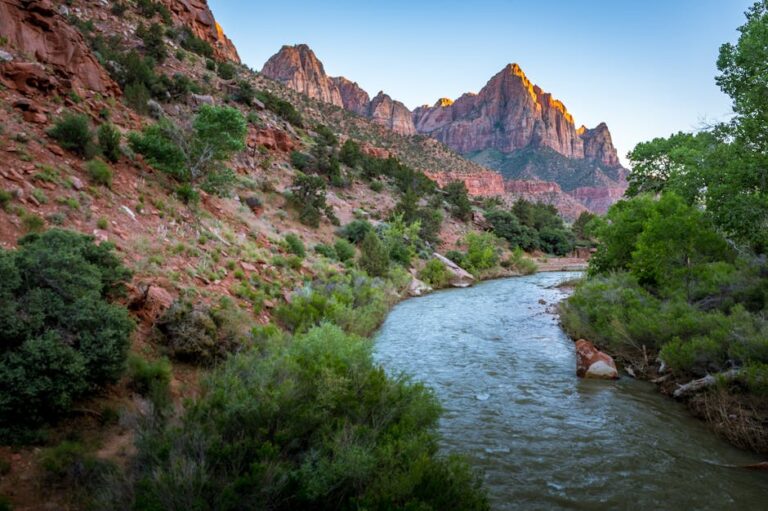
Unlike crowded resorts or theme parks, nature destinations allow for solitude and immersion. Whether you’re watching sunrise over a desert canyon or listening to howler monkeys in a tropical forest, these moments create lasting memories. The key is preparation: knowing what to expect, what to bring, and how to minimize your environmental footprint.
Top Nature Destinations Around the World
Choosing the right destination depends on your interests, budget, and travel experience. Below are five standout locations that offer diverse ecosystems, well-maintained trails, and opportunities for sustainable tourism.
1. Banff National Park, Canada
Located in the Canadian Rockies, Banff is one of North America’s most accessible mountain parks. With over 1,600 kilometers of trails, it’s ideal for hikers of all levels. Popular routes include the Johnston Canyon walk and the challenging Sentinel Pass hike. Wildlife sightings—elk, black bears, and bighorn sheep—are common, especially at dawn and dusk. The park also features glacial lakes like Lake Louise and Moraine Lake, known for their turquoise waters.
Best time to visit: June to September for full trail access. Winter offers skiing and snowshoeing, but some areas close due to snow.
2. Torres del Paine National Park, Chile
This Patagonian gem is famous for its dramatic granite peaks, glacial rivers, and vast open plains. The W Trek—a 5–7 day loop—is the park’s signature hike, passing iconic landmarks like the Base Torres lookout and Grey Glacier. Camping is available, but reservations are required during peak season (December to February).
Weather is unpredictable; pack layers and waterproof gear. Guided tours are recommended for first-time visitors due to trail complexity and limited cell service.
3. Daintree Rainforest, Australia
As the world’s oldest tropical rainforest, Daintree offers a unique blend of ancient flora, rare wildlife, and coastal mangroves. Guided walks reveal cassowaries, tree kangaroos, and the elusive Bennett’s tree frog. The nearby Cape Tribulation allows for beach walks where the rainforest meets the Great Barrier Reef.
Mosquitoes and sandflies are common—bring insect repellent with DEET. Stick to marked trails to protect fragile ecosystems and avoid disturbing wildlife.
4. Plitvice Lakes National Park, Croatia
Known for its cascading lakes and waterfalls connected by wooden boardwalks, Plitvice is a UNESCO World Heritage Site. The park offers several walking routes (30 minutes to 4 hours), all clearly marked and accessible. The Lower Lakes feature dramatic drops, while the Upper Lakes are calmer and ideal for photography.
Visit in spring (April–June) for full water flow and fewer crowds. Summer can be busy; arrive early to avoid congestion on the trails.
5. Svalbard, Norway
For a truly remote Arctic experience, Svalbard offers polar bears, glaciers, and the northern lights. Most visits require guided tours due to safety regulations and extreme conditions. Activities include snowmobiling, dog sledding, and glacier hikes. The town of Longyearbyen serves as the main base, with basic accommodations and a small museum.
Travel between November and March for the polar night and aurora viewing. Summer (May–August) offers midnight sun and wildlife boat tours.
Essential Tips for Nature Travel
Success in nature travel depends on preparation, respect for the environment, and awareness of local conditions. Follow these guidelines to ensure a safe and enjoyable trip.
Pack Smart: The Nature Traveler’s Checklist
Overpacking can weigh you down; underpacking can be dangerous. Focus on versatile, durable gear.
- Footwear: Sturdy, broken-in hiking boots with ankle support. Trail runners work for light hikes but lack protection on rocky terrain.
- Clothing: Layered system—moisture-wicking base, insulating mid-layer (fleece or down), and waterproof outer shell. Avoid cotton, which retains moisture.
- Navigation: Physical map and compass (even if using GPS). Download offline maps via apps like Gaia GPS or Maps.me.
- Hydration: At least 2 liters of water per day. Use a filtration system (e.g., Sawyer Squeeze) in areas with natural water sources.
- First Aid: Include bandages, antiseptic, blister treatment, tweezers, and any personal medications.
- Sun Protection: Broad-spectrum sunscreen (SPF 30+), sunglasses, and a wide-brimmed hat.
- Emergency Gear: Whistle, headlamp with extra batteries, emergency blanket, and a multi-tool.
Follow the Leave No Trace Principles
Protecting natural spaces ensures they remain beautiful and functional for future visitors. Exploring nature travel destinations reveals important insights. The seven Leave No Trace principles are a universal standard:
- Plan ahead and prepare: Research weather, permits, and trail conditions.
- Travel and camp on durable surfaces: Stay on marked trails and use established campsites.
- Dispose of waste properly: Pack out all trash, including food scraps and toilet paper. Use catholes 6–8 inches deep for human waste, at least 200 feet from water.
- Leave what you find: Don’t take rocks, plants, or artifacts. Let others enjoy them.
- Minimize campfire impact: Use a camp stove instead. If fires are allowed, use existing fire rings and keep fires small.
- Respect wildlife: Observe from a distance. Never feed animals—it alters behavior and can be dangerous.
- Be considerate of other visitors: Keep noise low, yield on trails, and share viewpoints.
Check Local Regulations and Permits
Many nature areas require permits for entry, camping, or photography. For example, Yosemite National Park limits daily visitors during peak season, and Torres del Paine requires advance booking for campsites. Research official park websites before traveling. Some countries also restrict drone use in protected areas—violations can result in fines or confiscation.
Prepare for Weather and Altitude
Weather in natural environments can change rapidly. Mountain regions may experience snow in summer, and deserts can drop below freezing at night. Check forecasts daily and be ready to adjust plans. At high altitudes (above 8,000 feet), allow time for acclimatization to avoid altitude sickness. Symptoms include headache, nausea, and dizziness—descend if symptoms worsen.
Sustainable Nature Travel Practices
As interest in outdoor travel grows, so does the risk of overtourism and environmental damage. Sustainable practices help preserve natural areas for future generations.
Choose Eco-Friendly Accommodations
Look for lodges and camps with green certifications, such as EarthCheck or Green Key. These properties often use solar power, recycle water, and source food locally. In remote areas, consider homestays with local families to support community-based tourism.
Travel Off-Peak When Possible
Visiting during shoulder seasons (spring and fall) reduces crowding and strain on infrastructure. It also offers better wildlife viewing—many animals are more active during cooler months. For example, fall in Yellowstone brings elk rutting season, while spring in Costa Rica offers lush greenery and fewer tourists.
Support Conservation Efforts
Donate to local park foundations or volunteer with trail maintenance groups. Some parks offer “voluntourism” programs where visitors help with restoration projects in exchange for lodging. Even small contributions—like picking up litter—make a difference.
Safety Considerations for Nature Travel
Safety should always be a priority. Unlike city travel, help may be hours away in remote areas. Take precautions to avoid common risks.
Wildlife Encounters
Know how to react based on the animal. In bear country (e.g., Alaska, Montana), carry bear spray and make noise while hiking. Store food in bear-proof containers or hang it 10 feet off the ground and 4 feet from tree trunks. For snakes, watch where you step and avoid tall grass. If bitten, stay calm, immobilize the limb, and seek medical help immediately.
Water Safety
Rivers and lakes can be deceptively dangerous. Strong currents, cold water, and submerged rocks pose risks. Always wear a life jacket when boating or kayaking. Avoid swimming in glacial lakes—water temperatures near freezing can cause hypothermia within minutes.
Navigation and Communication
Cell service is unreliable in most wilderness areas. Carry a satellite communicator (e.g., Garmin inReach) for emergencies. Let someone know your itinerary and expected return time. If lost, stay put, conserve energy, and use your whistle to signal for help.
How to Plan Your Nature Trip Step by Step
Planning reduces stress and increases enjoyment. Follow these steps to organize a successful nature adventure.
- Define your goals: Are you seeking solitude, adventure, photography, or family fun? This shapes destination and activity choices.
- Research destinations: Use official park websites, travel forums, and guidebooks. Look for recent visitor reviews to assess trail conditions.
- Check travel requirements: Visas, vaccinations, and park entry fees vary by country. Some parks require advance reservations.
- Book accommodations early: Popular campsites and lodges fill up months in advance, especially in national parks.
- Prepare physically: Start training 6–8 weeks ahead. Hike with a loaded backpack to build endurance.
- Pack and test gear: Do a trial run with your equipment to ensure everything works and fits.
- Review emergency plans: Know the location of ranger stations, hospitals, and evacuation routes.
Final Thoughts on Nature Travel
A well-planned nature trip offers unmatched rewards—fresh air, stunning landscapes, and a break from digital distractions. This complete nature travel guide with tips and destinations equips you with the knowledge to explore safely and responsibly. Whether you’re a first-time hiker or an experienced trekker, the key is preparation, respect for nature, and openness to the unexpected. Start small if needed: a weekend in a nearby state park can be just as fulfilling as an international expedition. The natural world is waiting—go explore it wisely.
FAQ
What should I pack for a weekend nature trip?
Essentials include a backpack, water, snacks, map, first aid kit, headlamp, weather-appropriate clothing, and sun protection. Add a sleeping bag and tent if camping. Always check the weather and trail conditions before leaving.
How do I find lesser-known nature destinations?
Use resources like AllTrails, local tourism boards, and hiking forums. Look for state or regional parks instead of national ones—they’re often less crowded and equally scenic. Ask locals for recommendations once you arrive.
Is nature travel safe for solo travelers?
Yes, with proper planning. Choose well-marked trails, carry emergency communication devices, and inform someone of your plans. Avoid remote areas if you’re inexperienced. Group tours or guided hikes are safer options for beginners.