Best Wildlife Travel Destinations for Animal Lovers
For animal lovers seeking unforgettable encounters with nature’s most remarkable creatures, choosing the right destination is essential. The best wildlife travel destinations for animal lovers offer not only abundant biodiversity but also responsible tourism practices that protect ecosystems and support local communities. Whether you’re tracking mountain gorillas in Rwanda, observing polar bears in Churchill, or snorkeling with sea turtles in the Galápagos, these locations provide immersive, ethical experiences. This guide highlights top global destinations where wildlife thrives in natural habitats, offering practical insights to help you plan a meaningful and sustainable adventure.
Why Ethical Wildlife Tourism Matters
Wildlife tourism can be a powerful force for conservation—when done responsibly. Unregulated or exploitative practices, such as riding elephants or feeding wild animals, often harm both animals and their environments. In contrast, ethical wildlife travel prioritizes observation over interaction, supports protected areas, and contributes to local economies through park fees and community-based tourism.
When selecting a destination, look for operators certified by organizations like the Global Sustainable Tourism Council (GSTC) or those affiliated with reputable conservation groups. Responsible tourism helps fund anti-poaching efforts, habitat restoration, and research initiatives. It also ensures that future generations can experience the same awe-inspiring moments in the wild.
Top Wildlife Travel Destinations for Animal Lovers
Below are some of the world’s most compelling wildlife destinations, each offering unique opportunities to observe animals in their natural environments. These locations are selected based on biodiversity, accessibility, conservation status, and the quality of guided experiences.
1. Serengeti National Park, Tanzania
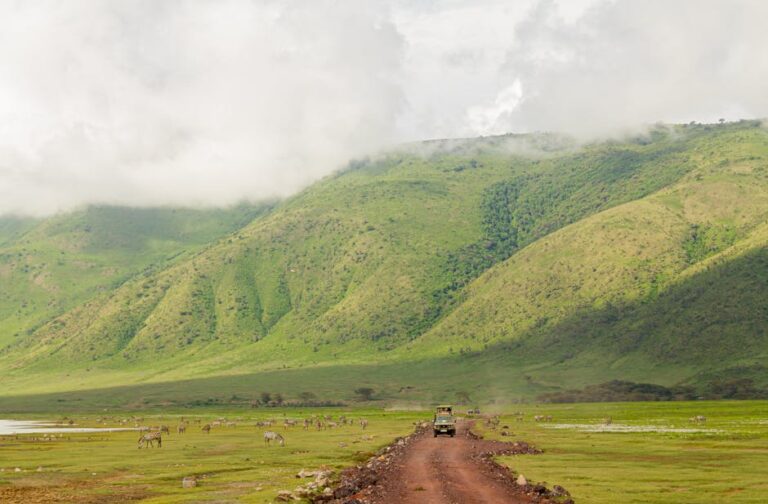
The Serengeti is synonymous with the great migration—a year-round spectacle where over 1.5 million wildebeest, 200,000 zebras, and hundreds of thousands of gazelles traverse the plains in search of fresh grazing. This UNESCO World Heritage Site spans 14,750 square kilometers and hosts one of the highest concentrations of large mammals on Earth.
Visitors can witness lions, leopards, cheetahs, elephants, and rhinos in open savannahs. The dry season (June to October) offers the best game viewing, as animals gather around water sources. Mobile camps that move with the migration provide front-row seats to this natural phenomenon. Always choose safari operators that follow strict off-roading and distance guidelines to minimize disturbance.
2. Galápagos Islands, Ecuador
A living laboratory of evolution, the Galápagos Islands are home to species found nowhere else on Earth. Giant tortoises, marine iguanas, blue-footed boobies, and flightless cormorants thrive in this isolated archipelago. Strict visitor regulations—such as staying on marked trails and maintaining a 2-meter distance from wildlife—help preserve the fragile ecosystem.
Most travelers explore the islands via small cruise ships or day tours from inhabited islands like Santa Cruz and San Cristóbal. Snorkeling with sea lions, penguins, and reef sharks is a highlight. The Galápagos National Park Directorate enforces a cap on visitor numbers, so booking well in advance is essential.
3. Ranthambore National Park, India
For those eager to spot the Bengal tiger in the wild, Ranthambore offers one of the best chances in Asia. Located in Rajasthan, this park blends dense forests, ancient ruins, and open grasslands, creating a dramatic backdrop for wildlife photography.
Tiger sightings are most common during early morning and late afternoon jeep safaris. Beyond tigers, visitors may see leopards, sloth bears, crocodiles, and over 300 bird species. To reduce crowding, the park limits the number of vehicles per zone and rotates safari routes. Opt for certified naturalist guides who emphasize quiet observation and respect for animal behavior.
4. Churchill, Manitoba, Canada
Known as the “Polar Bear Capital of the World,” Churchill offers a rare opportunity to observe polar bears in their natural Arctic habitat. Each fall, as sea ice forms on Hudson Bay, bears gather near the town waiting to hunt seals. Tundra buggies—specialized vehicles designed for safe, low-impact viewing—allow visitors to observe these apex predators from a secure distance.
Winter visits offer a chance to see the northern lights and Arctic foxes, while summer brings beluga whale watching in the Churchill River. Climate change poses a growing threat to polar bear populations, making conservation-focused tourism more important than ever. Choose operators that contribute to local research and community programs.
5. Madre de Dios, Peru (Amazon Rainforest)
The Peruvian Amazon, particularly the Madre de Dios region near Puerto Maldonado, is a hotspot for biodiversity. This remote area hosts jaguars, giant river otters, harpy eagles, and thousands of insect and plant species. Lodges along the Tambopata or Manu rivers offer guided night walks, canopy towers, and boat excursions to explore the rainforest’s layers.
Visitors should prepare for high humidity, insects, and limited connectivity. Choose eco-lodges that employ local guides, use solar power, and follow zero-waste policies. The best time to visit is during the dry season (May to September), when trails are accessible and wildlife is more visible along riverbanks.
6. Kruger National Park, South Africa
One of Africa’s largest game reserves, Kruger spans nearly 20,000 square kilometers and is home to the Big Five: lion, leopard, rhinoceros, elephant, and Cape buffalo. Its well-maintained roads and range of accommodations—from budget camps to luxury lodges—make it accessible to a wide range of travelers.
Self-drive safaris are popular, but guided game drives with experienced rangers offer deeper insights into animal behavior and tracking techniques. The southern regions near Skukuza and Lower Sabie tend to have higher animal densities. Avoid visiting during peak summer (December to February) due to extreme heat and dense vegetation.
7. Kangaroo Island, Australia
Just off the coast of South Australia, Kangaroo Island is a sanctuary for native Australian wildlife. Up to one-third of the island is protected as national or conservation parks. Visitors can see kangaroos, koalas, sea lions, and little penguins in natural settings without the crowds of mainland attractions.
Seal Bay Conservation Park allows guided walks among Australian sea lions on the beach. Flinders Chase National Park features rugged coastline, Remarkable Rocks, and Admirals Arch. The island has limited infrastructure, so plan accommodations and transport in advance. Feral animal control and habitat restoration programs are ongoing, reflecting a commitment to long-term conservation.
How to Choose the Right Wildlife Destination
With so many incredible options, narrowing down your choices requires careful consideration. Here are key factors to evaluate:
- Wildlife Focus: Identify which animals or ecosystems interest you most. Are you drawn to big cats, marine life, birds, or primates? Match your passion to destinations known for those species.
- Seasonality: Timing affects animal visibility and weather conditions. Research peak seasons for migrations, breeding, or dry-season game viewing.
- Travel Logistics: Consider flight availability, visa requirements, health precautions (e.g., malaria prophylaxis), and travel time. Remote destinations may require multiple connections.
- Accommodation and Accessibility: Decide whether you prefer luxury lodges, camping, or homestays. Some parks require 4×4 vehicles or boat transfers.
- Conservation Impact: Support destinations and operators that prioritize sustainability, community involvement, and wildlife protection.
Essential Tips for Responsible Wildlife Travel
Your behavior in the field can make a significant difference. Follow these guidelines to ensure your trip benefits both wildlife and local communities:
- Keep Your Distance: Use binoculars or zoom lenses instead of approaching animals. Never feed or touch wildlife.
- Stay on Designated Paths: Venturing off-trail can damage fragile habitats and disturb nesting or feeding areas.
- Choose Ethical Operators: Avoid attractions that involve animal performances, photo props, or direct contact. Research reviews and certifications.
- Minimize Waste: Carry reusable water bottles, avoid single-use plastics, and pack out all trash.
- Support Local Economies: Purchase souvenirs from local artisans, eat at community-run restaurants, and hire local guides.
- Respect Quiet Zones: Loud noises stress animals. Speak softly and turn off music or notifications during wildlife encounters.
Comparing Wildlife Destinations: A Quick Reference
| Destination | Key Wildlife | Best Time to Visit | Conservation Status |
|---|---|---|---|
| Serengeti, Tanzania | Wildebeest migration, lions, elephants | June–October | Protected; UNESCO site |
| Galápagos, Ecuador | Giant tortoises, marine iguanas, penguins | Year-round (cooler: June–Nov) | Strictly regulated national park |
| Churchill, Canada | Polar bears, beluga whales | Oct–Nov (bears), Jul–Aug (whales) | Vulnerable due to climate change |
| Kruger, South Africa | Big Five, wild dogs | May–September | Well-managed with anti-poaching units |
| Kangaroo Island, Australia | Kangaroos, koalas, sea lions | Year-round (mild: Apr–Oct) | Active habitat restoration |
Final Thoughts on Wildlife Travel
The best wildlife travel destinations for animal lovers are those that balance adventure with responsibility. These experiences deepen our connection to nature and foster a greater appreciation for the planet’s biodiversity. By choosing destinations that prioritize conservation and ethical practices, travelers become part of the solution—not the problem.
Whether you’re marveling at a tiger’s gaze in Ranthambore or floating beside a sea turtle in the Galápagos, remember that your presence should leave no trace beyond footprints. With thoughtful planning and respect for wildlife, your journey can inspire both personal wonder and global stewardship.
FAQ
What should I pack for a wildlife safari?
Essential items include neutral-colored clothing, a wide-brimmed hat, sunscreen, insect repellent, binoculars, a reusable water bottle, and a camera with a telephoto lens. Avoid bright colors and perfumes, which can disturb animals. For tropical destinations, pack lightweight, long-sleeved shirts and pants for sun and bug protection.
Is it safe to travel to wildlife destinations?
Yes, when proper precautions are taken. Follow your guide’s instructions, stay inside vehicles during game drives, and avoid walking alone in predator territories. Research health advisories, get recommended vaccinations, and purchase travel insurance that covers medical evacuation.
How can I ensure my wildlife tour is ethical?
Look for operators with certifications from recognized sustainability bodies, transparent conservation policies, and positive reviews from past travelers. Avoid any activity that involves direct contact with wild animals, such as holding baby monkeys or swimming with dolphins in captivity. Prioritize observation over interaction.