Best Travel Tips for International Travel Beginners
Traveling internationally for the first time can feel overwhelming, but with the right preparation, it becomes an exciting and manageable adventure. The best travel tips for international travel beginners focus on planning essentials like visas, health precautions, budgeting, and cultural awareness. Whether you’re heading to Europe, Asia, or South America, starting with a solid foundation ensures fewer surprises and more enjoyable experiences. This guide covers practical steps, common pitfalls to avoid, and smart strategies that seasoned travelers rely on—so you can explore the world with confidence.
Plan Ahead: Research Your Destination Thoroughly
Before booking flights or packing your bags, spend time understanding your destination. Look beyond tourist brochures and explore local customs, weather patterns, public transportation options, and safety considerations. For example, Japan values quiet behavior on trains, while in parts of Italy, dressing modestly is expected when visiting religious sites. Knowing these nuances prevents awkward moments and shows respect for local culture.
Use official government travel advisories—such as those from the U.S. Department of State or your country’s foreign affairs office—to check for any travel warnings, required vaccinations, or entry restrictions. These resources often include up-to-date information on political stability, natural disasters, or health outbreaks that could affect your trip.
Also, research local laws. Some countries have strict rules about photography, alcohol consumption, or even chewing gum. In Singapore, for instance, importing chewing gum is heavily regulated. Ignorance isn’t an excuse at customs, so a little research goes a long way.
Secure Travel Documents Early
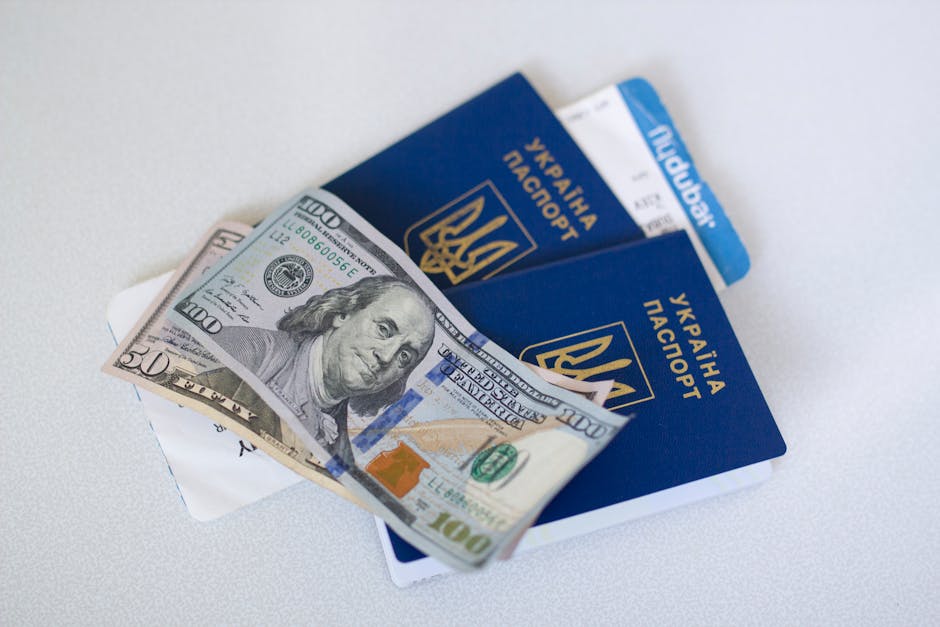
One of the most critical steps for international travel is ensuring your documents are in order. Start by checking your passport’s expiration date—many countries require it to be valid for at least six months beyond your return date. If yours is close to expiring, renew it immediately, as processing times can take several weeks.
Next, determine if you need a visa. Requirements vary widely: citizens of the U.S., Canada, and much of Europe can enter countries like Mexico or Thailand visa-free for short stays, but destinations such as India or China typically require advance applications. Apply early and follow instructions precisely—missing a single document can delay or deny your entry.
Make digital and physical copies of your passport, visa, travel insurance policy, and flight itinerary. Store them separately from the originals. Consider using a secure cloud service like Google Drive or iCloud, and email copies to a trusted friend or family member.
Get the Right Travel Insurance
Travel insurance is not optional—it’s essential. Medical emergencies abroad can cost tens of thousands of dollars, and most domestic health plans offer little to no coverage overseas. A comprehensive policy should cover medical expenses, trip cancellations, lost luggage, and emergency evacuations.
Read the fine print carefully. Some policies exclude high-risk activities like scuba diving or skiing, while others may not cover pre-existing conditions unless you purchase a waiver. Compare plans from reputable providers like World Nomads, Allianz, or SafetyWing, and choose one that matches your itinerary and risk level.
Keep your insurance details accessible during your trip. Save the emergency assistance number in your phone and carry a printed copy in your wallet.
Manage Your Money Wisely
Handling finances abroad requires strategy. Notify your bank and credit card companies of your travel dates and destinations to avoid having your cards frozen due to suspicious activity. Ask about foreign transaction fees—some cards charge 3% or more per purchase, which adds up quickly.
Consider using a no-foreign-fee credit card for purchases and a debit card with low ATM withdrawal fees for cash. Withdraw larger amounts less frequently to minimize fees, but avoid carrying excessive cash for security reasons.
Exchange a small amount of local currency before you leave for immediate expenses like transportation from the airport. Use official exchange counters or ATMs at banks rather than street vendors, which may offer poor rates or counterfeit bills.
Track your spending with a budgeting app like Trail Wallet or Splitwise, especially if traveling with others. Set a daily spending limit based on your overall budget and adjust as needed.
Pack Smart: Less Is More
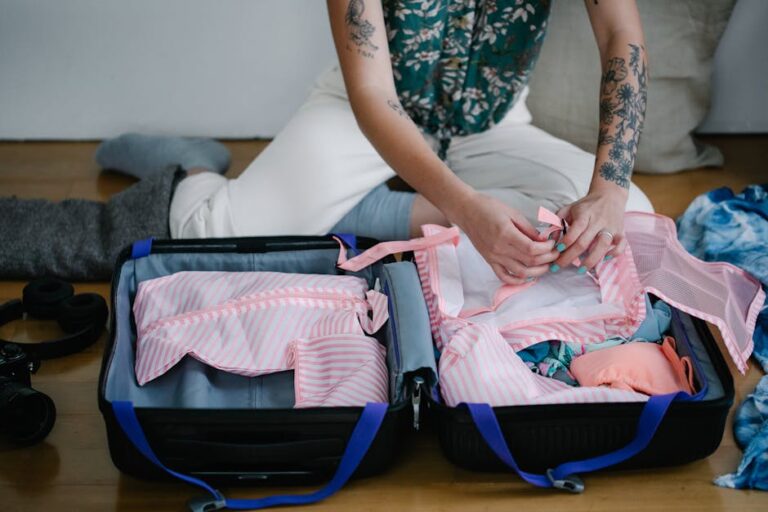
Overpacking is a common mistake among first-time international travelers. Airlines often have strict weight limits, and navigating cobblestone streets or crowded markets with a heavy suitcase is exhausting. Aim for a carry-on if possible—this saves time at baggage claim and reduces the risk of lost luggage.
Choose versatile clothing that can be layered and mixed easily. Neutral colors like black, gray, and navy work well across climates and cultures. Pack one semi-formal outfit for dinners or events, and include comfortable walking shoes—blisters can ruin a trip.
Don’t forget travel-sized toiletries, a universal power adapter, and any necessary medications in your carry-on. Keep prescription drugs in their original containers with labels, and carry a doctor’s note if you’re transporting injectables like insulin.
Avoid packing prohibited items. Check your airline and destination country’s regulations on liquids, batteries, and sharp objects. For example, lithium batteries must be carried in hand luggage, not checked bags.
Stay Connected and Safe
Staying in touch with home and accessing information while abroad is easier than ever—but requires planning. Consider purchasing an international data plan from your mobile provider or buying a local SIM card upon arrival. In many countries, SIM cards are inexpensive and can be purchased at airports or mobile shops with just your passport.
Download offline maps using Google Maps or Maps.me before your trip. These work without internet and are invaluable when navigating unfamiliar cities. Also, save important addresses and phone numbers in your phone and write them down on paper as a backup.
Share your itinerary with someone back home and check in regularly. Use messaging apps like WhatsApp or Signal, which work over Wi-Fi and are widely used internationally.
Be aware of your surroundings, especially in crowded areas or at night. Avoid displaying expensive electronics or jewelry, and keep your bag secured in front of you in busy markets or on public transport. Trust your instincts—if a situation feels off, leave.
Respect Local Culture and Customs
Cultural sensitivity enhances your travel experience and helps you connect with locals. Learn a few basic phrases in the local language—greetings like “hello,” “thank you,” and “excuse me” go a long way. Even simple efforts are appreciated and can open doors to meaningful interactions.
Dress appropriately for the region. In conservative countries like Morocco or Indonesia, covering shoulders and knees is respectful, especially in rural areas or places of worship. In contrast, beachwear is acceptable in coastal resorts but not in city centers.
Understand local dining etiquette. In France, it’s polite to greet shopkeepers before entering; in South Korea, never pour your own drink during a group meal. When in doubt, observe what locals do and follow suit.
Avoid sensitive topics like politics, religion, or local conflicts in casual conversations. Humor and gestures can also vary widely—what’s funny in one country might be offensive in another.
Prepare for Health and Hygiene
Health precautions are vital for international travel. Visit a travel clinic or your doctor 4–6 weeks before departure to discuss recommended vaccines. Depending on your destination, you may need immunizations for hepatitis A, typhoid, or yellow fever. Some countries require proof of vaccination for entry.
Pack a basic travel health kit: bandages, antiseptic wipes, pain relievers, antihistamines, and any personal medications. Include hand sanitizer and disinfectant wipes, especially if using public transportation or eating street food.
Drink bottled or filtered water in regions where tap water isn’t safe. Avoid ice in drinks and peel fruits yourself. Street food can be delicious and safe, but choose vendors with high turnover and clean preparation areas.
Stay hydrated and protect yourself from the sun. Use sunscreen, wear a hat, and seek shade during peak hours. Heat exhaustion is common in tropical climates, so take breaks and drink plenty of fluids.
Navigate Transportation Like a Pro
Getting around in a foreign country can be confusing at first, but most major cities have reliable public transit systems. Research options before you arrive: metro maps, bus routes, and ride-sharing apps like Uber or Bolt (availability varies by country).
In cities like Tokyo or London, public transportation is efficient and often cheaper than taxis. Buy day passes or rechargeable cards to save money and time. In contrast, in rural areas or developing regions, options may be limited—plan accordingly and allow extra time.
If renting a car, ensure you have an International Driving Permit (IDP) if required. Familiarize yourself with local traffic laws—driving on the left, roundabouts, or toll roads can be disorienting. Avoid driving in heavy rain, at night, or in unfamiliar areas if you’re not confident.
Always confirm taxi fares before starting the ride, or use a metered cab. In some places, unmarked taxis may overcharge tourists. Apps like Grab (Southeast Asia) or FreeNow (Europe) offer transparent pricing and safer options.
Stay Flexible and Embrace the Unexpected
Even the best-laid plans can go awry—flights get delayed, weather changes, or a favorite restaurant is closed. The key to stress-free travel is flexibility. Build buffer time into your schedule, especially between flights or major activities.
Instead of over-scheduling, focus on a few must-see experiences and leave room for spontaneity. Some of the best travel moments happen off the itinerary: a chance conversation with a local, a hidden café, or a quiet park you stumble upon.
If something goes wrong, stay calm and seek help. Most locals are willing to assist if you approach them politely. Keep a list of emergency contacts, including your country’s embassy or consulate, and know how to access local emergency services.
Remember, travel is as much about the journey as the destination. Embrace small challenges as part of the adventure, and don’t let minor setbacks overshadow the overall experience.
Final Thoughts on the Best Travel Tips for International Travel Beginners
International travel opens doors to new cultures, cuisines, and perspectives. For beginners, the key is preparation without overcomplication. Focus on the essentials: valid documents, health precautions, smart packing, and cultural awareness. With these best travel tips for international travel beginners, you’ll be equipped to handle common challenges and make the most of your journey.
Start small if needed—choose a destination with strong infrastructure and English-speaking support, like Ireland or Costa Rica. As you gain confidence, you can explore more remote or complex regions. Every trip builds experience, and each one teaches you something new.
Above all, travel with curiosity and respect. The world is vast and diverse, and your openness will shape your experience more than any checklist ever could.
FAQ
Do I need travel insurance for every international trip?
Yes, travel insurance is strongly recommended for all international trips. It protects against medical emergencies, trip cancellations, and lost belongings—costs that can be devastating without coverage.
How early should I apply for a visa?
Apply for a visa at least 4–6 weeks before your trip. Processing times vary by country, and delays are common during peak travel seasons.
Can I use my phone abroad without extra charges?
It depends on your plan. Check with your provider about international roaming fees. Alternatively, buy a local SIM card or use Wi-Fi-based apps like WhatsApp to stay connected affordably.