Best Travel Tips for Budget Friendly Travel Worldwide
Traveling the world doesn’t have to drain your bank account. With smart planning and a few proven strategies, you can explore new destinations, experience different cultures, and create lasting memories—all while staying within budget. The best travel tips for budget friendly travel worldwide focus on reducing major expenses like flights, accommodations, and daily spending without sacrificing comfort or safety. Whether you’re a solo backpacker or planning a family trip, these practical tips will help you stretch your dollars further and make international travel more accessible.
Plan Ahead: Timing Is Everything
One of the most effective ways to save money on travel is to plan early. Airfare and lodging prices fluctuate based on demand, seasonality, and how far in advance you book. For example, flights to Europe are often cheapest when booked 2–3 months ahead, while last-minute deals can occasionally work in your favor—but they’re risky and not reliable.
Use fare comparison tools like Google Flights, Skyscanner, or Momondo to track price trends and set alerts. These platforms allow you to see when prices drop for specific routes. Consider flying mid-week (Tuesday or Wednesday) instead of weekends, as data consistently shows lower average fares on these days.
Also, be flexible with your travel dates. Shifting your trip by just a few days can result in significant savings. For instance, flying out on a Sunday instead of Friday might save you $100 or more on a transatlantic flight.
Choose Affordable Destinations
Not all countries are equally expensive. Some destinations offer far more value for your money, especially when it comes to food, lodging, and activities. Southeast Asia, parts of Eastern Europe, Central America, and North Africa are known for being budget-friendly without compromising on experiences.
For example, a week in Vietnam—including flights, hostels, street food, and local tours—can cost less than $800, while a similar trip to Western Europe might easily exceed $2,000. Countries like Portugal, Georgia, and Mexico offer rich cultural experiences, beautiful landscapes, and low daily costs.
Use cost-of-living comparison sites like Numbeo or Expatistan to evaluate daily expenses in different cities. Look at average prices for meals, public transit, and short-term rentals to estimate your total trip cost.
Book Smart Accommodations
Hotels aren’t your only option. Budget travelers have a wide range of affordable lodging choices that can significantly reduce expenses.
Hostels are a popular choice, especially in Europe and Asia. Many offer private rooms in addition to dorm beds, so you don’t have to sacrifice privacy. Look for hostels with free breakfast, kitchen access, and social events—these perks add value and help you meet other travelers.
Platforms like Hostelworld and Booking.com allow you to filter by price, location, and guest ratings. Always read recent reviews to avoid unpleasant surprises.
For longer stays, consider vacation rentals through Airbnb or Vrbo. Renting an apartment often costs less than a hotel room and gives you access to a kitchen, which helps save on meals. In cities like Lisbon or Bangkok, a one-bedroom apartment can be cheaper than a mid-range hotel.
Another underrated option is house-sitting. Websites like TrustedHousesitters connect travelers with homeowners who need someone to look after their property (and sometimes pets) while they’re away. In exchange, you get free accommodation—often in desirable locations.
Save on Transportation
Getting around efficiently and affordably is key to budget travel. Avoid taxis and ride-sharing apps when possible, especially in cities with reliable public transit.
Many European cities offer multi-day transit passes that cover buses, trams, and subways. For example, a 3-day public transport pass in Berlin costs around €25 and gives unlimited access. In contrast, a single taxi ride across the city can cost more than that.
Walking and biking are not only free but also the best ways to explore a city. Many destinations now offer bike-sharing programs with low daily rates. Amsterdam, Copenhagen, and Barcelona are particularly bike-friendly.

For longer distances, consider budget airlines, trains, or buses. In Europe, companies like FlixBus and Ryanair offer extremely low fares if booked early and with minimal luggage. Always compare total costs—some “cheap” flights add high fees for baggage and seat selection.
When flying, pack light. Most budget carriers charge extra for checked bags, and even carry-ons can incur fees if they exceed size limits. A 40-liter backpack that fits under the seat is often the most cost-effective option.
Eat Like a Local
Dining out for every meal can quickly inflate your budget. Instead, eat where locals eat—street food stalls, markets, and small family-run restaurants usually offer better prices and more authentic flavors than tourist-heavy spots.
In countries like Thailand, Vietnam, or Mexico, a delicious meal from a street vendor can cost less than $3. Even in more expensive cities, local cafes and lunch specials are often half the price of dinner menus.
Cooking your own meals is another smart strategy. If your accommodation has a kitchen, shop at local markets or grocery stores. In France, buying bread, cheese, and fruit from a market is not only cheaper than a restaurant but also a cultural experience.
Avoid tourist traps near major attractions. Restaurants within a few blocks of landmarks like the Eiffel Tower or Times Square often charge inflated prices for mediocre food. Walk a few extra minutes to find better value.
Use Free and Low-Cost Activities
Entertainment doesn’t have to be expensive. Many cities offer free walking tours, museums with no admission fee on certain days, and public parks perfect for relaxing or people-watching.
Check city tourism websites for free events, festivals, and cultural performances. For example, London offers free entry to world-class museums like the British Museum and the National Gallery. In New York, many Broadway shows have discounted same-day tickets available through TKTS booths.
Nature-based activities are often free or very low cost. Hiking, swimming, and beach visits require little to no spending. National parks may charge small entrance fees, but they’re usually worth it for the scenery and experience.
Look for city tourism cards that bundle discounts on attractions, transit, and tours. While not always cost-effective, they can save money if you plan to visit multiple paid sites. For example, the Paris Museum Pass grants access to over 50 attractions for a fixed price.
Manage Your Money Wisely
Currency exchange rates and banking fees can quietly eat into your travel budget. Avoid exchanging money at airports or hotels, where rates are typically poor and fees are high.
Use a no-foreign-transaction-fee debit or credit card. Banks like Charles Schwab and Capital One offer accounts that refund ATM fees worldwide. This means you can withdraw local currency at the best available rate without extra charges.
Notify your bank before traveling to avoid having your card frozen due to suspicious activity. Carry a backup card and keep it in a separate location.
Withdraw larger amounts less frequently to minimize ATM fees, but don’t carry excessive cash. Use credit cards for larger purchases when possible, as they often offer better fraud protection and rewards.
Avoid dynamic currency conversion (DCC) at ATMs and point-of-sale terminals. Always choose to be charged in the local currency—opting for your home currency often results in a worse exchange rate.
Pack Light and Smart
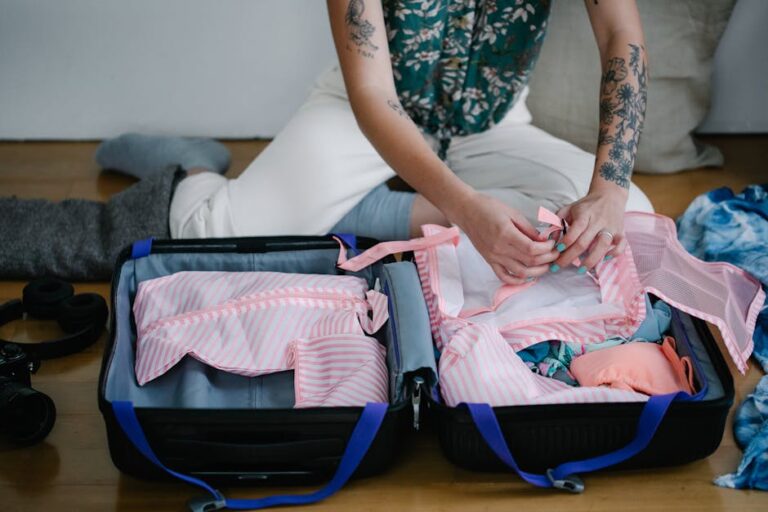
Overpacking leads to checked baggage fees and makes travel more cumbersome. A well-packed carry-on is sufficient for most trips, especially if you’re moving between destinations.
Choose versatile clothing that can be mixed and matched. Neutral colors like black, gray, and navy work well and hide dirt. Pack quick-dry fabrics that are easy to wash and dry overnight.
Bring only essential toiletries. Many hotels and hostels provide basics like shampoo and soap. For longer trips, buy refillable travel-sized containers and restock at local stores.
Don’t forget a reusable water bottle with a filter. In many countries, tap water isn’t safe to drink, but a filtered bottle lets you refill safely and avoid buying plastic bottles. This saves money and reduces waste.
Other useful items include a universal power adapter, a compact daypack, and a money belt for securing cash and cards.
Stay Connected Without Breaking the Bank
International roaming charges can be shockingly high. Instead of paying your home carrier for data abroad, consider local SIM cards or eSIMs.
In most countries, you can buy a prepaid SIM at the airport or a local shop for $10–$20, including data and calls. For example, in India, a 1.5GB daily data plan costs around $15 for 28 days. In the UK, EE and Vodafone offer affordable tourist SIMs.
eSIMs are a newer option that allow you to download a data plan without a physical SIM. Services like Airalo and Holafly offer regional and global plans compatible with many smartphones.
If you don’t need constant connectivity, rely on free Wi-Fi in cafes, libraries, and accommodations. Just avoid accessing sensitive information (like banking) on public networks.
Travel Off-Peak When Possible
Peak travel seasons—summer, holidays, and school breaks—drive up prices across the board. Traveling during the shoulder or off-season can result in lower airfares, cheaper accommodations, and fewer crowds.
For example, visiting Japan in late autumn (November) offers beautiful fall foliage and lower prices than cherry blossom season in April. Similarly, Greece is more affordable and less crowded in May or September than in July and August.
Off-peak travel also means better availability and more personalized service. You’re more likely to interact with locals and experience a destination authentically when it’s not overrun with tourists.
Just be aware of weather conditions. Some regions have rainy or cold seasons that may limit outdoor activities. Research the climate and local events before finalizing your dates.
Use Travel Rewards and Loyalty Programs
Even on a budget, you can leverage credit card points, airline miles, and hotel rewards to reduce costs. Sign up for frequent flyer programs and use a travel rewards credit card for everyday purchases.
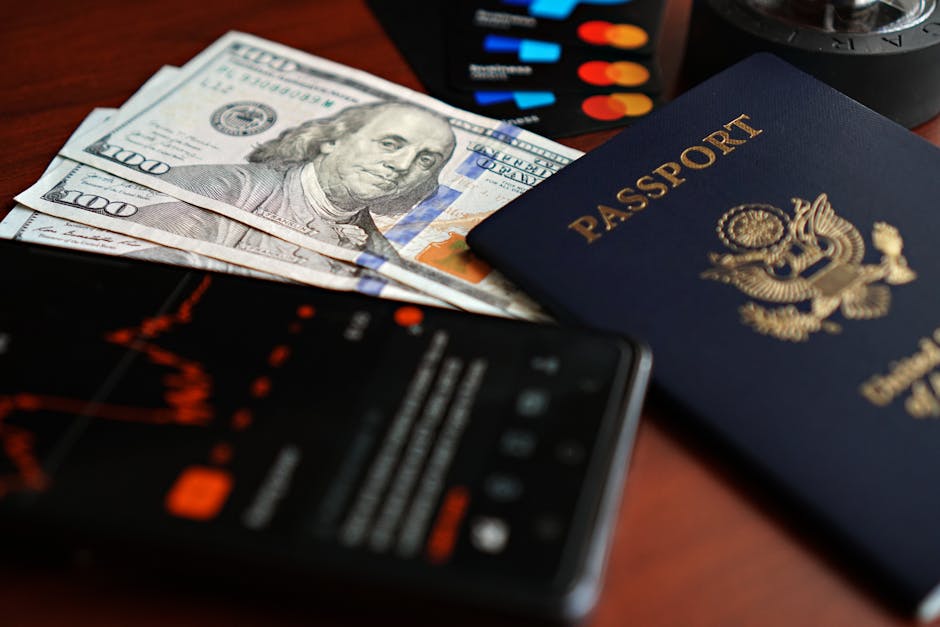
Many cards offer sign-up bonuses that can cover a flight or several nights of lodging. For example, the Chase Sapphire Preferred card offers 60,000 points after spending $4,000 in the first three months—enough for a round-trip domestic flight.
Use points strategically. Transferring points to airline partners can yield higher value than redeeming them for cash back. Always compare redemption options to maximize savings.
Join hotel loyalty programs even if you don’t stay with them often. Many chains offer free nights after a certain number of stays, and elite status can include perks like free breakfast and room upgrades.
Stay Safe and Avoid Scams
Budget travel doesn’t mean compromising safety. In fact, being cautious with your money often goes hand-in-hand with being aware of your surroundings.
Research common scams in your destination. In tourist areas, be wary of overly friendly strangers offering unsolicited help, fake petitions, or rigged games. Always verify taxi meters and agree on fares in advance in countries where haggling is common.
Keep digital copies of important documents (passport, visa, insurance) in cloud storage. Use a money belt or hidden pouch for cash and cards, and avoid flashing valuables in public.
Travel insurance is a smart investment, especially for longer trips. It can cover medical emergencies, trip cancellations, and lost luggage. Compare policies on sites like Squaremouth or InsureMyTrip to find affordable coverage.
Final Thoughts: Travel Smart, Not Cheap
The goal of budget travel isn’t to spend as little as possible—it’s to make thoughtful choices that allow you to travel longer and more meaningfully. By prioritizing experiences over luxury, you’ll often find that the most memorable moments cost little or nothing.
The best travel tips for budget friendly travel worldwide emphasize preparation, flexibility, and local knowledge. With the right approach, you can explore the globe without financial stress.
FAQ
How far in advance should I book flights for the best prices?
For international flights, booking 2–3 months in advance typically yields the best prices. Use fare tracking tools to monitor trends and set alerts for price drops.
Is it safe to use street food while traveling?
Yes, in most cases. Choose busy stalls with high turnover, as this indicates fresh food. Avoid raw vegetables and unpeeled fruits if you’re unsure about water quality.
Can I really travel the world on a tight budget?
Absolutely. With careful planning, choosing affordable destinations, and using budget accommodations and transport, many travelers explore multiple countries for under $50 per day.