Best Nature Travel Experiences for Outdoor Enthusiasts
For outdoor enthusiasts seeking adventure, solitude, and awe-inspiring landscapes, the world offers countless nature travel experiences that go beyond typical tourist trails. Whether you’re drawn to mountain peaks, dense forests, remote coastlines, or vast deserts, the best nature travel experiences combine physical challenge with deep connection to the natural world. From multi-day treks to wildlife encounters and sustainable eco-lodges, these journeys reward preparation, respect for the environment, and a willingness to embrace the unexpected. This guide highlights top destinations and practical advice to help you choose and prepare for an unforgettable outdoor adventure—safely and responsibly.
Why Nature Travel Matters for Outdoor Enthusiasts
Nature travel isn’t just about scenery—it’s about immersion. Unlike passive sightseeing, outdoor adventures engage all the senses: the crunch of gravel underfoot, the scent of pine after rain, the chill of mountain air at dawn. For many, these experiences foster mental clarity, physical resilience, and a renewed sense of purpose. Studies consistently link time in nature to reduced stress, improved mood, and enhanced creativity. But beyond personal benefits, responsible nature travel supports conservation efforts, local economies, and cultural preservation.
Outdoor enthusiasts often seek more than a photo opportunity. They want to test their limits, learn new skills, and witness ecosystems in their raw, unedited form. Whether it’s navigating a river canyon, tracking wildlife at sunrise, or sleeping under a canopy of stars, these moments create lasting memories and deepen one’s relationship with the planet.
Top Nature Travel Experiences Around the World
The best nature travel experiences vary by interest, fitness level, and season. Below are standout destinations that offer diverse landscapes, rich biodiversity, and opportunities for meaningful outdoor engagement.
1. Trekking in Patagonia, Chile and Argentina
Patagonia’s rugged terrain—spanning glaciers, jagged peaks, and windswept plains—makes it a magnet for hikers and climbers. The Torres del Paine W Trek in Chile is a classic 5–7 day route that traverses valleys, glacial lakes, and the iconic granite towers. In Argentina, the Fitz Roy Trek near El Chaltén offers equally dramatic views with fewer crowds.
Best time to visit: November to March (austral summer). Pack layers, waterproof gear, and a reliable tent—weather changes rapidly. Permits are required for some trails, so book in advance.
2. Wildlife Safaris in Botswana’s Okavango Delta
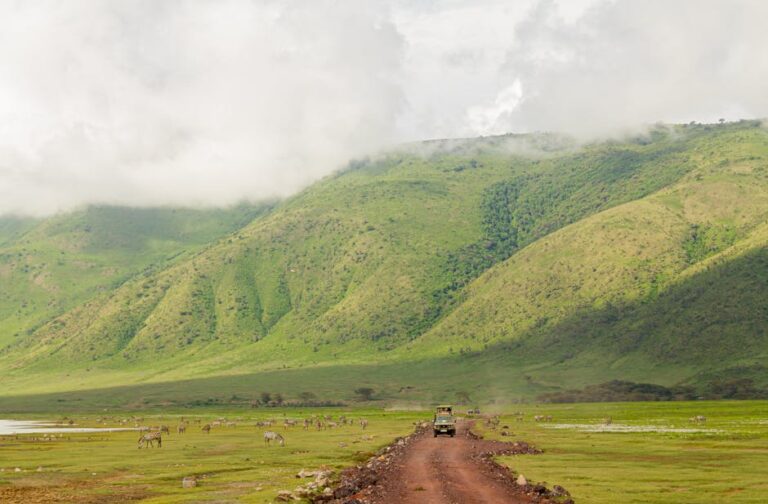
For those drawn to animal encounters, the Okavango Delta offers one of Africa’s most pristine wetland ecosystems. Guided mokoro (dugout canoe) excursions allow quiet observation of elephants, hippos, and rare birds like the African fish eagle. Walking safaris with armed guides provide intimate, ground-level perspectives.
Stay in eco-camps that limit guest numbers and use solar power. Avoid visiting during peak flood season (June–August) if mobility is a concern—some areas become inaccessible.
3. Kayaking the Fjords of Norway
Norway’s fjords—carved by ancient glaciers—offer serene paddling amid steep cliffs and cascading waterfalls. The Nærøyfjord, a UNESCO World Heritage Site, is narrow and dramatic, ideal for day trips or multi-day expeditions. Combine kayaking with hiking the nearby Aurlandsdalen Valley for a full immersion.
Rent gear locally or bring your own. Always check tidal conditions and wear a drysuit—water temperatures rarely exceed 10°C (50°F), even in summer.
4. Backpacking in the Canadian Rockies
Canada’s Banff and Jasper National Parks feature well-maintained trails, alpine meadows, and glacial lakes. The Skyline Trail in Jasper is a 44-kilometer route with panoramic views and frequent wildlife sightings, including grizzly bears and mountain goats.
Permits are essential for backcountry camping. Carry bear spray, store food properly, and hike in groups. Late summer (August) offers the most stable weather.
5. Island Hopping in Palawan, Philippines
Palawan’s limestone cliffs, turquoise lagoons, and coral reefs make it a paradise for snorkelers and divers. Explore the El Nido archipelago by boat, camp on remote beaches, or dive the Tubbataha Reefs Natural Park—a UNESCO site with over 600 fish species.
Respect marine protected areas: no anchoring on coral, use reef-safe sunscreen, and avoid touching wildlife. Travel between islands requires local boats; plan logistics ahead.
6. Desert Camping in Wadi Rum, Jordan
Known as the “Valley of the Moon,” Wadi Rum’s red sandstone formations and vast dunes evoke otherworldly landscapes. Stay in a Bedouin camp, hike to ancient rock carvings, or take a 4×4 tour at sunset.
Night temperatures can drop sharply. Bring warm clothing, a quality sleeping bag, and plenty of water. Guided tours are recommended for safety and cultural insight.
How to Choose the Right Nature Travel Experience
With so many options, selecting the right adventure requires honest self-assessment and research. Consider the following factors:
- Fitness level: Multi-day treks demand endurance. Choose shorter, guided options if you’re new to backpacking.
- Season and weather: Research regional climates. Monsoon seasons, snowmelt, or extreme heat can affect trail conditions.
- Permits and regulations: Many protected areas require advance booking. Ignoring rules can result in fines or denied entry.
- Local guides vs. solo travel: Guides enhance safety and cultural understanding, especially in remote or politically sensitive regions.
- Sustainability: Prioritize operators with eco-certifications, low-impact practices, and community partnerships.
Start small if you’re new to nature travel. A weekend camping trip in a national park can build confidence before tackling international expeditions.
Essential Gear and Preparation Tips
Proper preparation separates a rewarding trip from a dangerous one. While gear needs vary by destination, these essentials apply to most outdoor adventures:
| Category | Essential Items | Notes |
|---|---|---|
| Shelter | Tent, sleeping bag, sleeping pad | Choose gear rated for expected temperatures. |
| Clothing | Moisture-wicking base layers, insulating mid-layers, waterproof shell | Pack extra socks and avoid cotton. |
| Navigation | Map, compass, GPS device | Don’t rely solely on smartphone apps. |
| Safety | First-aid kit, headlamp, whistle, fire starter | Customize kit based on group size and trip length. |
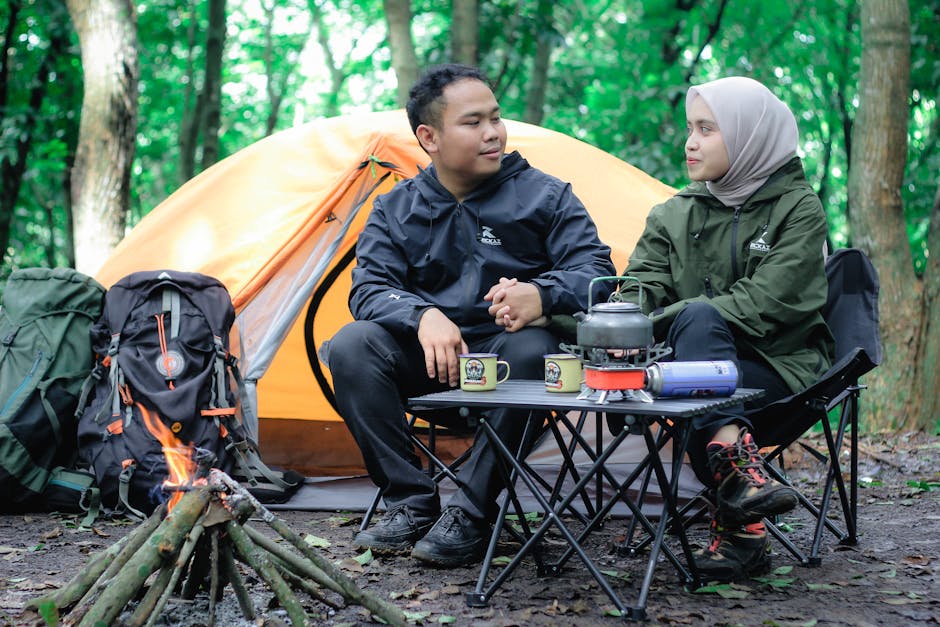
| Food & Water | Lightweight stove, water filter, high-energy snacks | Plan for 2–3 liters of water per person daily. |
Test all gear before departure. Practice setting up your tent, using your stove, and filtering water. Share your itinerary with someone at home, including expected return date and emergency contacts.
Safety and Environmental Responsibility
Outdoor adventures carry inherent risks. Weather shifts, wildlife encounters, and injuries can escalate quickly in remote areas. Follow these safety principles:
- Check weather forecasts daily. Postpone trips if storms are predicted.
- Know basic first aid. Take a wilderness first responder course if planning extended trips.
- Respect wildlife. Observe from a distance, never feed animals, and store food securely.
- Leave no trace. Pack out all trash, bury human waste 15–20 cm deep and 60+ meters from water, and avoid disturbing plants or rocks.
- Support local communities. Hire local guides, buy regional products, and follow cultural norms.
Climate change is altering ecosystems worldwide. Choose destinations mindfully—some glaciers and coral reefs may not exist in a decade. Offset your travel emissions when possible and advocate for conservation.
Making the Most of Your Nature Travel Experience
Beyond logistics, the quality of your experience depends on mindset. Slow down. Instead of rushing to the next viewpoint, spend time journaling, sketching, or simply sitting quietly. Engage your senses: listen to bird calls, feel the texture of bark, taste wild berries (only if safely identified).
Photography can enhance appreciation, but don’t let the camera dominate. Put it away during key moments—sunrise over a ridge, a bear crossing a river. Some of the most powerful memories are felt, not framed.
Finally, reflect on your impact. Did your trip support local conservation? Did you leave the area as you found it? The best nature travel experiences aren’t just about what you gain—they’re about what you give back.
Frequently Asked Questions
What should I do if I encounter wildlife during a hike?
Stay calm, make yourself appear larger, and back away slowly. Never run. For bears, speak firmly and use bear spray if charged. For smaller animals, give them space and avoid eye contact.
How can I travel sustainably in nature destinations?
Choose eco-certified accommodations, minimize plastic use, support local guides, and follow Leave No Trace principles. Avoid single-use items and offset your carbon footprint when flying.
Is it safe to travel alone in remote natural areas?
Solo travel increases risk. If you go alone, share your plans, carry a satellite communicator, and stick to well-marked trails. Consider joining a group or hiring a guide for added safety.
Conclusion
The best nature travel experiences for outdoor enthusiasts balance adventure with awareness, challenge with care. Whether you’re summiting a peak, paddling through silence, or sleeping under desert stars, these journeys remind us of the planet’s beauty and fragility. With thoughtful planning, proper gear, and respect for nature and local cultures, your next outdoor adventure can be both transformative and sustainable. Start where you are, prepare well, and let the wild guide you.