Best American Foods to Try While Traveling the USA
Traveling across the United States offers more than scenic landscapes and vibrant cities—it’s a culinary adventure. From coast to coast, regional specialties reflect the country’s diverse cultural influences and local ingredients. Whether you’re exploring New England clam shacks or Southern barbecue joints, American cuisine is best experienced through its iconic dishes. This guide highlights must-try foods that define the U.S. food scene, helping you eat like a local no matter where your journey takes you.
Why American Food Is Worth Exploring
American cuisine is often misunderstood as fast food and processed snacks, but the reality is far richer. Each region boasts distinct flavors shaped by history, immigration, and geography. Think of Louisiana’s Creole gumbo, Texas brisket, or Midwest cornbread—each tells a story. These dishes aren’t just meals; they’re cultural artifacts. Trying them offers insight into local traditions and community values. For travelers, food becomes a gateway to deeper connection and authentic experience.
Beyond taste, American food culture emphasizes comfort, generosity, and innovation. Diners, food trucks, and family-run diners serve as community hubs. Even chain restaurants often adapt menus to reflect regional tastes. This blend of tradition and adaptation makes the U.S. a dynamic destination for food lovers.
Regional Specialties You Can’t Miss
The U.S. is too large for a one-size-fits-all food list. Instead, focus on regional specialties that highlight local ingredients and heritage. These dishes are deeply rooted in place and often unavailable—or less authentic—elsewhere.
Northeast: New England Clam Chowder and Philly Cheesesteaks
Start in the Northeast, where coastal and urban flavors dominate. In Boston and surrounding areas, New England clam chowder is a creamy, comforting staple. Made with clams, potatoes, onions, and heavy cream, it’s best served in a bread bowl at seaside diners. Avoid Manhattan-style white chowder if you want the real deal.
Head south to Philadelphia for the iconic cheesesteak. Thinly sliced ribeye, melted cheese (usually Cheez Whiz, provolone, or American), and grilled onions on a hoagie roll define this sandwich. Pat’s and Geno’s are legendary, but local favorites often offer better value and authenticity.
South: Barbecue, Gumbo, and Key Lime Pie
The South is a barbecue battleground, with styles varying by state. In Texas, beef brisket smoked over oak is king. North Carolina favors pulled pork with tangy vinegar-based sauce. Tennessee’s Memphis style features dry-rub ribs or wet, saucy versions. Each region takes pride in its method, so try multiple styles to compare.
In Louisiana, gumbo is a must. This thick stew blends French, African, and Native American influences. Dark roux, the “holy trinity” of onions, celery, and bell peppers, and proteins like shrimp, chicken, or andouille sausage create complex layers of flavor. Serve it over rice for a complete meal.
Don’t leave Florida without trying key lime pie. Made with condensed milk, egg yolks, and the juice of tiny Key limes, this tart dessert is refreshingly light. The graham cracker crust and whipped cream topping balance the sharp citrus. Authentic versions are rarely overly sweet.
Midwest: Deep-Dish Pizza and Cincinnati Chili
Chicago’s deep-dish pizza is a hearty, casserole-like dish with a thick crust, chunky tomato sauce, and generous cheese. It’s not traditional Italian pizza—it’s uniquely American. Allow 45 minutes to an hour for baking, and eat with a fork. Lou Malnati’s and Giordano’s are popular, but smaller pizzerias often deliver better quality.
Cincinnati chili is another Midwest oddity. Served over spaghetti and topped with cheese, onions, and beans (known as “three-way”), it’s sweet, spicy, and unlike any other chili. Skyline Chili and Gold Star are the main chains, but local diners offer homemade versions with deeper flavor.
West Coast: Fish Tacos and California Burritos
California’s coastal influence shines in its seafood. Fish tacos—crispy or grilled white fish in a corn tortilla with cabbage slaw and creamy sauce—are a staple in San Diego and Los Angeles. Look for food trucks near the beach for the freshest versions.
The California burrito, also from San Diego, packs carne asada, French fries, cheese, and sour cream into a flour tortilla. It’s indulgent and filling, perfect after a day at the beach. Lucha Libre and Tacos El Gordo are local favorites.
Southwest: Green Chile Stew and Navajo Fry Bread

New Mexico’s cuisine revolves around green and red chiles. Green chile stew combines roasted green chiles, pork, potatoes, and tomatoes into a smoky, spicy dish. It’s often served with warm tortillas or sopapillas. Hatch, NM, is the chile capital—visit during harvest season for peak flavor.
Navajo fry bread, a symbol of resilience, is a puffy, deep-fried dough. Traditionally eaten with honey or powdered sugar, it’s also used as a base for Indian tacos—topped with beans, meat, lettuce, and cheese. Found at powwows and roadside stands, it’s a cultural experience as much as a snack.
Classic American Comfort Foods
Beyond regional dishes, certain foods define American comfort eating. These are widely available but best enjoyed where they originated or are most celebrated.
Burgers and Hot Dogs
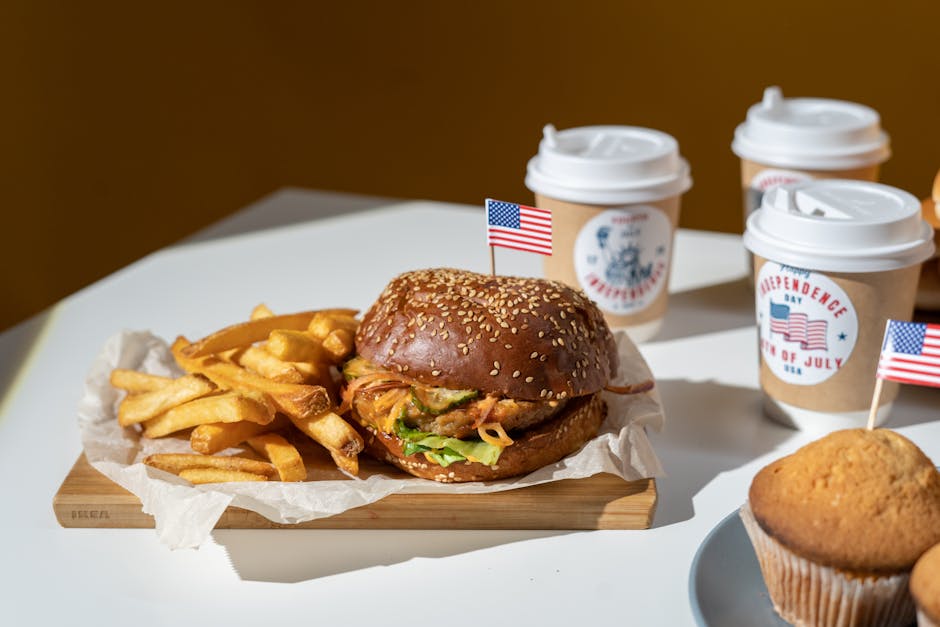
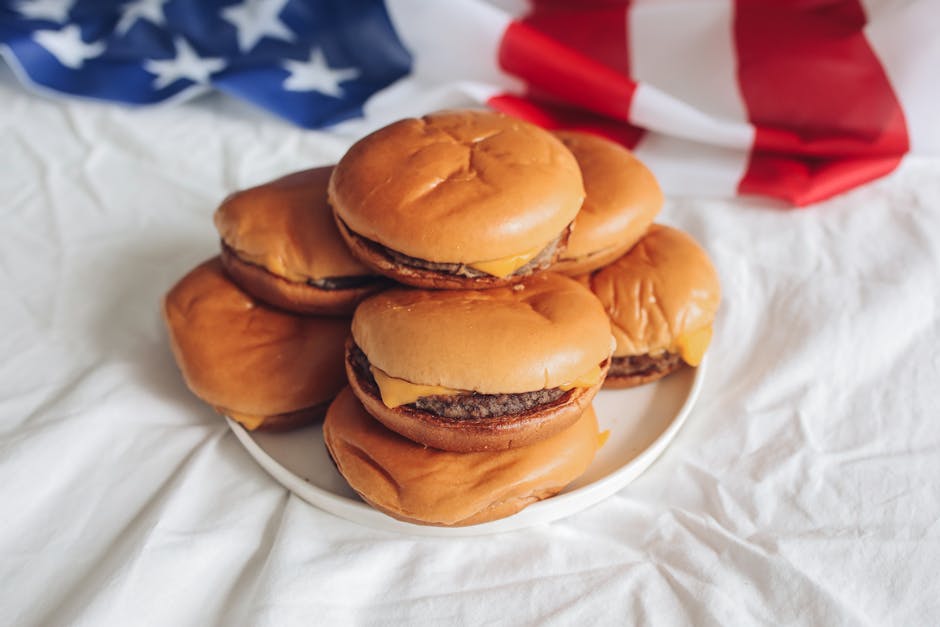
The American burger is a simple yet perfected dish. A grilled beef patty, cheese, lettuce, tomato, onion, pickles, and special sauce on a sesame seed bun—customization is key. In-N-Out on the West Coast and Shake Shack on the East are famous, but local burger joints often offer better quality and creativity.
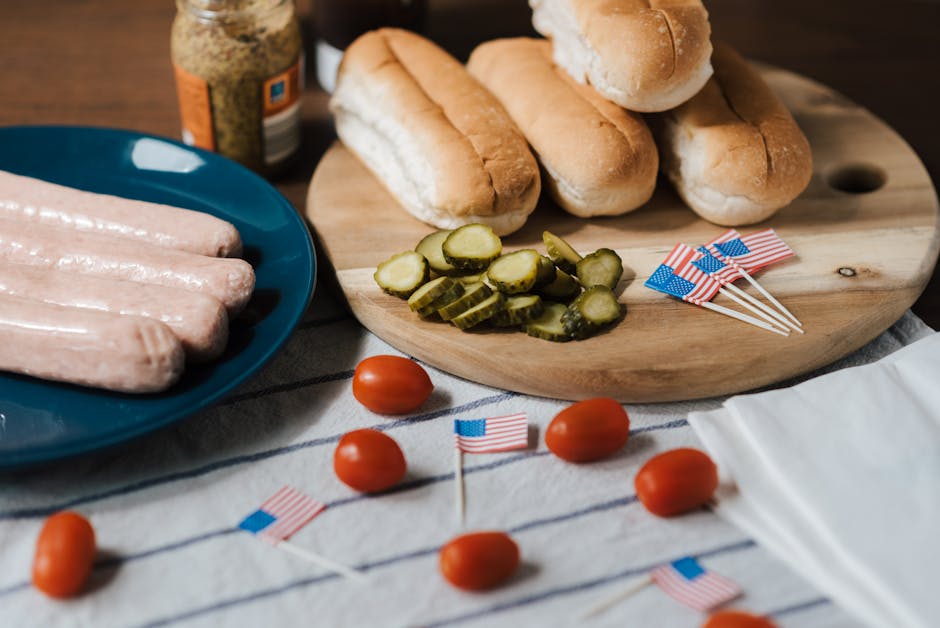
Hot dogs vary by city. New Yorkers prefer all-beef dogs with mustard and sauerkraut. Chicago-style includes yellow mustard, relish, onions, tomato, pickle, peppers, and celery salt—never ketchup. Coney Island dogs in Detroit come with chili and onions. Try them at street carts for authenticity.
Fried Chicken and Waffles
Fried chicken is a Southern staple, but its popularity spans the nation. Crispy, juicy, and seasoned with herbs and spices, it’s best when made fresh. Nashville hot chicken—coated in spicy cayenne paste—adds a fiery twist. Hattie B’s and Prince’s are top spots.
Waffles, especially when paired with fried chicken, offer sweet and savory contrast. The combination likely originated in the South but gained fame in Harlem diners. The crisp waffle soaks up syrup and complements the salty chicken. Try it at Roscoe’s House of Chicken and Waffles in LA or local brunch spots.
Mac and Cheese
Mac and cheese is the ultimate comfort food. While boxed versions are common, homemade or restaurant-style dishes use sharp cheddar, Gruyère, or smoked gouda for depth. Baked versions with a crispy topping are especially satisfying. Found in diners and Southern restaurants, it’s a side that often steals the show.
Sweet Treats and Desserts
American desserts are rich, indulgent, and deeply nostalgic. Many have humble origins but have become cultural icons.
Apple Pie
Often called “as American as apple pie,” this dessert is a symbol of home and tradition. Made with tart apples, cinnamon, and a flaky crust, it’s best served warm with vanilla ice cream. While available nationwide, farm stands in New England and the Midwest offer the freshest versions.
Cheesecake
New York-style cheesecake is dense, creamy, and rich. Made with cream cheese, eggs, and sugar, it’s typically plain or topped with fruit. Junior’s in Brooklyn is a classic spot, but many diners and bakeries serve excellent versions. Avoid overly sweet or gelatin-heavy imitations.
Peanut Butter Cookies and Whoopie Pies
Peanut butter cookies, with their crisscross fork pattern, are a childhood favorite. Soft and slightly salty, they’re easy to find in bakeries and supermarkets. Whoopie pies—two soft cake-like cookies with creamy filling—originated in the Northeast and Pennsylvania Dutch country. Flavors range from chocolate to pumpkin.
Street Food and Snacks to Sample
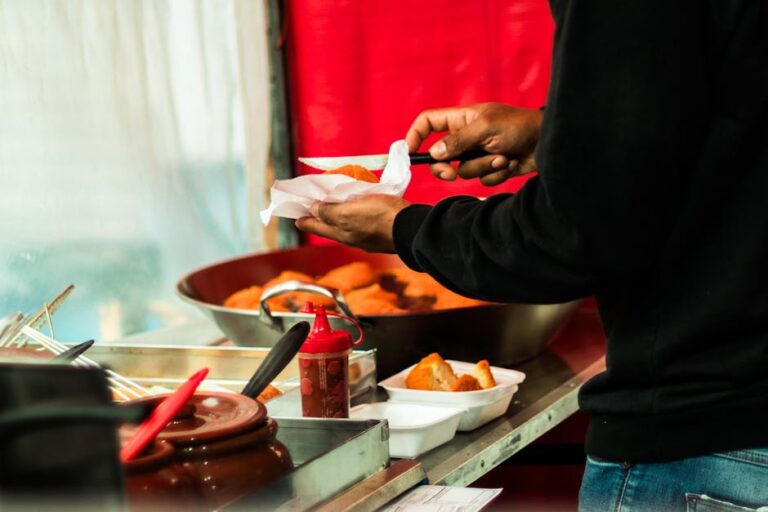
American street food is diverse and accessible. Food trucks and carts offer quick, flavorful bites that reflect local tastes.
Corn Dogs and Pretzels
Corn dogs—battered and fried hot dogs on a stick—are a fairground classic. Found at carnivals and boardwalks, they’re best eaten fresh and hot. Soft pretzels, especially in Philadelphia and New York, are salty, chewy, and perfect with mustard. Pretzel carts are common in urban centers.
Beignets
In New Orleans, beignets are a must. These square, deep-fried doughnuts are dusted generously with powdered sugar. Café du Monde is the most famous spot, open 24 hours. Eat them while walking through the French Quarter for the full experience.
Poutine (American Style)
While poutine is Canadian, American versions have gained popularity, especially in the Northeast and Midwest. Fries topped with cheese curds and brown gravy are rich and satisfying. Some variations include pulled pork or bacon. Found in diners and gastropubs, it’s a hearty snack.
Drinks That Define American Culture
Beverages are part of the food experience. American drinks range from classic sodas to regional specialties.
Root Beer and Craft Sodas
Root beer, with its herbal, vanilla-forward flavor, is a nostalgic favorite. A&W and Barq’s are well-known brands, but craft versions from small breweries offer unique twists. Try it float-style with vanilla ice cream.
Sweet Tea
In the South, sweet tea is a daily ritual. Brewed strong and loaded with sugar, it’s served ice-cold. Unlike iced tea elsewhere, it’s sweetened while hot for full dissolution. A glass on a porch in Georgia or Alabama is a cultural experience.
Craft Beer and Bourbon
The U.S. has a thriving craft beer scene, with breweries in nearly every state. IPAs, stouts, and sours reflect local ingredients and innovation. In Kentucky, bourbon is king. Distillery tours offer tastings and history. Sip it neat or in a classic Old Fashioned.
Tips for Eating Like a Local
To get the most out of your culinary journey, follow these practical tips.
Research regional specialties before you travel. Food blogs, local tourism sites, and apps like Yelp or Google Maps can highlight top spots. Avoid tourist traps by looking for places crowded with locals.
Visit farmers’ markets and food halls. These spaces showcase local producers and diverse cuisines. Pike Place Market in Seattle and Chelsea Market in NYC are iconic, but smaller markets offer more authentic interactions.
Don’t be afraid to try food trucks. They often serve innovative, high-quality meals at lower prices than restaurants. Look for long lines—they’re usually a good sign.
Ask locals for recommendations. Hotel staff, taxi drivers, and shopkeepers often know hidden gems. A simple “What’s your favorite place to eat?” can lead to unforgettable meals.
Be mindful of portion sizes. American servings are often large. Consider sharing dishes or taking leftovers to go. Many restaurants offer “doggy bags” without hesitation.
Common Mistakes to Avoid
Even seasoned travelers can make food-related missteps. Avoid these common pitfalls.
Assuming all American food is the same. Regional differences are significant. What’s popular in California may not exist in Maine. Research and adapt your expectations.
Overlooking breakfast. American breakfasts are hearty and varied. Pancakes, biscuits and gravy, and breakfast burritos are worth trying. Many diners serve all-day breakfast.
Ignoring dietary customs. Tipping is expected in restaurants—typically 15–20% of the bill. Service charges are rare, so always check your receipt.
Eating only at chains. While convenient, national chains often lack regional character. Prioritize independent restaurants for authentic flavors.
Final Thoughts
The best American foods to try while traveling the USA are those that reflect local culture and history. From smoky Texas brisket to creamy New England chowder, each dish offers a taste of place. By exploring regional specialties, comfort classics, and street food, you’ll gain a richer understanding of the country. Food is more than sustenance—it’s a way to connect with people and places. So step into that roadside diner, order the local favorite, and savor the experience.
FAQ
What is the most iconic American food?
There’s no single most iconic dish, but hamburgers, apple pie, and fried chicken are among the most recognized. Each represents different aspects of American culture—convenience, tradition, and comfort.
Where can I find authentic regional American food?
Look for family-owned restaurants, food trucks, and local diners in the region where the dish originates. Avoid tourist-heavy areas and chain restaurants for the most authentic experience.
Are American portion sizes really that big?
Yes, portions in the U.S. are generally larger than in many other countries. It’s common to share meals or take leftovers home. Don’t feel pressured to finish everything.