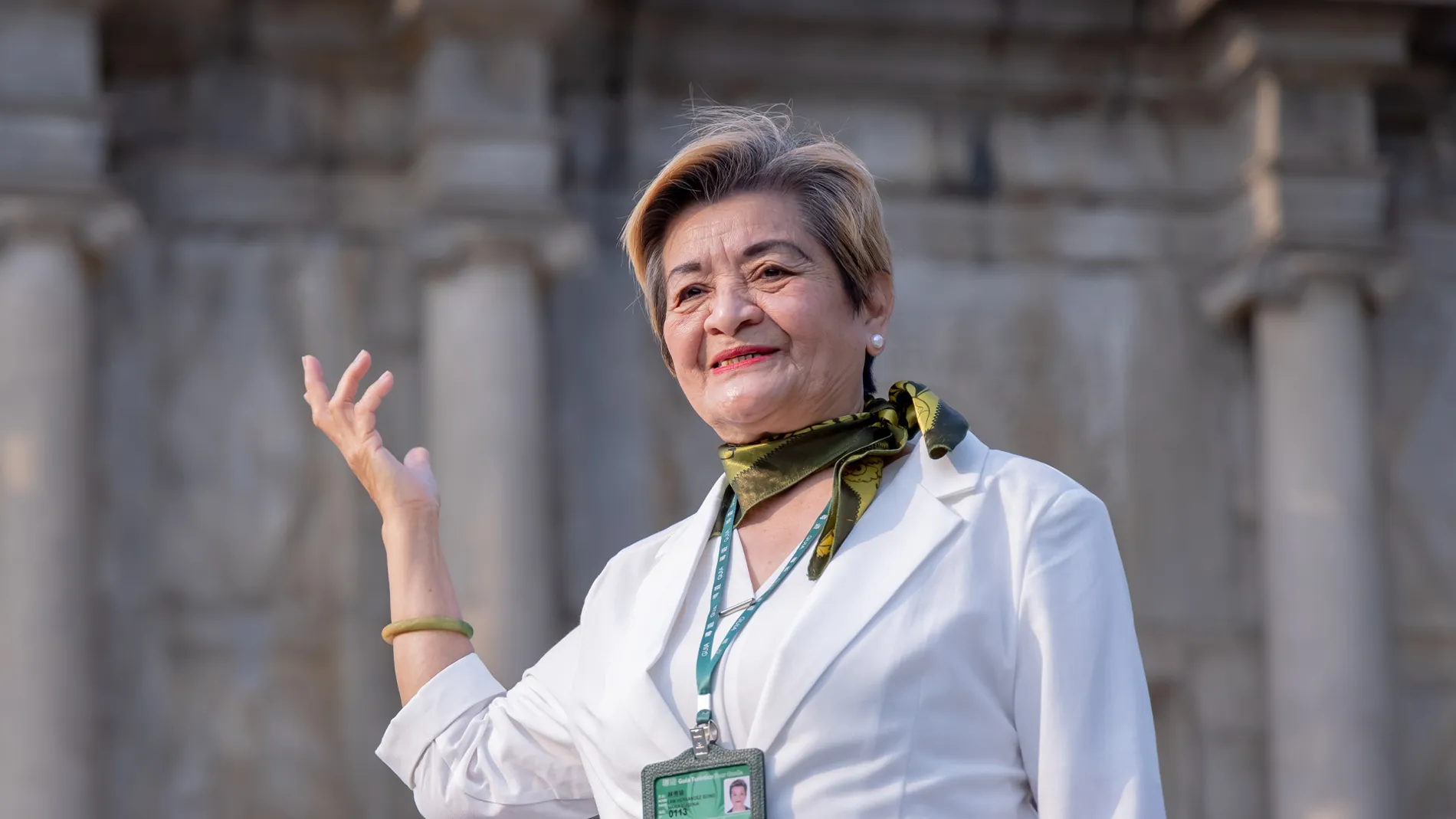

Tomorrow, 14th October, Travel Daily Media (TDM) is set to honour Asia’s most prominent female travel and tourism professionals via the 2026 run of the annual Inspiring Women in Travel Asia (IWTA) Awards.
Set to be held at the Conrad Bangkok, the IWTA Awards seek to honour the women who have served as innovators, disruptors, and industry leaders driving excellence across the continent.
This year’s awards also prompts a particular question: at this point in time, how prominent have women become throughout the global travel and tourism sectors?
Women in the industrial workforce
If we are to go by a June 2026 report from the Southeast Asia Research Academy (SEARA), the engagement of women in tourism in the region requires significant attention, particularly in measures for their empowerment in the workplace.
Research from the Asian Development Bank (ADB) puts the number of women in travel and tourism as around 52 percent of the total workforce within Asia, many of whom are entrepreneurs spearheading micro-, small and medium-sized enterprises (MSMEs) that have led to the generation of employment for host communities and driving local development.
The same report has also pointed out that women make up around or even more than 60 percent of the tourism workforce in nations like Cambodia, but more commonly in Central Asian nations like Kyrgyzstan and Tajikistan.
In these locations, women’s contribution to community development via tourism stems from initiatives which highlight local culture and attractions.
At the same time, female tourism professionals in Asia, specifically those in directorial or C-suite roles, are working to bring responsible travel to the fore.
Indeed, tourism initiatives led or driven by women are shifting travel from the conventional consume-and-click mindset that revolves around conventional touring.
Instead, such measures veer towards a more immersive approach that helps revitalise rural economies, protect fragile ecosystems throughout the continent, and fund the economic independence of women through viable and sustainable tourism revenues.
Not enough women in the lead
Back in April, we highlighted how less than 20 percent of C-suite roles in travel and tourism, as well as 25 percent of senior management positions are held by women.
At the time, then-president and CEO of the World Travel & Tourism Council Julia Simpson was moved to say: “It is proven that companies that have 50 percent women in their leadership make more money. This makes even more sense in travel and tourism where women make the buying decisions on where to go on holiday. It also makes good sense to employ women in senior roles; why would you exclude access to 50 percent of global talent?”
But this could be changing, especially as the expanded UN Tourism Centre Stage programme is working to implement gender-responsive budgeting, specialised training, and clearer pathways to executive roles for women in industry.
Centre Stage and similar regional initiatives are working to ensure equality in ownership, strategy, and corporate power rather than just front-of-house visibility.
Once these gain headway, we are certain to see more women taking the helm in a highly dynamic industry.