

Asia’s tourism landscape is experiencing a dynamic evolution, yet destination marketing organisations (DMOs) and travel brands across the region continue to fall into familiar strategic traps.
Navigating Asia requires a nuanced understanding of its vast cultural diversity, distinct digital ecosystems, and varying levels of infrastructural maturity; however, treating this vibrant territory as a uniform market remains a critical error.
To thrive in an increasingly competitive global market, destination marketers must abandon outdated tactics and avoid five ubiquitous missteps.
Homogenising the Asian traveller
Grouping Asian consumers into a single demographic severely undermines campaign efficacy.
The motivations, purchasing power, and travel preferences of a Japanese holidaymaker differ drastically from those of a traveller from India or Indonesia.
Marketers must move beyond simple translation and invest in true localisation, constructing sub-regional personas.
East Asian markets often respond to structured, quality-focused itineraries, whilst South Asian travellers frequently lean towards multi-generational leisure trips.
Over-reliance on legacy digital channels
Across East and Southeast Asia, the consumer journey bypasses desktop browsers and traditional email marketing entirely.
Destinations relying on conventional platforms risk becoming completely invisible to mobile-first consumers who will more likely visit places that appear in their social feed.
With that said, successful strategy demands shifting focus to mobile-native ecosystems such as WeChat, Xiaohongshu, and Douyin, or to more globally-used social media like X and the Meta suite of apps.
Crucially, booking engines must integrate local digital wallets including Alipay, GrabPay, and UPI to offer the frictionless, one-click checkouts modern travellers expect.
Still measuring volume over value
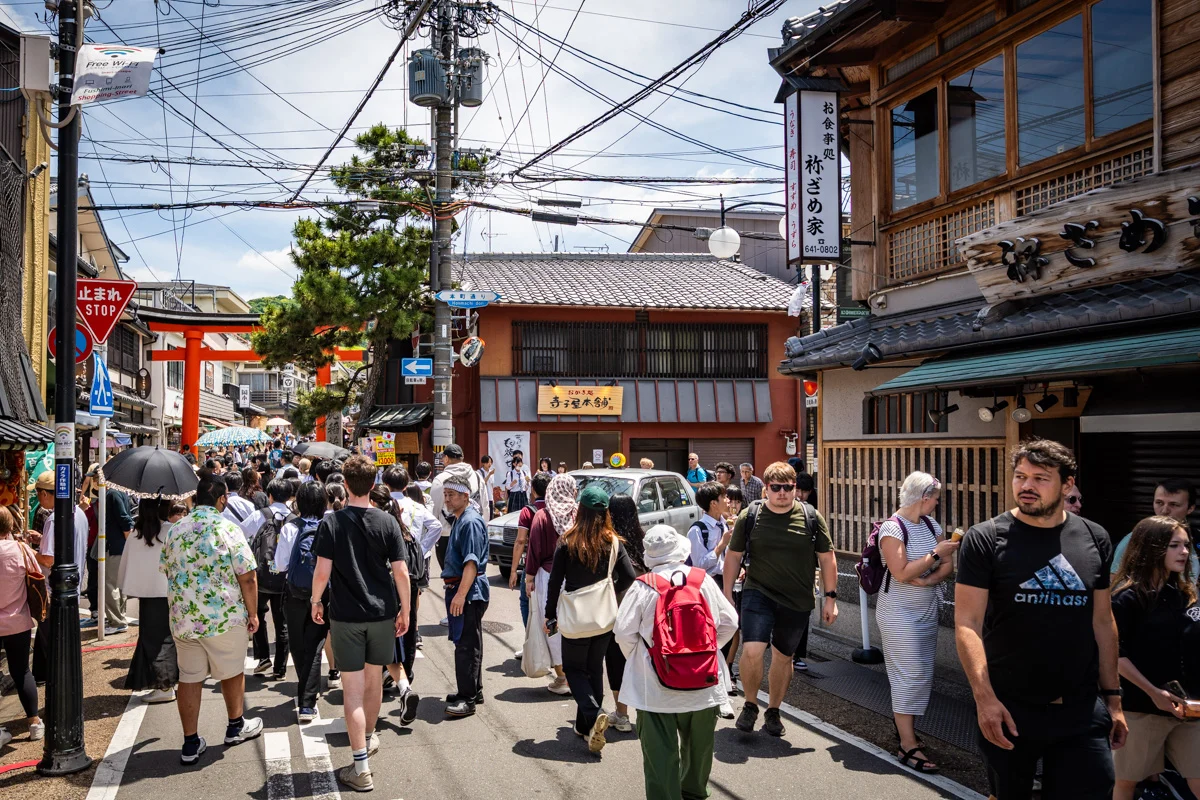
Measuring success purely by arrival figures has triggered severe overtourism crises, degrading local quality of life and provoking community backlash.
In recent years, this has been seen in stricter measures for tourists in Kyoto’s historic districts or the visual barriers erected around Mount Fuji.
Forward-thinking DMOs are re-orienting strategies away from sheer volume towards sustainability.
At the same time, promoting secondary destinations, off-season travel, as well as immersive experiences spreads economic benefits while protecting cultural landmarks.
Over-reliance on cultural tropes and stereotypes
Reducing rich heritage to generic imagery like temples and beach resorts yields a diluted brand identity that fails to captivate modern travellers seeking authenticity.
Marketers should highlight compelling unique selling propositions, from culinary heritage and wellness retreats to contemporary urban subcultures.
Authentic, respectful immersion must be prioritised, alongside a strict avoidance of unethical wildlife attractions that draw international condemnation.
The challenge of breaking through regional silos
Competing aggressively against regional neighbours for long-haul markets overlooks the strategic power of cross-border collaboration.
By leveraging unified initiatives like ASEAN’s single-destination vision, DMOs can promote multi-country corridors to give travellers a more extensive look at key locationr or sub-regions.
We have already seen these in Indochina thanks to joint itineraries encompassing Thailand, Laos, and Vietnam which offer a far stronger collective value proposition.
By replacing blanket strategies with hyper-local digital integration, sustainable management, and collaborative promotion, Asian tourism boards can forge meaningful connections with the modern traveller.