Top Culinary Events for Food Travel Enthusiasts
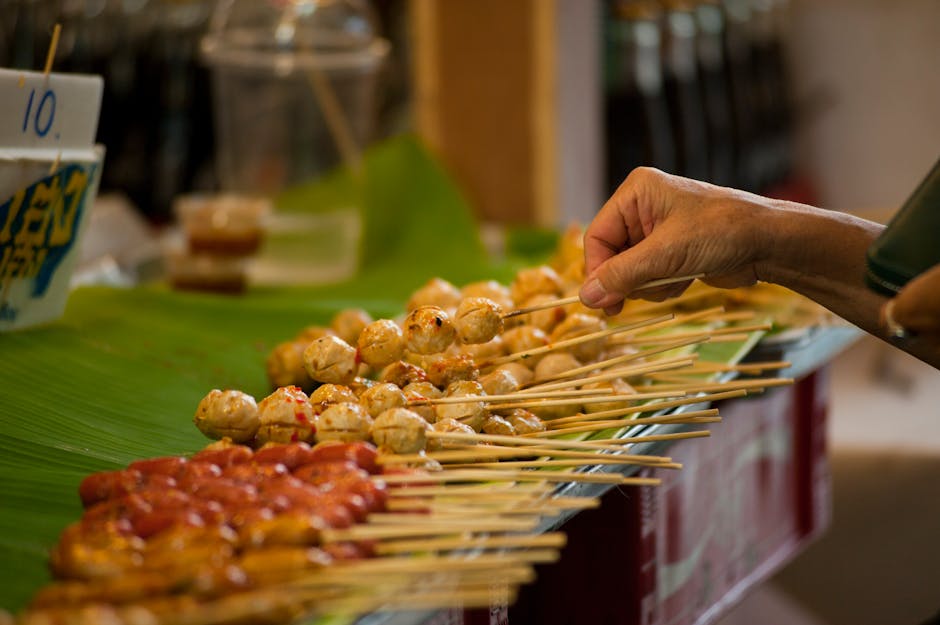
If you’re passionate about food and travel, attending a top culinary event can be the highlight of your year. These gatherings bring together world-class chefs, local artisans, and fellow food lovers in vibrant settings that celebrate regional flavors and global techniques. From street food festivals in Bangkok to wine tastings in Tuscany, these experiences offer more than just great meals—they provide cultural immersion, hands-on learning, and unforgettable memories.
This guide highlights some of the most exciting and authentic culinary events around the world, perfect for travelers who want to taste, learn, and connect through food. Whether you’re planning your next trip or simply dreaming of one, these events are worth adding to your itinerary.
Why Attend Culinary Events While Traveling?
Food is a universal language, and culinary events serve as its most dynamic classrooms. They allow travelers to go beyond restaurant menus and experience a destination’s true flavors in context. You’ll meet farmers, winemakers, and chefs who shape local food culture firsthand.
These events often coincide with seasonal harvests, traditional festivals, or regional celebrations, offering a deeper layer of authenticity. For example, attending the Sagra del Tartufo in Italy during truffle season means tasting fresh black truffles shaved over handmade pasta—something you can’t replicate at home.
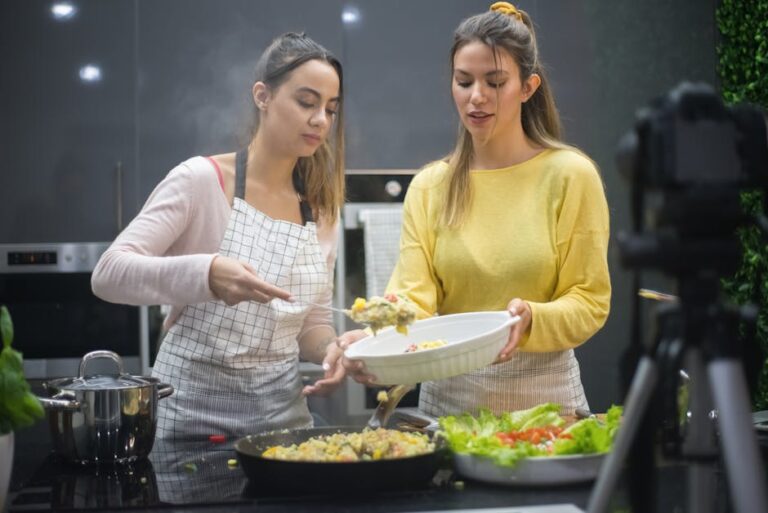
Beyond tasting, many events include cooking classes, market tours, and panel discussions. These interactive elements turn passive eating into active learning. You return home not just with photos, but with skills and stories.
Top International Culinary Events to Experience
Taste of London (United Kingdom)
Held annually in Regent’s Park, Taste of London is one of Europe’s most popular food festivals. Over four days, visitors sample dishes from over 40 of the city’s best restaurants, often prepared by head chefs themselves. The event blends fine dining with casual street food, offering something for every palate.
In addition to tastings, the festival features live cooking demos, mixology workshops, and chef-led masterclasses. Past participants include Michelin-starred chefs like Yotam Ottolenghi and Angela Hartnett. It’s a great way to experience London’s diverse food scene in one place.
Timing matters: the event usually takes place in June, coinciding with warm weather and long daylight hours. Book tickets early—popular sessions sell out quickly.
La Fête de la Gastronomie (France)
Launched by the French Ministry of Culture, this nationwide celebration occurs every September. Hundreds of towns and cities host free or low-cost events, from vineyard tours to children’s cooking workshops. The goal is to promote French culinary heritage and make fine food accessible to all.
In Paris, you might attend a cheese-tasting at a historic fromagerie. In Lyon, the gastronomic capital, chefs host open kitchens and share family recipes. Smaller towns often highlight local specialties like duck confit in Gascony or bouillabaisse in Marseille.
Because it’s government-supported, the festival maintains high standards and authenticity. It’s an ideal event for travelers seeking cultural depth without commercial hype.
Melbourne Food and Wine Festival (Australia)
Held each March, this festival transforms Melbourne into a gastronomic playground. With over 200 events across the city and regional Victoria, it showcases both international talent and homegrown innovation. Highlights include long-table dinners in vineyards, coffee roasting demos, and Indigenous food experiences.
One standout event is the World’s Longest Lunch, where diners enjoy a multi-course meal along a 1.2-kilometer table in the Royal Botanic Gardens. It’s a spectacle that blends food, nature, and community.
Melbourne’s multiculturalism shines through its offerings—expect everything from Vietnamese pho workshops to modern Australian fusion. The festival is a testament to how food can reflect a city’s identity.
San Antonio Cocktail Conference (USA)
While not a traditional food festival, this Texas event is a must for drink enthusiasts. Held each October, it combines cocktail competitions, educational seminars, and charity fundraisers. Mixologists from across the U.S. gather to showcase craft spirits, bitters, and innovative techniques.
Beyond the drinks, the conference features food pairings that highlight Tex-Mex and Southern influences. Think smoked brisket tacos with mezcal margaritas or pecan pie with bourbon-infused whipped cream.
The event also emphasizes sustainability and social responsibility, with proceeds supporting local food banks. It’s a reminder that culinary events can be both fun and purposeful.
Regional Gems Worth Traveling For
Oaxaca Gourmet (Mexico)
Set in Mexico’s culinary heartland, Oaxaca Gourmet celebrates the region’s rich indigenous and Spanish influences. Held in November, the event features mole tastings, mezcal seminars, and market tours with local chefs. Oaxaca is known for its seven varieties of mole, each with complex spice blends and regional variations.
One unique aspect is the emphasis on ancestral ingredients like chapulines (grasshoppers) and huitlacoche (corn fungus). These aren’t gimmicks—they’re staples of traditional Oaxacan cuisine, and the festival helps preserve their use.
Travelers should be prepared for bold flavors and adventurous eating. But for those willing to step outside their comfort zone, the rewards are immense.
Fête des Vendanges de Montmartre (France)
This Parisian grape harvest festival dates back to 1934 and remains one of the city’s most beloved traditions. Held in October, it includes parades, concerts, and wine tastings from the Clos Montmartre vineyard—the last working vineyard within Paris.
Despite its urban setting, the festival feels authentically rural. Locals dress in period costumes, and the air fills with the scent of fermenting grapes. It’s a rare chance to experience winemaking in the heart of a major city.
Pair your visit with a walk through Montmartre’s cobblestone streets and a stop at a traditional bistro. The area’s artistic history adds another layer to the experience.
Hokkaido Food Festival (Japan)
Held in Sapporo each February, this winter festival highlights Hokkaido’s reputation as Japan’s breadbasket. The island produces much of the country’s dairy, seafood, and vegetables, and the festival puts these ingredients center stage.
Visitors can sample fresh uni (sea urchin), crab, and soup curry—a Hokkaido specialty. There are also cooking classes focused on ramen and sushi, often led by local chefs who explain regional techniques.
The cold weather adds to the charm. Many events take place in heated tents or indoor halls, making it a cozy escape from the snow. It’s a great way to experience Japanese food culture beyond Tokyo.
How to Choose the Right Event for Your Trip
With so many options, selecting the right culinary event depends on your interests, budget, and travel style. Start by considering what you want to get out of the experience. Are you looking to learn new skills, meet chefs, or simply enjoy great food in a festive atmosphere?
Next, check the timing. Some events align with local holidays or harvest seasons, which can enhance authenticity but also increase crowds. For example, attending the Cherry Festival in Kyoto during peak bloom means stunning scenery—but also packed streets.
Budget is another key factor. While some festivals are free or low-cost, others require paid tickets for premium experiences. Research what’s included: does your ticket cover food samples, or will you pay à la carte? Are there additional fees for workshops or transportation?
Finally, consider location. A small-town festival might offer a more intimate experience, while a major city event provides more variety. Both have value—it depends on your travel goals.
Practical Tips for First-Time Attendees
Even seasoned travelers can feel overwhelmed at large food festivals. To make the most of your experience, plan ahead. Review the event schedule online and prioritize must-see demos or tastings. Many festivals release apps or printed guides to help navigate the grounds.
Wear comfortable shoes. You’ll be on your feet for hours, often walking between tents, stages, and food stalls. Dress in layers—outdoor events can shift from sunny to chilly quickly.
Bring a small bag for samples and souvenirs, but avoid overpacking. You’ll want your hands free to eat and take photos. A reusable water bottle is also smart—many festivals have refill stations.
Don’t try to do everything. It’s tempting to sample every dish, but pacing yourself ensures you enjoy the experience without a food coma. Focus on quality over quantity.
What to Expect: Atmosphere, Food, and Culture
Culinary events vary widely in tone, from formal galas to casual street fairs. Some, like Madrid Fusión, attract industry professionals and media, with a focus on innovation and trends. Others, like the Gilroy Garlic Festival in California, are family-friendly and community-driven.
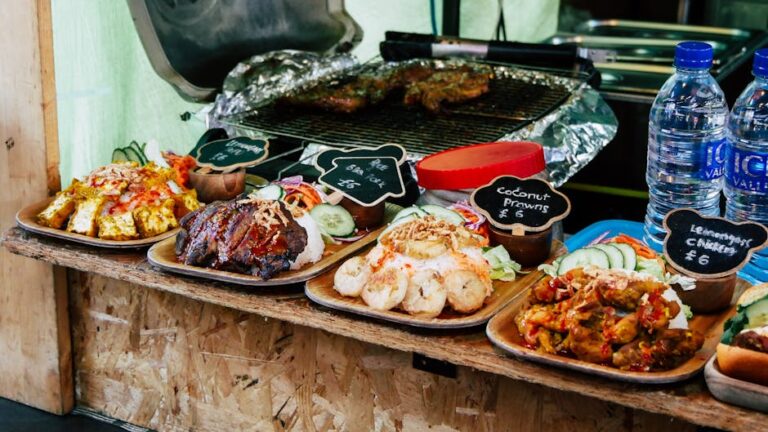
The food itself ranges from high-end tasting menus to humble street snacks. What ties them together is a shared passion for flavor and craftsmanship. You’ll often see chefs interacting directly with guests, answering questions and sharing stories.
Culturally, these events offer a window into local values. In Italy, food is deeply tied to family and tradition. In Thailand, it’s about balance and communal eating. Pay attention to these nuances—they enrich the experience far beyond the plate.
Safety and Etiquette at Food Festivals
While most culinary events are safe and welcoming, a few precautions go a long way. Always check food labels if you have allergies. Many vendors list ingredients, but it’s wise to ask directly, especially in countries where language barriers exist.
Be mindful of hygiene. Look for stalls with high turnover—this usually means fresher food. Avoid anything that’s been sitting out in the heat for too long, particularly dairy or seafood.
Respect local customs. In some cultures, it’s polite to eat with your hands or avoid certain ingredients. When in doubt, observe what locals do or ask politely.
Also, be courteous with samples. Take only what you’ll eat, and don’t linger too long at popular stalls. These events thrive on community, and small acts of consideration make a big difference.
Making the Most of Your Culinary Travel Experience
To get the full value from a culinary event, engage beyond the food. Talk to vendors, take notes, and ask questions. Many chefs are happy to share tips or recommend local spots to visit.
Consider pairing the event with a food tour or cooking class in the same city. This deepens your understanding and gives you hands-on practice. For example, after attending a sake festival in Japan, book a brewing workshop to learn how it’s made.
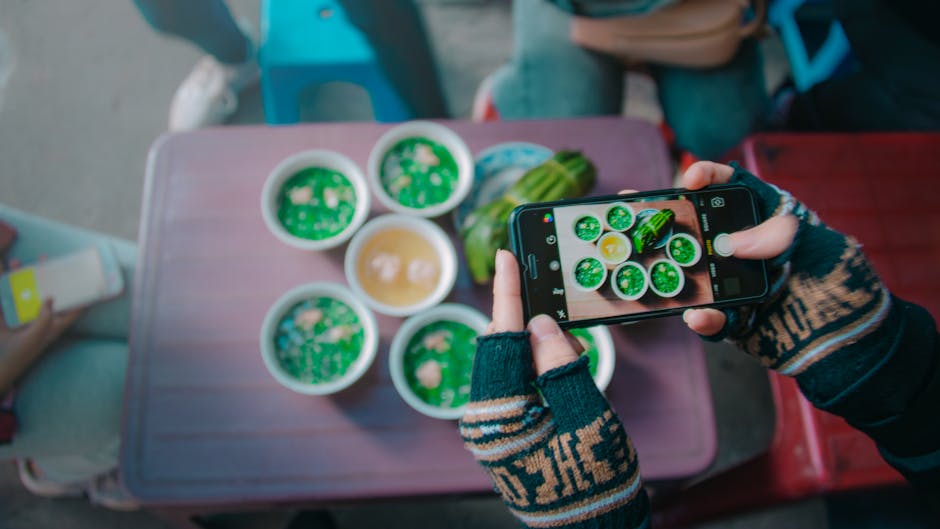
Document your experience, but don’t let your phone distract you. Take a few photos, then put the device away and savor the moment. The best memories often come from spontaneous conversations or unexpected discoveries.
Finally, support local businesses. Buy a jar of local honey, a handmade spice blend, or a cookbook from a featured chef. These souvenirs carry more meaning than generic gifts.
Upcoming Trends in Culinary Events
The world of food festivals is evolving. Sustainability is becoming a major focus, with more events banning single-use plastics and sourcing ingredients locally. The Zero Waste Chef movement, for example, has inspired festivals to highlight nose-to-tail and root-to-stem cooking.
Technology is also playing a bigger role. Some events now offer virtual components, allowing remote participation in demos or tastings. While not the same as being there in person, these options increase accessibility.
Another trend is the rise of hyper-local festivals. Instead of broad themes, many events now spotlight a single ingredient or tradition, like a saffron festival in Kashmir or a yak cheese fair in Nepal. These niche gatherings offer deeper cultural insights.
As travel rebounds post-pandemic, expect more hybrid models—combining in-person and digital elements—to become standard.
Final Thoughts
For food travel enthusiasts, attending a top culinary event is more than a meal—it’s an immersion into a culture’s soul. These gatherings celebrate the people, traditions, and ingredients that define a place. Whether you’re sipping wine in Bordeaux or learning to make dumplings in Chengdu, the experience stays with you long after the trip ends.
With careful planning and an open mind, these events can transform a simple vacation into a meaningful journey. They remind us that food is not just fuel, but connection, history, and joy.
FAQ
What should I bring to a food festival?
Bring comfortable shoes, a reusable water bottle, a small bag for samples, and cash for vendors who don’t accept cards. Check the event’s website for specific recommendations.
Are culinary events suitable for families?
Many are family-friendly, with activities for children like cookie decorating or farm tours. Look for events that advertise kid-focused programming or stroller access.
How far in advance should I book tickets?
For popular events, book 2–3 months ahead. Smaller festivals may allow on-site registration, but it’s safer to secure your spot early, especially if travel is involved.