Egypt Travel Guide: Top Attractions and Travel Tips
Egypt is a land of ancient wonders, golden deserts, and timeless culture. From the iconic pyramids of Giza to the tranquil waters of the Nile, this North African destination offers travelers a unique blend of history, adventure, and hospitality. Whether you’re exploring millennia-old temples or bargaining in bustling bazaars, Egypt delivers an unforgettable journey. This guide covers must-see attractions, practical travel tips, and essential advice to help you plan a safe, enriching, and well-organized trip.
Top Attractions in Egypt
Egypt’s rich history and diverse landscapes make it one of the world’s most compelling travel destinations. With over 5,000 years of recorded civilization, the country is home to some of humanity’s greatest architectural and cultural achievements. Below are the top attractions every traveler should consider visiting.
The Pyramids of Giza and the Sphinx
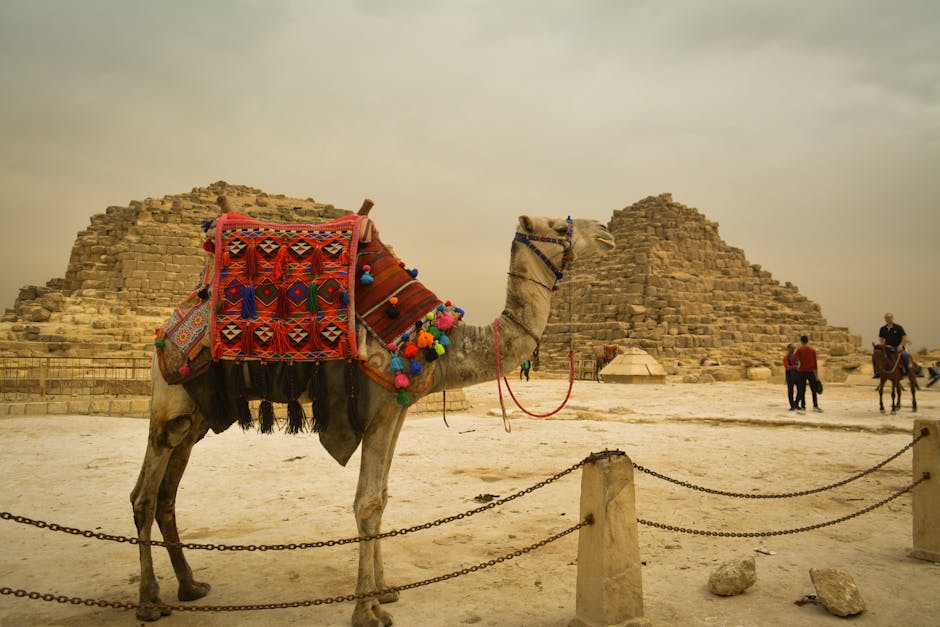
The Pyramids of Giza are Egypt’s most iconic landmarks and a must-see for any visitor. Built over 4,500 years ago as tombs for pharaohs, the Great Pyramid of Khufu remains one of the Seven Wonders of the Ancient World. Standing nearby, the Great Sphinx—a limestone statue with a human head and lion’s body—adds to the site’s mystique.
Visit early in the morning to avoid crowds and the midday heat. Guided tours often include access to the interior chambers of the pyramids, though spaces are limited and require advance booking. For a unique experience, consider a sunset camel ride around the plateau, offering panoramic views of the pyramids against the golden desert sky.
Karnak Temple Complex, Luxor
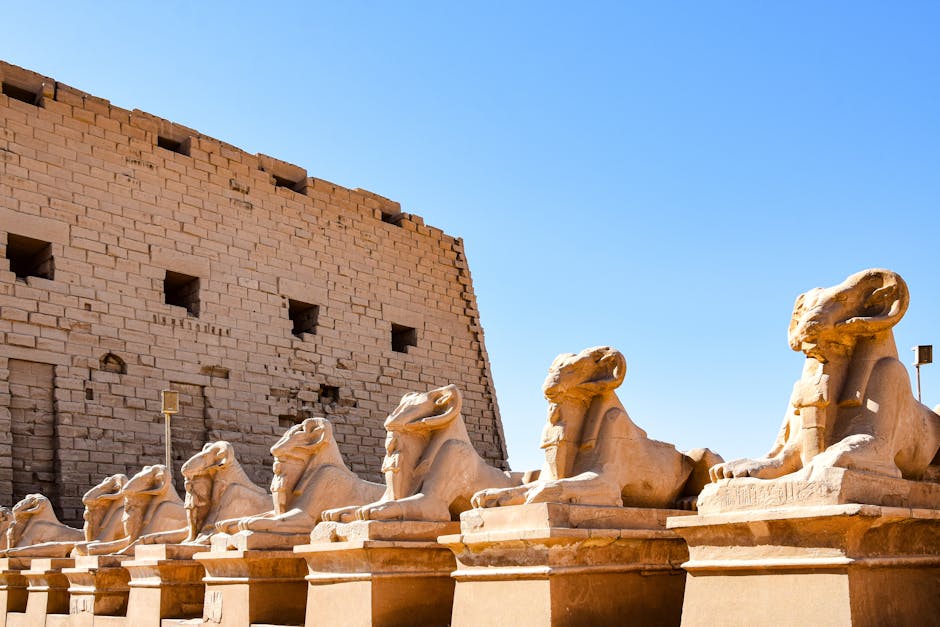
Located on the east bank of the Nile in Luxor, the Karnak Temple Complex is the largest religious site in the world. Spanning over 200 acres, it took more than 2,000 years to build and features towering columns, obelisks, and sacred lakes. The Hypostyle Hall, with 134 massive sandstone columns, is particularly breathtaking.
Karnak is best explored with a knowledgeable guide who can explain the hieroglyphs and religious significance of each section. Combine your visit with the nearby Luxor Temple, just a short walk away, especially beautiful when illuminated at night.
Valley of the Kings
Across the Nile from Luxor, the Valley of the Kings served as the burial site for pharaohs and powerful nobles during the New Kingdom period. Over 60 tombs have been discovered here, including that of Tutankhamun, whose intact burial chamber was found in 1922.
Only a limited number of tombs are open at any time to preserve the fragile wall paintings. Tickets typically allow access to three tombs, but you can purchase a special pass to enter Tutankhamun’s tomb. Photography is prohibited inside, so enjoy the intricate artwork in person—vibrant colors still visible after thousands of years.
Abu Simbel Temples
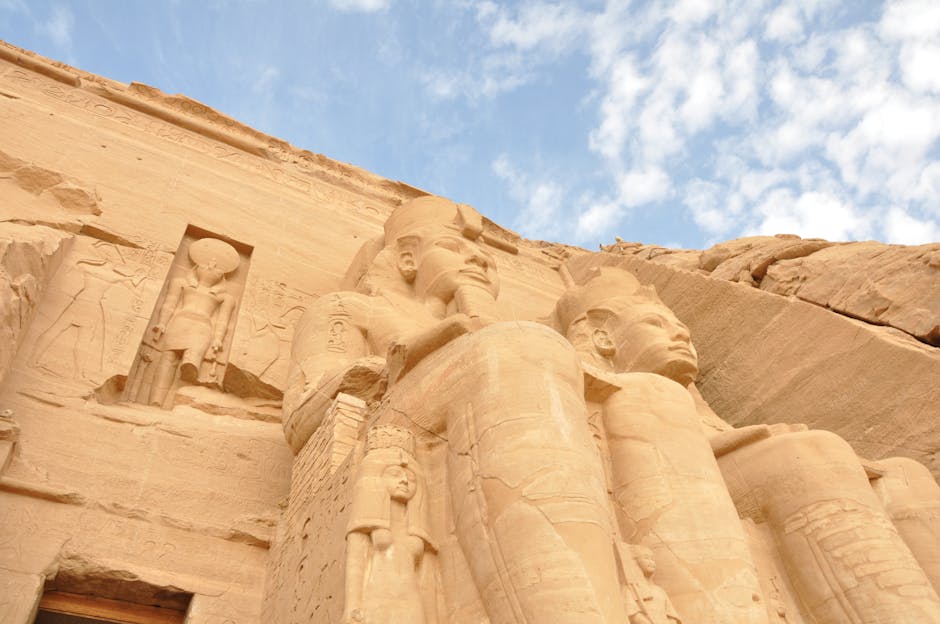
Carved into a mountainside in southern Egypt near the Sudan border, the Abu Simbel temples are a marvel of ancient engineering. Built by Ramses II in the 13th century BCE, the larger temple honors the pharaoh himself, while the smaller one is dedicated to his wife, Nefertari.
The temples were relocated in the 1960s to avoid flooding from the Aswan High Dam—a remarkable feat of modern archaeology. Visit during the biannual Sun Festival (February and October), when sunlight penetrates the inner chamber and illuminates the statues of Ramses and the gods.
Aswan and the Nile River
Aswan, Egypt’s southernmost city, is known for its relaxed pace, Nubian culture, and proximity to ancient sites. Take a felucca (traditional sailboat) ride on the Nile to enjoy the calm waters and lush riverbanks. A visit to the Unfinished Obelisk offers insight into ancient stone-cutting techniques.
The Aswan High Dam is also worth seeing—both for its engineering significance and the views it offers over Lake Nasser. Combine your trip with a visit to the Temple of Philae, relocated to Agilkia Island to protect it from flooding.
Cairo’s Egyptian Museum and Islamic Quarter
No trip to Egypt is complete without visiting the Egyptian Museum in Tahrir Square, Cairo. It houses the world’s largest collection of Pharaonic antiquities, including the treasures of Tutankhamun. The new Grand Egyptian Museum, set to open near Giza, will eventually house even more artifacts, but the original museum remains essential.
Afterward, explore Islamic Cairo, where narrow alleys lead to historic mosques, madrasas, and the bustling Khan el-Khalili bazaar. Try local street food like koshari or falafel, and don’t miss the chance to sip mint tea at a traditional café.
Best Time to Visit Egypt
The ideal time to visit Egypt is during the cooler months from October to April. Daytime temperatures are pleasant, ranging from 20°C to 28°C (68°F to 82°F), making it comfortable for sightseeing and outdoor activities. This is also peak tourist season, so expect larger crowds and higher prices.
Summer (May to September) brings intense heat, especially in southern regions like Luxor and Aswan, where temperatures can exceed 40°C (104°F). While fewer tourists visit during this time, it’s a good option for budget travelers seeking lower rates and shorter lines—just plan indoor activities during midday.
Ramadan, the Islamic holy month, shifts each year based on the lunar calendar. During this time, many restaurants close during daylight hours, and alcohol service may be restricted. However, evenings come alive with festive meals and cultural events, offering a unique glimpse into local life.
Getting Around Egypt
Egypt has a variety of transportation options, but planning ahead is key to a smooth journey. Domestic flights are the fastest way to travel between major cities like Cairo, Luxor, and Aswan. EgyptAir and Nile Air offer reliable service, with flights often taking less than an hour.
Trains are a popular and affordable alternative, especially the overnight sleeper trains from Cairo to Luxor or Aswan. First-class cabins include meals and bedding, making the journey comfortable. Book tickets in advance, particularly during holidays and peak seasons.
For shorter distances, taxis and ride-hailing apps like Uber and Careem operate in major cities. Always agree on a fare before starting the ride, or ensure the meter is used. In tourist areas, private drivers and guided tours are widely available and often worth the investment for convenience and safety.
Walking is enjoyable in compact areas like Islamic Cairo or Aswan’s Nubian villages, but be mindful of traffic and pedestrian conditions. In rural or desert regions, guided tours with 4×4 vehicles are recommended for safety and navigation.
Travel Tips for a Safe and Enjoyable Trip
Egypt is generally safe for tourists, but staying informed and prepared will enhance your experience. Here are practical tips to help you navigate the country with confidence.
What to Pack
Pack lightweight, breathable clothing made from natural fabrics like cotton or linen. Long sleeves and pants are recommended to protect against sun exposure and to respect local customs, especially when visiting religious sites. A wide-brimmed hat, sunglasses, and high-SPF sunscreen are essential.
Comfortable walking shoes are a must—many attractions involve uneven terrain and extensive walking. Don’t forget a reusable water bottle with a filter, as tap water is not safe to drink. A small daypack, power adapter, and basic first-aid kit are also useful.
Staying Safe
Petty crime, such as pickpocketing and scams, can occur in crowded areas like markets and train stations. Keep your belongings secure, avoid displaying valuables, and use hotel safes when available. Be cautious of overly friendly strangers offering unsolicited tours or help.
Stick to well-traveled routes, especially at night. Avoid political demonstrations and large gatherings. Register with your country’s embassy upon arrival and keep emergency contacts handy. Travel insurance that covers medical evacuation is strongly advised.
Respecting Local Culture
Egypt is a predominantly Muslim country, and cultural sensitivity goes a long way. Dress modestly, especially when visiting mosques or rural areas. Women may want to carry a scarf to cover their heads when entering religious sites.
Greetings are important—use “Salam alaikum” (peace be upon you) and respond with “Wa alaikum salaam.” Always ask before photographing people, particularly women. Tipping (known as “baksheesh”) is customary for services like guided tours, restaurant staff, and restroom attendants.
Food and Drink
Egyptian cuisine is flavorful and diverse, with influences from the Mediterranean, Middle East, and Africa. Try classic dishes like molokhia (a green leafy stew), ful medames (fava beans), and grilled kofta. Fresh bread, olives, and yogurt are staples at most meals.
Street food is widely available and generally safe if cooked fresh and served hot. Avoid raw vegetables and unpeeled fruits unless you’re confident in the water source. Bottled water is recommended, and ice should be avoided unless you know it’s made from purified water.
Nile River Cruises: A Classic Egyptian Experience
A Nile River cruise is one of the most popular ways to experience Egypt’s ancient wonders. These multi-day journeys typically run between Luxor and Aswan, stopping at key archaeological sites along the way. Most cruises last three to seven nights and include guided tours, meals, and onboard entertainment.
Cruises offer a comfortable and scenic way to travel, with air-conditioned cabins, sun decks, and dining areas. Ships range from budget-friendly options to luxury vessels with spas and fine dining. Booking in advance ensures better rates and cabin selection, especially during high season.
Popular stops include the Temple of Kom Ombo, dedicated to the gods Sobek and Horus, and the Temple of Edfu, one of the best-preserved in Egypt. Some itineraries also include a visit to the Nubian village of Gharb Soheil, where you can learn about local traditions and crafts.
While cruises are convenient, they follow fixed schedules and may feel rushed for some travelers. Independent exploration by train or private car allows more flexibility. Choose based on your travel style and priorities.
Visa and Entry Requirements
Most travelers need a visa to enter Egypt. Citizens of the U.S., UK, EU, Canada, Australia, and many other countries can obtain a visa on arrival at major airports and border crossings. The cost is typically $25 USD for a single-entry visa valid for 30 days.
Alternatively, you can apply for an e-visa online through the official Egyptian government portal. This option is convenient and allows you to bypass lines at the airport. Processing usually takes a few business days, so apply at least one week before departure.
Ensure your passport is valid for at least six months beyond your travel dates and has at least two blank pages. Upon arrival, you’ll receive a stamp in your passport—keep it safe, as you’ll need it to exit the country.
Travelers planning to visit border areas like the Sinai Peninsula or the Western Desert may need additional permits. Check with your tour operator or the Egyptian Ministry of Tourism for the latest requirements.
Money, Tipping, and Bargaining
The official currency in Egypt is the Egyptian pound (EGP). U.S. dollars and euros are widely accepted in tourist areas, but it’s best to carry local currency for smaller purchases and tips. ATMs are available in cities and tourist hubs, but inform your bank of your travel plans to avoid card issues.
Tipping is an important part of Egyptian culture and expected for most services. A general guideline is 10–15% in restaurants, small bills for hotel staff, and a few pounds for restroom attendants. For guided tours, tip your guide and driver at the end—amounts vary, but 50–100 EGP per person per day is common.
Bargaining is standard in markets and souvenir shops. Start by offering half the asking price and negotiate politely. Remember, for many vendors, this is their livelihood, so fair dealing is appreciated. Avoid arguing or walking away abruptly unless you’re not interested.
Health and Hygiene
No special vaccinations are required for Egypt, but routine vaccines (MMR, tetanus, hepatitis A and B) are recommended. Consult your doctor or a travel clinic at least four weeks before departure. Consider bringing medications for diarrhea, as stomach upsets can occur due to dietary changes.
Drink only bottled or filtered water, and avoid ice in drinks. Eat food that is freshly cooked and served hot. Wash hands frequently or use hand sanitizer, especially before eating. Public restrooms may lack toilet paper, so carry a small supply.
Sun protection is critical. Apply sunscreen regularly, seek shade during peak hours (10 a.m. to 4 p.m.), and stay hydrated. Heat exhaustion and dehydration are common risks, particularly in summer. If you feel dizzy, nauseous, or overly fatigued, rest in a cool place and drink water.
Final Thoughts
Egypt offers a travel experience like no other—where ancient history meets vibrant modern life. From the towering pyramids to the serene Nile, every moment feels steeped in significance. With careful planning and cultural awareness, your journey can be both enriching and enjoyable.
Prioritize safety, respect local customs, and allow time to soak in the atmosphere. Whether you’re marveling at hieroglyphs, sailing on a felucca, or sipping tea in a Cairo café, Egypt leaves a lasting impression. Start planning your adventure today and discover why this timeless destination continues to captivate travelers from around the world.
FAQ
Is Egypt safe for tourists?
Yes, Egypt is generally safe for tourists, especially in popular destinations like Cairo, Luxor, and Aswan. Stick to well-known areas, avoid political gatherings, and use common sense to minimize risks.
Do I need a visa to visit Egypt?
Most travelers can obtain a visa on arrival or apply for an e-visa online. Check the latest requirements based on your nationality before traveling.
What should I wear when visiting Egypt?
Dress modestly, especially at religious sites. Lightweight, loose-fitting clothing that covers shoulders and knees is recommended. Women may want to carry a scarf for mosque visits.