Travel Tips Guide with Packing Essentials and Checklist
Planning a trip? A smart travel tips guide with packing essentials and checklist ensures you’re prepared, stress-free, and ready for anything. Whether you’re heading to a tropical beach, a bustling city, or a remote mountain trail, knowing what to pack—and how to pack it—makes all the difference. This guide covers practical advice, must-have items, and a printable checklist to help you travel lighter, smarter, and more efficiently.
Why a Travel Packing Checklist Matters
A well-organized packing list prevents last-minute panic and forgotten essentials. Studies show travelers who use checklists are 30% less likely to leave behind critical items like chargers, medications, or travel documents. Without one, you risk arriving unprepared, overpacking, or paying extra for replacements at your destination.
More than just a list, a good checklist acts as a mental framework. It helps you prioritize needs over wants, avoid duplicates, and stay within baggage limits. Whether you’re a frequent flyer or a first-time traveler, consistency in preparation leads to smoother journeys.
How to Build Your Personalized Packing List
Start by considering your destination, climate, trip duration, and activities. A weekend city break requires different gear than a two-week safari. Begin with core categories: clothing, toiletries, electronics, documents, and health items. Then customize based on your itinerary.
Use digital tools like Google Docs or travel apps (e.g., PackPoint) to create reusable templates. Update them for each trip by adding or removing items. Keep a master version saved on your phone so you can access it anytime, even offline.
Step-by-Step Packing Strategy
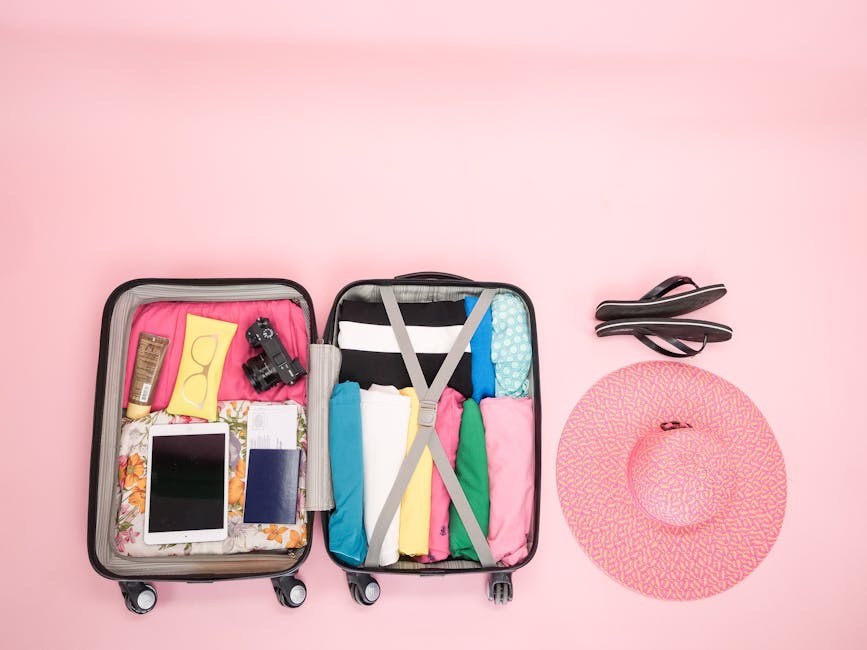
First, lay out everything you plan to bring. This visual audit helps you spot redundancies—like packing three pairs of jeans for a four-day trip. Next, categorize items into “must-haves,” “nice-to-haves,” and “leave-behinds.”
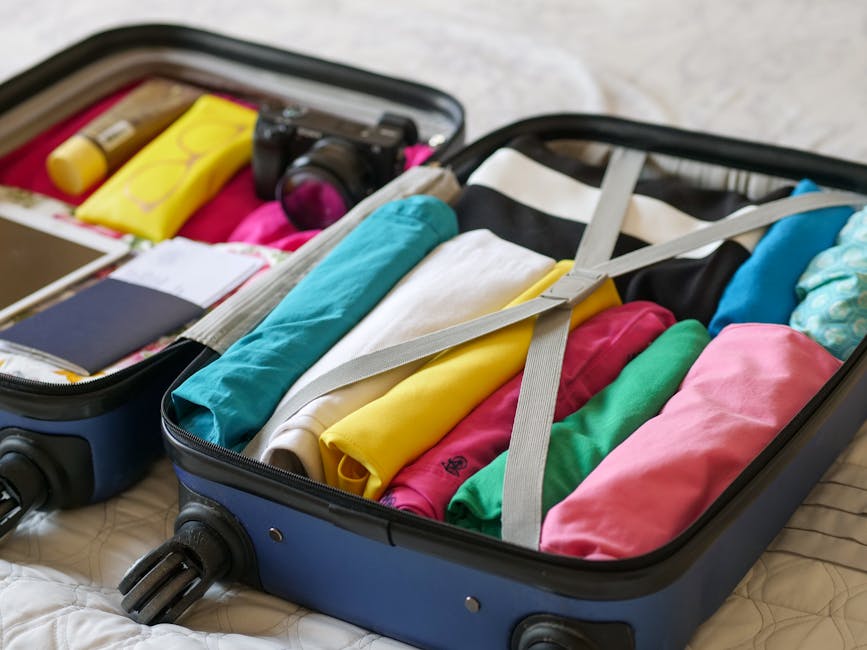
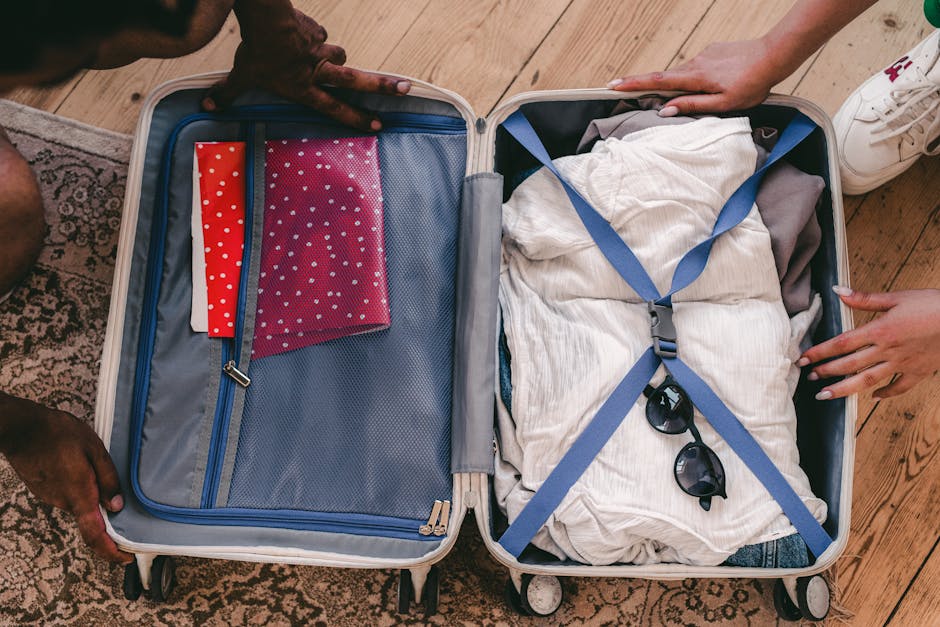
Roll clothes instead of folding to save space and reduce wrinkles. Use packing cubes to separate outfits, accessories, and dirty laundry. Place heavier items at the bottom of your bag and keep frequently used items (like a book or snacks) easily accessible.
Essential Travel Documents and Digital Prep
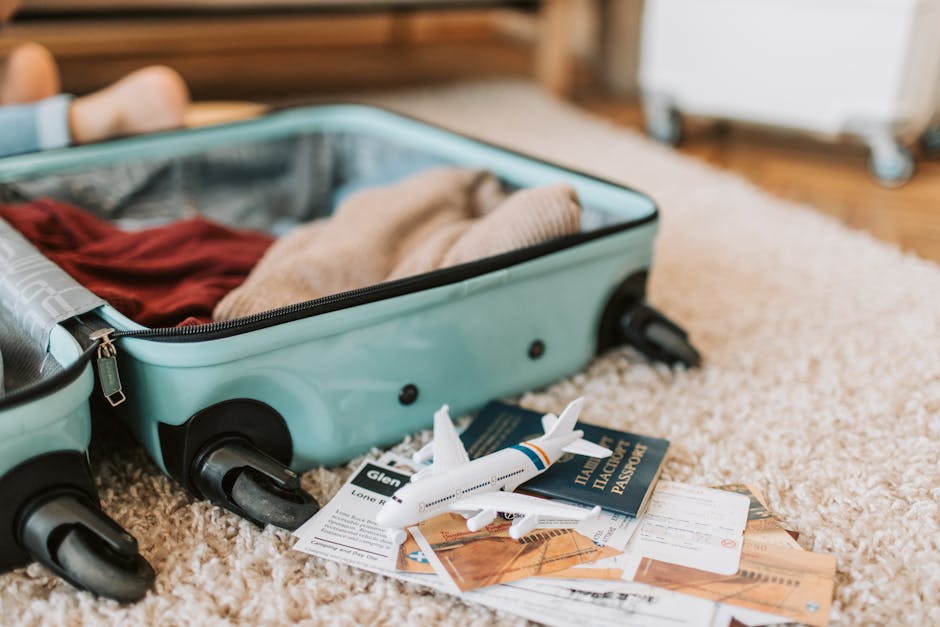
Never leave home without your passport, visa (if required), driver’s license, and travel insurance details. Make physical and digital copies—store one set in your carry-on and another in checked luggage. Upload scans to a secure cloud service like Google Drive or iCloud.
Download offline maps, translation apps, and boarding passes before departure. Enable international roaming or purchase a local SIM card upon arrival. Keep a printed itinerary with hotel addresses and emergency contacts in case your phone dies.
Digital Security Tips
Use a password manager to store login details securely. Avoid public Wi-Fi for banking or sensitive tasks. Consider a VPN for added protection. Back up photos and important files daily to avoid losing memories if your device is lost or stolen.
Set up two-factor authentication on all travel-related accounts, including airline and hotel bookings. Disable auto-connect features on your devices to prevent joining unsecured networks without your knowledge.
Clothing: Pack Smart, Not Heavy
Choose versatile, mix-and-match pieces in neutral colors. A capsule wardrobe of five tops, two bottoms, and one jacket can create over a dozen outfits. Prioritize quick-dry, wrinkle-resistant fabrics like merino wool or synthetic blends.
Pack one formal outfit only if needed—business meetings, nice dinners, or cultural sites may require it. Otherwise, stick to casual, comfortable clothing. Roll socks and underwear to maximize space and minimize creasing.
Shoes: The Right Pair Makes All the Difference
Limit yourself to two pairs: one for walking and one for dressier occasions. Break in new shoes before your trip to avoid blisters. Use shoe bags or stuff them with socks to maintain shape and protect other items from dirt.
For beach or pool trips, pack flip-flops or water shoes. In colder climates, insulated, waterproof boots are essential. Always check the weather forecast before finalizing your footwear choices.
Toiletries and Personal Care Items
Stick to travel-sized containers (under 3.4 oz or 100ml) for liquids to comply with TSA regulations. Use leak-proof bottles and store them in a clear, resealable bag. Include basics: toothbrush, toothpaste, shampoo, deodorant, and sunscreen.
Don’t forget contact lenses, glasses, or hearing aids with extra batteries. Pack a small first-aid kit with band-aids, pain relievers, antiseptic wipes, and any prescription medications in original packaging.
Eco-Friendly Toiletry Swaps
Replace plastic bottles with solid shampoo bars, bamboo toothbrushes, and refillable containers. Many hotels now offer bulk dispensers, reducing single-use waste. Carry a reusable water bottle with a filter for safe drinking water abroad.
Choose biodegradable soaps and reef-safe sunscreen, especially when visiting natural areas. These small changes reduce environmental impact without sacrificing hygiene.
Electronics and Charging Solutions
Bring only what you’ll use: phone, camera, e-reader, or laptop. Pack universal adapters for international travel—Type A/B for the U.S., Type C/E/F for Europe, and Type G for the UK. A multi-port USB charger saves space and outlets.
Use a power bank to keep devices charged during long flights or remote hikes. Opt for one with at least 10,000mAh capacity. Store cords in a dedicated pouch to avoid tangling and damage.
Camera and Audio Gear
If photography is a priority, bring extra memory cards and batteries. A lightweight tripod helps with selfies and stable shots. For music lovers, noise-canceling headphones improve travel comfort on planes and trains.
Avoid overpacking gadgets. One device often serves multiple purposes—your phone can be a camera, GPS, and entertainment system. Streamline to reduce weight and complexity.
Health and Safety Essentials
Carry a basic medical kit with thermometer, antihistamines, motion sickness pills, and rehydration salts. Include hand sanitizer, disinfectant wipes, and a face mask for crowded areas or illness prevention.
Check vaccination requirements for your destination. Some countries mandate proof of yellow fever or COVID-19 vaccination. Consult a travel clinic at least six weeks before departure.
Medication Management
Bring enough prescription medication to last the entire trip, plus a few extra days. Keep it in labeled, original containers to avoid customs issues. Carry a doctor’s note for controlled substances or injectable medications.
Store medications in your carry-on in case checked luggage is delayed. Avoid packing them in extreme temperatures—overhead bins on planes can get very hot or cold.
Packing for Different Trip Types
Adventure travel demands durable, weather-resistant gear: hiking boots, rain jacket, headlamp, and a compact sleeping bag. City breaks call for stylish yet comfortable shoes, a daypack, and portable chargers.
Beach vacations require swimwear, rash guard, waterproof phone case, and sand-resistant towels. Business trips need wrinkle-free suits, a professional bag, and presentation tools like a tablet or adapter.
Family Travel Considerations
Pack snacks, toys, and extra clothes for kids. Use color-coded packing cubes for each family member. Bring a stroller that folds compactly and meets airline size requirements.
For infants, include diapers, formula, and a portable changing pad. Many airlines offer bassinets for long flights—request one when booking. Always carry a copy of the child’s birth certificate for international travel.
Luggage and Packing Gear Recommendations
Choose a carry-on suitcase (22″ x 14″ x 9″ or smaller) for short trips or budget airlines. Hard-shell cases protect fragile items; soft-shell offers flexibility and external pockets. Look for four-wheel spinners for easy maneuvering.
Use compression bags for bulky items like jackets or sweaters. They reduce volume by up to 50%. For checked bags, add a luggage tag with your name, email, and destination address.
Backpacks vs. Suitcases
Backpacks are ideal for active travel, uneven terrain, or hostels without elevators. They distribute weight evenly and leave your hands free. Choose one with padded straps, a hip belt, and multiple compartments.
Suitcases suit formal trips, business travel, or destinations with smooth pavements. They’re easier to roll and often have built-in locks. Hybrid options with backpack straps offer the best of both worlds.
Last-Minute Packing Tips
Charge all devices the night before. Confirm flight times and gate information. Weigh your bag to avoid overweight fees—most airlines allow 50 lbs (23 kg) for checked luggage.
Leave room for souvenirs. Pack a foldable tote bag in your suitcase for extra purchases. Double-check that liquids are properly sealed and electronics are easily accessible for security checks.
What to Do If You Overpack
If your bag is too heavy, remove non-essentials: extra shoes, duplicate toiletries, or books you won’t read. Wear your bulkiest items—jacket, boots, jeans—on travel days. Use hotel laundry services to reuse clothes.
Some airlines offer paid baggage upgrades at check-in. Compare the cost of shipping items home versus paying the fee. In extreme cases, ship non-urgent items ahead via postal service.
Printable Travel Packing Checklist
Use this checklist as a starting point. Customize it based on your trip:
- ✅ Passport, visa, ID
- ✅ Travel insurance documents
- ✅ Boarding passes (printed/digital)
- ✅ Credit cards, local currency
- ✅ Phone and charger
- ✅ Power bank and adapters
- ✅ Headphones
- ✅ Camera and memory cards
- ✅ Prescription medications
- ✅ First-aid kit
- ✅ Toothbrush and toothpaste
- ✅ Shampoo and soap (travel size)
- ✅ Sunscreen and lip balm
- ✅ Deodorant
- ✅ Underwear (one per day + extras)
- ✅ Socks (one per day + extras)
- ✅ T-shirts/tops
- ✅ Pants/shorts/skirts
- ✅ Sleepwear
- ✅ Jacket or sweater
- ✅ Walking shoes
- ✅ Dress shoes (if needed)
- ✅ Swimwear
- ✅ Hat and sunglasses
- ✅ Reusable water bottle
- ✅ Snacks
- ✅ Books or e-reader
- ✅ Travel pillow and eye mask
- ✅ Laundry bag
- ✅ Packing cubes
- ✅ Umbrella or raincoat
- ✅ Notebook and pen
Print this list and check off items as you pack. Keep a digital copy on your phone for last-minute updates.
Common Packing Mistakes to Avoid
Packing too much is the top error. It leads to heavy bags, extra fees, and physical strain. Stick to a 70-30 rule: 70% essentials, 30% extras. Avoid bringing items you can easily buy at your destination, like toiletries or snacks.
Another mistake is forgetting travel-sized liquids. TSA allows only containers under 3.4 oz in a single quart-sized bag. Exceeding this can delay security screening. Always double-check airline policies before packing.
Ignoring Weather Forecasts
Packing for the wrong climate ruins comfort. A light jacket won’t suffice in a sudden cold snap. Check the 10-day forecast before departure and adjust your wardrobe accordingly. Layering is key for variable conditions.
Don’t assume all destinations have the same seasons. While it’s summer in New York, it’s winter in Sydney. Research local weather patterns and pack appropriately.
Final Thoughts: Travel Smart, Pack Light
A well-prepared traveler is a confident traveler. Using a travel tips guide with packing essentials and checklist reduces stress, saves money, and enhances your overall experience. Focus on versatility, functionality, and comfort.
Remember, the goal isn’t to bring everything—it’s to bring what matters. With practice, packing becomes faster and more intuitive. Soon, you’ll be able to prepare for any trip in under an hour.
FAQ
Q: How many outfits should I pack for a one-week trip?
A: Pack 5–7 outfits depending on activities. Use a capsule wardrobe with mix-and-match pieces. Do laundry mid-trip if needed, or choose quick-dry fabrics that can be hand-washed and dried overnight.
Q: Can I bring a power bank on a plane?
A: Yes, power banks are allowed in carry-on bags only. They must be under 100Wh (about 27,000mAh). Never pack them in checked luggage due to fire risk. Label capacity clearly to avoid issues at security.
Q: What’s the best way to organize cables and chargers?
A: Use a small zip pouch or tech organizer with elastic loops. Label each cord with a tag or colored tape. Keep frequently used items (phone charger, headphones) in an outer pocket for easy access.