Top Middle Eastern Dishes for Food Travel Lovers
If you’re a food travel enthusiast, the Middle East offers some of the world’s most flavorful, aromatic, and culturally rich cuisines. From smoky grilled meats to fragrant rice dishes and fresh mezze spreads, the region’s culinary traditions reflect centuries of trade, migration, and cultural exchange. Whether you’re exploring bustling souks in Istanbul or dining under the stars in Marrakech, these top Middle Eastern dishes deliver unforgettable experiences. This guide highlights must-try foods that showcase the depth and diversity of Middle Eastern cooking—perfect for travelers seeking authentic tastes and memorable meals.
Why Middle Eastern Cuisine Stands Out
Middle Eastern food is more than just delicious—it’s a gateway to history, hospitality, and community. Meals are often shared, emphasizing connection and generosity. The cuisine draws from a wide range of influences, including Mediterranean, Persian, Turkish, and North African traditions.
Key ingredients like olive oil, garlic, lemon, tahini, and spices such as cumin, sumac, and za’atar create bold, balanced flavors. Fresh herbs like parsley, mint, and cilantro are used generously, adding brightness to rich dishes. This combination of freshness, spice, and technique makes Middle Eastern food both comforting and exciting.
Iconic Dishes You Must Try
Hummus: The Creamy Classic
No Middle Eastern meal is complete without hummus. This smooth blend of chickpeas, tahini, lemon juice, and garlic is a staple across the region. Served as a dip or spread, it’s often garnished with olive oil, paprika, or whole chickpeas.
While hummus is popular worldwide, the best versions come straight from local kitchens in Lebanon, Israel, or Jordan. Look for freshly made hummus in street-side cafes—it’s lighter and creamier than most packaged versions. Pair it with warm pita bread for the full experience.
Falafel: Crispy, Spiced Perfection
Falafel consists of deep-fried balls or patties made from ground chickpeas or fava beans, mixed with herbs and spices. Crispy on the outside and tender inside, they’re a favorite street food across the Middle East.
Commonly served in pita bread with tahini sauce, pickles, and fresh vegetables, falafel is both satisfying and portable. Vegetarians and vegans will appreciate its plant-based protein. Try it in Cairo or Amman for an authentic taste—just make sure it’s freshly fried.
Shawarma: The Ultimate Street Food
Shawarma is a slow-roasted meat dish, typically made with chicken, lamb, or beef. Thin slices are stacked on a vertical spit and shaved off as needed. The meat is seasoned with a blend of spices like turmeric, cardamom, and cinnamon.
Served wrapped in flatbread with garlic sauce, pickled turnips, and veggies, shawarma is a flavorful, handheld meal. It’s widely available in cities like Beirut, Istanbul, and Dubai. For the best experience, choose a busy vendor—high turnover means fresher meat.
Kebab: Grilled to Perfection
Kebabs are a cornerstone of Middle Eastern grilling. Whether made with ground meat or chunks, they’re skewered and cooked over open flames. Variations include kofta (spiced ground meat), shish kebab (cubes of meat), and adana (spicy minced lamb).
Served with rice, grilled vegetables, or flatbread, kebabs are hearty and aromatic. In Iran, seek out koobideh—minced lamb mixed with onion and saffron. In Turkey, try the smoky urfa kebab. Always eat kebabs hot off the grill for maximum flavor.
Mansaf: Jordan’s National Dish
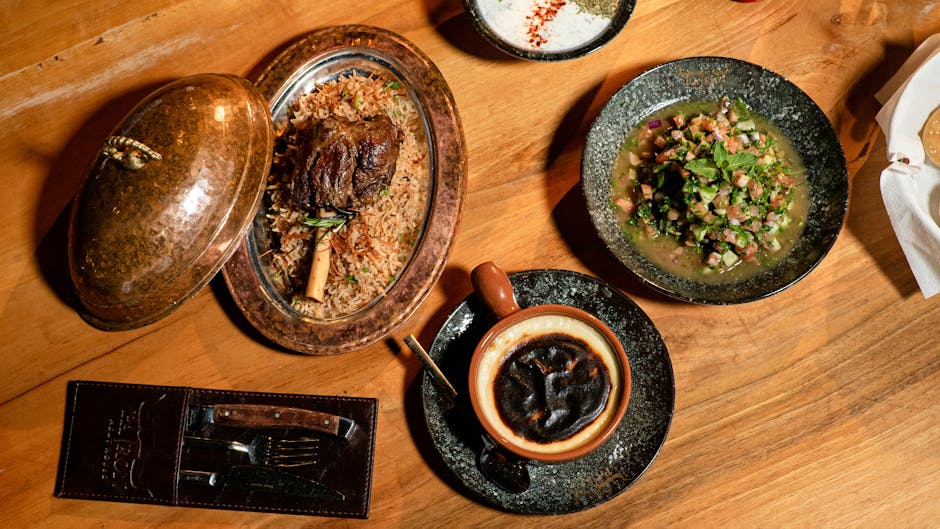
Mansaf is a traditional Jordanian dish made with lamb cooked in a fermented yogurt sauce called jameed. It’s served over rice or bulgur and topped with almonds and pine nuts. Historically, it was eaten from a shared platter, symbolizing unity.
The tangy yogurt sauce gives mansaf a unique flavor that may take some getting used to, but it’s a must-try for cultural travelers. Best enjoyed in a local home or at a festive gathering, it reflects the region’s emphasis on hospitality.
Maqluba: The Upside-Down Wonder
Maqluba, meaning “upside-down,” is a Palestinian and Levantine rice dish layered with meat, potatoes, eggplant, and cauliflower. It’s cooked in a pot and flipped onto a serving plate, revealing a beautiful layered presentation.
The dish is seasoned with cinnamon, allspice, and bay leaves, creating a fragrant, savory meal. Often served at family gatherings, maqluba is both visually impressive and deeply satisfying. Try it in Jerusalem or Ramallah for an authentic version.
Tabbouleh: A Fresh Herb Salad
Tabbouleh is a parsley-based salad with bulgur wheat, tomatoes, mint, onion, and a lemon-olive oil dressing. Unlike other grain salads, tabbouleh is mostly herbs—bulgur is used sparingly.
It’s a refreshing side dish, perfect alongside grilled meats or as part of a mezze spread. The key to great tabbouleh is finely chopped ingredients and a bright, tangy dressing. Look for it in Lebanese restaurants or homemade versions at local markets.
Baba Ganoush: Smoky Eggplant Dip
Baba ganoush is made from roasted eggplant, tahini, garlic, and lemon. The eggplant is charred over an open flame, giving the dip a distinctive smoky flavor. It’s smoother than hummus and has a richer, earthier taste.
Often served with pita or as part of a mezze platter, baba ganoush pairs well with grilled meats and fresh vegetables. For the best texture, make sure the eggplant is fully cooked and peeled properly. Try it in Syria or Lebanon, where the dish originated.
Knafeh: A Sweet, Cheesy Delight
Knafeh is a popular dessert made with shredded phyllo dough or semolina, filled with sweet cheese, and soaked in syrup. It’s baked until golden and often topped with crushed pistachios.
The contrast between the crispy exterior and gooey, sweet center makes knafeh a favorite across the Middle East. It’s especially popular during Ramadan. Seek out street vendors in Nablus, Palestine, or Beirut for the most authentic versions.
Baklava: Layers of Sweetness
Baklava is a rich pastry made of layers of phyllo dough, filled with chopped nuts, and sweetened with syrup or honey. While popular across the region, each country has its own variation—Turkish baklava is often lighter, while Greek versions may use more honey.
The key to good baklava is balance: not too sweet, not too dry. Look for versions with a crisp texture and visible layers. It’s commonly served with tea or coffee and makes a great souvenir—just pack it carefully.
Regional Variations to Explore
Levantine Cuisine: Fresh and Herb-Forward
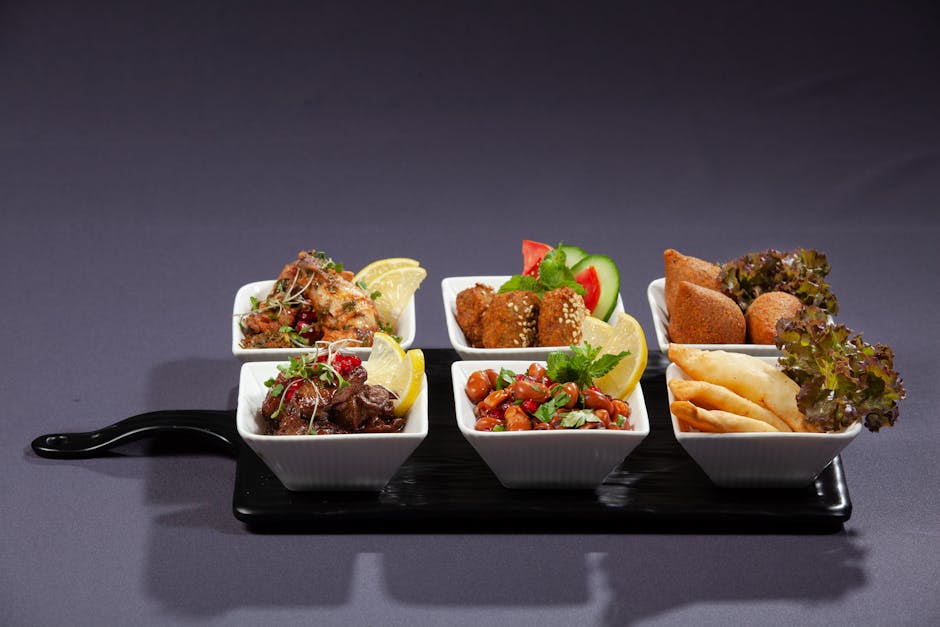
The Levant—including Lebanon, Syria, Jordan, and Palestine—is known for its emphasis on fresh ingredients and mezze-style dining. Dishes like hummus, tabbouleh, and falafel shine here, often served in large spreads meant for sharing.
Olive oil is a cornerstone, used in cooking and as a finishing touch. Mezze platters can include dozens of small dishes, encouraging a leisurely, social meal. This style of eating is perfect for travelers who want to sample a variety of flavors.
Persian Cuisine: Fragrant and Complex
Iranian food stands out for its use of saffron, dried limes, and herbs. Dishes like chelo kebab (rice with grilled meat) and ghormeh sabzi (herb stew with kidney beans) are deeply flavorful and aromatic.
Rice is often cooked with saffron or barberries, giving it a golden hue and subtle sweetness. Persian cuisine balances sweet and sour elements, creating complex layers of taste. Try fesenjan—a rich stew with pomegranate and walnuts—for a truly unique experience.
Turkish Cuisine: A Fusion of East and West
Turkey’s location at the crossroads of Europe and Asia is reflected in its diverse food culture. From Istanbul’s street food to Anatolian home cooking, Turkish cuisine blends influences from the Balkans, the Caucasus, and the Middle East.
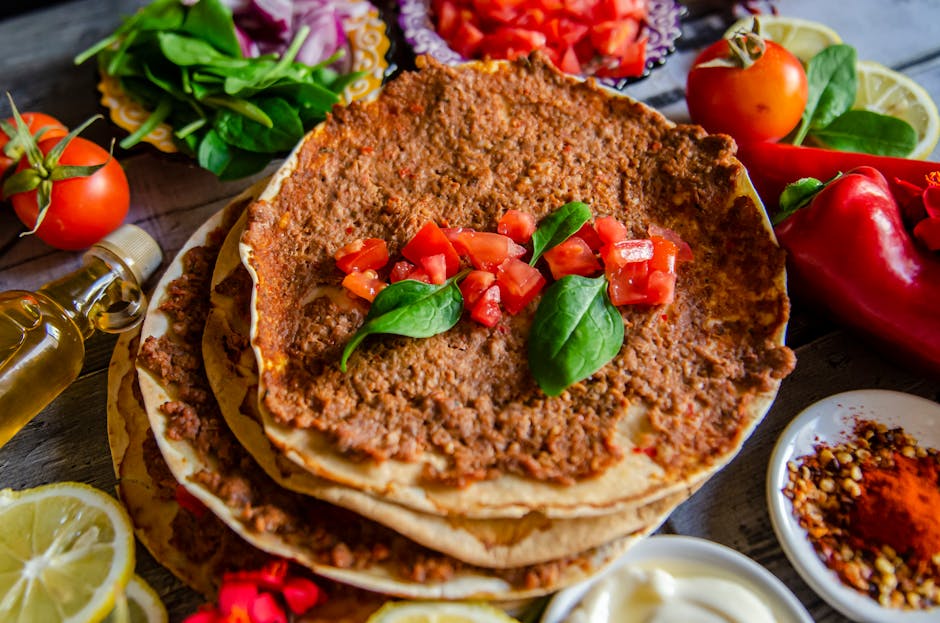
Dishes like döner kebab, lahmacun (Turkish pizza), and manti (tiny dumplings) are popular worldwide. Don’t miss Turkish breakfast—a spread of cheeses, olives, honey, and fresh bread. Coffee and tea are also central to daily life.
North African Influences: Spices and Stews
Countries like Morocco, Algeria, and Tunisia bring North African flair to Middle Eastern cuisine. Tagines—slow-cooked stews in clay pots—are a hallmark, often made with lamb, apricots, and almonds.
Spices like cinnamon, ginger, and saffron are used generously. Couscous, a staple grain, is typically steamed and served with vegetables or meat. In Morocco, try pastilla—a sweet and savory pie with pigeon or chicken and almonds.
Tips for Food Travelers
Eat Where the Locals Eat
The best meals often come from unassuming street stalls or family-run restaurants. Look for places with high turnover and local customers—this usually means fresher food and authentic recipes.
Avoid tourist-heavy areas where prices may be inflated and flavors diluted. Ask hotel staff or locals for recommendations. Apps like Google Maps can help identify highly rated local spots.
Be Mindful of Dietary Restrictions
Many Middle Eastern dishes are naturally vegetarian or vegan, like hummus, falafel, and tabbouleh. However, meat is central to many traditional meals, so communicate clearly if you have dietary needs.
Halal food is standard in Muslim-majority countries, meaning meat is prepared according to Islamic law. This doesn’t affect taste, but it’s good to know for travelers with religious or ethical preferences.
Respect Local Dining Customs
In many Middle Eastern cultures, meals are social events. Eating with your hands is common for certain dishes, like mansaf or mezze. Always use your right hand, as the left is considered unclean in some traditions.
Tipping practices vary. In Turkey and Lebanon, 10% is appreciated. In Egypt, small tips (called baksheesh) are expected for service. When in doubt, observe locals or ask politely.
Stay Hydrated and Watch the Heat
Many Middle Eastern countries experience high temperatures, especially in summer. Drink plenty of water and avoid alcohol, which can dehydrate you quickly.
Fresh juices like pomegranate, mint lemonade, or tamarind are refreshing and widely available. Bottled water is safe to drink in most urban areas, but check with locals in rural regions.
How to Recreate These Dishes at Home
While nothing beats eating these dishes in their homeland, you can get close with the right ingredients and techniques. Start with a well-stocked pantry: tahini, sumac, za’atar, pomegranate molasses, and good-quality olive oil are essentials.
For hummus, use dried chickpeas soaked overnight—canned versions often lack texture. For falafel, fresh herbs and proper frying temperature are key. Shawarma at home works well with a spice rub and slow roasting.
Watch video tutorials from Middle Eastern chefs to master techniques like flipping maqluba or layering baklava. Cooking these dishes connects you to the culture, even from afar.
Final Thoughts
The Middle East offers a culinary journey unlike any other. From smoky kebabs to sweet knafeh, every dish tells a story of land, people, and tradition. For food travel lovers, exploring these flavors is as much about taste as it is about understanding culture.
Whether you’re wandering through a bustling souk or sharing a meal with locals, these top Middle Eastern dishes will leave a lasting impression. Pack your appetite and an open mind—your next great food adventure awaits.
FAQ
What is the most popular Middle Eastern dish for tourists?
Hummus and falafel are among the most popular due to their vegetarian nature and bold flavors. They’re widely available and easy to enjoy, even for first-time visitors.
Are Middle Eastern dishes spicy?
Not typically. While some dishes use spices like cumin or chili, most are aromatic rather than hot. Sumac and paprika add flavor without intense heat, making the cuisine accessible to most palates.
Can I find vegetarian options in Middle Eastern cuisine?
Yes. Many traditional dishes like hummus, baba ganoush, tabbouleh, and falafel are plant-based. Mezze spreads often include multiple vegetarian options, making it easy to eat well without meat.