Best Wildlife Travel Destinations for Safari Adventures
Planning a safari? The best wildlife travel destinations for safari adventures offer unforgettable encounters with animals in their natural habitats. From the vast plains of Africa to remote jungles in Asia, these locations provide safe, ethical, and immersive experiences. Whether you’re tracking lions in Kenya, spotting rhinos in Nepal, or observing leopards in Sri Lanka, choosing the right destination ensures a rewarding journey. This guide highlights top-rated parks, optimal travel seasons, and practical tips to help you plan a safari that matches your interests and budget. This covers key aspects of wildlife safari destinations.
Why Choose a Safari Adventure?
Safari adventures go beyond typical wildlife viewing. They offer a chance to witness animal behavior, understand ecosystems, and support conservation efforts. Unlike zoo visits, safaris emphasize natural settings, minimal human interference, and responsible tourism. Many destinations now integrate community-based conservation, meaning your trip can directly benefit local people and wildlife protection programs.
For first-time travelers, a safari provides structure—guided drives, expert trackers, and well-maintained lodges—while still delivering authentic wilderness experiences. Repeat visitors often return for seasonal migrations, rare species sightings, or cultural interactions with indigenous communities.
Top Wildlife Travel Destinations for Safari Adventures
Not all safari destinations are created equal. Some excel in big cat sightings, others in bird diversity or endangered species. Below are the most respected locations based on animal density, accessibility, infrastructure, and conservation standards.
1. Maasai Mara National Reserve, Kenya
The Maasai Mara is arguably the most famous safari destination in the world. Located in southwestern Kenya, it forms part of the Serengeti ecosystem and is best known for the Great Migration—a natural spectacle where over 1.5 million wildebeest, zebras, and gazelles cross the Mara River between July and October.
Predators follow closely: lions, cheetahs, and leopards are frequently spotted. The reserve also supports healthy populations of elephants, buffaloes, and giraffes. Accommodations range from luxury tented camps to budget-friendly lodges, many offering night drives and walking safaris.
Best time to visit: July to October for migration; year-round for general wildlife.
2. Serengeti National Park, Tanzania
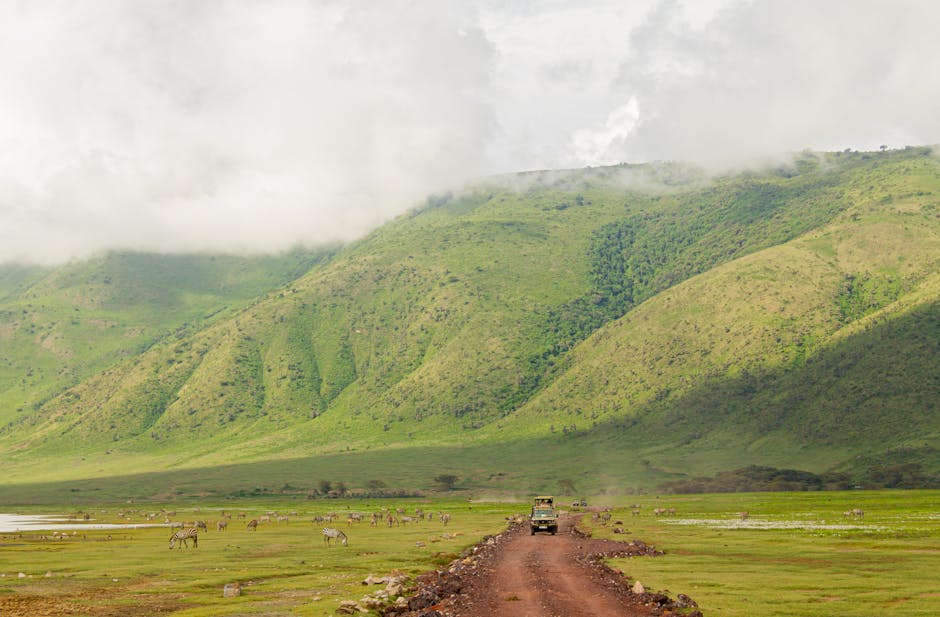
Spanning 14,750 square kilometers, the Serengeti is one of the oldest and largest ecosystems on Earth. Its open grasslands, riverine forests, and kopjes (rocky outcrops) create diverse habitats for a wide range of species.
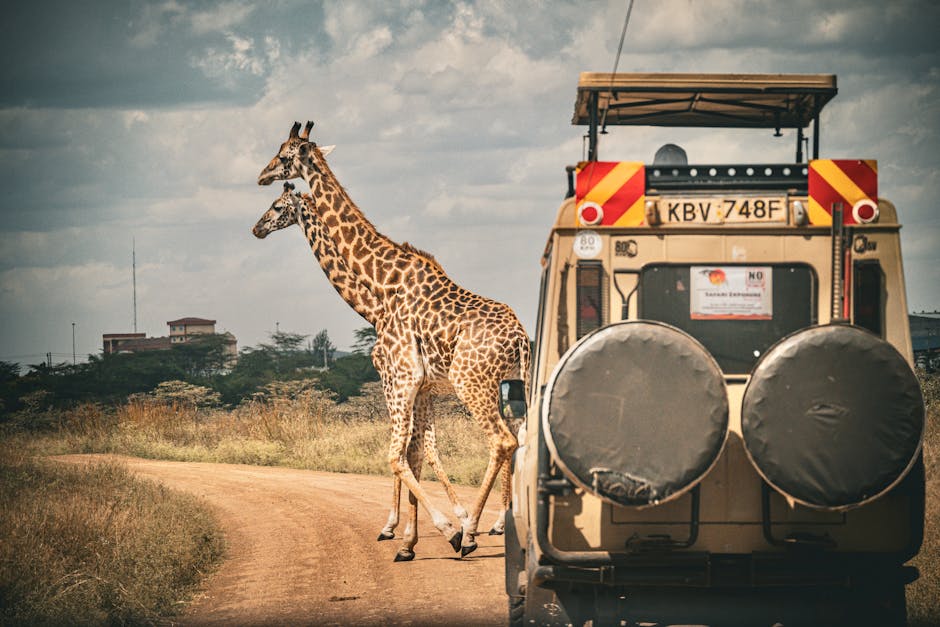
The park is home to the Big Five—lion, leopard, elephant, buffalo, and black rhinoceros—and hosts the southernmost point of the Great Migration from December to March. Unlike the Mara, the Serengeti sees fewer crowds during peak season, offering a more secluded experience.
Best time to visit: January to March for calving season; June to October for migration in the north.
3. Kruger National Park, South Africa
Kruger is one of Africa’s largest game reserves, covering nearly 20,000 square kilometers across South Africa’s northeast. It’s renowned for its accessibility, well-maintained roads, and self-drive options, making it ideal for independent travelers.
The park supports over 140 mammal species, including all Big Five, and more than 500 bird species. Private concessions along the western boundary offer exclusive, high-end experiences with fewer vehicles and closer wildlife access.
Best time to visit: May to September (dry season), when animals gather around water sources.
4. Okavango Delta, Botswana
The Okavango Delta is a UNESCO World Heritage Site and one of the world’s largest inland deltas. Fed by the Okavango River, it floods annually, creating a labyrinth of channels, lagoons, and islands that attract an extraordinary concentration of wildlife.
Mokoro (dugout canoe) safaris allow quiet exploration of waterways, where hippos, crocodiles, and sitatunga antelope thrive. Land-based drives reveal lions, leopards, and rare species like the African wild dog. Botswana limits tourism numbers, preserving the area’s pristine condition.
Best time to visit: June to October, when water levels peak and wildlife is most concentrated.
5. South Luangwa National Park, Zambia
Often called the birthplace of walking safaris, South Luangwa is a pioneer in immersive, low-impact wildlife experiences. The park’s dense vegetation along the Luangwa River supports high densities of leopards, elephants, and Thornicroft’s giraffes.
Night drives are permitted here, offering chances to see nocturnal species like civets, genets, and bushbabies. The park’s remote location means fewer tourists, resulting in a more intimate and adventurous atmosphere.
Best time to visit: May to October, during the dry season.
6. Ranthambore National Park, India
For those seeking a non-African safari, Ranthambore in Rajasthan offers a unique blend of wildlife and history. Set around a 10th-century fort, the park is one of the best places in India to spot Bengal tigers in the wild.
Open-top jeep safaris traverse dry forests and grasslands, where tigers, leopards, sloth bears, and over 300 bird species reside. The park’s relatively small size increases the likelihood of sightings, though permits are limited and should be booked well in advance.
Best time to visit: October to April, when temperatures are cooler and vegetation is less dense.
7. Yala National Park, Sri Lanka
Yala is Sri Lanka’s most visited wildlife sanctuary and boasts one of the highest leopard densities in the world. Exploring wildlife safari destinations reveals important insights. Located in the southeast, it features scrub forests, lagoons, and coastal areas that support elephants, crocodiles, and migratory birds.
Safaris here are conducted in modified jeeps, with early morning and late afternoon drives offering the best light and animal activity. Due to its popularity, Yala can get crowded—consider visiting during the shoulder season for a quieter experience.
Best time to visit: February to July, before the monsoon season.
How to Choose the Right Safari Destination
With so many options, selecting the ideal location depends on your priorities. Consider the following factors:
Wildlife Focus
Are you after the Big Five, rare predators, or birdlife? For example, the Okavango Delta excels in predator diversity, while Kruger offers reliable sightings of all Big Five. If tigers are your goal, Ranthambore or Bandhavgarh in India are top choices.
Travel Style and Budget
Safaris vary widely in cost. Botswana and Zambia tend to be more expensive due to low-volume, high-value tourism models. South Africa and Kenya offer more budget-friendly options, including self-drive and group tours. Luxury lodges with all-inclusive packages can exceed $1,000 per night, while camping safaris start around $150 per person per day.
Season and Weather
Timing affects both wildlife visibility and comfort. Dry seasons generally offer better game viewing as animals congregate around water. Wet seasons bring lush landscapes and newborn animals but can limit access due to muddy roads. Always check regional climate patterns before booking.
Infrastructure and Accessibility
Some parks require internal flights or long drives from major cities. Kruger has multiple entry gates and nearby airports, while the Okavango Delta typically involves a charter flight from Maun. Consider travel time, visa requirements, and health precautions like malaria prophylaxis.
What to Expect on a Safari
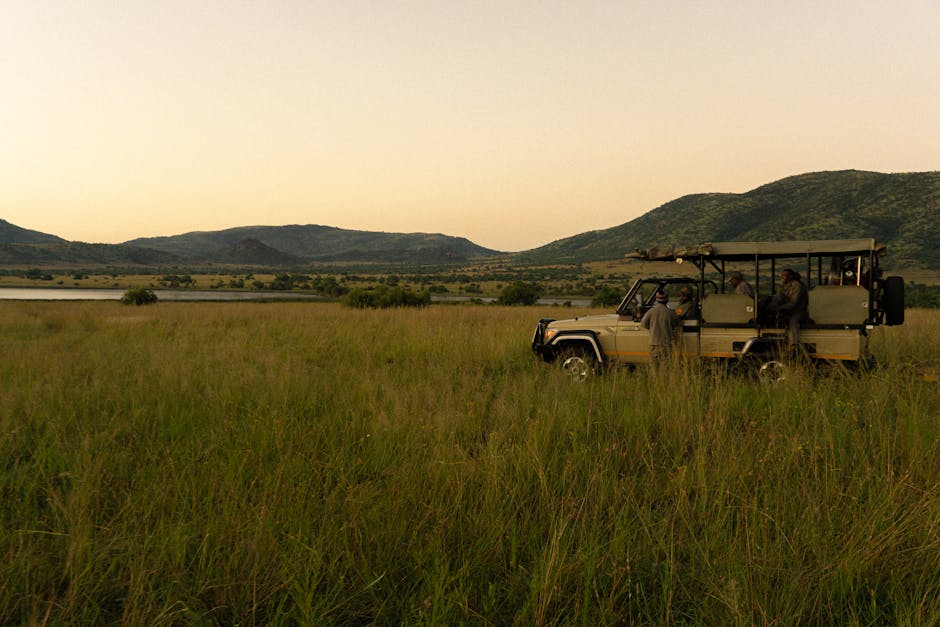
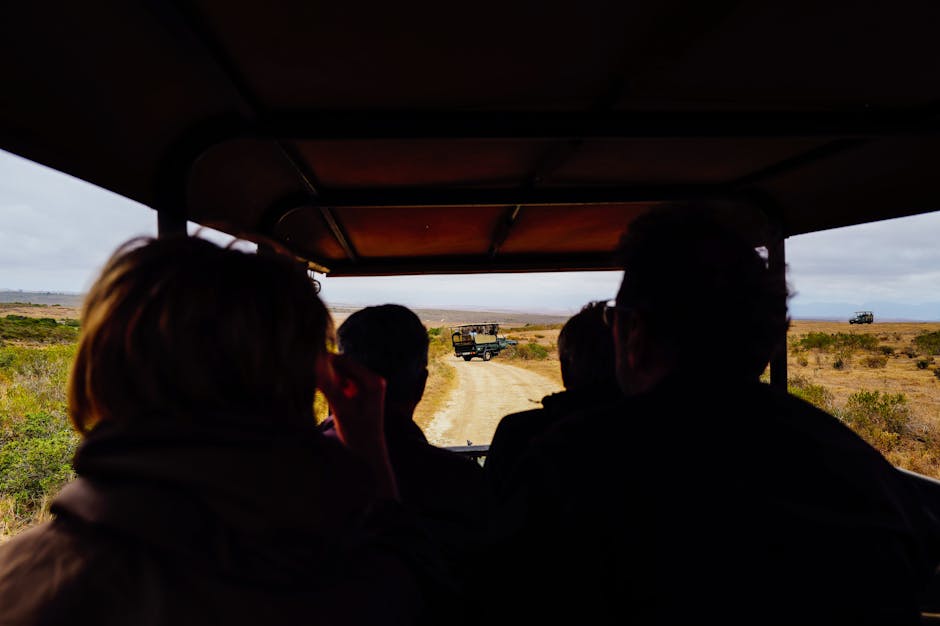
A typical safari day starts early—often before sunrise—with a guided game drive in an open-sided vehicle. Rangers use radios to share sightings, increasing your chances of spotting elusive animals. Drives last 3–4 hours, followed by breakfast at camp or a bush picnic.
Afternoon activities may include another drive, a walking safari, or cultural visit to a nearby village. Evenings often feature dinner under the stars, accompanied by storytelling or wildlife sounds. Most camps provide comfortable lodging with en-suite bathrooms, though some remote camps use shared facilities.
Safety is a priority. Guides are trained in first aid and animal behavior, and strict rules prevent approaching animals too closely. Never attempt to leave the vehicle unless instructed.
Ethical Considerations and Responsible Tourism
Not all safari operators follow ethical practices. Avoid companies that offer elephant rides, lion petting, or staged interactions. These activities often involve cruelty and do not support conservation.
Instead, choose operators certified by organizations like the Global Sustainable Tourism Council (GSTC) or those partnering with local communities. Your fees should contribute to anti-poaching units, habitat restoration, or education programs.
Respect wildlife by keeping noise levels low, staying in designated areas, and not feeding animals. Remember: you are a guest in their home.
Packing Essentials for Your Safari
Proper preparation enhances comfort and safety. Pack the following:
- Neutral-colored clothing (khaki, olive, beige) to blend in
- Layered clothing for temperature shifts between day and night
- Sturdy, closed-toe shoes and a wide-brimmed hat
- Sunscreen, insect repellent, and a reusable water bottle
- Binoculars and a camera with extra batteries or solar charger
- Prescription medications and a basic first-aid kit
- Travel insurance that covers medical evacuation
Avoid bright colors, perfumes, and excessive jewelry, which can disturb animals or attract insects.
Common Misconceptions About Safaris
Many people assume safaris are only for the wealthy or require extreme physical fitness. In reality, options exist for all budgets and mobility levels. Some lodges offer accessible vehicles and accommodations, and many tours include transportation from major cities.
Another myth is that animals are always easy to spot. While guides maximize chances, wildlife viewing depends on luck, weather, and animal behavior. Patience and respect for nature are essential.
Final Tips for a Successful Safari
- Book early—especially for peak seasons and popular parks like the Maasai Mara or Okavango Delta.
- Use a reputable tour operator with local expertise and positive reviews.
- Stay flexible with your itinerary; weather and animal movements can affect plans.
- Keep a journal or photo log to document sightings and experiences.
- Support conservation by donating to park funds or adopting an animal through verified programs.
FAQ
What is the best time of year to go on a safari?
The ideal time varies by region. In East and Southern Africa, the dry season (June to October) offers the best wildlife viewing as animals gather near water. In India and Sri Lanka, winter months (November to April) are optimal. Always research the specific park’s climate and migration patterns.
Are safaris safe for families with children?
Yes, many safari lodges and operators welcome families and offer child-friendly activities. Some parks have minimum age requirements for walking safaris or night drives. Choose family-run camps or operators with experience in youth programs for a safer, more engaging experience.
Do I need vaccinations before going on a safari?
Consult a travel health clinic at least 4–6 weeks before departure. Yellow fever vaccination is required for entry in some African countries. Malaria prophylaxis is recommended for most regions, along with routine vaccines like tetanus and hepatitis A. Always carry your vaccination certificate.
Choosing the best wildlife travel destinations for safari adventures means balancing wildlife opportunities, comfort, and ethics. With careful planning, your trip can be both thrilling and meaningful—supporting conservation while creating lifelong memories.