Travel Tips Guide with Packing and Planning Advice
Planning a trip doesn’t have to be overwhelming. Exploring travel packing planning advice reveals important insights. With the right approach, you can streamline your preparations, pack efficiently, and avoid common travel pitfalls. This Travel Tips Guide with Packing and Planning Advice covers everything from creating a realistic itinerary to choosing the right luggage, so you can focus on enjoying your journey. Whether you’re heading out for a weekend getaway or a month-long adventure, these practical strategies will help you travel smarter, not harder.
Start with Smart Planning
Successful travel begins long before you reach the airport. A well-thought-out plan reduces stress and helps you make the most of your time and budget. Begin by defining your trip’s purpose—are you relaxing, exploring culture, or seeking adventure? Your goals will shape your destination, duration, and activities.
Set a Realistic Budget
Estimate costs for transportation, lodging, food, activities, and souvenirs. Add a 10–15% buffer for unexpected expenses. For example, a week-long trip to Lisbon might cost around $1,200 for mid-range travelers, while a similar trip to Bangkok could be under $800. Use budgeting apps or spreadsheets to track your spending and stay on target.
Choose the Right Time to Travel
Consider weather, crowds, and prices when selecting your travel dates. Shoulder seasons—like April–May or September–October in Europe—often offer the best balance of good weather and lower prices. Avoid major holidays if you prefer fewer crowds and more flexibility.
Book Flights and Accommodations Early
Flights and popular accommodations fill up quickly, especially during peak seasons. Use fare comparison tools like Google Flights or Skyscanner to monitor price trends. Booking 6–8 weeks in advance often yields the best deals. For hotels, read recent reviews and check cancellation policies—flexibility is key.
Build a Flexible Itinerary
A detailed itinerary helps you stay organized, but rigidity can lead to frustration. Aim for a balanced schedule that includes must-see attractions, downtime, and room for spontaneity. Over-scheduling can leave you exhausted and less likely to enjoy the experience.
Prioritize Key Experiences
List your top three to five priorities—such as visiting the Colosseum in Rome or hiking in Banff National Park—and build your days around them. Use tools like Google Maps to estimate travel times between locations and avoid backtracking.
Include Buffer Time
Allow extra time between activities for meals, rest, or unexpected delays. For instance, if a museum tour ends at 2 p.m., don’t schedule a train departure at 2:30 p.m. A 90-minute buffer is ideal for domestic travel; allow two hours for international connections.
Download Offline Resources
Save maps, translation apps, and digital copies of reservations on your phone. Google Maps allows offline downloads, and apps like Google Translate work without internet in many languages. This ensures you’re prepared even in areas with poor connectivity.
Pack Smart: Less Is More
Packing efficiently saves space, reduces baggage fees, and makes navigating airports and streets easier. The goal is to bring only what you truly need while maintaining comfort and versatility.
Choose the Right Luggage
For short trips (3–5 days), a carry-on suitcase or large backpack is sufficient. For longer journeys, a 40–50L backpack or medium-sized checked bag works well. Look for lightweight, durable materials with multiple compartments. Hard-shell suitcases protect fragile items but are heavier; soft-shell options are more flexible and often expandable.
Use the Layering Method
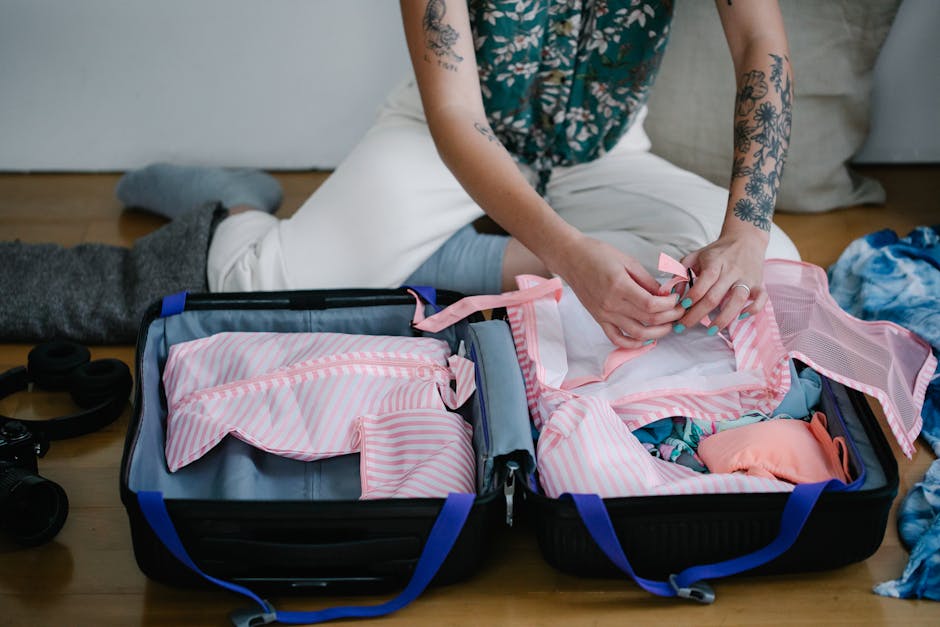
Roll clothes instead of folding to save space and reduce wrinkles. Pack versatile, mix-and-match items in a neutral color palette. For example, a pair of dark jeans can be dressed up with a blouse or down with a t-shirt. Limit shoes to two pairs: one for walking, one for dressier occasions.
Follow the 3-1-1 Rule for Liquids
When flying, liquids in carry-on bags must be in containers of 3.4 ounces (100ml) or less, all fitting in a single quart-sized clear plastic bag. This applies to toiletries, gels, and beverages. Pack full-sized items in checked luggage or buy them at your destination.
Pack Essentials in Your Carry-On
Always keep medications, travel documents, a change of clothes, and valuables in your carry-on. If your checked bag is delayed, you’ll still have the basics. Include a portable charger, noise-canceling headphones, and a reusable water bottle to stay comfortable during flights.
Prepare Documents and Finances
Missing or expired documents can derail even the best-planned trips. Ensure everything is in order well in advance.
Check Passport and Visa Requirements
Most countries require passports to be valid for at least six months beyond your travel dates. Check visa requirements based on your nationality and destination. For example, U.S. citizens need a visa for stays over 90 days in the Schengen Area. Apply early—processing can take weeks.
Make Copies and Digital Backups
Photocopy your passport, visa, travel insurance, and itinerary. Store digital copies in cloud storage and email them to yourself. Keep physical copies separate from the originals in case of loss or theft.
Notify Your Bank
Alert your bank and credit card companies of your travel dates and destinations to avoid blocked transactions. Use cards with no foreign transaction fees. Carry a small amount of local cash for emergencies, but rely on cards or ATMs for larger purchases.
Stay Healthy and Safe
Your well-being is essential to enjoying your trip. Take proactive steps to stay healthy and secure.
Get Necessary Vaccinations
Check CDC or WHO recommendations for your destination. Exploring travel packing planning advice reveals important insights. Some countries require proof of yellow fever vaccination for entry. Consult your doctor 4–6 weeks before departure to allow time for immunizations.
Pack a Travel Health Kit
Include basics like pain relievers, antihistamines, motion sickness tablets, band-aids, hand sanitizer, and any prescription medications. Keep medications in original packaging with labels to avoid issues at customs.
Stay Aware of Your Surroundings
Research local scams and safety concerns. Avoid displaying expensive items, and use hotel safes for passports and extra cash. Share your itinerary with a trusted friend or family member and check in regularly.
Maximize Comfort During Transit
Long flights and train rides can be tiring. Small adjustments can make a big difference in your comfort.
Wear Comfortable Clothing
Choose loose-fitting, breathable fabrics and layers you can adjust. Avoid tight shoes—swelling is common during flights. Compression socks can help prevent blood clots on long journeys.
Stay Hydrated and Move
Drink water regularly and avoid excessive alcohol or caffeine. Walk the aisle every hour or so to promote circulation. Bring a neck pillow, eye mask, and earplugs to improve sleep quality.
Entertain Yourself
Download movies, podcasts, or e-books before your trip. Noise-canceling headphones enhance focus and relaxation. If flying, check if your airline offers in-flight Wi-Fi or entertainment systems.
Respect Local Culture and Environment
Traveling responsibly enhances your experience and supports the communities you visit.
Learn Basic Local Phrases
Even simple greetings like “hello,” “thank you,” and “excuse me” in the local language show respect. Use translation apps as a backup, but try speaking first.
Dress Appropriately
Research dress codes, especially for religious sites or conservative regions. In many parts of the Middle East or Southeast Asia, covering shoulders and knees is expected. Pack a lightweight scarf or shawl for versatility.
Support Local Businesses
Eat at family-run restaurants, shop at local markets, and hire local guides. This keeps money in the community and offers more authentic experiences.
Post-Trip Considerations
Your travel responsibilities don’t end when you return home. A few final steps ensure a smooth transition and preserve your memories.
Review and Organize Photos
Back up photos to cloud storage or an external drive soon after returning. Create albums or a digital scrapbook to relive the experience. Delete blurry or duplicate shots to free up space.
Reconcile Expenses
Update your budget with actual spending. Note what you overspent on (e.g., dining out) and where you saved (e.g., free walking tours). This helps improve future trip planning.
Provide Feedback
Leave honest reviews for hotels, tours, and restaurants. This helps other travelers make informed decisions and supports quality service providers.
Final Thoughts
A successful trip is built on preparation, flexibility, and mindfulness. This Travel Tips Guide with Packing and Planning Advice equips you with actionable strategies to navigate every stage of your journey—from initial planning to returning home. By focusing on essentials, respecting local norms, and staying organized, you’ll reduce stress and increase enjoyment. Remember, the best travel experiences often come from thoughtful preparation and an open mind.
FAQ
How far in advance should I start planning my trip?
Start planning 2–3 months ahead for international trips and 4–6 weeks for domestic ones. This gives you time to research, book flights and accommodations, and handle visas or vaccinations.
What should I do if my flight is delayed or canceled?
Check with the airline for rebooking options or compensation. Keep your travel insurance details handy, and use airport lounges or apps like FlightAware to monitor updates. Always have a backup plan for accommodations if needed.
Can I bring snacks on a plane?
Yes, solid food items like sandwiches, fruit, and granola bars are allowed in carry-on bags. Avoid liquids or gels over 3.4 ounces. Check TSA guidelines for specific restrictions.