Must Try Street Food Experiences Around the World
Street food offers some of the most authentic, flavorful, and culturally rich culinary experiences travelers can enjoy. From bustling night markets in Asia to vibrant food carts in Latin America, must try street food experiences around the world reflect local traditions, ingredients, and techniques passed down through generations. Whether you’re exploring the spicy alleys of Bangkok or sampling savory empanadas in Buenos Aires, these handheld delights provide a delicious window into a destination’s soul. This guide highlights standout street foods across continents, offering practical tips, regional insights, and what to expect when diving into these iconic eats.
Why Street Food Is a Travel Essential
Street food is more than just affordable meals on the go—it’s a cornerstone of local culture. Unlike restaurant dining, which often caters to tourists, street food is made for locals, meaning authenticity and flavor take priority. These vendors rely on word-of-mouth and repeat customers, so quality and consistency are non-negotiable. For travelers, trying street food is one of the most direct ways to connect with a place’s identity. It’s also budget-friendly, with many dishes costing just a few dollars, allowing you to sample multiple specialties without overspending.
Beyond taste, street food supports local economies. Many vendors are small family operations that have run the same stall for decades. By choosing street food over chain restaurants, travelers contribute directly to community livelihoods. Additionally, street food often uses hyper-local ingredients, reducing food miles and supporting regional agriculture. Whether it’s fresh seafood in coastal Vietnam or spiced lentils in Indian cities, the dishes are deeply rooted in their environments.
Top Must Try Street Food Experiences by Region
Each region boasts unique street food traditions shaped by climate, history, and available ingredients. Below are some of the most celebrated and accessible street foods from around the globe, selected for their cultural significance, flavor, and traveler accessibility.
Asia: Bold Flavors and Bustling Markets
Asia is arguably the street food capital of the world, with cities like Bangkok, Hanoi, and Mumbai offering some of the most diverse and intense flavors on the planet.
- Pad Thai – Bangkok, Thailand: Stir-fried rice noodles with shrimp, tofu, eggs, and tamarind sauce, garnished with peanuts and lime. Best enjoyed at night markets like Chatuchak or Chinatown’s Yaowarat Road. Look for stalls with long lines—locals know where the best food is.
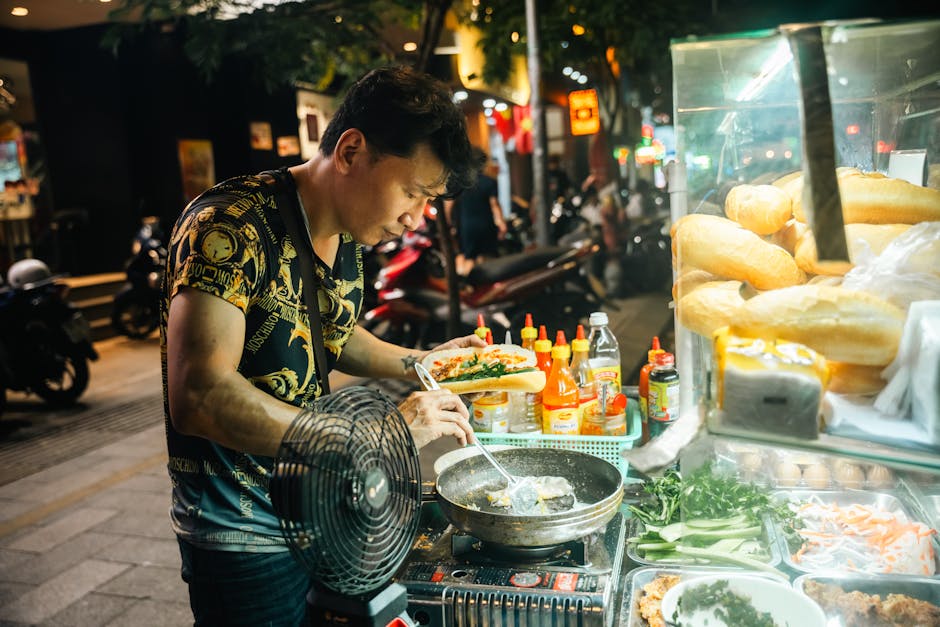
- Banh Mi – Ho Chi Minh City, Vietnam: A French-Vietnamese fusion of crispy baguette, pâté, cold cuts, pickled vegetables, and fresh herbs. The contrast of textures and tangy-savory flavors makes this a standout. Try it at Banh Mi Huynh Hoa, a local favorite.
- Pani Puri – Mumbai, India: Hollow, crispy puris filled with spiced water, chickpeas, and tamarind chutney. Eaten in one bite, this snack delivers an explosive burst of flavor. Be cautious with the water—stick to busy stalls with high turnover to ensure freshness.
- Takoyaki – Osaka, Japan: Ball-shaped batter filled with diced octopus, tempura scraps, and green onion, topped with savory sauce, mayo, and bonito flakes. Best eaten hot off the griddle at Dotonbori street stalls.
Latin America: Vibrant and Hearty Eats
Latin American street food combines indigenous ingredients with Spanish, African, and Caribbean influences, resulting in bold, satisfying dishes.
- Tacos al Pastor – Mexico City, Mexico: Marinated pork cooked on a vertical spit, served on small corn tortillas with pineapple, onion, and cilantro. Inspired by Lebanese shawarma, this fusion dish is a staple at taquerias like El Vilsito.
- Empanadas – Buenos Aires, Argentina: Flaky pastries filled with seasoned beef, cheese, or vegetables. Best enjoyed warm from a neighborhood kiosk. Look for golden-brown crusts and avoid overly greasy versions.
- Ceviche – Lima, Peru: Fresh raw fish marinated in lime juice, mixed with onions, chili, and cilantro. Served in coastal towns and city markets, it’s a refreshing, citrusy delight. Only eat ceviche from stalls that prepare it to order.
- Arepas – Bogotá, Colombia: Grilled corn cakes split and stuffed with cheese, meat, or beans. A versatile breakfast or snack, best tried at street carts in La Candelaria.
Europe: Simple, Seasonal, and Satisfying
European street food may be less flashy than its Asian or Latin American counterparts, but it emphasizes quality ingredients and time-honored techniques.
- Bratwurst – Berlin, Germany: Grilled pork sausage served in a roll with mustard and kraut. A quick, hearty meal found at currywurst stands across the city. Try it at Konnopke’s Imbiss, a historic spot under the U-Bahn tracks.
- Churros con Chocolate – Madrid, Spain: Fried dough sticks dusted with sugar, dipped in thick hot chocolate. Best enjoyed in the morning at San Ginés, a 24-hour churro bar near Puerta del Sol.
- Arancini – Palermo, Italy: Fried rice balls stuffed with ragù, mozzarella, and peas. A Sicilian specialty, perfect as a midday snack. Look for golden, crispy exteriors and avoid soggy centers.
- Crêpes – Paris, France: Thin pancakes filled with Nutella, jam, or ham and cheese. Found at street kiosks and markets, especially near the Seine. Sweet versions are ideal for dessert; savory galettes use buckwheat for a gluten-free option.
Middle East and Africa: Spices, Grains, and Tradition
Street food in this region often centers around communal eating, bold spices, and slow-cooked meats.
- Falafel – Jerusalem, Israel: Deep-fried chickpea balls served in pita with tahini, salad, and pickles. A vegetarian staple, best from carts near Mahane Yehuda Market. Crispy outside, fluffy inside—quality varies, so watch for fresh batches.
- Shawarma – Istanbul, Turkey: Spit-roasted lamb or chicken shaved and wrapped in flatbread with garlic sauce and vegetables. A filling, flavorful meal found at nearly every corner. Avoid stalls with meat sitting out too long.
- Suya – Lagos, Nigeria: Skewered, spicy grilled meat (usually beef or chicken) coated in peanut spice mix. A popular evening snack, best enjoyed with onions and tomatoes. Eat it fresh off the grill to avoid dryness.
- Bunny Chow – Durban, South Africa: Hollowed-out loaf of bread filled with curry. Originated among Indian South Africans, this hearty dish is a filling, portable meal. Try it at street vendors in the Indian Quarter.
How to Safely Enjoy Street Food While Traveling
While street food is generally safe, especially in high-traffic tourist areas, it’s wise to take precautions to avoid stomach issues. The key is observation and common sense.
Choose Busy Stalls
High customer turnover means food is fresh and less likely to sit out for long. A long line of locals is a strong indicator of quality and safety.
Watch Food Being Prepared
Opt for vendors who cook to order. Avoid pre-made dishes that have been sitting under heat lamps. Freshly grilled, fried, or steamed food is less likely to harbor bacteria.
Stick to Cooked Foods
Raw salads, unpeeled fruits, and untreated water can be risky in areas with questionable sanitation. Choose hot, cooked items like grilled meats, steamed buns, or fried snacks.
Be Cautious with Sauces and Ice
Sauces may contain raw ingredients or be made with tap water. If unsure, ask for sauces on the side or skip them. Avoid ice in drinks unless you’re certain it’s made from purified water.
Hydrate Wisely
Drink bottled or filtered water. Avoid brushing your teeth with tap water in regions where water quality is uncertain.
Cultural Etiquette When Eating Street Food
Respecting local customs enhances your experience and shows appreciation for the culture.
- Eat with your hands when appropriate: In many cultures, such as India or Ethiopia, eating with hands is traditional and encouraged. Observe locals and follow their lead.
- Don’t waste food: Portions may be small, but finishing your meal shows respect. In some places, leaving food is considered rude.
- Learn basic phrases: Saying “thank you” in the local language goes a long way. A simple “gracias,” “merci,” or “shukran” can brighten a vendor’s day.
- Pay promptly and correctly: Have small bills ready to avoid holding up the line. In some countries, bargaining is expected; in others, it’s frowned upon.
When Street Food Isn’t the Best Option
While street food is often safe and delicious, there are times when caution is warranted. Avoid street food if you have a sensitive stomach, are pregnant, or have a compromised immune system. In remote areas with limited medical access, it’s better to err on the side of caution. Also, be mindful of food allergies—communicate clearly with vendors, as cross-contamination can occur in small kitchens.
Additionally, some street foods may contain ingredients that are unfamiliar or potentially problematic. For example, certain dishes in Southeast Asia use shrimp paste or fish sauce, which can be strong for unaccustomed palates. Start with milder options and work your way up.
Making the Most of Your Street Food Adventure
To fully enjoy must try street food experiences around the world, plan ahead but stay flexible. Research popular dishes and top-rated stalls before you go, but leave room for spontaneous discoveries. Join a guided food tour in cities like Bangkok, Mexico City, or Istanbul—local guides know the best spots and can explain the cultural context behind each dish.
Keep a food journal to remember what you tried and where. Note flavors, textures, and standout moments. This not only enhances your trip but also helps you recreate favorites at home.
Finally, go with an open mind. Some dishes may look unusual or smell strong, but that’s part of the adventure. The most memorable meals often come from stepping outside your comfort zone.
FAQ
Is street food safe to eat while traveling?
Generally, yes—especially at busy stalls with high turnover. Choose cooked, freshly prepared food, avoid raw items, and drink bottled water to reduce risk.
How can I find the best street food in a new city?
Look for long lines of locals, read recent traveler reviews, or join a food tour. Markets and night food districts are usually reliable starting points.
What should I do if I get sick after eating street food?
Stay hydrated, rest, and monitor symptoms. Mild stomach upset is common; seek medical help if symptoms persist or worsen, especially if you have a fever or severe dehydration.
Final Thoughts
Must try street food experiences around the world offer more than just a meal—they provide a taste of culture, history, and community. From the sizzling grills of Mexico City to the fragrant spice stalls of Mumbai, these dishes tell stories of migration, adaptation, and resilience. By approaching street food with curiosity, respect, and a few smart precautions, travelers can enjoy some of the most authentic and unforgettable flavors our planet has to offer.